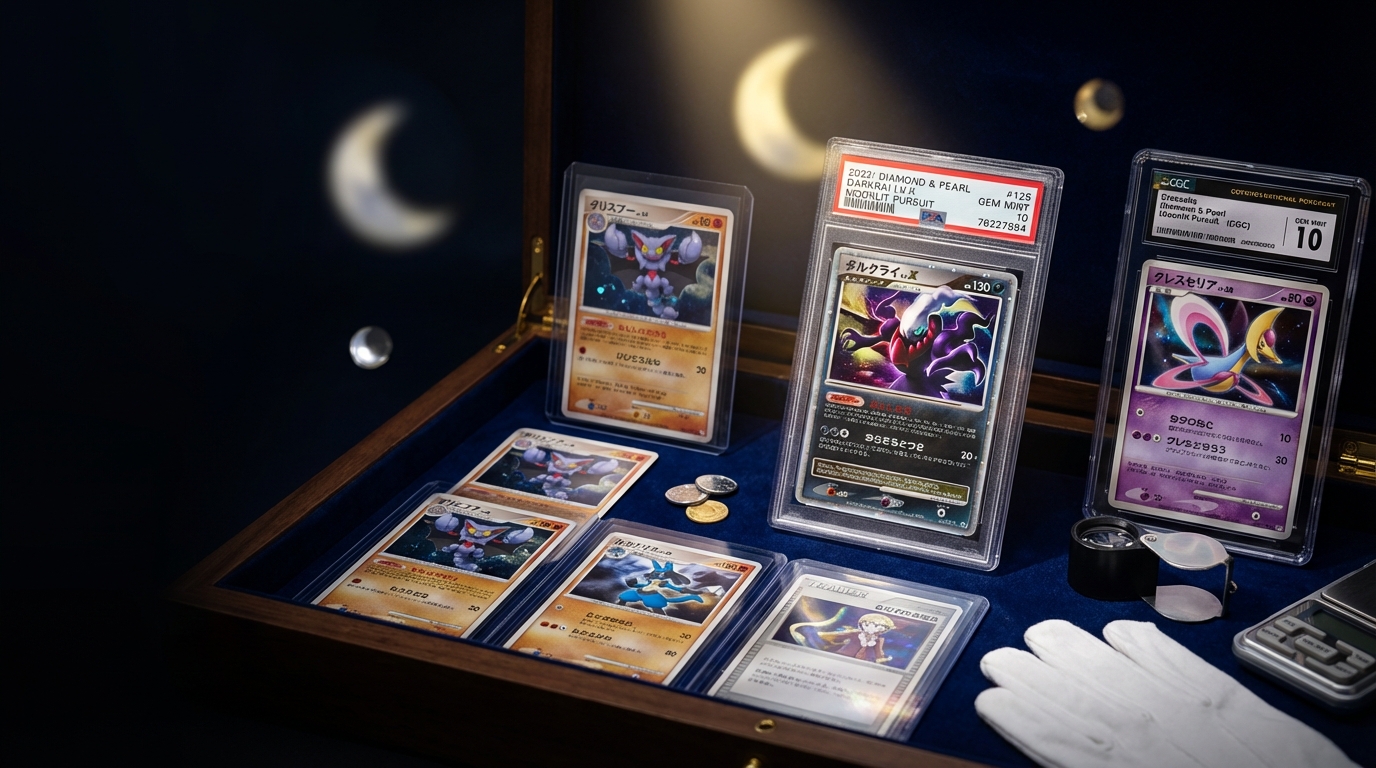
Moonlit Pursuit Set: Top 10 Cards to Grade in 2026
As Pokemon's 30th anniversary celebrations continue throughout 2026, collectors are rediscovering the hidden gems of the Diamond & Pearl era. Moonlit Pursuit (DP4), a Japanese-exclusive set released during the height of Gen 4 popularity, has emerged as one of the most intriguing grading opportunities in today's market. With its lunar-themed artwork, powerful LV.X cards, and relatively low PSA 10 population counts, this 144-card set offers compelling value for collectors who understand which cards to prioritize.
The renewed interest in Japanese exclusive sets has created a perfect storm for Moonlit Pursuit. While English collectors have historically dominated the grading market, savvy investors now recognize that Japanese cards from this era typically feature superior centering and print quality—making PSA 10 grades significantly more achievable. Combined with the spillover enthusiasm from the recent Ascended Heroes release, evolution-themed sets like Moonlit Pursuit are experiencing unprecedented attention.
This comprehensive guide identifies the top 10 cards from Moonlit Pursuit that deserve your grading attention in 2026, backed by market data, population analysis, and practical grading insights.
Why Moonlit Pursuit Matters in 2026
Before diving into specific cards, it's crucial to understand why this set has captured collector attention in the current market environment.
The 30th Anniversary Effect
Pokemon's 30th anniversary has sparked massive nostalgia across all generations of collectors. While Base Set and Neo series cards dominate headlines, Diamond & Pearl era sets represent an undervalued sweet spot. These cards are old enough to carry vintage appeal but recent enough that mint condition copies still exist in reasonable quantities—creating ideal grading opportunities before prices climb further.
Japanese Card Quality Advantage
Japanese Pokemon cards from the DP era consistently exhibit superior production quality compared to their English counterparts. The tighter quality control at Japanese printing facilities results in:
- Better centering consistency: 60/40 or better on most pulls
- Sharper print registration: Cleaner text and image details
- Superior card stock: Less prone to edge wear and whitening
- Fewer print lines: Reduced surface imperfections
These factors dramatically increase your odds of achieving PSA 10 grades, which typically command 3-5x premiums over raw copies in the current market.
Low Population Reports Create Opportunity
Unlike heavily graded sets such as Base Set or modern releases, Moonlit Pursuit maintains relatively low PSA population counts. This scarcity creates significant upside potential as more collectors discover the set. Cards with sub-100 PSA 10 populations can see explosive growth when featured in content or when key influencers showcase them.
Top 10 Moonlit Pursuit Cards to Grade Now
1. Darkrai LV.X (#DP4-100)
Why Grade: The undisputed chase card of Moonlit Pursuit, Darkrai LV.X represents the pinnacle of the set's lunar theme. As a flagship LV.X card featuring one of Gen 4's most popular legendary Pokemon, it commands premium prices across all grades.
Market Position: Raw copies currently trade in the $80-120 range, while PSA 10 examples reach $350-500. This 3-4x multiplier makes grading economically viable for well-centered copies.
Grading Considerations:
- Look for pristine corners—the dark borders show whitening easily
- Centering is typically good on Japanese copies (aim for 55/45 or better)
- The holographic pattern can reveal print lines under magnification
- Surface scratches are the most common grade killer
Population Insight: With fewer than 150 PSA 10 copies in existence, this card maintains strong scarcity despite being from a 2008 set.
2. Cresselia LV.X (#DP4-103)
Why Grade: As Darkrai's lunar counterpart, Cresselia LV.X completes the set's thematic duo. While historically overshadowed by Darkrai, Cresselia has gained appreciation among completionists and thematic collectors.
Market Position: Raw copies trade at $40-70, with PSA 10s reaching $180-250. The multiplier is slightly lower than Darkrai but still attractive for investment-grade copies.
Grading Considerations:
- The lighter color scheme makes centering issues more visible
- Holographic foil is prone to scratching during pack opening
- Edge wear is less visible than on Darkrai due to lighter borders
- Back centering often presents challenges
Collector Appeal: Moonlit Pursuit represents one of the few sets where Cresselia receives premium treatment, making it desirable for Gen 4 legendary collectors.
3. Darkrai Holo Rare (#DP4-41)
Why Grade: The standard holographic Darkrai serves as an accessible entry point for collectors who can't afford the LV.X version. With gorgeous artwork depicting Darkrai against a moonlit sky, this card captures the set's aesthetic perfectly.
Market Position: Raw copies range from $15-30, while PSA 10 examples command $80-120. The 4-5x multiplier makes this an excellent grading candidate for budget-conscious collectors.
Grading Considerations:
- More common than the LV.X but still maintains respectable population scarcity
- Centering is generally favorable on Japanese prints
- The dark color scheme requires careful inspection for surface issues
- Pack-fresh copies grade well due to Japanese quality control
Investment Angle: As Darkrai continues gaining popularity through various Pokemon media appearances, all premium versions of the character benefit from rising baseline demand.
4. Cresselia Holo Rare (#DP4-38)
Why Grade: Mirroring the Darkrai holo, this card offers thematic completeness for set collectors while maintaining independent value as a beautiful Gen 4 legendary representation.
Market Position: Raw copies trade at $10-20, with PSA 10s reaching $50-80. While absolute values are lower, the multiplier remains strong at 4-5x.
Grading Considerations:
- Lighter artwork makes print defects more visible
- Generally excellent centering on Japanese copies
- Holographic pattern can show wear from handling
- Lower submission rates mean less population dilution
Collector Profile: Appeals to Gen 4 completionists, lunar/celestial theme collectors, and budget investors seeking multiplier opportunities.
5. Rotom Holo Rare (#DP4-46)
Why Grade: Rotom's unique Ghost/Electric typing and its various form changes in later generations have built a dedicated collector base. The Moonlit Pursuit version captures Rotom's mysterious nature with atmospheric artwork.
Market Position: Raw copies range from $12-25, while PSA 10 examples reach $60-90. The 3-4x multiplier combined with Rotom's growing popularity makes this a sleeper pick.
Grading Considerations:
- Relatively low submission rates create population scarcity
- Orange and blue color palette reveals centering issues clearly
- Holographic foil pattern is less prone to scratching than darker cards
- Japanese print quality favors high grades
Future Potential: Rotom's continued relevance in video games and potential future TCG mechanics could drive demand for vintage representations.
6. Honchkrow LV.X (#DP4-132)
Why Grade: LV.X cards from this era consistently outperform standard holos in long-term value retention. Honchkrow's dark aesthetic fits perfectly with Moonlit Pursuit's nighttime theme.
Market Position: Raw copies trade at $25-45, with PSA 10s commanding $100-150. The 3-4x multiplier applies here, though absolute values remain accessible.
Grading Considerations:
- Dark borders show edge wear prominently—inspect carefully
- Centering is typically favorable on Japanese prints
- Lower population counts than flagship LV.X cards
- Surface quality is crucial for grade maximization
Collector Demand: Honchkrow appeals to Dark-type collectors and players who remember its competitive relevance in the DP era metagame.
7. Mismagius Holo Rare (#DP4-44)
Why Grade: Ghost-type collectors actively seek Mismagius cards, and the Moonlit Pursuit version features some of the character's best vintage artwork. The purple and black color scheme perfectly captures the set's nocturnal atmosphere.
Market Position: Raw copies range from $8-18, while PSA 10 examples reach $45-70. The 4-5x multiplier makes this an excellent value proposition.
Grading Considerations:
- Purple holographic foil can hide minor surface imperfections
- Generally excellent centering distribution
- Lower submission volumes mean less market saturation
- Pack-fresh copies grade consistently well
Investment Thesis: Ghost-type Pokemon maintain steady collector interest, and Mismagius's elegant design ensures long-term aesthetic appeal.
8. Dusknoir Holo Rare (#DP4-39)
Why Grade: As a Gen 4 evolution of the beloved Dusclops, Dusknoir carries both nostalgia and design appeal. The Moonlit Pursuit artwork showcases Dusknoir's imposing presence against a haunting background.
Market Position: Raw copies trade at $10-20, with PSA 10s reaching $50-75. The 4-5x multiplier combined with Ghost-type popularity creates solid grading incentive.
Grading Considerations:
- Dark color scheme requires careful surface inspection
- Japanese centering quality typically excellent
- Moderate submission rates maintain population balance
- Edge quality crucial due to visible borders
Collector Appeal: Dusknoir bridges Gen 3 nostalgia with Gen 4 evolution mechanics, appealing to multiple collector demographics.
9. Umbreon Holo Rare (#DP4-51)
Why Grade: Umbreon consistently ranks among the most popular Eeveelutions, and any premium Umbreon card commands collector attention. The Moonlit Pursuit version's nighttime theme makes it especially desirable.
Market Position: Raw copies range from $30-50, while PSA 10 examples command $120-180. The 3-4x multiplier reflects Umbreon's enduring popularity.
Grading Considerations:
- High submission rates mean more competition in the PSA 10 market
- Centering typically favorable on Japanese prints
- Black color scheme shows surface wear prominently
- Strong collector demand supports premium pricing
Long-term Outlook: Umbreon cards historically appreciate well due to consistent character popularity across all Pokemon media.
10. Giratina Holo Rare (#DP4-40)
Why Grade: Giratina's status as a Gen 4 legendary and its unique Ghost/Dragon typing make it a must-have for serious collectors. The Moonlit Pursuit version predates Giratina's Origin Forme reveal, making it a historically significant card.
Market Position: Raw copies trade at $20-35, with PSA 10s reaching $80-120. The 3-4x multiplier applies, with potential upside if Giratina gains renewed media attention.
Grading Considerations:
- Complex artwork can hide minor print imperfections
- Generally excellent centering on Japanese copies
- Moderate population counts maintain scarcity
- Surface quality critical for maximizing grade
Historical Significance: Early Giratina representations gain value as the character's lore expands through games and media.
Grading Strategy for Moonlit Pursuit Cards
When to Grade vs. Hold Raw
Not every card deserves immediate grading submission. Consider these factors:
Grade Immediately If:
- Centering appears 55/45 or better on both front and back
- All four corners are sharp with no visible whitening
- Surface is pristine with no scratches, print lines, or indentations
- Edges show no wear or whitening
- The card has strong market demand (Darkrai LV.X, Umbreon, etc.)
Hold Raw If:
- Centering exceeds 60/40 on either side
- Any corners show whitening or rounding
- Surface has visible scratches or holographic wear
- Current raw prices are climbing faster than graded premiums
- You're waiting for population reports to stabilize
Submission Timing Considerations
The grading market in 2026 has evolved significantly:
Peak Submission Periods:
- January-March: Post-holiday submissions create longer turnaround times
- July-September: Pre-holiday positioning drives submission volumes
Optimal Submission Windows:
- April-June: Faster turnaround, lower volume
- October-December: Receive graded cards before year-end for tax/sale purposes
Cost-Benefit Analysis
Before submitting cards for grading, calculate your potential return:
Grading Costs (2026 Average):
- PSA Standard Service: $25-30 per card
- Shipping and insurance: $15-25 per submission
- Total per card (in bulk): $30-40
Break-Even Calculation: For a card to justify grading costs, the PSA 10 premium should exceed $100-150 above raw prices to account for:
- Cards that grade PSA 9 instead of 10 (typically 30-40% of submissions)
- Grading fees and shipping
- Time value of capital during grading period
- Selling fees if liquidating (typically 10-15%)
Protecting Your Investment: Storage and Handling
Once you've identified grade-worthy Moonlit Pursuit cards, proper storage becomes critical:
Immediate Protection
- Sleeve cards immediately in penny sleeves (opening from the side, not top)
- Place sleeved cards in top loaders or card savers
- Store in climate-controlled environment (65-70°F, 40-50% humidity)
- Avoid direct sunlight exposure
- Handle cards by edges only, never touching surfaces
Pre-Grading Preparation
- Use card savers (not top loaders) for PSA submissions
- Do not use tape on card savers—use painter's tape on the holder only
- Include submission form details clearly and accurately
- Photograph cards before submission for insurance purposes
- Use tracked, insured shipping for valuable submissions
Long-term Storage
- Store graded cards in acid-free storage boxes
- Maintain consistent temperature and humidity
- Keep away from magnetic sources (can affect holographic foil)
- Consider safe deposit box for high-value collections
- Document your collection with photographs and spreadsheets
Market Outlook for Moonlit Pursuit in 2026
Several factors suggest continued strength for Moonlit Pursuit cards throughout 2026 and beyond:
Positive Indicators
Anniversary Momentum: Pokemon's 30th anniversary celebrations extend throughout 2026, maintaining elevated interest in vintage and classic-era sets. Diamond & Pearl era cards benefit from being old enough to carry nostalgia value while remaining accessible to newer collectors.
Japanese Card Premium: The growing recognition of Japanese print quality has narrowed—and in some cases eliminated—the historical price gap between Japanese and English cards. Moonlit Pursuit's Japanese-exclusive status now represents an advantage rather than a limitation.
Low Population Scarcity: Compared to heavily graded sets, Moonlit Pursuit maintains favorable population dynamics. As more collectors discover the set, existing PSA 10 populations may struggle to meet demand, supporting price appreciation.
Character Popularity: Darkrai, Cresselia, and other featured Pokemon maintain strong brand recognition. Any new game releases, anime appearances, or media featuring these characters could drive spillover demand for vintage cards.
Risk Factors
Market Saturation: If grading submissions spike dramatically, PSA 10 populations could increase faster than demand, compressing premiums. Monitor population reports quarterly to assess this risk.
Economic Conditions: Collectibles markets remain sensitive to broader economic factors. A recession or market correction could temporarily suppress prices across all vintage cards.
Reprint Risk: While unlikely for a Japanese set from 2008, Pokemon Company International has occasionally created anniversary reprints or special collections that can impact original card values.
Grading Company Changes: Any modifications to PSA's grading standards or the emergence of competing grading services could affect relative values and population dynamics.
Building Your Moonlit Pursuit Grading Portfolio
For collectors looking to build a strategic position in Moonlit Pursuit cards, consider these portfolio approaches:
The Completionist Strategy
Focus on acquiring and grading the complete holographic rare set:
- All LV.X cards (Darkrai, Cresselia, Honchkrow, etc.)
- All standard holos (approximately 20-25 cards)
- Target PSA 9 or better for cost efficiency
- Benefits: Comprehensive collection, display appeal, diversified risk
The Flagship Focus
Concentrate resources on the top 3-5 most valuable cards:
- Darkrai LV.X (PSA 10 target)
- Cresselia LV.X (PSA 10 target)
- Umbreon Holo (PSA 10 target)
- Benefits: Maximum value concentration, easier to achieve PSA 10 on fewer cards, higher liquidity
The Value Hunter Approach
Target undervalued cards with strong multipliers:
- Rotom, Mismagius, Dusknoir holos
- Focus on PSA 10 grades for 4-5x multipliers
- Lower entry costs allow larger position sizes
- Benefits: Better risk-adjusted returns, multiple shots at PSA 10 grades, less competition
The Diversified Collector
Spread investments across multiple DP-era Japanese sets:
- Moonlit Pursuit flagship cards
- Complementary cards from other DP sets
- Build thematic collections (Dark types, Ghost types, legendaries)
- Benefits: Reduced single-set risk, broader market exposure, enhanced trading opportunities
Authenticating Moonlit Pursuit Cards
Before investing in raw Moonlit Pursuit cards for grading, verify authenticity:
Genuine Card Characteristics
- Proper Japanese text font and spacing
- Correct set symbols and numbering (DP4 designation)
- High-quality holographic foil with consistent pattern
- Appropriate card stock thickness and flexibility
- Sharp printing with no blurred edges or text
- Correct back printing with proper Pokemon logo
Red Flags
- Unusually low prices for mint condition cards
- Sellers with limited feedback or history
- Cards described as "proxy" or "replica"
- Incorrect fonts or spacing on text
- Holographic patterns that appear printed rather than foil
- Card stock that feels too thin or too thick
Verification Resources
- Compare with verified authentic examples
- Use UV light to check for printing anomalies
- Weigh cards (genuine Pokemon cards have consistent weight)
- Consult experienced collectors before major purchases
- Purchase from reputable sellers with return policies
Conclusion: Moonlit Pursuit's Grading Opportunity
Moonlit Pursuit represents a compelling grading opportunity in the 2026 Pokemon card market. The combination of 30th anniversary momentum, superior Japanese print quality, low PSA 10 populations, and strong character appeal creates favorable conditions for strategic collectors.
The top 10 cards identified in this guide offer varying entry points and risk profiles, allowing collectors to build positions aligned with their budget and strategy. Whether you're pursuing the flagship Darkrai LV.X or discovering value in cards like Rotom and Mismagius, Moonlit Pursuit rewards careful card selection and proper grading preparation.
Key Takeaways:
- Quality Over Quantity: Focus on pack-fresh, well-centered copies with pristine surfaces for optimal grading results
- Strategic Timing: Submit cards during lower-volume periods for faster turnaround and better service
- Calculate Returns: Ensure grading costs justify the PSA 10 premium before submission
- Protect Your Assets: Proper storage and handling preserve card condition and maximize grading potential
- Monitor Populations: Track PSA population reports to identify emerging scarcity and value opportunities
- Diversify Approaches: Consider multiple portfolio strategies based on your collecting goals and budget
As Pokemon's 30th anniversary continues throughout 2026, Diamond & Pearl era sets like Moonlit Pursuit offer a sweet spot of vintage appeal and achievable grading success. The cards highlighted in this guide represent the best opportunities to capitalize on this convergence of factors.
Note: Past performance does not guarantee future results. Always do your own research before making investment decisions. Card values can fluctuate based on market conditions, population changes, and collector preferences.
Whether you're grading for personal collection goals or investment purposes, Moonlit Pursuit's combination of beautiful artwork, beloved characters, and favorable market dynamics makes it one of 2026's most interesting grading opportunities in the Japanese Pokemon card market.
Tags:
Pokemon Price Tracker
Market Analyst
Related Articles
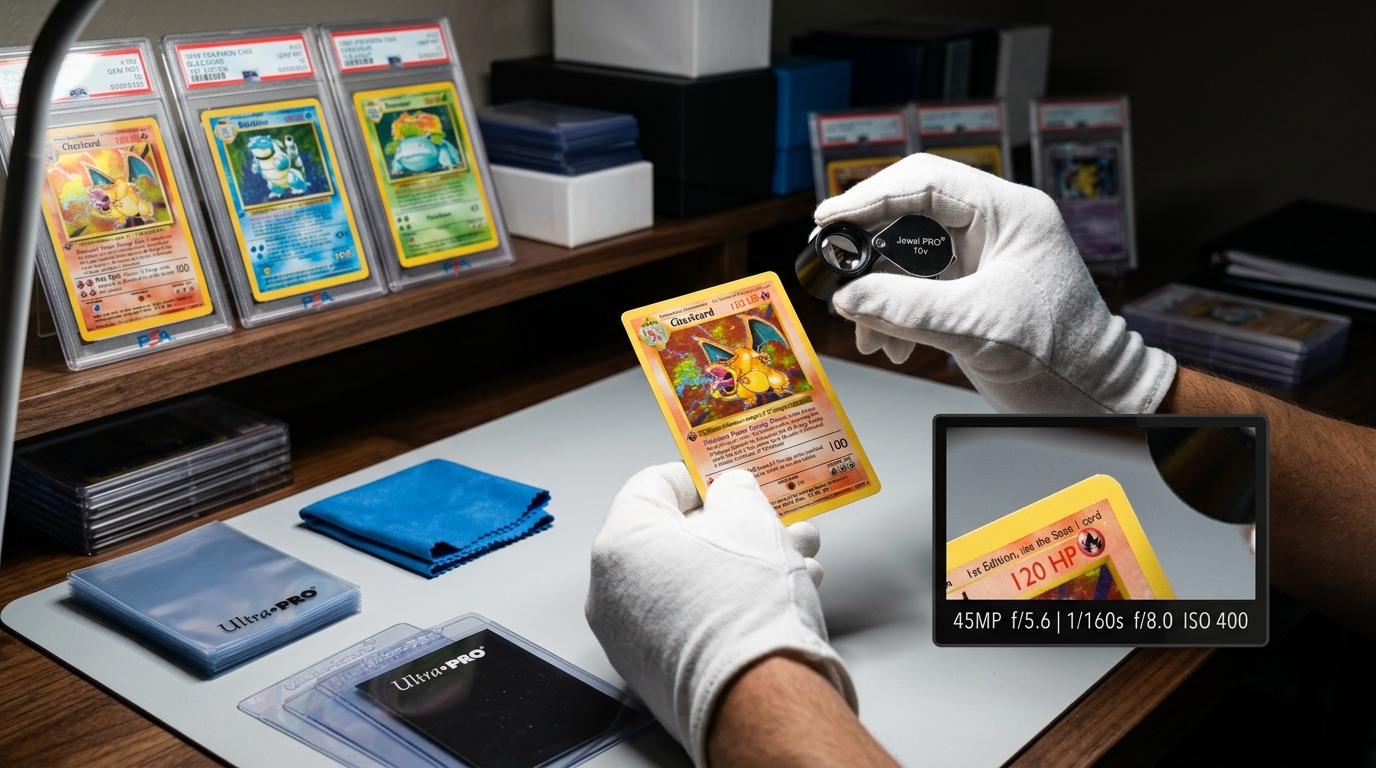
How to Grade Pokemon Cards: Step-by-Step 2026 Guide
Learn how to grade Pokemon cards in 2026 with this complete step-by-step guide covering PSA's paused Value tiers, the $79.99 minimum, pre-screening techniques, and when grading still makes financial sense.
Pokemon Price Tracker
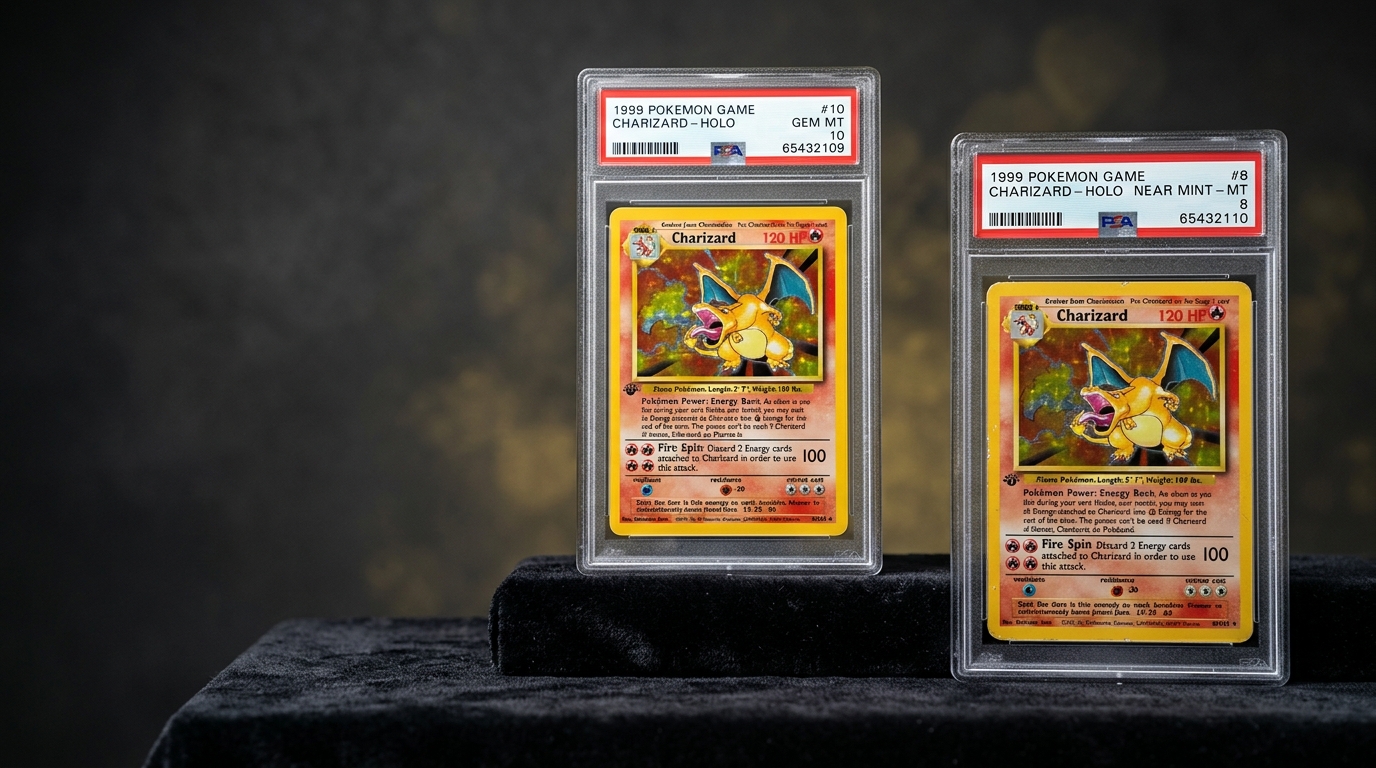
PSA 10 vs PSA 9: 2026 Price Gap Analysis & ROI Data
PSA 10s command 3x to 20x more than PSA 9s in 2026, but the gap varies wildly by card and era. We break down real sales data, ROI frameworks, and when grading actually makes financial sense.
Pokemon Price Tracker
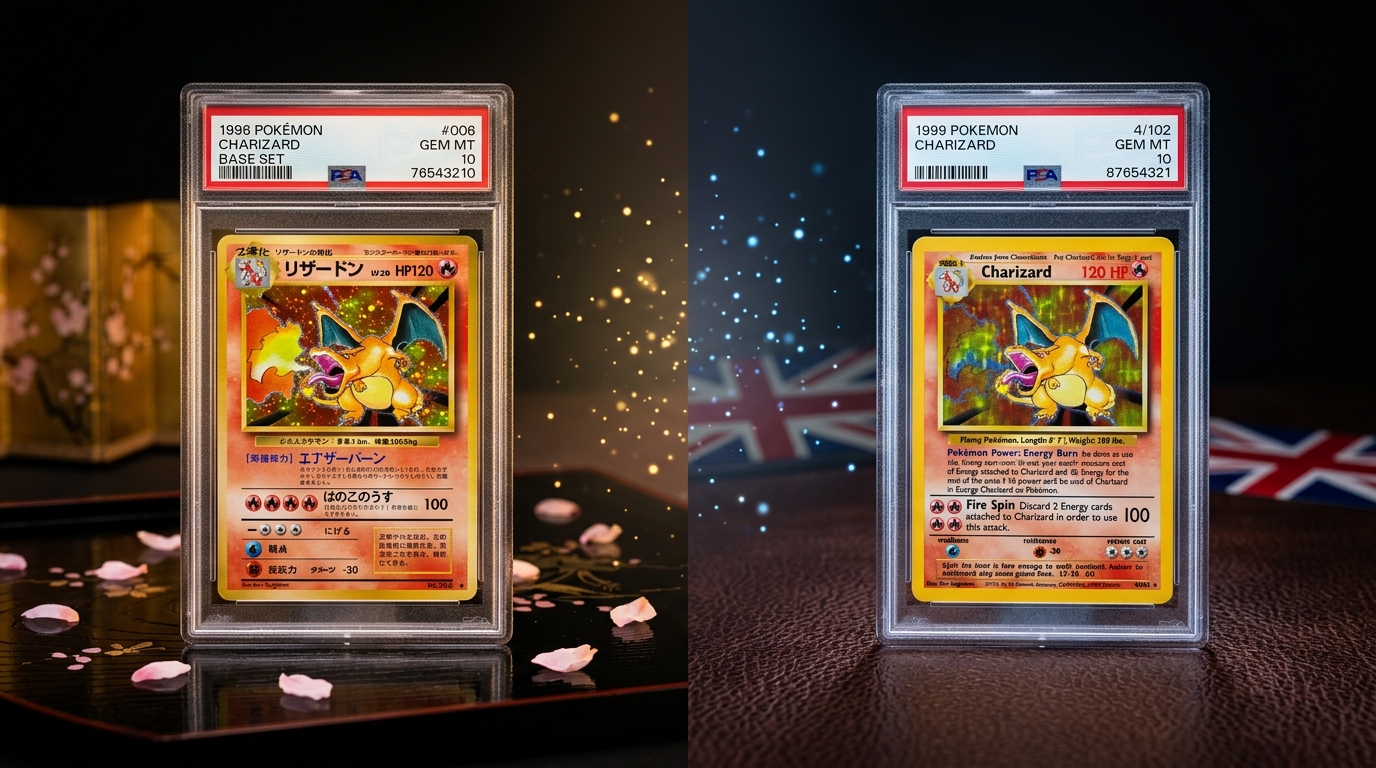
Japanese vs English Pokemon Cards: Which Holds Value in 2026?
The Japanese vs English Pokemon card debate has fundamentally shifted in 2026. Japanese PSA 10s now command 20-40% premiums over English equivalents, while raw English cards still cost 2x-6x more. Here's how to navigate both markets strategically.
Pokemon Price Tracker
Stay Updated
Subscribe to our newsletter for the latest Pokemon card market trends, investment opportunities, and exclusive insights delivered straight to your inbox.