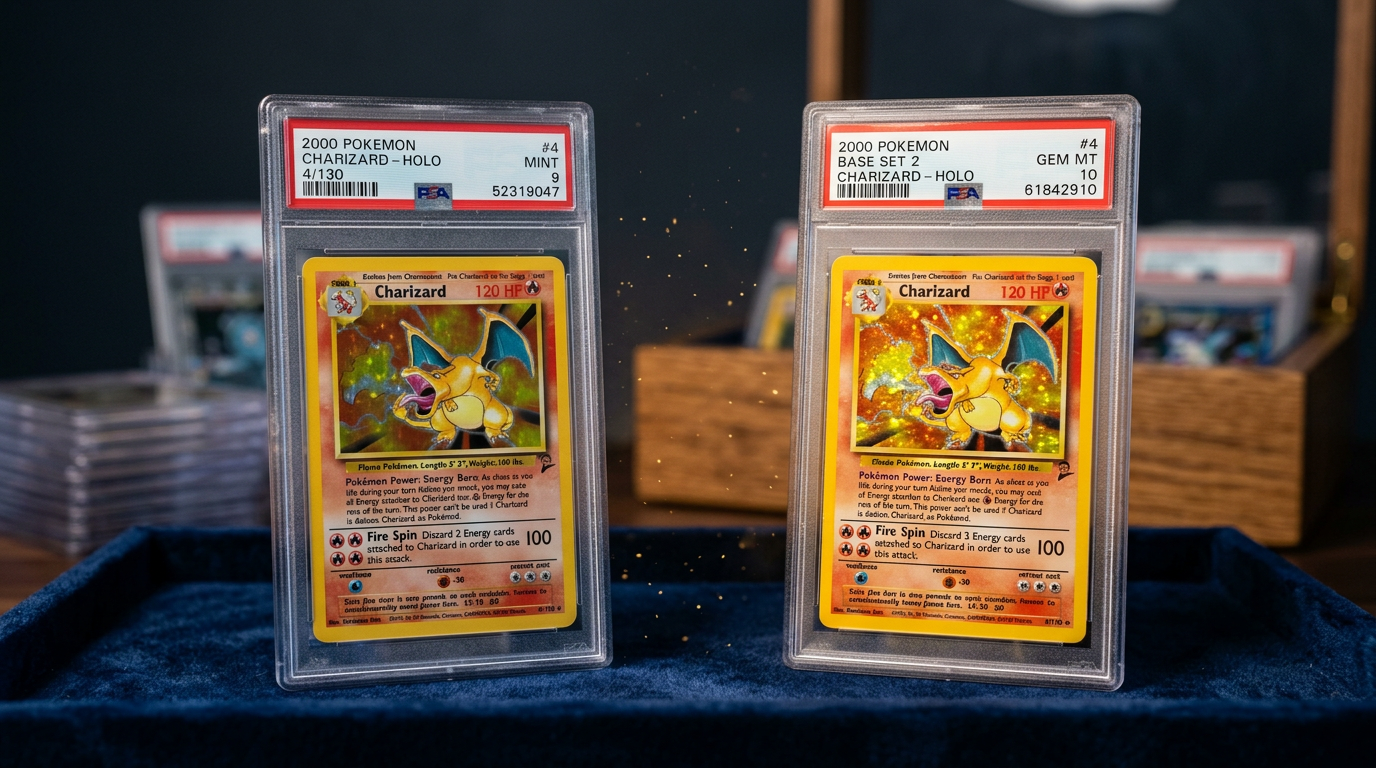
PSA 10 vs PSA 9: Is the Premium Worth It in 2026?
The gap between a PSA 9 and a PSA 10 can be the difference between a modest return and a life-changing sale. In 2026, with Pokemon's 30th anniversary driving record submission volumes and modern sets like Ascended Heroes, Perfect Order, and Chaos Rising flooding graders' queues, the PSA 10 premium remains one of the most hotly debated topics in the hobby.
But is that premium always worth chasing? The honest answer: it depends entirely on the card, the era, and your strategy. Let's break down the data.
What Actually Separates a PSA 9 from a PSA 10?
Both grades represent beautiful cards. A PSA 9 ("Mint") allows for minor imperfections — a tiny edge nick, a minuscule printing defect, slightly off-center borders (up to 60/40), or very faint surface wear. A PSA 10 ("Gem Mint") demands near-perfection: sharp corners, clean edges, full gloss, and centering of roughly 55/45 or better on both axes.
In practice, only a small percentage of submissions achieve the PSA 10 grade. That scarcity is what drives the premium — and why understanding population dynamics is essential before you submit.
The Vintage WOTC Multiplier: Where Premiums Get Extreme
Vintage Wizards of the Coast era cards (1999-2003) show the most dramatic PSA 10 premiums in the entire hobby. Decades of handling, play wear, and subpar storage mean Gem Mint copies are extraordinarily rare.
Notable Vintage Premium Examples (2026 Market Data)
- Base Set Unlimited Charizard: PSA 9 $2,000–$3,000 vs. PSA 10 $30,000–$50,000 (10–20x premium)
- Base Set 1st Edition Charizard: PSA 9 $15,000–$25,000 vs. PSA 10 $200,000–$400,000+ (10–20x premium)
- Neo Genesis 1st Edition Lugia: PSA 9 $2,000–$4,000 vs. PSA 10 $15,000–$30,000 (5–10x premium)
- Neo Destiny 1st Edition Shining Charizard: PSA 9 $3,000–$5,000 vs. PSA 10 $20,000–$40,000 (5–10x premium)
- Fossil Gengar Holo: PSA 9 $100–$200 vs. PSA 10 $800–$1,500 (5–8x premium)
Consider that fewer than 350 Unlimited Base Set Charizards have achieved PSA 10 out of more than 35,000 submissions. That's roughly a 1% success rate — and the market prices it accordingly.
Takeaway: For premier vintage holos, a PSA 10 isn't just a higher grade; it's a different asset class entirely.
The Modern Card Reality: Compressed Premiums
Modern cards tell a very different story. Improved printing quality, better factory conditions, and collectors pulling cards directly into sleeves mean Gem Mint copies are far more common. The result? PSA 10 premiums on modern sets typically range from 1.3x to 2x over PSA 9.
Modern Ultra Rare Examples (2026)
- Evolving Skies Umbreon VMAX Alt Art: PSA 9 $200–$250 vs. PSA 10 $350–$500 (1.5–2x)
- Pokemon 151 Charizard ex SAR: PSA 9 $120–$160 vs. PSA 10 $200–$300 (1.5–2x)
- Prismatic Evolutions Umbreon ex SIR: PSA 9 $350–$450 vs. PSA 10 $500–$700 (1.3–1.8x)
- Crown Zenith Charizard VSTAR: PSA 9 $80–$120 vs. PSA 10 $130–$180 (1.3–1.7x)
2026 Mega Evolution Chase Cards
The new Mega Evolution mechanic has created the year's hottest chase cards:
- Mega Gengar ex SAR (Ascended Heroes): PSA 10 population ~480, selling £2,800–£3,200 vs. raw £780–£930 — roughly a 220–240% uplift over ungraded copies.
Even with compressed PSA 9-to-10 multipliers, the raw-to-PSA-10 jump on modern chase cards can still be substantial, which is why grading modern remains viable when the card and condition justify it.
When the PSA 10 Premium IS Worth It
- Vintage WOTC holos in demonstrably Gem Mint condition. If you've carefully examined centering, corners, edges, and surface under bright light and everything looks clean, the 5–20x multiplier makes submission a no-brainer.
- Low-population modern chase cards. Cards with PSA 10 populations under 1,000 and strong collector demand tend to hold premium multipliers better.
- Iconic characters. Charizard, Umbreon, Pikachu, Lugia, and Mew consistently command stronger PSA 10 premiums than lesser-known Pokemon.
- Freshly pulled modern pack-fresh cards. If you pulled it yourself and sleeved it immediately, your odds of hitting a 10 are meaningfully higher.
When the PSA 10 Premium Is NOT Worth Chasing
- Borderline-condition modern cards. With a 1.3–1.5x premium, a single grading fee ($15–$25) plus shipping can wipe out your margin if the card comes back a 9.
- High-population commons and uncommons. If 10,000+ PSA 10s already exist, the premium is usually minimal.
- Cards with visible centering or print line issues. Don't gamble on borderline cards — the math rarely works out.
- Bulk-grade candidates. Grading 50 modern cards hoping for a few 10s often loses money once fees and failed submissions are tallied.
Running the Numbers Before You Submit
Before sending any card to PSA, run the actual math. The formula is straightforward:
Expected Value = (PSA 10 odds × PSA 10 price) + (PSA 9 odds × PSA 9 price) − grading fees − shipping − raw card cost
If the expected value is negative or barely positive, skip the submission. Our Grading ROI Calculator does this math for you instantly using current market data for PSA, CGC, and BGS across thousands of cards. Pair it with current population data to see exactly how many PSA 10s already exist for the card you're evaluating — a crucial input for estimating future supply.
Population Reports: The Often-Overlooked Factor
Population shapes premium. A card with 200 PSA 10s will command a much stronger multiplier than one with 20,000 — even if they're from the same set. Before submitting, ask:
- How many PSA 10s currently exist?
- What's the monthly submission rate?
- Is the card still in print (meaning supply can grow)?
- Has population doubled in the last 12 months?
Cards still being pulled from active print runs will see population climb fast, which compresses premiums over time. Cards from closed vintage print runs essentially have fixed supply — a major reason vintage PSA 10 premiums keep expanding.
Key Takeaways
- Vintage WOTC PSA 10s command 5–20x premiums and historically deliver the strongest ROI when cards are genuinely Gem Mint candidates.
- Modern PSA 10 premiums are compressed at 1.3–2x, making careful selection essential to profitability.
- Population matters. Low-pop chase cards with strong character demand preserve premiums best.
- Run the math every time. Grading fees, shipping, and failed 10 attempts can erase profits quickly on modern cards.
- Condition honesty is everything. The biggest mistake collectors make is overestimating their own cards — examine under strong light and be ruthlessly objective.
The PSA 10 premium is real and often worth chasing, but it's not a universal rule. The difference between a profitable submission and a wasted fee usually comes down to a few minutes of research before the card leaves your hands.
Note: Past performance does not guarantee future results. Always do your own research before making investment decisions.
Pokemon Price Tracker
Market Analyst
Related Articles
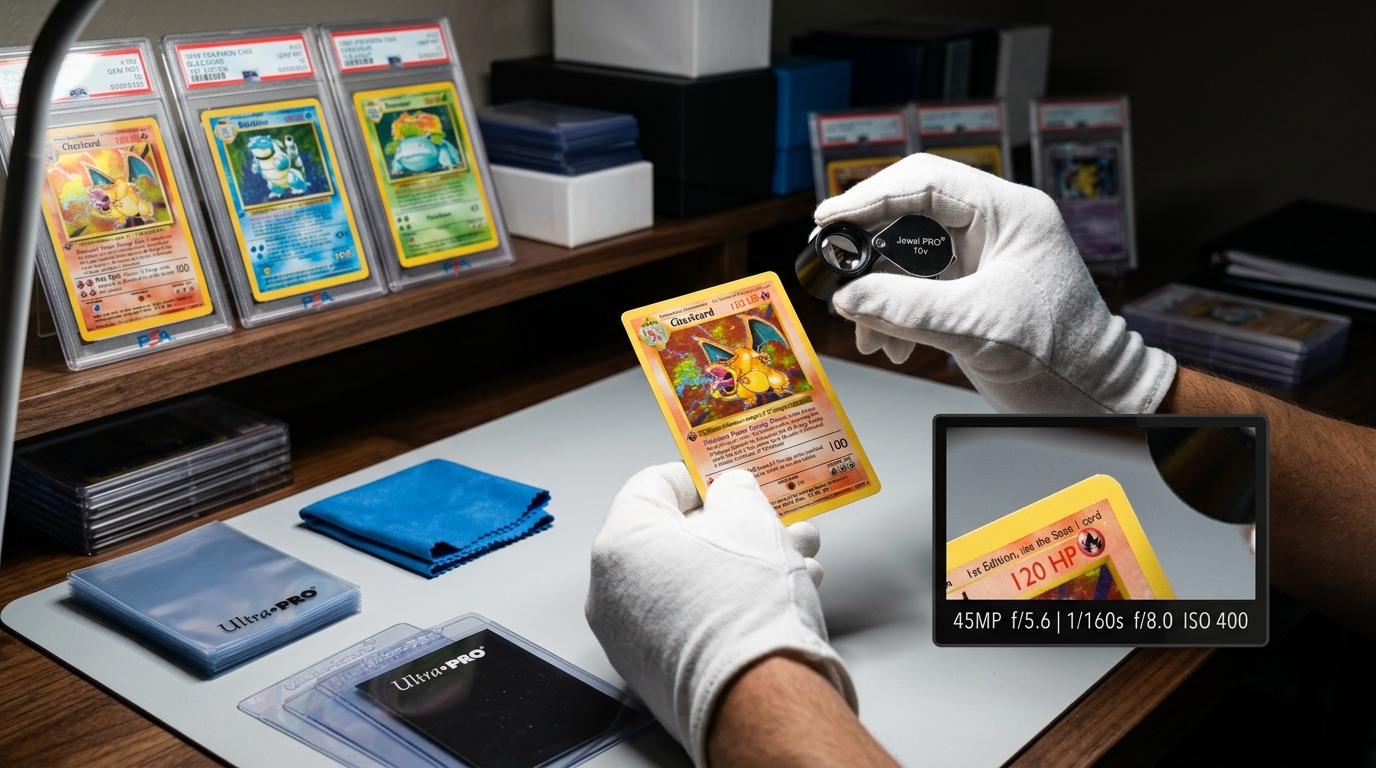
How to Grade Pokemon Cards: Step-by-Step 2026 Guide
Learn how to grade Pokemon cards in 2026 with this complete step-by-step guide covering PSA's paused Value tiers, the $79.99 minimum, pre-screening techniques, and when grading still makes financial sense.
Pokemon Price Tracker
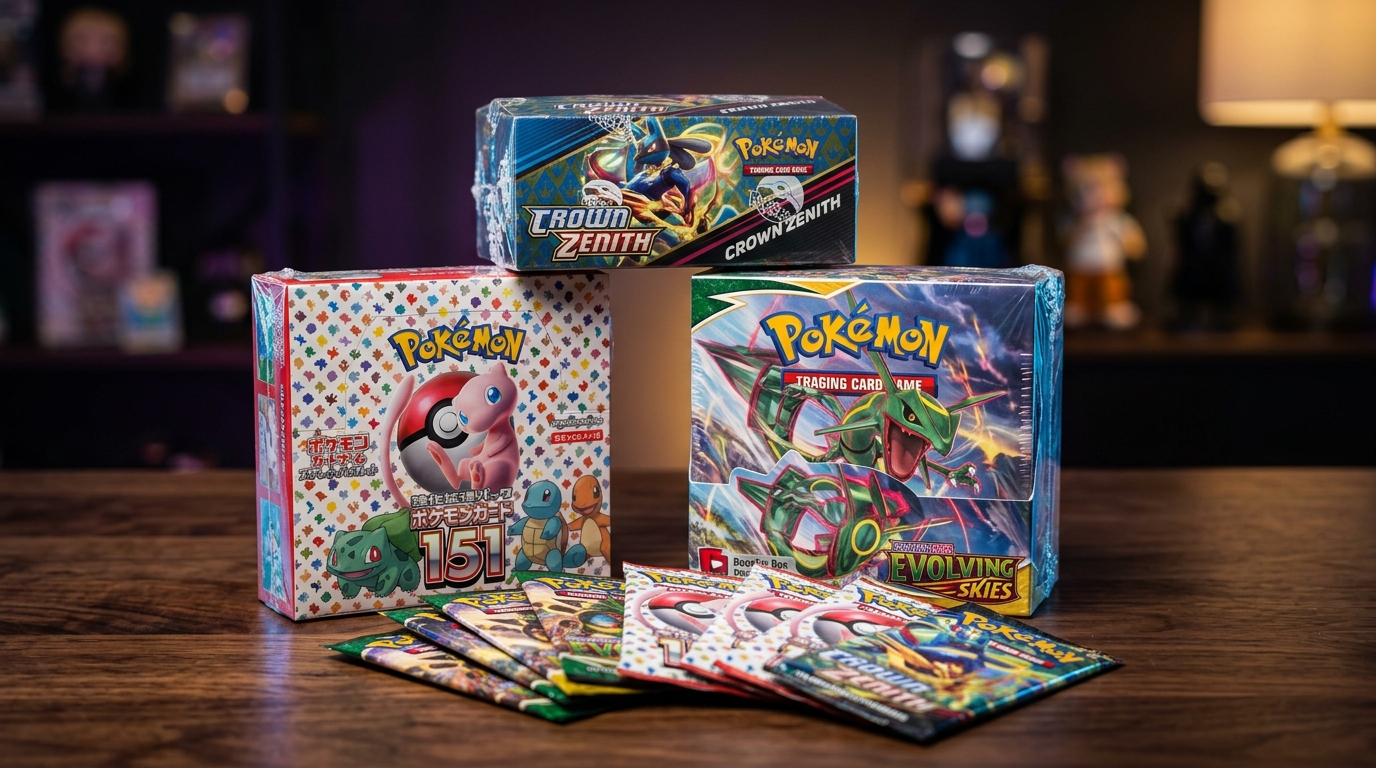
Best Pokemon Booster Boxes to Buy and Hold in 2026
From Evolving Skies to Japanese Pokemon 151, discover the best Pokemon booster boxes to buy and hold in 2026. Data-driven picks, portfolio strategy, and key metrics to watch for long-term sealed investors.
Pokemon Price Tracker
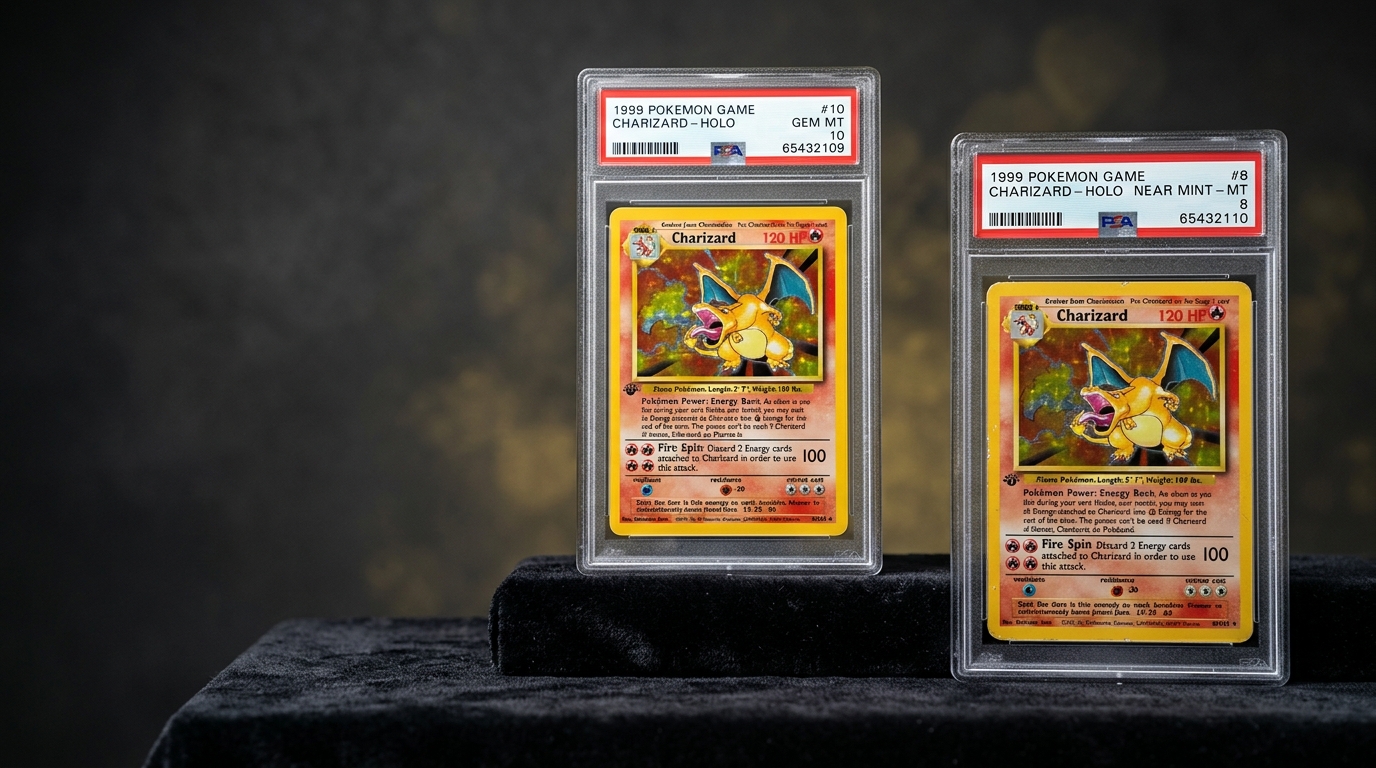
PSA 10 vs PSA 9: 2026 Price Gap Analysis & ROI Data
PSA 10s command 3x to 20x more than PSA 9s in 2026, but the gap varies wildly by card and era. We break down real sales data, ROI frameworks, and when grading actually makes financial sense.
Pokemon Price Tracker
Stay Updated
Subscribe to our newsletter for the latest Pokemon card market trends, investment opportunities, and exclusive insights delivered straight to your inbox.