Best Pokemon Cards to Invest In 2026: Long-Term Analysis
Pokemon Price Tracker
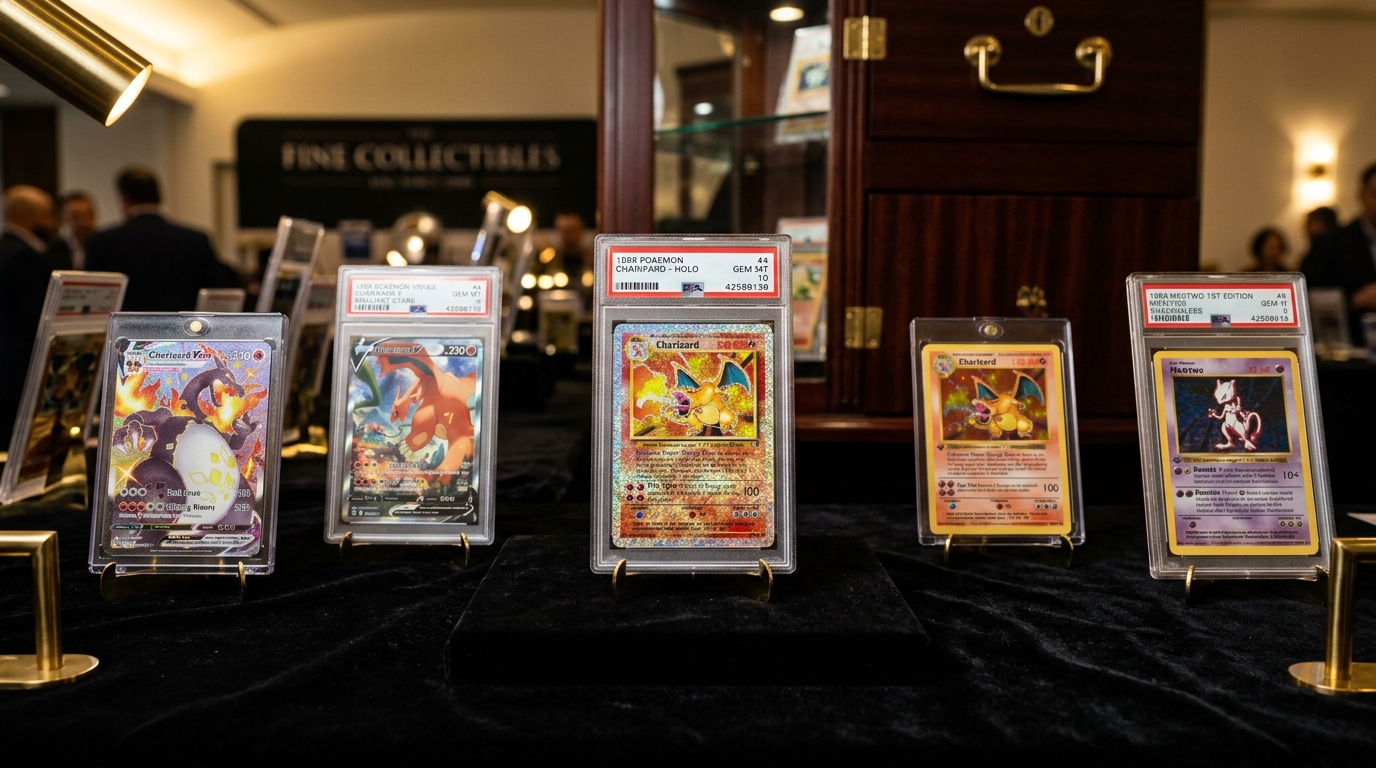
Best Pokemon Cards to Invest In 2026: Long-Term Value Analysis
The Pokemon TCG investment landscape in 2026 is experiencing a historic moment. With Logan Paul's PSA 10 Pikachu Illustrator shattering records at $16.49 million in February, Card Ladder's Pokemon index up 145% year-over-year, and the 30th Anniversary celebrations driving unprecedented collector demand, Pokemon cards have firmly established themselves as a serious alternative asset class.
But not every card is an investment. The difference between a blue-chip grail and a speculative flop often comes down to population dynamics, cultural relevance, and supply scarcity. In this comprehensive guide, we'll break down the best Pokemon cards to invest in for 2026 and beyond — from six-figure vintage grails to modern sleepers with 10x potential.
Note: Past performance does not guarantee future results. Always do your own research before making investment decisions.
The 2026 Pokemon Investment Landscape
Before diving into specific cards, it's critical to understand the macro forces shaping the market right now.
Major Market Catalysts
- 30th Anniversary Momentum: Pokemon Day (February 27, 2026) launched sustained anniversary celebrations, culminating in a global 'Celebration Collection' launch scheduled for October 2026.
- Record-Breaking Validation: The $16.49M Pikachu Illustrator sale has brought institutional attention and new capital into the hobby.
- Mega Evolution Era: The Ascended Heroes (January 30, 2026) and Perfect Order (March 27, 2026) sets have reinvigorated TCG players with smaller set sizes and healthier supply dynamics.
- Standard Rotation Effects: The April 10, 2026 rotation removed G-regulation sets, creating scarcity-driven upside for remaining playable cards.
- Outperformance vs. Traditional Markets: Card Ladder's Pokemon index shows 3,821% cumulative returns since 2004 vs. 483% for the S&P 500.
These tailwinds create a favorable environment — but they also mean prices have already moved significantly. Selectivity matters more than ever.
Tier 1: Vintage Blue-Chip Grails
These are the cards that act as the "gold standard" of Pokemon investing — the cards wealthy collectors want regardless of market cycle. They require substantial capital but offer the lowest downside risk.
Pikachu Illustrator (1998)
The undisputed king. Only 39 copies are known to exist, with just one PSA 10 in existence (the Logan Paul copy that sold for $16.49M).
- Realistic entry point: PSA 7-8 copies trade in the $900,000 – $2M range
- Why it matters: Cultural significance as the rarest Pokemon card makes this a forever-hold
- Investment thesis: Trophy asset with institutional buyer demand
1st Edition Shadowless Charizard (Base Set, 1999)
The most iconic card in the hobby and the gateway grail for serious collectors.
- PSA 10: Recently traded at $550,000 via Heritage Auctions
- PSA 9: $35,000 – $55,000 range
- PSA 8: $12,000 – $18,000 range
- Why it's bulletproof: Every new Pokemon collector eventually wants one
Other Base Set 1st Edition Holos
Don't overlook the supporting cast:
- 1st Edition Blastoise (PSA 10): $18,000 – $25,000
- 1st Edition Venusaur (PSA 10): $14,000 – $20,000
- 1st Edition Chansey, Alakazam, Mewtwo: Strong secondary grails with PSA 10 prices between $3,500 – $8,000
Japanese Trophy Cards
Japanese tournament prize cards represent the hidden upper tier of the market. Cards like the Tropical Mega Battle (1999), No. 1/2/3 Trainer Trophy cards, and Master's Key regularly trade for $100,000 – $500,000+. If you have the capital, Japanese card prices deserve serious study.
Tier 2: Modern Blue-Chips (2016-2022)
This middle tier offers the best risk/reward balance for most investors. These cards have established price histories, known populations, and cultural staying power.
Charizard VMAX Rainbow Rare (Champion's Path, 2020)
Still one of the most universally loved modern Charizards.
- PSA 10: $400 – $550 (up ~22% YoY)
- Population: Over 15,000 PSA 10s — but demand keeps pace
- Why it works: Pandemic-era nostalgia combined with Charizard's eternal appeal
Umbreon VMAX Alt Art (Evolving Skies, 2021)
"Moonbreon" — arguably the most important modern Pokemon card ever printed.
- PSA 10: $2,200 – $2,800 range in 2026
- Raw near-mint: $700 – $900
- Thesis: Chase card of the most beloved modern set; Umbreon consistently tops popularity polls
Lugia V Alt Art (Silver Tempest, 2022)
A textbook example of artwork-driven appreciation.
- PSA 10: $650 – $850
- Appreciation: Over 200% since original release
- Why it's a hold: Silver Tempest ended print runs quickly, and the artwork is considered one of the finest in modern Pokemon
Giratina V Alt Art (Lost Origin, 2022)
The dark horse grail of modern collecting.
- PSA 10: $900 – $1,200
- Population dynamics: Relatively low PSA 10 pop compared to demand
- Thesis: Giratina is the most popular "legendary" in competitive collector circles
Tier 3: Modern Sleepers & Mega Evolution Era
This is where asymmetric upside lives in 2026. The new Mega Evolution era sets have smaller print runs than the Sword & Shield-era mega-sets, creating better supply dynamics.
Ascended Heroes (January 2026) Chase Cards
This set reintroduced Mega Evolution mechanically, and its alt arts are already moving.
- Mega Charizard X alt art: Trading at $180 – $240 raw; early PSA 10s pushing $600+
- Mega Gardevoir alt art: Sleeper pick with strong fan-favorite appeal
- Mega Rayquaza full art: Consistently the set's most searched card
Perfect Order (March 2026) Standouts
- Mega Lucario alt art: Strong early appreciation; Lucario has historically been a top-5 popularity Pokemon
- Arceus VSTAR-adjacent prints: Rotation winners as older Arceus prints become scarce
Why Mega Evolution Era Matters
The Scarlet & Violet era was criticized for overprinting. Pokemon Company appears to have corrected this in 2026, with print runs more reminiscent of the 2019-2020 era. This is the fundamental supply-side reason these cards have investment merit — not hype.
You can track real-time movement on any of these cards by building a watchlist on your price history dashboard.
Tier 4: Sealed Product as an Investment
Sealed sealed product remains one of the most reliable long-term plays because it benefits from both card-level appreciation and scarcity multipliers.
Proven Sealed Winners
- Evolving Skies Booster Box (2021): $800 – $1,100 in 2026, up from $140 MSRP
- Hidden Fates ETB (2019): Consistently appreciating 15-20% annually
- Crown Zenith ETB (2023): Already up 80%+ from MSRP
- 151 Ultra Premium Collection (2023): Strong crossover appeal to non-TCG collectors
2026 Sealed Picks
Keep an eye on the upcoming Celebration Collection products launching in October 2026 — 30th Anniversary sealed product tends to outperform dramatically over 5-10 year horizons (see the 20th Anniversary Generations set for precedent). You can research current sealed product prices to identify entry points.
Grading Strategy: The ROI Question
Grading is where many investors leave money on the table — either by grading cards that don't justify the cost, or by not grading cards that would double in value with a PSA 10.
The Core Math
A grading submission typically costs $19-$75 per card depending on service tier. For grading to make sense:
- Raw card value + grading cost < PSA 10 value × (PSA 10 success rate)
- Factor in shipping, insurance, and turnaround time opportunity cost
Before submitting anything, run the numbers through a Grading ROI Calculator. It pulls live PSA 10 comps and raw prices, which is the only way to make disciplined grading decisions.
Cards Where Grading Usually Pays
- Modern alt arts in pack-fresh condition (centering permitting)
- Vintage holos with strong surfaces
- Japanese exclusive cards with thin PSA 10 populations
Cards Where Grading Usually Doesn't Pay
- Common V and VMAX cards with PSA 10 pops above 10,000
- Recent set pulls where PSA 10 premiums are under 3x raw
- Heavily played vintage (unless it's a 1st Ed Charizard)
Key Investment Principles for 2026
1. Population Matters More Than You Think
A card with a PSA 10 population of 500 behaves very differently than one with 15,000. Low populations create squeeze dynamics when demand spikes. Always check current population data before committing serious capital.
2. Charizard Is the Bitcoin of Pokemon
No character has matched Charizard's appreciation over any meaningful time horizon. Almost every major Charizard print from 1999-2022 has outperformed the broader Pokemon market. When in doubt, Charizard.
3. Alt Art > Full Art > Regular Holo
The market has clearly spoken: artwork-driven cards outperform mechanically-identical regular prints by 3-10x. Invest accordingly.
4. Liquidity Is Real
A PSA 10 Base Set Charizard can be sold in 24 hours. An obscure Japanese promo might take months. Factor liquidity into your allocation — especially if you might need to exit.
5. Buy the Dip, Not the Hype
The best entry points historically come 6-12 months after a set rotates out of Standard, when player-driven demand fades and collector-driven demand hasn't yet fully priced the card. Evolving Skies is a textbook example of this pattern.
6. Don't Overlook Japanese
Japanese cards often trade at 30-50% discounts to their English counterparts despite lower print runs and better centering. The gap has been narrowing — expect it to close further.
Red Flags: Cards to Avoid
Not every "hot" card is investable. Watch out for:
- Massively overprinted promos: Stamped cards where Pokemon Company printed hundreds of thousands
- Character cards without staying power: Trendy Pokemon from a single game that fade from relevance
- Cards with PSA 10 pops above 20,000: Supply is simply too abundant for meaningful appreciation
- Ungraded "mint" listings without photos: Raw card scams remain pervasive
- FOMO alt arts at peak hype: Wait for the 30-40% correction that almost always follows initial release
Building Your Portfolio: Allocation Framework
For an investor starting with $10,000 in 2026, a balanced allocation might look like:
- 40% Vintage Blue-Chip: One PSA 8 Shadowless Charizard or 2-3 PSA 9 1st Ed holos
- 30% Modern Blue-Chip: Moonbreon, Lugia alt art, Giratina alt art
- 15% Modern Sleepers: Mega Evolution era chase cards
- 10% Sealed Product: Evolving Skies box or 30th Anniversary sealed
- 5% Speculative: Japanese exclusives, tournament promos
Adjust based on your risk tolerance, time horizon, and whether you also collect for enjoyment.
Key Takeaways
- The 2026 Pokemon market is supported by genuine fundamentals — 30th Anniversary catalysts, institutional validation, and improving supply dynamics in new sets
- Vintage 1st Edition Base Set remains the safest long-term hold, with Charizard the flagship asset
- Modern alt arts (Moonbreon, Lugia, Giratina) offer the best risk/reward for most investors
- Mega Evolution era sets are the first genuinely supply-constrained modern products in years
- Grading decisions should always be calculated, not emotional
- Population data and liquidity are as important as the card itself
Pokemon cards aren't a get-rich-quick scheme, but for patient investors with a 5-10 year horizon, the asset class has delivered returns that few alternative investments can match. The cards highlighted here aren't guaranteed winners — but they represent the strongest fundamentals available in the 2026 market.
Disclaimer: This article is for informational purposes only and does not constitute financial advice. Past performance does not guarantee future results. Always do your own research and consult with a qualified financial advisor before making investment decisions.
Pokemon Price Tracker
Market Analyst
Related Articles
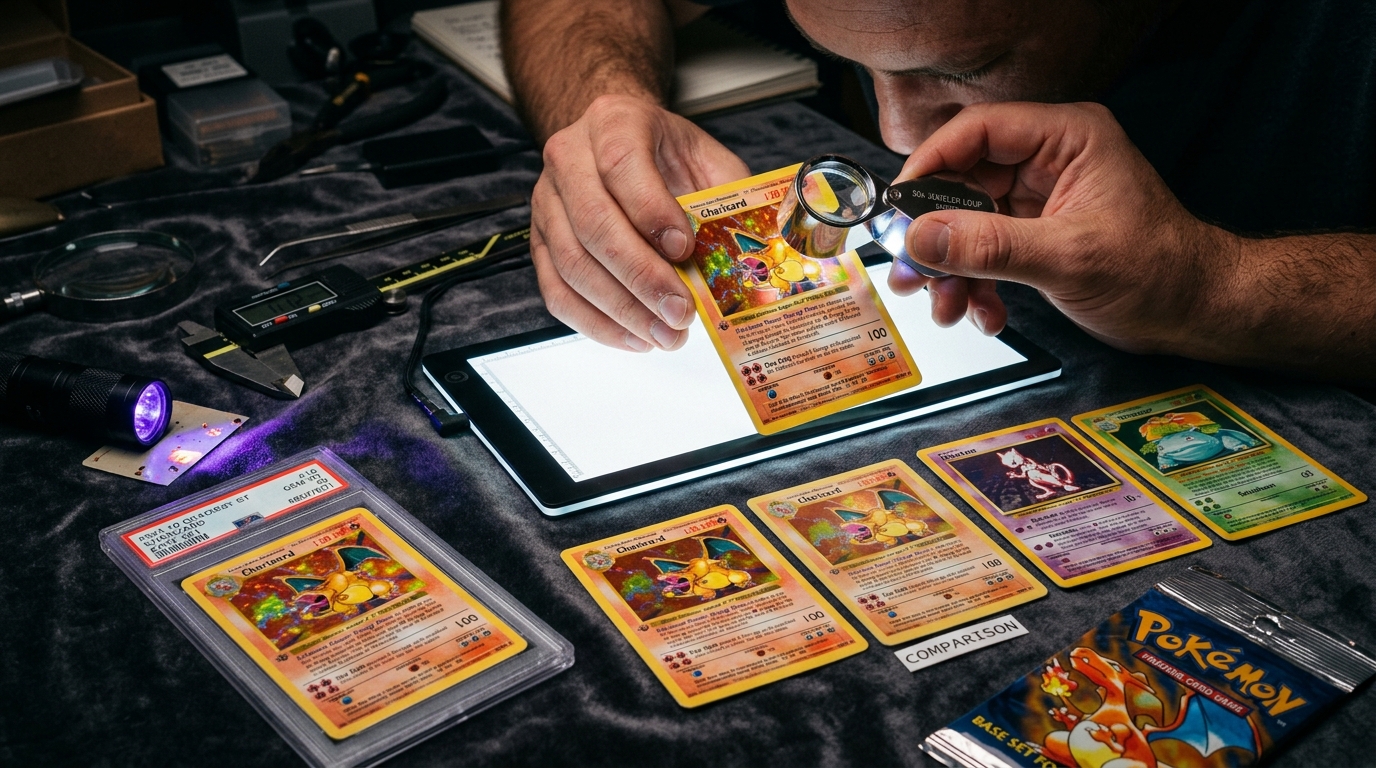
How to Spot Fake Pokemon Cards: 2026 Authentication Guide
Counterfeit Pokémon cards have reached new levels of sophistication in 2026, with fake Chaos Rising Mega Evolution ex cards, replica PSA slabs, and counterfeit sealed booster boxes flooding the market. This comprehensive 10-step authentication guide teaches collectors how to spot fakes using the lig
Pokemon Price Tracker
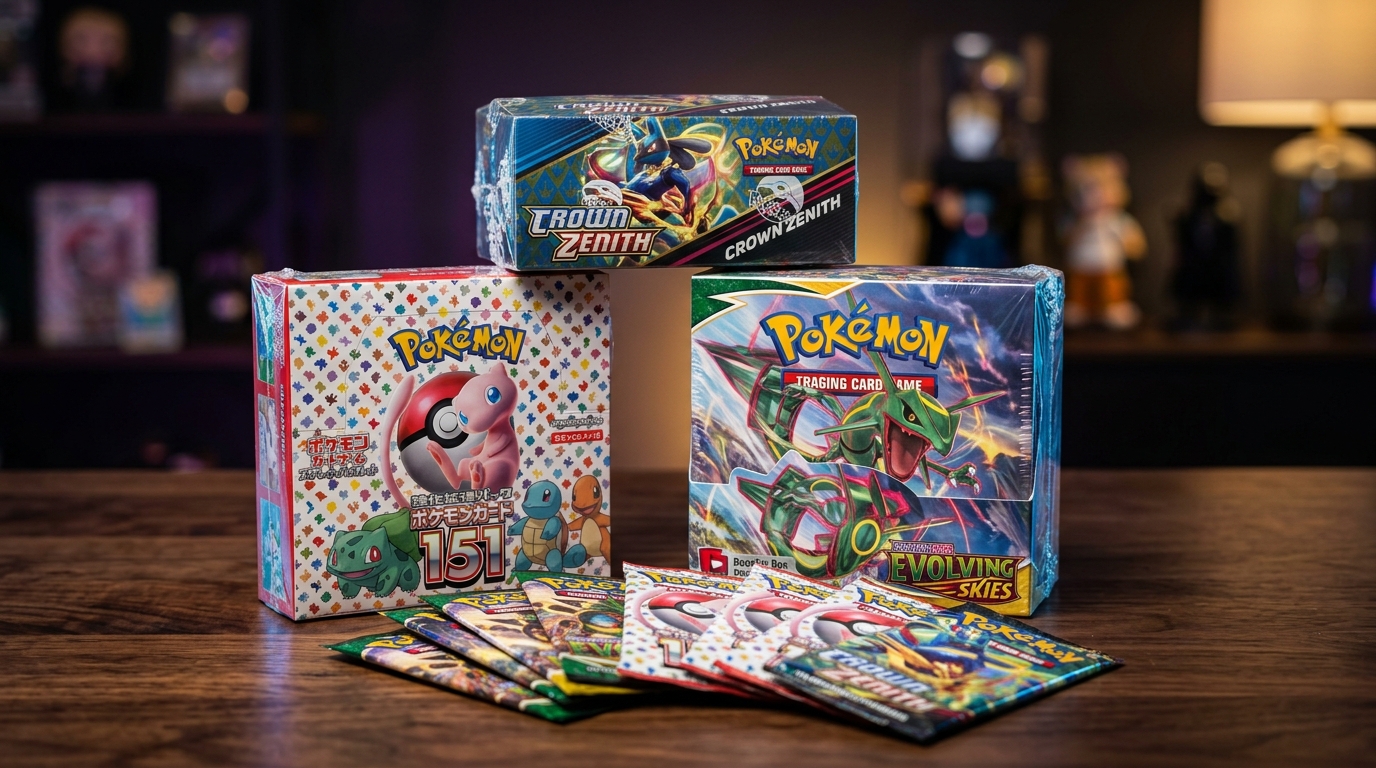
Best Pokemon Booster Boxes to Buy and Hold in 2026
From Evolving Skies to Japanese Pokemon 151, discover the best Pokemon booster boxes to buy and hold in 2026. Data-driven picks, portfolio strategy, and key metrics to watch for long-term sealed investors.
Pokemon Price Tracker
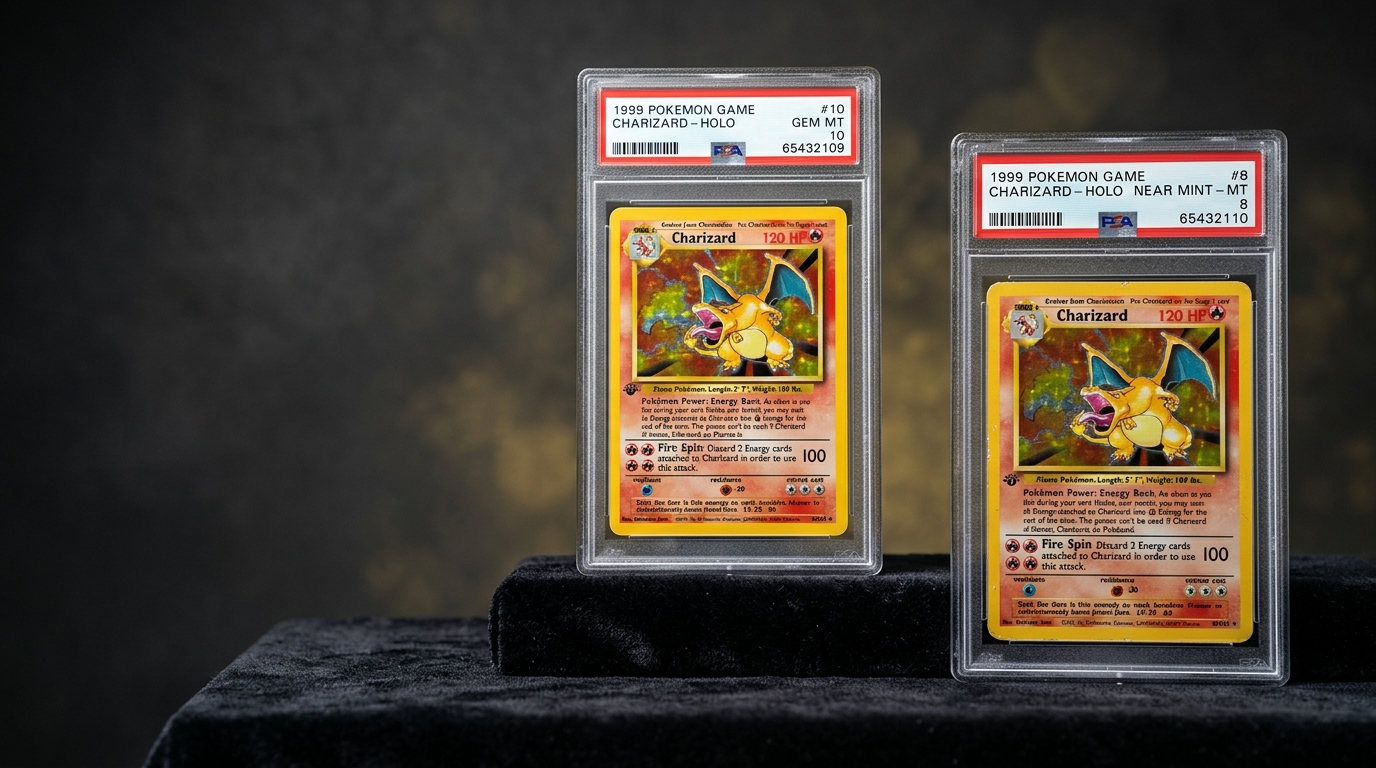
PSA 10 vs PSA 9: 2026 Price Gap Analysis & ROI Data
PSA 10s command 3x to 20x more than PSA 9s in 2026, but the gap varies wildly by card and era. We break down real sales data, ROI frameworks, and when grading actually makes financial sense.
Pokemon Price Tracker
Stay Updated
Subscribe to our newsletter for the latest Pokemon card market trends, investment opportunities, and exclusive insights delivered straight to your inbox.