When to Sell Pokemon Cards: Strategic Timing Guide 2026
Pokemon Price Tracker
When to Sell Pokemon Cards: Strategic Timing Guide 2026
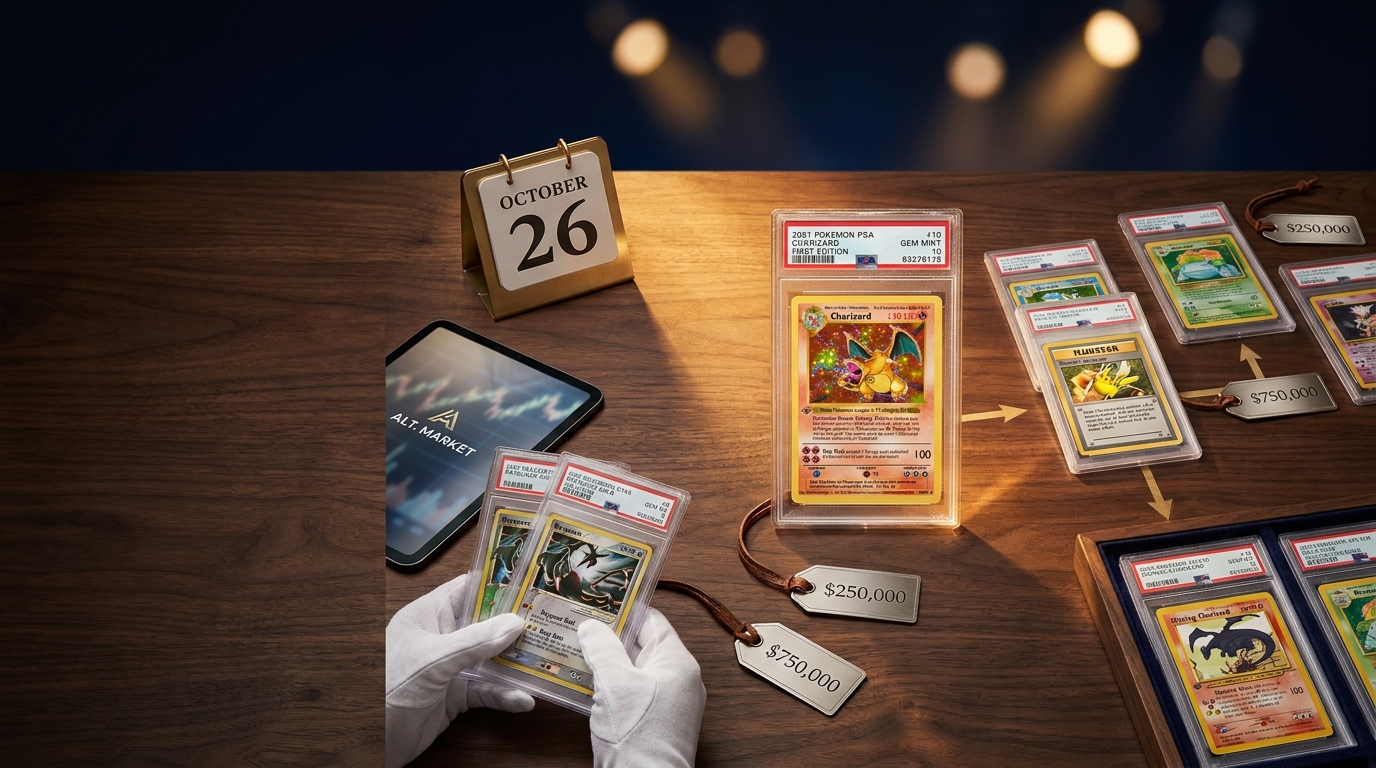
Timing can make the difference between a modest return and a substantial profit when selling Pokemon cards. With the Pokemon 30th anniversary driving unprecedented market momentum in 2026, understanding when to sell has never been more critical. Whether you're holding vintage treasures, modern chase cards, or graded slabs, this comprehensive guide will help you identify the optimal selling windows and avoid costly timing mistakes.
Understanding the 2026 Pokemon Card Market
The Pokemon card market in 2026 presents a fascinating bifurcated trend. While vintage cards and high-grade specimens continue appreciating—with some vintage sealed products projected to gain 15-25% throughout the year—modern mid-tier cards are experiencing 20-30% price corrections as supply catches up with demand.
Historically, Pokemon cards have demonstrated remarkable investment performance, outperforming the S&P 500 by 521% with a cumulative 6,208% increase since 2004 according to Card Ladder's index. However, this doesn't mean every card appreciates equally, and timing remains crucial for maximizing returns.
Note: Past performance does not guarantee future results. Always do your own research before making investment decisions.
The 5 Best Times to Sell Pokemon Cards
1. During Hype Cycles and Set Releases
New set releases create ripple effects throughout the secondary market. When a new set features a popular Pokemon or mechanic, related cards from older sets often experience sudden demand spikes.
Why this works:
- Renewed interest in specific Pokemon drives collectors to complete their collections
- Players seek older versions with different artwork or abilities
- FOMO (fear of missing out) pushes buyers to act quickly
2026 Release Calendar:
- January 30: Ascended Heroes created immediate hype
- March 27: Perfect Order release
- May 22: Chaos Rising launch
- July: Mid-year major release expected
Action strategy: Monitor pre-release spoilers and identify which of your cards might benefit from renewed interest. List these cards 1-2 weeks after the new set drops when hype peaks but before market saturation occurs.
2. Tournament Season and Meta Shifts
Competitive Pokemon TCG drives significant demand for specific cards. When a card becomes "meta-relevant"—essential for competitive play—prices can spike dramatically within days.
Key tournament periods in 2026:
- Regional Championships (February-April)
- International Championships (May-August)
- World Championships (August)
Cards that define the competitive meta can see 50-200% price increases during peak tournament seasons. However, these spikes are often temporary, making timing critical.
Selling strategy:
- Monitor tournament results and winning decklists
- Sell competitive cards during the 2-3 week window after they prove successful
- Avoid holding through format rotations if cards lose competitive relevance
3. The 30th Anniversary Window (Throughout 2026)
Pokemon's 30th anniversary on February 27, 2026, has created extraordinary market momentum. Nostalgia-driven purchases have increased certain segments by 116% year-over-year, and this sentiment continues throughout 2026.
Cards benefiting most from anniversary nostalgia:
- Original Base Set cards (especially 1st Edition and Shadowless)
- Vintage Japanese promotional cards
- Cards featuring original 151 Pokemon
- Milestone cards from each generation
Timing consideration: The anniversary effect typically peaks during the actual anniversary month (February) and maintains elevated interest through summer 2026. However, by late 2026, some of this nostalgia premium may normalize.
4. Pre-Rotation Selling Window
The Standard format rotation on April 10, 2026 marks a critical selling opportunity. Cards rotating out of Standard—specifically G-regulation sets including SV 151 and Paldea Evolved—often see a collector premium spike.
Why pre-rotation matters:
- Cards become less likely to receive reprints once rotated
- Collectors rush to acquire cards before they become "vintage"
- Competitive players liquidate cards they no longer need
- Scarcity perception increases value
Optimal timing: Sell playable cards from rotating sets 2-4 weeks before rotation. This captures both competitive players making final acquisitions and collectors anticipating future scarcity.
5. Following High-Profile Sales Events
Major Pokemon card sales create market-wide momentum. Logan Paul's $16.5 million Pikachu Illustrator purchase in February 2026 exemplifies how headline-grabbing sales trigger FOMO buying across all market segments.
Post-event selling window: The 2-6 weeks following major sales events represent optimal selling periods as:
- Media coverage brings new buyers to the market
- Existing collectors feel validated in their holdings
- Price expectations rise across similar cards
- Market liquidity increases
When NOT to Sell Pokemon Cards
Avoid Selling During Reprint Announcements
Reprint announcements can instantly deflate card values, particularly for modern cards. When Pokemon Company announces a card will be reprinted in an upcoming set, prices typically drop 30-60% within days.
Protection strategy:
- Diversify holdings across eras (vintage cards rarely get reprinted)
- Monitor Pokemon Company announcements and leaks
- Sell modern chase cards before reprint rumors gain traction
Post-Hype Crash Periods
Every hype cycle experiences a correction phase, typically 2-4 weeks after peak excitement. During these periods:
- Supply floods the market as early sellers cash out
- Buyer enthusiasm wanes
- Prices correct 20-40% from peak levels
Example: Cards from Ascended Heroes that spiked in early February 2026 saw corrections by late February as initial excitement normalized.
Economic Uncertainty and Recession Indicators
Pokemon cards are discretionary purchases. During economic downturns:
- Buyer demand contracts significantly
- Liquidity decreases (fewer active buyers)
- Prices compress, especially for mid-tier cards
- Only the rarest, most desirable cards maintain value
Market indicators to watch:
- Consumer confidence indices
- Discretionary spending reports
- Collectibles market volume trends
Immediately After Grading Backlog Clearances
When major grading companies (PSA, CGC, BGS) clear backlogs, newly graded cards flood the market. This temporarily suppresses prices due to increased supply, particularly for PSA 10 copies of modern cards.
Timing adjustment: If you're planning to sell graded cards, monitor grading company turnaround times. Avoid selling during periods when large submission batches are being returned.
Card-Specific Timing Strategies
Vintage Cards (Pre-2003)
Best selling times:
- Anniversary periods (2026 is exceptional)
- After high-profile vintage card sales
- During vintage card showcase events
- When specific Pokemon receive new attention (new games, movies)
Considerations: Vintage cards generally appreciate long-term. Unless you need liquidity or believe you're at a local price peak, holding vintage cards often proves advantageous.
Modern Chase Cards (2020-Present)
Best selling times:
- Within 3-6 months of release during initial hype
- Before reprint announcements
- During competitive relevance windows
Risk factors: Modern cards face significant reprint risk. The market has seen numerous modern cards lose 60-80% of value following reprints or special collections.
Strategy: For modern cards, taking profits during hype cycles often outperforms long-term holding.
Graded Cards (PSA/CGC/BGS)
Graded cards require special timing considerations:
Optimal selling periods:
- When raw card prices spike (graded premiums expand)
- During population report gaps (when few high-grade copies exist)
- After major grading company announcements that increase grading costs
Population dynamics: Cards with low PSA 10 populations (under 100 copies) maintain premiums better than heavily graded cards. Check population data before determining your selling timeline.
Japanese Cards
Japanese cards follow different timing patterns:
Best selling times:
- When exchange rates favor international buyers
- During Japanese set anniversaries
- When English versions are announced (creates scarcity perception)
- After major Japanese card sales make headlines
Market note: Japanese vintage cards have shown exceptional stability in 2026, with certain promotional cards appreciating 40-60% year-over-year.
Seasonal Selling Patterns
Q1 (January-March): Peak Selling Season
The first quarter represents the strongest selling period for Pokemon cards:
- Tax refunds provide buyer liquidity
- New Year collecting resolutions drive purchases
- Pokemon Day (February 27) creates anniversary momentum
- Regional Championships increase competitive demand
2026 specific: The 30th anniversary makes Q1 2026 exceptionally strong.
Q2 (April-June): Rotation and Summer Prep
- April rotation creates pre-rotation selling opportunities
- Spring Regional Championships maintain competitive demand
- Summer vacation planning may reduce discretionary spending
Q3 (July-September): Back-to-School Volatility
- Major summer set releases create hype cycles
- World Championships (August) drive competitive card demand
- Back-to-school expenses may reduce collector spending
- Fall set anticipation begins building
Q4 (October-December): Holiday Considerations
- Holiday shopping increases sealed product demand
- Singles market can soften as buyers focus on sealed products
- End-of-year tax considerations for serious investors
- January selling often outperforms December
Strategy: Consider holding through December to capture January's stronger market unless you need year-end liquidity.
Platform-Specific Timing
eBay Timing Strategies
Best listing times:
- End auctions Sunday evenings (7-9 PM EST) for maximum bidder activity
- List during the first week of the month (post-paycheck timing)
- Avoid major holidays when buyer attention is elsewhere
Auction vs. Buy It Now:
- Use auctions for rare cards during high-demand periods
- Use Buy It Now for common cards or during slow markets
TCGPlayer and Card Market
Timing considerations:
- Competitive players shop heavily Monday-Wednesday
- Weekend listings capture casual collector traffic
- Price competitively during high-supply periods
- Premium pricing works during scarcity windows
Social Media and Discord Sales
Optimal timing:
- Post during evening hours (6-10 PM) for maximum visibility
- Wednesday-Friday sees highest engagement
- Avoid Monday mornings and late Sunday nights
Advanced Timing Indicators
Market Sentiment Tracking
Monitor these indicators for timing signals:
Bullish indicators (good selling conditions):
- Increasing sold listing volumes
- Rising average sale prices
- Growing social media discussion
- New buyers entering the market
- Decreasing available inventory
Bearish indicators (consider holding):
- Declining sold volumes
- Increasing unsold listings
- Price undercutting trends
- Negative sentiment in collector communities
Price Velocity Analysis
Track how quickly cards sell at current prices:
- Cards selling within 24 hours indicate underpricing or high demand
- Listings sitting for weeks suggest overpricing or weak demand
- Adjust timing and pricing based on velocity data
Comparative Set Analysis
Analyze similar cards from comparable sets:
- How did similar cards from previous sets perform at this stage?
- What was their price trajectory 6-12 months post-release?
- Are current prices above or below historical comparisons?
Building Your Selling Timeline
Step 1: Inventory Assessment
Categorize your cards:
- Tier 1: High-value cards ($500+) requiring strategic timing
- Tier 2: Mid-value cards ($50-500) with moderate timing sensitivity
- Tier 3: Bulk/low-value cards where timing matters less
Step 2: Set Timing Goals
For each tier, establish:
- Minimum acceptable price: Won't sell below this
- Target price: Ideal selling price
- Timeline flexibility: How long can you wait?
Step 3: Create Alert Systems
Set up monitoring for:
- Price movements on comparable cards
- Upcoming set releases and rotation dates
- Tournament results and meta shifts
- Reprint announcements
Step 4: Execute with Discipline
Avoid emotional decisions:
- Stick to predetermined price targets
- Don't panic sell during temporary dips
- Take profits when targets are reached
- Reassess strategy quarterly
Tax Timing Considerations
For serious sellers, tax implications affect timing:
Capital gains timing:
- Hold cards over one year for long-term capital gains rates
- Consider year-end vs. early-year sales for tax planning
- Document acquisition dates and costs
Consult with tax professionals about:
- Hobby vs. business classification
- Deductible expenses
- Estimated tax payment requirements
Common Timing Mistakes to Avoid
Mistake 1: Selling Too Early in Hype Cycles
Many sellers panic-list cards at the first sign of price increases, missing the peak by weeks.
Solution: Wait for price stabilization at elevated levels before listing. Hype peaks typically occur 1-3 weeks after initial spikes.
Mistake 2: Holding Through Obvious Peaks
Greed prevents sellers from taking profits at clear market tops.
Solution: Set profit targets in advance and execute when reached. You can't perfectly time the absolute peak.
Mistake 3: Ignoring Market Cycles
Failing to recognize that Pokemon cards follow predictable seasonal and release-driven cycles.
Solution: Study historical price patterns for similar cards and anticipate cyclical movements.
Mistake 4: Emotional Attachment
Personal attachment to cards clouds timing judgment.
Solution: Separate collection cards from investment cards. Apply business logic to investment holdings.
Mistake 5: Following Herd Mentality
Selling only because others are selling, or buying back because prices are rising.
Solution: Base decisions on your research and predetermined strategy, not crowd behavior.
2026-Specific Timing Opportunities
30th Anniversary Extended Window
The anniversary effect extends throughout 2026:
- Peak period: February-May 2026
- Sustained elevation: June-September 2026
- Normalization: Q4 2026
Cards to prioritize: Original 151 Pokemon, milestone cards from each generation, vintage promotional items.
April Rotation Opportunity
The April 10, 2026 rotation creates a narrow selling window:
- Optimal period: March 15 - April 5
- Target cards: Competitive cards from SV 151, Paldea Evolved
- Strategy: List 2-3 weeks before rotation
Summer Championship Season
World Championships in August 2026:
- Pre-event period: July competitive card demand peaks
- Post-event period: Winning deck cards spike immediately after
- Duration: 1-2 week selling window post-event
Conclusion: Mastering Pokemon Card Timing
Successful Pokemon card selling requires balancing multiple timing factors: market cycles, seasonal patterns, competitive meta shifts, and broader economic conditions. In 2026, the 30th anniversary creates exceptional opportunities, but also requires careful navigation to avoid post-hype corrections.
Key takeaways for timing your sales:
- Sell during hype peaks: New releases, tournament wins, and anniversary periods create optimal selling windows
- Avoid reprint periods: Modern card values crater following reprint announcements
- Leverage rotation timing: The April 2026 rotation offers a specific opportunity window
- Monitor market indicators: Track sold volumes, price velocity, and sentiment
- Differentiate by card type: Vintage, modern, and graded cards require different timing strategies
- Plan for seasonality: Q1 and Q4 typically offer stronger selling conditions
- Set targets and execute: Predetermined profit targets prevent emotional mistakes
The Pokemon card market in 2026 offers unprecedented opportunities for sellers who time their exits strategically. Whether you're liquidating a collection, taking profits on investments, or upgrading to higher-grade copies, understanding these timing principles will help maximize your returns.
Remember: perfect timing is impossible, but informed timing is achievable. Focus on identifying favorable windows, setting realistic targets, and executing with discipline.
Note: Past performance does not guarantee future results. Always do your own research before making investment decisions.
Tags:
Pokemon Price Tracker
Market Analyst
Related Articles
Best Pokemon Booster Boxes to Buy and Hold in 2026
From Evolving Skies to Japanese Pokemon 151, discover the best Pokemon booster boxes to buy and hold in 2026. Data-driven picks, portfolio strategy, and key metrics to watch for long-term sealed investors.
Pokemon Price Tracker
PSA 10 vs PSA 9: 2026 Price Gap Analysis & ROI Data
PSA 10s command 3x to 20x more than PSA 9s in 2026, but the gap varies wildly by card and era. We break down real sales data, ROI frameworks, and when grading actually makes financial sense.
Pokemon Price Tracker
Japanese vs English Pokemon Cards: Which Holds Value in 2026?
The Japanese vs English Pokemon card debate has fundamentally shifted in 2026. Japanese PSA 10s now command 20-40% premiums over English equivalents, while raw English cards still cost 2x-6x more. Here's how to navigate both markets strategically.
Pokemon Price Tracker
Stay Updated
Subscribe to our newsletter for the latest Pokemon card market trends, investment opportunities, and exclusive insights delivered straight to your inbox.