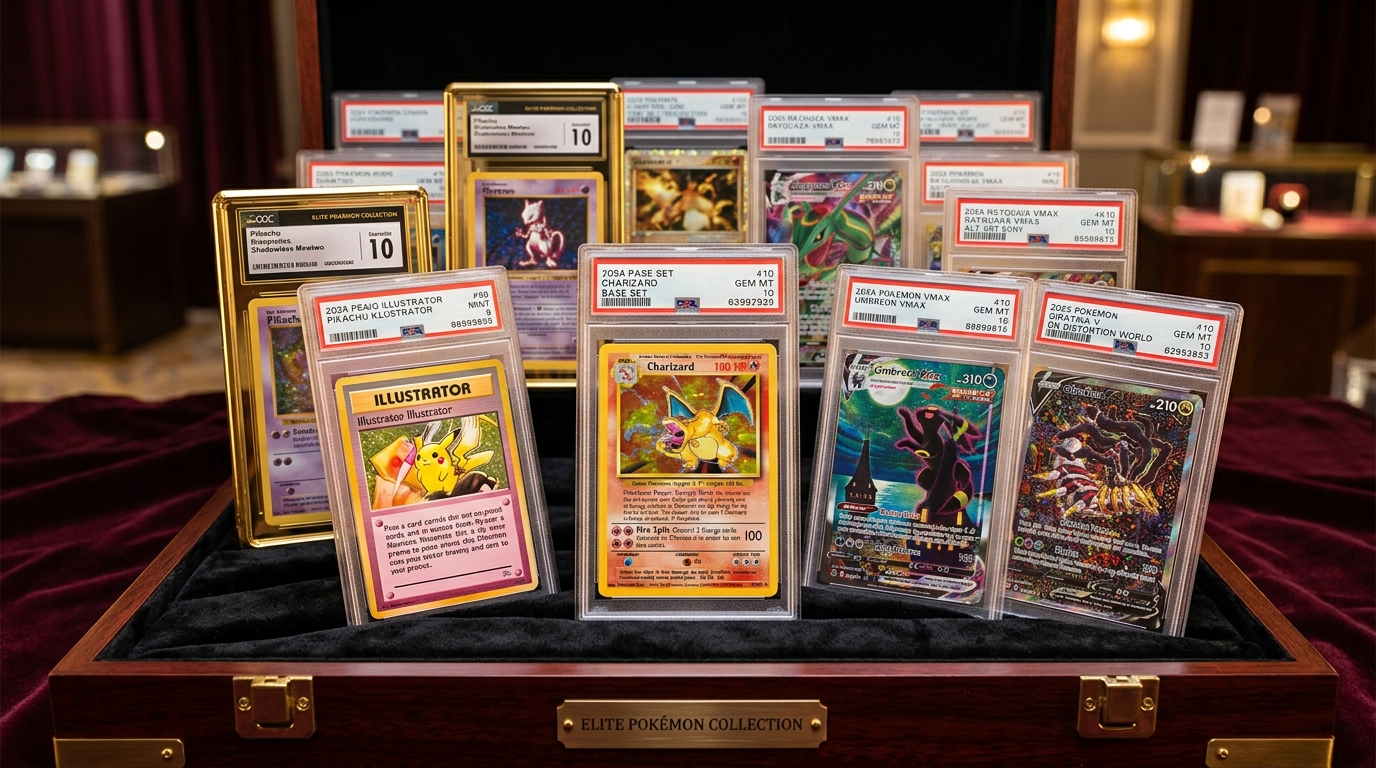
The Pokemon TCG market in 2026 is in the middle of one of the most remarkable bull runs in collectibles history. Fueled by the franchise's 30th anniversary, record-shattering auction results, and unprecedented global demand, Pokemon cards have officially gone from nostalgic childhood collectibles to serious alternative assets.
In February 2026, a PSA 10 Pikachu Illustrator sold for a jaw-dropping $16.49 million at Goldin — making it the most expensive trading card ever sold. Meanwhile, the Card Ladder Pokémon Index has climbed 116% over the past 12 months, and average Pokemon card prices rose 46% year-over-year heading into 2026. The total Pokemon TCG market reached an estimated $2.7 billion in annual sales as of March 2026.
But here's the catch: this is a two-speed market. The top 5% of cards are appreciating rapidly (8–15% YoY for premium grades), while the bottom 60% continues to bleed value (down 15–30%). Picking the right cards matters more than ever.
This guide breaks down the top 10 Pokemon cards to buy in 2026, why they belong in a serious portfolio, and how to approach each one strategically.
Note: Past performance does not guarantee future results. Always do your own research before making investment decisions.
Before diving into the picks, understanding the current climate is critical.
Key 2026 Market Trends
- 30th Anniversary Hype: Pokemon's 30th anniversary has driven both nostalgia-fueled demand and premium anniversary product releases.
- Record Auction Results: The $16.49M Pikachu Illustrator, a $504,000 1st Edition Base Charizard, and new Gold Star records (Mew $192K, Umbreon $168K) have reset ceilings.
- Grade Premium Is Widening: PSA 10s are commanding 3–10x the price of PSA 9s on top-tier cards.
- Japanese Market Split: Vintage WOTC-era Japanese cards are rallying, while modern Japanese commons are stagnating.
- Sealed Product Boom: Vintage sealed boxes continue to outperform most singles.
For live price action, you can always track specific cards and sets on Pokemon Price Tracker and view price history charts to see trend confirmation before buying.
Investment Philosophy for 2026
The cards that are winning in 2026 share three traits:
- Scarcity — Low population reports, especially in high grades.
- Iconic status — Characters, artists, or sets with cultural significance.
- Condition sensitivity — Cards where a PSA 10 trades at a massive premium.
With that framework in mind, here are the top 10 cards worth adding to a Pokemon portfolio in 2026.
Set: Base Set (1999)
Current Range: PSA 9: $25,000–$40,000 | PSA 10: $400,000–$550,000+
The Mona Lisa of Pokemon cards. A 1st Edition Base Set Charizard in PSA 10 hit a record near $550,000 at Heritage Auctions in late 2025, and prices have continued climbing into 2026. Even PSA 8 copies regularly clear five figures.
Why It's a 2026 Buy
- Unmatched cultural significance and brand recognition
- Extremely low PSA 10 population relative to demand
- Universally acknowledged "blue chip" of Pokemon
Strategy
If a PSA 10 is out of reach, a PSA 8 or PSA 9 1st Edition Charizard still offers meaningful exposure. Even Shadowless (unlimited) Base Set Charizards have appreciated significantly and serve as an accessible entry point.
Set: Promo (1998)
Current Range: $500,000 (lower grades) to $16.49M (PSA 10)
The single most expensive trading card ever sold. Only 39 copies were ever distributed to winners of the 1998 CoroCoro Comic illustration contest. The February 2026 sale at Goldin cemented its status as the king of all trading cards.
Why It's a 2026 Buy
- Hard-capped supply (fewer than 25 PSA-graded copies exist)
- Each public sale sets a new all-time record
- Trophy asset among ultra-high-net-worth collectors
Strategy
Realistically, only accessible to institutional-level buyers. However, tracking its performance is a useful barometer for the top of the market.
Set: EX Deoxys (2005)
Current Range: PSA 9: $12,000–$18,000 | PSA 10: ~$48,000
Gold Star cards are among the most undervalued "semi-vintage" assets in 2026. Rayquaza is arguably the most iconic Gold Star given the Pokemon's enduring popularity and the clean holographic artwork.
Why It's a 2026 Buy
- Gold Star cards saw record sales in 2026 (Mew $192K, Umbreon $168K)
- Rayquaza's popularity has surged with recent game and anime appearances
- Low PSA 10 population creates meaningful scarcity
Strategy
Focus on PSA 9 copies as an accessible entry; PSA 10s offer upside but at a steep premium. Verify population counts via population data before buying.
Set: POP Series 5 (2007)
Current Range: Espeon PSA 10: ~$56,000 | Umbreon PSA 10: ~$18,000
These were only distributed to Pokemon Organized Play participants, making them extraordinarily rare. An Espeon Gold Star PSA 10 sold for ~$56,000 in April 2026, while Umbreon has stabilized around $18,000.
Why It's a 2026 Buy
- Extremely low population (fewer than 100 PSA 10s combined)
- Eeveelutions remain among the most beloved Pokemon
- Clear scarcity premium even in lower grades
Strategy
If PSA 10s are out of reach, PSA 9 Umbreon Gold Stars in the $7,000–$10,000 range offer solid exposure with meaningful upside.
Set: Neo Genesis (2000)
Current Range: PSA 9: $4,000–$7,000 | PSA 10: $35,000–$80,000+
Neo Genesis 1st Edition Lugia is notorious for its condition sensitivity — centering and print defects make PSA 10s extraordinarily rare. Despite being 25+ years old, it continues to post strong YoY appreciation.
Why It's a 2026 Buy
- One of the most condition-sensitive vintage cards in existence
- PSA 10 population remains under 100
- Lugia's iconic status rivals Charizard among second-generation fans
Strategy
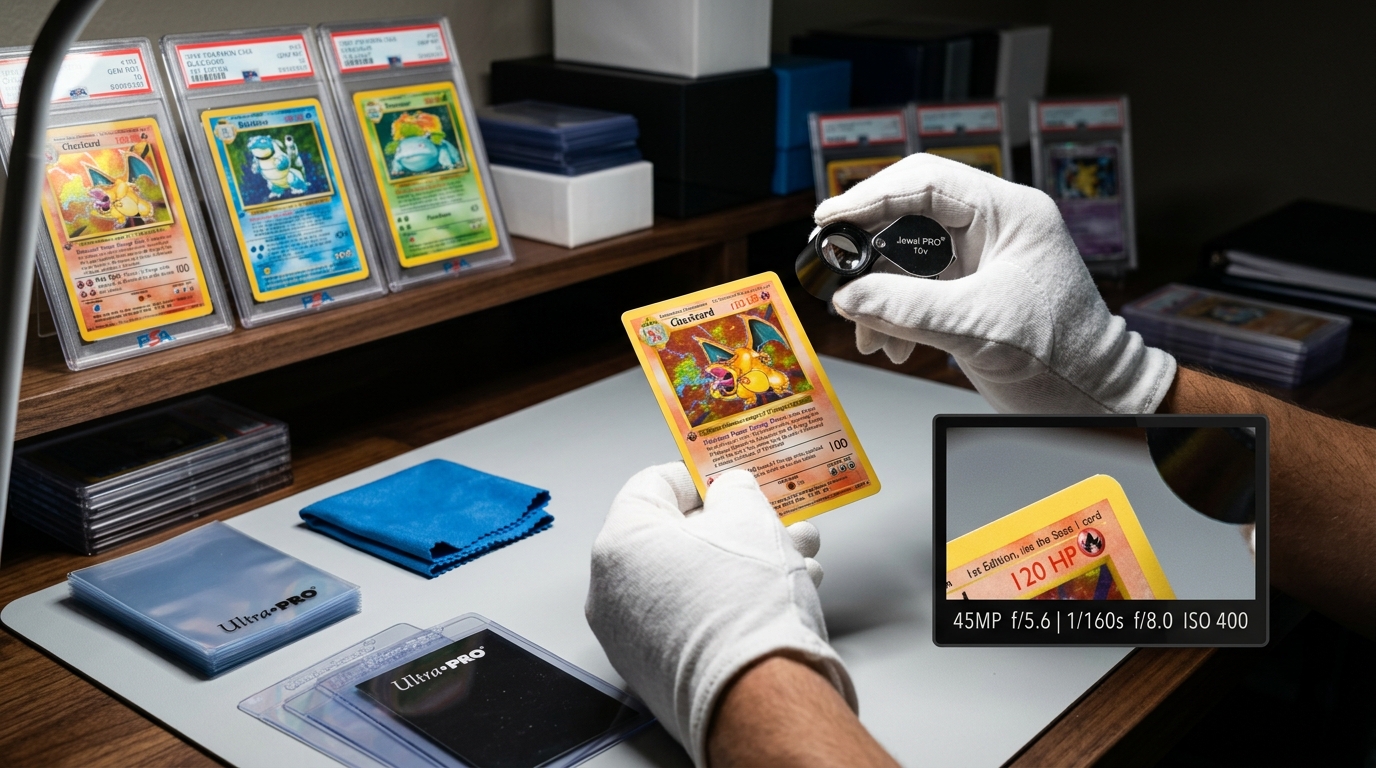
PSA 9 copies offer excellent risk/reward. Raw copies carry significant downside risk given centering issues — only buy raw if you understand grading.
Set: Various Trophy Promos (1997–2010)
Current Range: $25,000–$300,000+ depending on year and grade
Trophy Pikachu cards — including the No. 1/2/3 Trainer trophies — were awarded to top finishers at Pokemon tournaments. Populations are often in the single or double digits.
Why It's a 2026 Buy
- Lowest populations of virtually any Pokemon card category
- Direct beneficiary of the Pikachu Illustrator halo effect
- Each public sale sets new comp data
Strategy
Treat these as trophy assets. Liquidity is low, but ceilings continue to rise with each record sale.
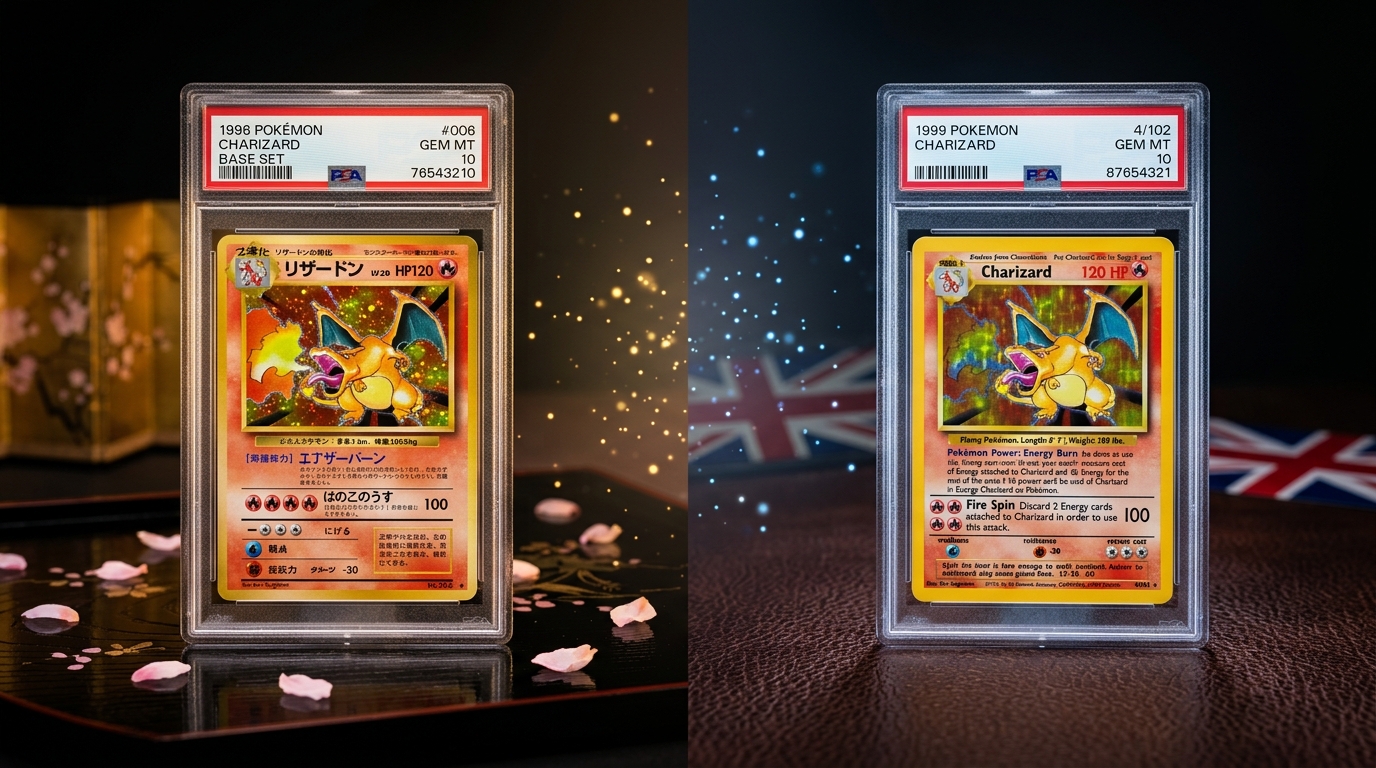
Set: Japanese Base Set "No Rarity" (1996)
Current Range: PSA 9: $20,000–$35,000 | PSA 10: $100,000+
Predating the English Base Set, Japanese No Rarity cards are the true "first printing" of Pokemon. The No Rarity Charizard is one of the most coveted vintage Japanese cards.
Why It's a 2026 Buy
- Historically significant as the earliest Pokemon print run
- Japanese WOTC-era vintage is one of the strongest segments in 2026
- Growing recognition in Western markets
Strategy
For investors interested in the Japanese market, start by exploring Japanese card prices to understand current comps. No Rarity Blastoise and Venusaur also offer compelling value.
Set: Neo Destiny (2002)
Current Range: PSA 9: $3,500–$5,500 | PSA 10: $25,000–$45,000
The original "Shining" chase card. First Edition Shining Charizard combines the most popular Pokemon with a scarce 1st Edition print and difficult centering — a trifecta for long-term appreciation.
Why It's a 2026 Buy
- Combines Charizard demand with scarcity premium
- Historically consistent appreciation across cycles
- PSA 10 population remains constrained
Strategy
PSA 9s offer the best balance of accessibility and upside. Watch for the significant PSA 9 to PSA 10 price gap — the Grading ROI Calculator can help determine whether submitting a raw copy is worth it.
Set: Various Scarlet & Violet sets (2023–2026)
Current Range: $200–$5,000 depending on card and grade
Not every pick needs to be vintage. Modern alt arts — particularly from premium Scarlet & Violet-era sets — have performed exceptionally well. Think special illustration rares featuring iconic Pokemon like Charizard, Umbreon, Pikachu, and Mew.
Why It's a 2026 Buy
- Lower entry costs with meaningful appreciation potential
- Alt arts have become the modern collector-grade benchmark
- Many cards have print-run limitations due to rotation
Strategy
Focus on alt arts of popular Pokemon from already-rotated sets. Avoid currently-printed chase cards until supply dries up. Review sealed product prices if you'd rather hold sealed boxes of these sets instead.
Set: Base Set, Jungle, Fossil, Team Rocket, Neo (1999–2001)
Current Range: $25,000 (Fossil) to $500,000+ (1st Ed Base)
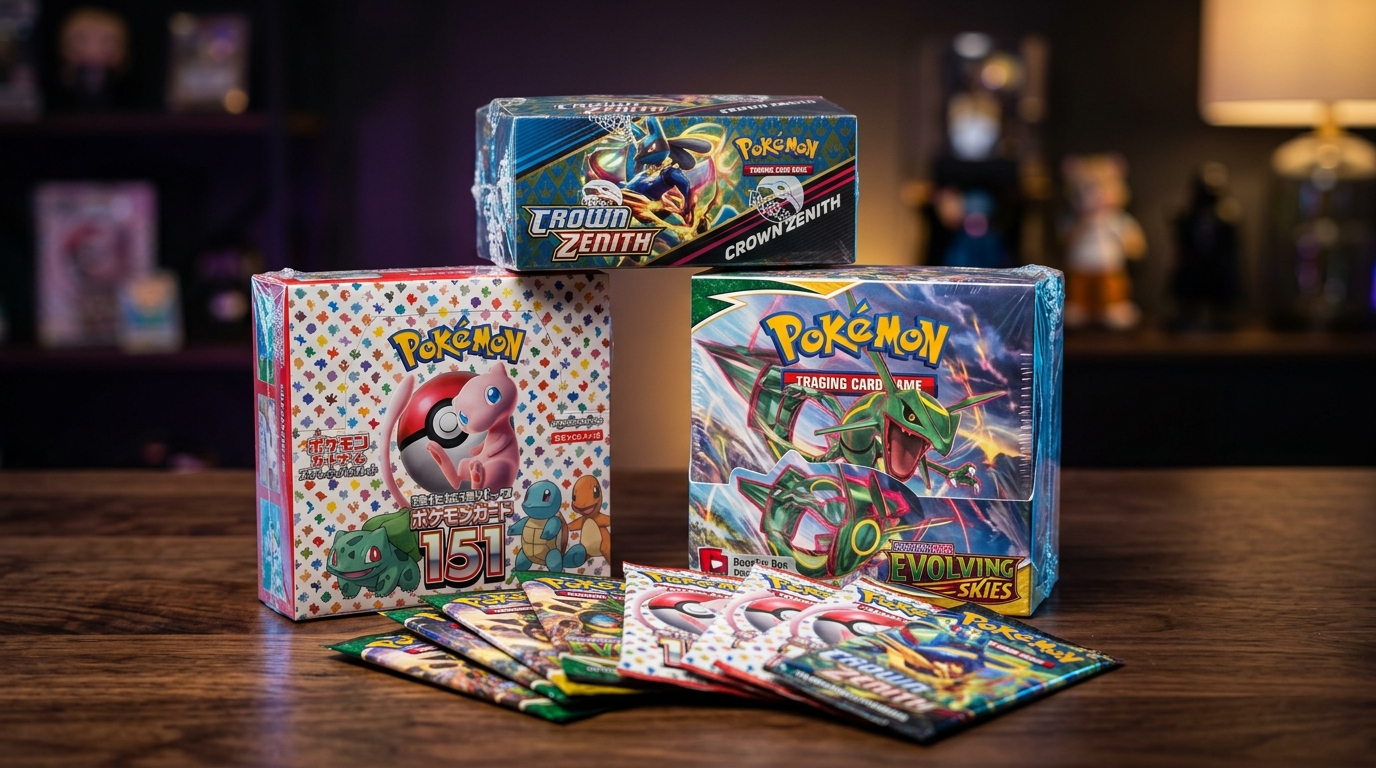
Technically not a "card," but no 2026 Pokemon portfolio is complete without sealed exposure. Vintage sealed WOTC booster boxes have been among the best-performing collectibles of the past decade.
Why It's a 2026 Buy
- Supply only decreases as boxes get opened or graded
- Benefits from both card and sealed collector demand
- Historically lower volatility than single cards
Strategy
If full WOTC boxes are out of reach, consider sealed packs or more accessible modern sealed products like anniversary ETBs. Use the EV Calculator to compare pack opening ROI versus holding sealed.
Rather than piling everything into a single card, serious collectors in 2026 are building diversified portfolios across tiers:
Suggested Allocation Framework
- 40% Blue Chips — 1st Edition Base Charizard, Gold Stars, Trophy cards
- 25% Vintage Mid-Tier — Neo Genesis Lugia, Shining Charizard, Japanese No Rarity
- 20% Sealed Product — Vintage booster boxes, modern anniversary ETBs
- 10% Modern Alt Arts — Chase cards from rotated Scarlet & Violet sets
- 5% Speculation — Trophy cards, obscure Japanese promos, long-tail bets
This structure provides exposure to both the stable high end and the higher-upside modern market.
Not every "hot" card is a good investment. Watch out for:
- Hyped modern cards still in print — Supply hasn't stabilized
- Low-tier commons and uncommons — Down 15–30% YoY in 2026
- Raw ungraded vintage with centering issues — Grading risk is real
- Reprinted classics — Celebrations-era reprints suppress originals
- Cards without PSA/CGC/BGS population data — No comps means no reliable valuation
- The 2026 Pokemon market is in a historic bull run, but gains are concentrated in the top 5% of cards.
- Blue chip vintage (1st Edition Charizard, Gold Stars, Trophy cards) continues to lead performance.
- Japanese WOTC-era vintage is one of the strongest growth segments and still undervalued relative to English equivalents.
- Condition is everything — the PSA 9 vs PSA 10 premium is widening, making grading decisions critical.
- Sealed product remains a lower-volatility way to gain Pokemon exposure.
- Avoid low-tier modern singles still in print and raw vintage with condition issues.
The cards on this list aren't guaranteed winners — but they share the structural characteristics (scarcity, iconic status, condition sensitivity) that have driven the strongest returns throughout Pokemon's collecting history.
Note: Past performance does not guarantee future results. Always do your own research before making investment decisions.
For live pricing, population data, and historical charts on any of the cards mentioned in this guide, visit Pokemon Price Tracker to run your own analysis before buying.