Pokemon Card Flipping Guide: Buy Low, Sell High in 2026
Pokemon Price Tracker
Pokemon Card Flipping Guide: Buy Low, Sell High in 2026
The Pokemon TCG market in 2026 is experiencing a renaissance driven by the franchise's 30th anniversary celebrations, yet the landscape for card flipping has fundamentally changed. While Pokemon cards have outperformed the S&P 500 by 3,821% versus 483% since 2004, the days of casual flippers making easy profits are largely over. Today's successful flippers combine market knowledge, strategic timing, and disciplined execution to identify genuine arbitrage opportunities in an increasingly sophisticated marketplace.
With Q1 2026 generating $450 million in card purchases and the Standard format rotation creating immediate price volatility, understanding how to navigate this complex market has never been more critical. This comprehensive guide reveals the strategies, timing windows, and specific opportunities that separate profitable flippers from those losing money in 2026's competitive environment.
Understanding the 2026 Pokemon Card Market
The Bifurcated Market Reality
The Pokemon TCG market has split into two distinct segments that require different flipping approaches:
Appreciating Assets:
- Vintage cards from Base Set through early ex-era sets
- Modern chase cards from popular sets (151, Crown Zenith)
- Limited edition anniversary products
- Tournament-winning deck staples
Declining Assets:
- Mid-tier modern cards from oversaturated releases
- Non-meta competitive cards post-rotation
- Mass-produced promotional cards
- Sealed products from unpopular sets
Successful flippers in 2026 focus exclusively on the appreciating segment while avoiding the value traps that plague inexperienced traders. The market correction that saw mid-tier modern cards drop 20-30% has created a clear divide: you must either flip high-demand items quickly or hold premium assets long-term.
The 30th Anniversary Effect
Pokemon's 30th anniversary (February 27, 2026) created sustained demand across multiple product categories:
- First Partner Illustration Collection (March 20, 2026): Nostalgia-driven product featuring starter Pokemon
- Anniversary tournament circuits: Increased competitive play driving meta card demand
- Collector renewed interest: Lapsed collectors returning to the hobby
- Media coverage: Mainstream attention bringing new buyers to the market
This anniversary momentum provides a 12-18 month window where flip opportunities are more abundant than typical years, but competition among flippers has intensified proportionally.
The Standard Rotation Opportunity Window
Critical Dates for 2026 Rotation
The Standard format rotation represents the single most predictable profit opportunity for informed flippers:
Rotation Timeline:
- March 26, 2026: Digital rotation on Pokemon TCG Live
- April 10, 2026: In-person tournament rotation
Sets Rotating Out:
- Scarlet & Violet Base Set
- Paldea Evolved
- Pokemon 151
- Obsidian Flames
- Paldean Fates
Rotation Flipping Strategy
Phase 1: Pre-Rotation Accumulation (January-February)
Identify cards with dual appeal:
- Competitive staples that will see short-term demand spikes before rotation
- Collector favorites that will appreciate long-term despite losing tournament legality
The 151 set exemplifies this perfectly. Booster boxes jumped $50+ within days of rotation announcements as collectors recognized this would be the last chance to open packs before supply tightened.
Phase 2: Rotation Week Volatility (March 26-April 10)
This two-week window between digital and physical rotation creates maximum price volatility:
- Competitive players liquidate rotating staples (20-40% price drops)
- Collectors begin accumulating before prices stabilize
- Sealed product sees immediate appreciation as opening for singles becomes less attractive
Flip Strategy: Buy competitive staples during the panic sell-off (late March), hold for 2-4 weeks as collectors stabilize prices, then sell into the recovery.
Phase 3: Post-Rotation Collector Market (May onwards)
Rotated sets transition to pure collector items:
- Chase cards from popular sets (151 Charizard ex, Umbreon ex) resume appreciation
- Sealed products become scarce as distributors focus on new releases
- Nostalgia premium begins building for recent-but-unavailable products
Short-Term Flipping Strategies
Tournament Result Arbitrage
Competitive tournament results create immediate 24-72 hour flip windows:
The Seattle Regionals Example (February 27-March 1, 2026):
- Mega Evolution ex cards surged 20-25% within 72 hours of tournament results
- Winners' deck lists published Sunday evening
- Price spike Monday-Tuesday
- Prices stabilized by Wednesday
Execution Strategy:
- Monitor major tournaments: Regional Championships, International Championships, World Championships
- Track live results: Twitter/X, tournament streams, Pokemon TCG coverage sites
- Identify winning archetypes: Focus on unexpected deck choices, not established meta
- Buy immediately: Sunday evening through Monday morning before casual market reacts
- List aggressively: Tuesday-Wednesday at peak prices
- Exit completely: By Thursday as market stabilizes
Target Tournaments in 2026:
- Regional Championships (monthly)
- EUIC (European International Championships)
- NAIC (North American International Championships)
- World Championships (August 2026)
Prerelease and Early Release Flips
Prerelease weekends offer 7-10 day flip windows before wide release:
Perfect Order Prerelease Example:
- Barbaracle ex promo: £35-70 range during prerelease weekend
- 100%+ profit potential for early sellers
- Prices crashed to £20-25 after wide release
Execution Strategy:
- Attend multiple prerelease events: Friday evening, Saturday, Sunday
- Focus on promo cards: These have the most volatile early pricing
- List immediately: Friday evening or Saturday morning
- Price aggressively: Undercutting competition matters more than maximizing per-card profit
- Exit by Tuesday: Before Thursday wide release crashes prices
2026 Prerelease Calendar:
- Chaos Rising: May 16-18 (before May 22 release)
- Summer 2026 set: July prerelease dates TBA
- Fall 2026 set: September prerelease dates TBA
Restock Wave Flipping
Limited print runs and regional allocation create restock arbitrage opportunities:
Perfect Order ETB Example:
- Pokemon Center EU sold out in hours
- Secondary market prices jumped 35% immediately
- Restocks announced for 2-3 weeks later
- Price premium sustained until restock
Execution Strategy:
- Monitor retailer stock alerts: Pokemon Center, Target, GameStop, local game stores
- Buy at MSRP during restocks: Focus on high-demand sealed products
- List 10-15% above MSRP immediately: Quick turnover beats holding for maximum profit
- Sell before next restock: Monitor Pokemon Center announcements
High-Demand Products in 2026:
- Elite Trainer Boxes from popular sets
- Special collection boxes with exclusive promos
- Booster bundles from 151, Crown Zenith, Ascended Heroes
- First Partner Illustration Collection products
Medium-Term Flipping Strategies (1-6 Months)
Sealed Product Appreciation
Sealed products follow predictable appreciation curves:
Typical Timeline:
- Months 0-3: Below or at MSRP as retailers clear inventory
- Months 4-8: 10-25% appreciation as supply tightens
- Months 9-18: 25-50% appreciation as set becomes "vintage"
- Years 2+: Exponential growth for popular sets
2026 Target Sets for Medium-Term Holds:
- Pokemon 151 Booster Boxes: Already appreciating post-rotation, 6-month hold targets 40-60% gains
- Ascended Heroes ETBs: Largest set ever with Mega Evolution nostalgia, 3-4 month hold
- Perfect Order sealed: Smaller set with Mega Zygarde chase card, 4-6 month hold
- First Partner Collection: Anniversary product with built-in nostalgia, 6-12 month hold
Execution Strategy:
- Buy during initial release glut: Months 1-2 when retailers discount to move inventory
- Store properly: Climate-controlled, away from sunlight, original shipping boxes when possible
- Monitor supply: When major retailers go out of stock, list 20-30% above your cost
- Scale out: Sell 50% at first target, hold remaining 50% for extended appreciation
Meta Prediction Plays
Anticipating format changes creates 2-4 month flip opportunities:
Factors Driving Meta Shifts:
- New set releases introducing powerful mechanics
- Rotation removing key counters to existing strategies
- Tournament results revealing undervalued strategies
- Pokemon TCG Live balance changes
Chaos Rising Meta Predictions (May 2026):
- Mega Greninja ex expected to be format-defining
- Water-type support cards likely to spike
- Counter-meta cards (Grass, Electric types) secondary targets
Execution Strategy:
- Research Japanese releases: English sets lag 3-4 months, providing preview of powerful cards
- Identify synergy cards: Not just the chase card, but supporting cast
- Accumulate 4-8 weeks before English release: Before hype builds
- Sell into release week hype: Peak prices occur before wide availability
- Exit before reality sets in: Actual meta may differ from predictions
Long-Term Flipping Strategies (6+ Months)
Graded Card Arbitrage
Grading creates value through authentication and preservation, but timing is critical:
The Grading Calculation:
- Card raw price: $X
- Grading cost (PSA/CGC/BGS): $25-100 depending on service level
- Expected grade: PSA 9 vs PSA 10 pricing differs dramatically
- Grading time: 2-6 months depending on service tier
- Market risk: Prices may decline during grading period
Profitable Grading Candidates in 2026:
- Modern chase cards: 151 Charizard ex, Umbreon ex, Eeveelutions
- Vintage raw cards: Base Set holos, early ex-era cards
- Tournament promos: World Championship cards, Regional promos
- Japanese exclusive cards: High-rarity Japanese pulls
Execution Strategy:
- Buy near-mint raw cards: Focus on cards where PSA 10 premiums are 3x+ raw prices
- Inspect carefully: Centering, edges, corners, surface - one flaw kills PSA 10 hopes
- Submit during promotional periods: PSA and CGC offer reduced rates periodically
- Sell immediately upon return: Graded card market moves quickly
When NOT to Grade:
- Card raw value under $50 (grading cost too high relative to upside)
- Visible flaws that guarantee PSA 9 or lower
- Rapidly declining market (you'll lose money during grading period)
- Common cards even in perfect condition
Finding Undervalued Cards: Research Strategies
Market Research Tools
Price Tracking:
- Monitor sold listings, not asking prices
- Track 7-day, 30-day, and 90-day trends
- Compare across platforms (eBay, TCGPlayer, CardMarket)
- PokemonPriceTracker.com provides comprehensive historical data
Supply Analysis:
- Check population reports for graded cards
- Monitor sealed product availability across retailers
- Track print run information from Pokemon Company announcements
- Observe listing velocity (how quickly cards sell)
Demand Signals:
- Tournament deck lists and results
- Social media discussion volume
- YouTube and streaming content featuring specific cards
- Japanese market trends (leading indicator for English market)
The Arbitrage Opportunity Matrix
Successful flips exist at the intersection of:
- Low current supply (temporarily out of stock, between print runs)
- Rising demand (tournament results, content creator features, set rotation)
- Information asymmetry (you know something the market hasn't priced in yet)
Example: 151 Rotation Play
- Low supply: Set rotating out of Standard, no more print runs
- Rising demand: Collectors want iconic Pokemon before scarcity hits
- Information asymmetry: Casual market didn't anticipate rotation impact on sealed products
Result: Booster boxes jumped $50+ for informed flippers who accumulated pre-rotation.
Platform-Specific Strategies
eBay Flipping
Advantages:
- Largest buyer pool
- Auction format can create bidding wars
- International shipping options
Disadvantages:
- 12.9% + $0.30 final value fees
- PayPal/payment processing fees
- Buyer protection favors buyers in disputes
Optimization Strategy:
- Use auction format for rare/unique items
- Use Buy It Now for commodity cards
- List Sunday evenings for maximum visibility
- Offer combined shipping to encourage multiple purchases
- Build feedback score for buyer trust
TCGPlayer Flipping
Advantages:
- Lower fees than eBay (10.25% + $0.30 for Direct, 2.5% for Seller)
- Dedicated Pokemon TCG audience
- Integrated price guides
Disadvantages:
- More competitive pricing
- Direct program requires inventory commitment
- Seller program requires shipping management
Optimization Strategy:
- Price 2-5% below lowest verified seller
- Use TCGPlayer Direct for volume selling
- Focus on newly released cards where competition is lower
- Maintain Gold Star seller status for visibility boost
Local Game Store and Convention Flipping
Advantages:
- No platform fees
- Immediate cash transactions
- Opportunity to buy underpriced collections
Disadvantages:
- Smaller buyer pool
- Time investment for in-person transactions
- Geographic limitations
Optimization Strategy:
- Build relationships with store owners for first look at collections
- Attend regional conventions with vendor tables
- Bring graded cards and sealed products (higher value density)
- Accept credit cards via Square/PayPal for larger transactions
- Trade rather than cash when possible (no tax implications)
Risk Management for Card Flippers
The 10 Commandments of Profitable Flipping
- Never invest more than you can afford to lose: Pokemon cards are speculative assets
- Diversify across multiple cards/products: Don't put all capital in one flip
- Set stop-losses: If a card drops 15-20% below your entry, exit the position
- Take profits systematically: Sell 50% at 2x, let remaining 50% run
- Track every transaction: Spreadsheet with buy price, fees, sell price, profit margin
- Account for all costs: Shipping supplies, platform fees, payment processing, taxes
- Maintain cash reserves: For unexpected opportunities (collection buys, restock waves)
- Verify authenticity: Counterfeit cards are increasingly sophisticated
- Store inventory properly: Damaged inventory is worthless inventory
- Stay informed: Market moves quickly; daily research is mandatory
Common Flipping Mistakes to Avoid
Emotional Attachment: Flipping is business, not collecting. If you can't sell a card because you "love it," you're a collector, not a flipper.
Chasing Pumps: By the time you see a card spiking on social media, informed flippers are already selling to you.
Ignoring Fees: A 30% price increase minus 13% eBay fees minus 3% payment processing minus 10% shipping costs = 4% actual profit.
Overestimating Grading: Most cards don't grade PSA 10. Most PSA 10s don't command massive premiums over PSA 9.
Holding Too Long: The Pokemon market is cyclical. Taking 50% profit today beats hoping for 100% profit that never comes.
Buying Retail: Successful flippers buy below market (collections, bulk lots, clearance) and sell at market.
Tax Implications and Legal Considerations
Hobby vs. Business Classification
The IRS distinguishes between casual collecting and business activity:
Hobby (Casual Flipping):
- Occasional sales of personal collection
- No systematic profit motive
- Losses not deductible
- Income reported on Form 1040 Schedule 1
Business (Professional Flipping):
- Regular, continuous buying and selling
- Systematic profit motive
- Losses deductible against other income
- Self-employment tax applies (15.3%)
- Requires Schedule C filing
Practical Threshold: If you're making more than $10,000/year in card flipping profits, the IRS likely considers it a business.
Record Keeping Requirements
Maintain Documentation:
- Purchase receipts and invoices
- Selling platform transaction records
- Shipping and supply costs
- Grading service receipts
- Convention and travel expenses (if business)
- Mileage for collection pickups (if business)
Capital Gains vs. Ordinary Income:
- Cards held over 1 year: Long-term capital gains (0-20% tax rate)
- Cards held under 1 year: Short-term capital gains (ordinary income rates)
- Professional flippers: All income taxed as ordinary income plus self-employment tax
Platform Reporting
As of 2026, payment platforms report to the IRS:
- Threshold: $600+ in annual transactions
- Form 1099-K: Issued by eBay, TCGPlayer, PayPal
- Your responsibility: Report all income regardless of whether you receive 1099-K
Advanced Flipping Techniques
The Collection Buy Strategy
Buying entire collections provides below-market entry prices:
Sourcing Collections:
- Facebook Marketplace and local classifieds
- Local game store bulletin boards
- Estate sales and auctions
- Collector forums and communities
Evaluation Process:
- Quick assessment: Identify high-value cards in photos
- Bulk valuation: Estimate total value at 50-60% of market prices
- Negotiation: Offer 40-50% of your estimated value
- Verification: Inspect condition before finalizing
Profit Strategy:
- Sell top 10-20% of cards individually for premium prices
- Bulk sell middle 30-40% to other dealers
- Donate or discard bottom 40-50% (common/damaged cards)
- Target 2-3x ROI on entire collection purchase price
The Pre-Order Arbitrage
Pre-ordering upcoming products at MSRP for immediate resale:
Target Products:
- Limited edition boxes and collections
- Popular set booster boxes during pre-order windows
- Exclusive Pokemon Center products
- Special delivery promo cards
Execution:
- Pre-order maximum quantities from multiple retailers
- List on eBay/TCGPlayer for delivery 1-2 weeks after release
- Price 20-40% above MSRP depending on demand
- Fulfill orders as products arrive
- Cancel unfilled pre-orders if market prices drop below profitable threshold
Risk: If product doesn't sell out or demand is lower than expected, you're stuck with inventory at MSRP with no profit margin.
The Japanese Market Arbitrage
Japanese cards often trade at different prices than English equivalents:
Opportunities:
- Japanese exclusive cards and promos
- Cards released in Japan 3-4 months before English versions
- Alternative art cards unique to Japanese sets
- Japanese booster boxes with better pull rates
Execution:
- Source from Japanese retailers: Pokemon Center Japan, Amazon Japan, specialized importers
- Account for import costs: Shipping, customs, currency exchange
- Target English market: Western collectors pay premiums for Japanese exclusives
- Time releases: Sell Japanese versions before English equivalents release
Example: Japanese promo cards from Pokemon Center Japan often sell for 2-3x their Japanese market price to English collectors.
The 2026 Flip Calendar: Month-by-Month Opportunities
Q2 2026 (April-June)
April:
- Post-rotation volatility: Buy rotating competitive staples during panic selling
- Perfect Order stabilization: Sealed products appreciate as initial supply exhausted
- Spring Regional Championships: Tournament result arbitrage opportunities
May:
- Chaos Rising prerelease (May 16-18): Promo card flips
- Chaos Rising release (May 22): Meta prediction plays on Mega Greninja ex and support cards
- Mother's Day: Nostalgic gift buying increases sealed product demand
June:
- Summer tournament season begins: Increased meta card volatility
- Chaos Rising supply stabilizes: Identify chase cards for medium-term holds
- Back-to-school preparation: Parents buying for summer activities
Q3 2026 (July-September)
July:
- Summer set prerelease: Next major set release window
- International Championships: Major tournament result arbitrage
- Mid-summer sealed product scarcity: Retailers focus on upcoming releases
August:
- World Championships: Biggest tournament result arbitrage of the year
- Summer set release: New meta formation creates volatility
- Back-to-school buying: Increased youth market activity
September:
- Fall set announcements: Speculation on new mechanics and chase cards
- Rotation speculation begins: Early accumulation of next year's rotation targets
- Convention season: In-person buying and selling opportunities
Q4 2026 (October-December)
October:
- Fall set prerelease and release: Halloween-themed products perform well
- Holiday shopping begins: Sealed product demand increases
- Regional Championships continue: Weekly tournament arbitrage
November:
- Black Friday/Cyber Monday: Retailer discounts provide below-MSRP entry points
- Holiday set announcements: Special collections and gift sets
- Peak sealed product demand: Hold inventory for December premium prices
December:
- Holiday gift buying peak: Maximum sealed product prices
- End-of-year collection liquidations: Sellers need cash, buying opportunities
- New Year speculation: Early accumulation for Q1 2027 releases
Building a Sustainable Flipping Business
Capital Allocation Strategy
Professional flippers maintain diversified inventory:
Portfolio Allocation:
- 40% short-term flips (1-4 week holds): Tournament arbitrage, prerelease flips
- 30% medium-term holds (1-6 months): Sealed products, meta prediction plays
- 20% long-term investments (6+ months): Graded cards, vintage cards, premium sealed
- 10% cash reserves: For collection buys and unexpected opportunities
Capital Requirements by Scale:
- Beginner ($500-2,000): Focus on tournament arbitrage and prerelease flips
- Intermediate ($2,000-10,000): Add sealed product holds and grading plays
- Advanced ($10,000+): Collection buying, bulk operations, Japanese imports
Scaling Your Flipping Operations
Phase 1: Solo Operation ($0-5,000/month revenue)
- Personal time investment: 10-20 hours/week
- Focus: High-margin, low-volume flips
- Tools: Spreadsheet tracking, personal eBay/TCGPlayer accounts
Phase 2: Part-Time Business ($5,000-15,000/month revenue)
- Personal time investment: 20-40 hours/week
- Focus: Balanced portfolio of short and medium-term flips
- Tools: Inventory management software, business entity formation, dedicated workspace
Phase 3: Full-Time Business ($15,000+/month revenue)
- Personal time investment: 40+ hours/week
- Focus: Volume operations, collection buying, wholesale relationships
- Tools: Employee/contractor help, professional photography setup, multi-channel selling
Building Competitive Advantages
Information Edge:
- Follow Japanese market releases 3-4 months ahead of English
- Maintain relationships with tournament players for meta insights
- Monitor Pokemon Company announcements for reprint and product information
- Track population reports for graded card scarcity data
Operational Edge:
- Negotiate bulk shipping rates with carriers
- Develop efficient photography and listing workflows
- Build inventory management systems for rapid decision-making
- Establish relationships with local game stores for consignment or wholesale
Capital Edge:
- Maintain cash reserves for time-sensitive opportunities
- Establish credit lines for large collection purchases
- Reinvest profits systematically rather than withdrawing
- Build reputation for fast payment to access best deals
Conclusion: The Reality of Pokemon Card Flipping in 2026
Pokemon card flipping in 2026 is no longer a casual side hustle where anyone can make easy money. The market has matured, information has democratized, and competition has intensified. However, for those willing to treat it as a serious business requiring research, discipline, and strategic execution, substantial profits remain available.
The key insights for successful flipping in 2026:
- Timing is everything: Short-term flips require precise execution windows (tournament results, prerelease weekends, restock waves)
- Knowledge creates edge: Understanding rotation impacts, meta predictions, and Japanese market trends separates winners from losers
- Capital allocation matters: Diversify across timeframes and product types to manage risk
- Fees kill margins: Account for platform fees, shipping, taxes, and grading costs in every calculation
- Market cycles are real: The 30th anniversary created a temporary bull market, but corrections will come
The bifurcated market means focusing exclusively on high-demand items (vintage cards, modern chase cards, popular sealed products) while avoiding the value traps of mid-tier modern cards. The rotation opportunity in March-April 2026 exemplified how informed flippers can profit from predictable market events while casual traders lose money.
For those entering the flipping market in 2026, start small with tournament arbitrage and prerelease flips to build capital and experience. Graduate to sealed product holds and grading plays as your knowledge deepens. Only consider collection buying and full-time operations once you've demonstrated consistent profitability over 6-12 months.
The Pokemon TCG market will continue evolving, with new sets, mechanics, and collector trends creating fresh opportunities. Success requires continuous learning, disciplined execution, and realistic expectations. The days of 500% returns on every flip are gone, but systematic 20-40% returns on well-researched plays remain achievable for those willing to put in the work.
Note: Past performance does not guarantee future results. Always do your own research before making investment decisions. Pokemon card flipping involves significant financial risk, and most casual flippers lose money. Only invest capital you can afford to lose, and consider consulting with financial and tax professionals before engaging in significant trading activity.
Tags:
Pokemon Price Tracker
Market Analyst
Related Articles
How to Spot Fake Pokemon Cards: 2026 Authentication Guide
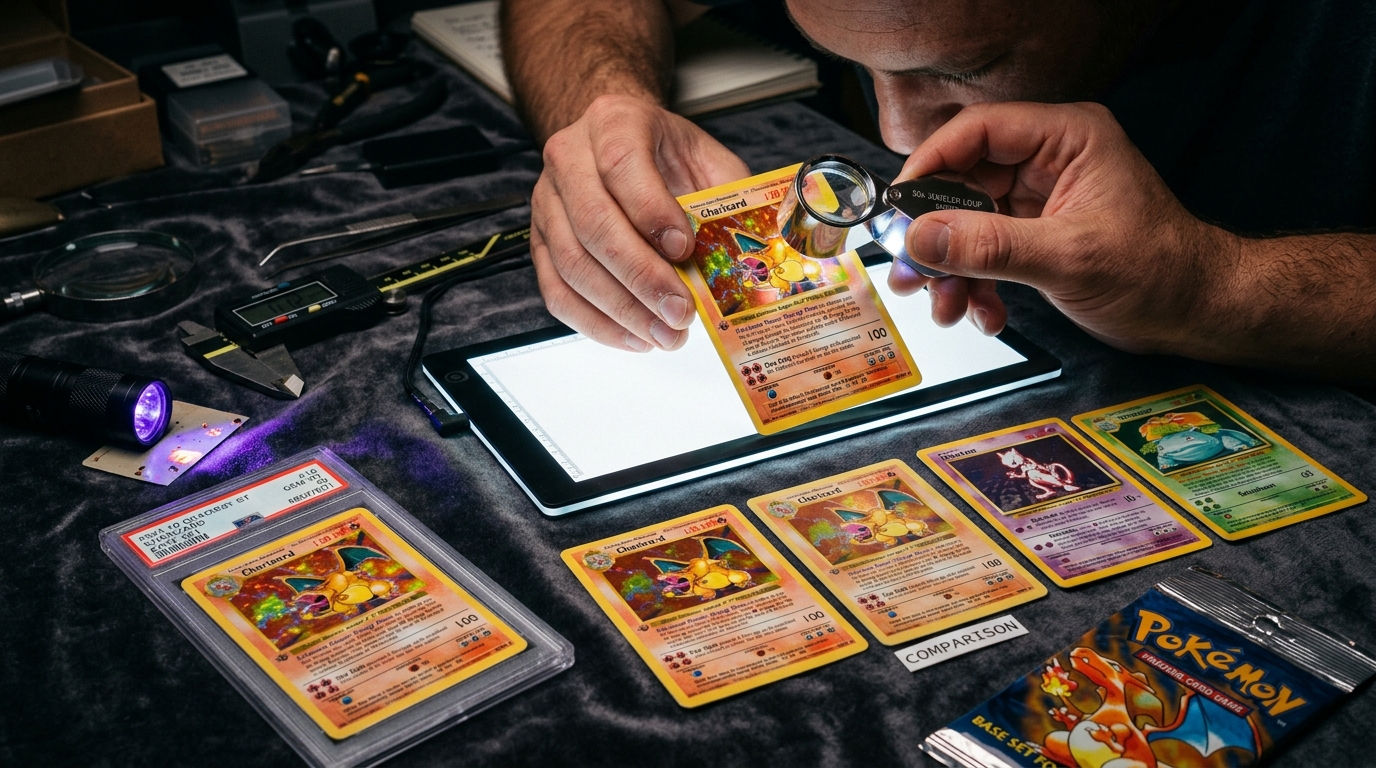
Counterfeit Pokémon cards have reached new levels of sophistication in 2026, with fake Chaos Rising Mega Evolution ex cards, replica PSA slabs, and counterfeit sealed booster boxes flooding the market. This comprehensive 10-step authentication guide teaches collectors how to spot fakes using the lig
Pokemon Price Tracker
Prismatic Evolutions Price Guide: 2026 Market Update
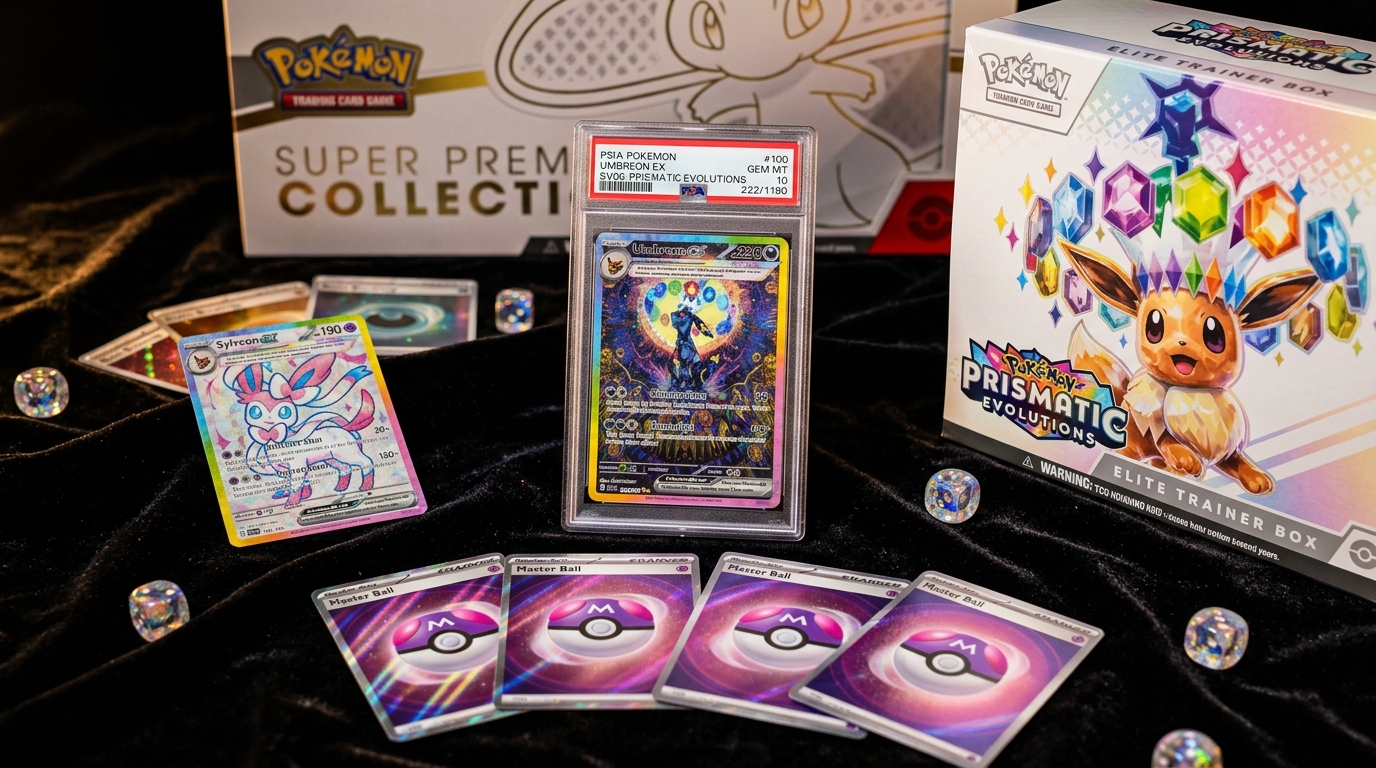
A comprehensive 2026 price guide for Pokemon Prismatic Evolutions covering the Umbreon ex SIR, Sylveon ex, Master Ball reverse holos, sealed ETBs, and Super Premium Collection. Get current market values, grading insights, and set completion costs.
Pokemon Price Tracker
Best Pokemon Booster Boxes to Buy and Hold in 2026
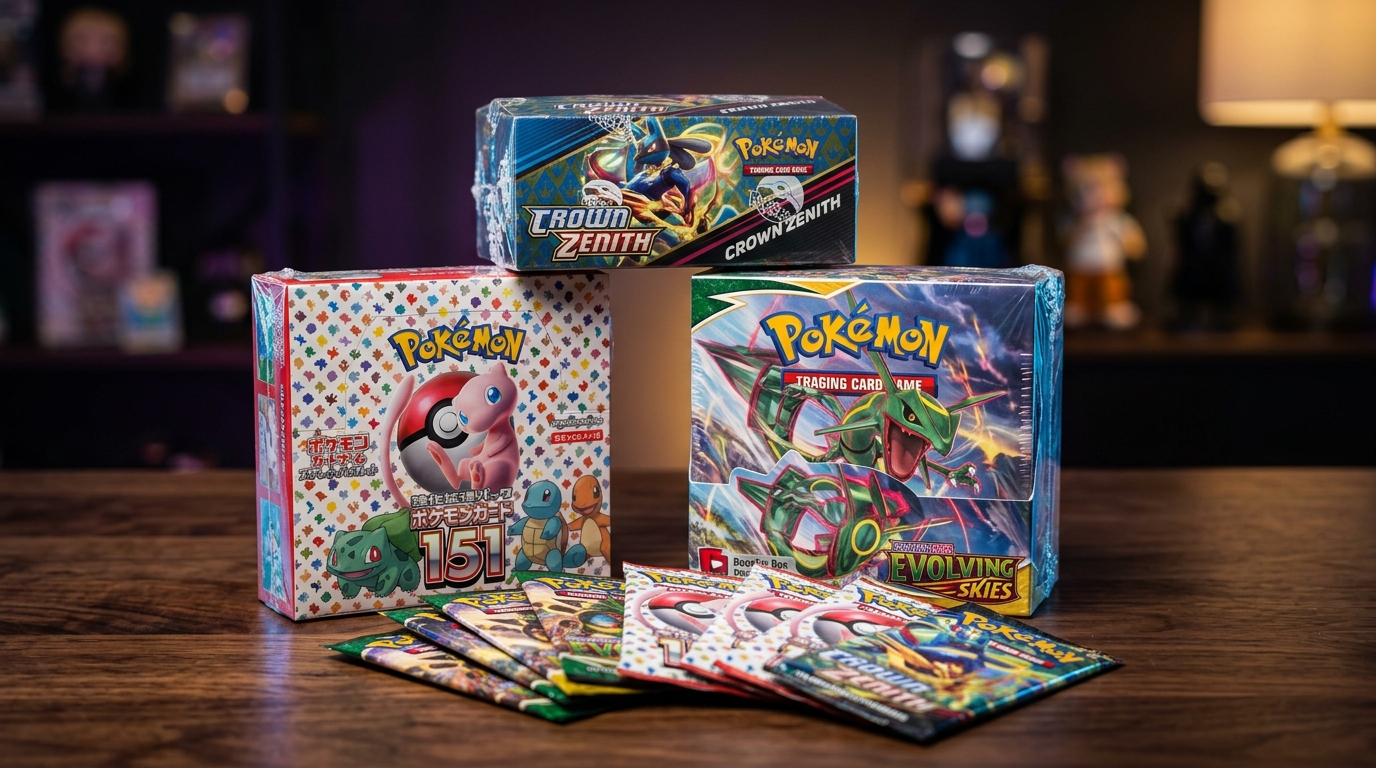
From Evolving Skies to Japanese Pokemon 151, discover the best Pokemon booster boxes to buy and hold in 2026. Data-driven picks, portfolio strategy, and key metrics to watch for long-term sealed investors.
Pokemon Price Tracker
Stay Updated
Subscribe to our newsletter for the latest Pokemon card market trends, investment opportunities, and exclusive insights delivered straight to your inbox.