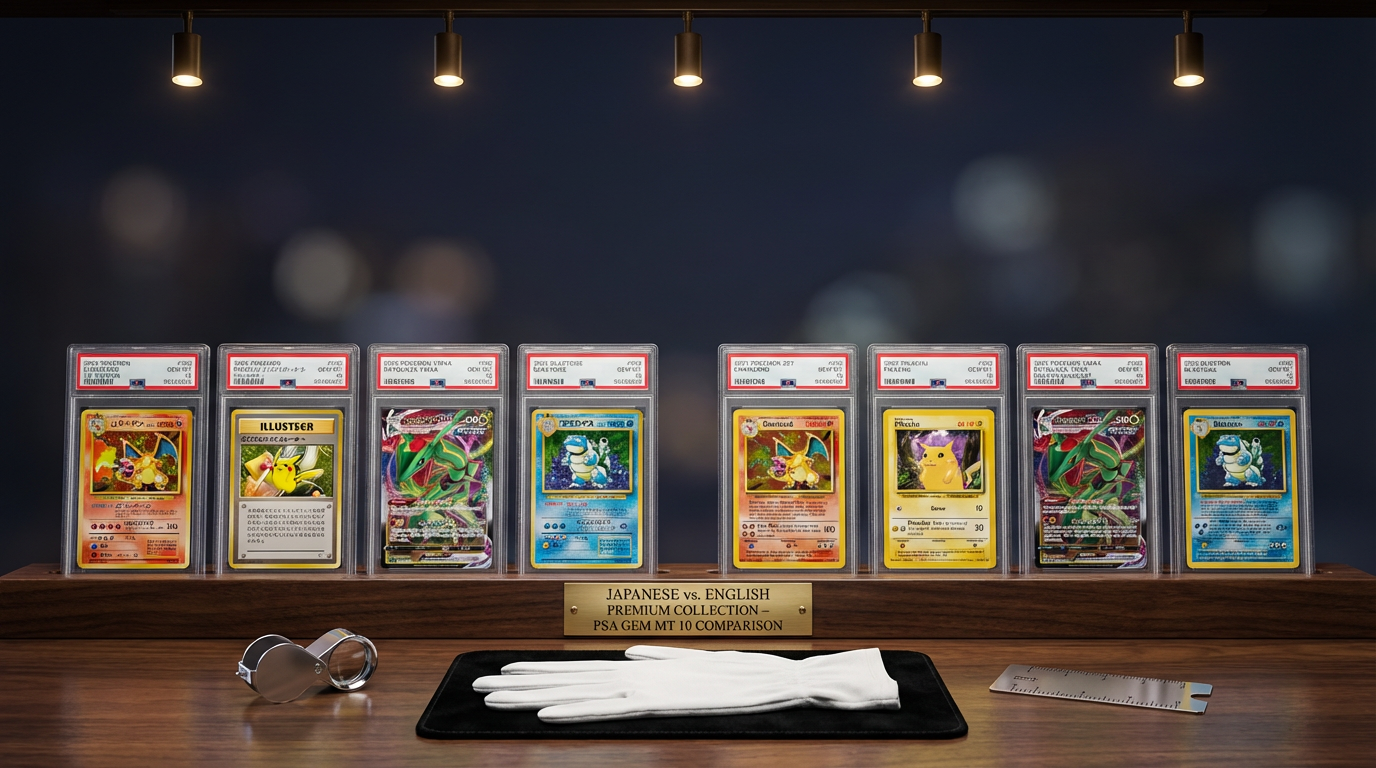
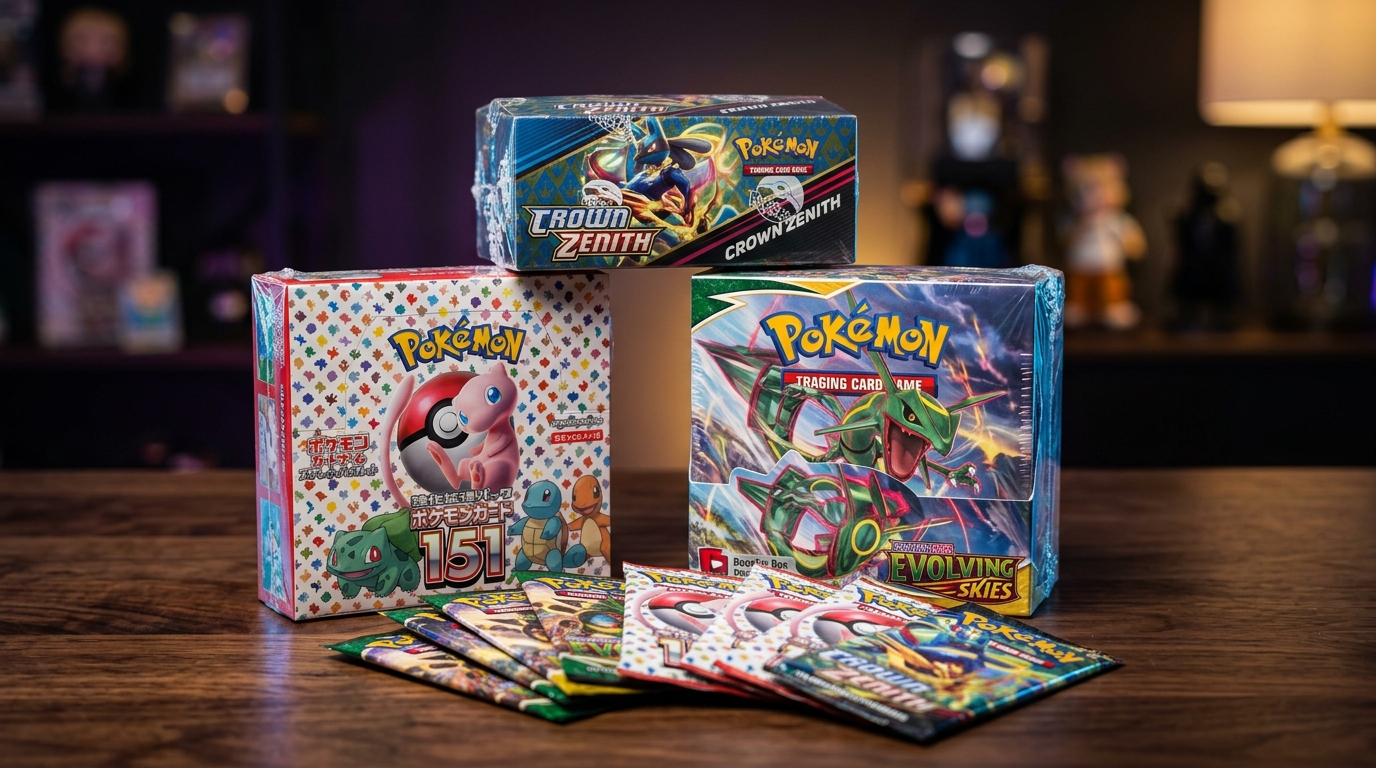
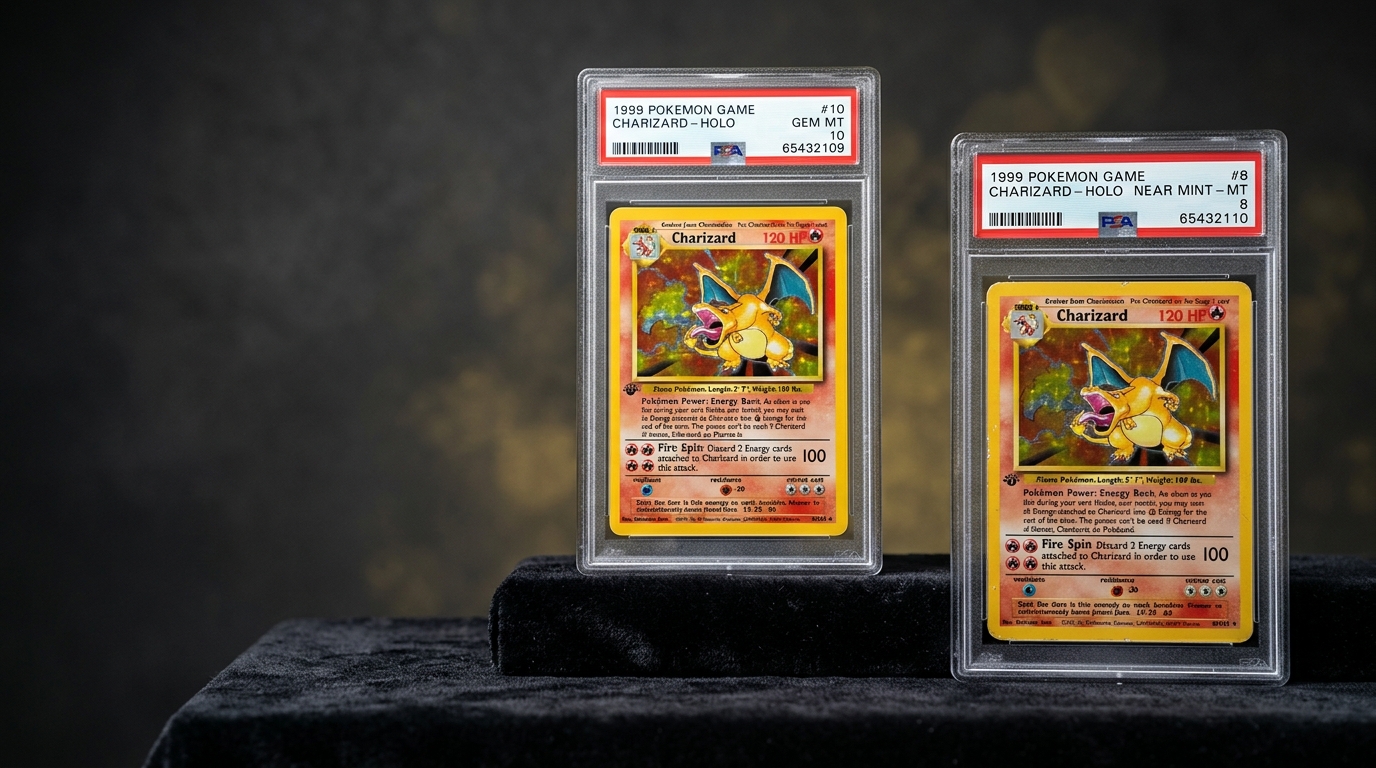
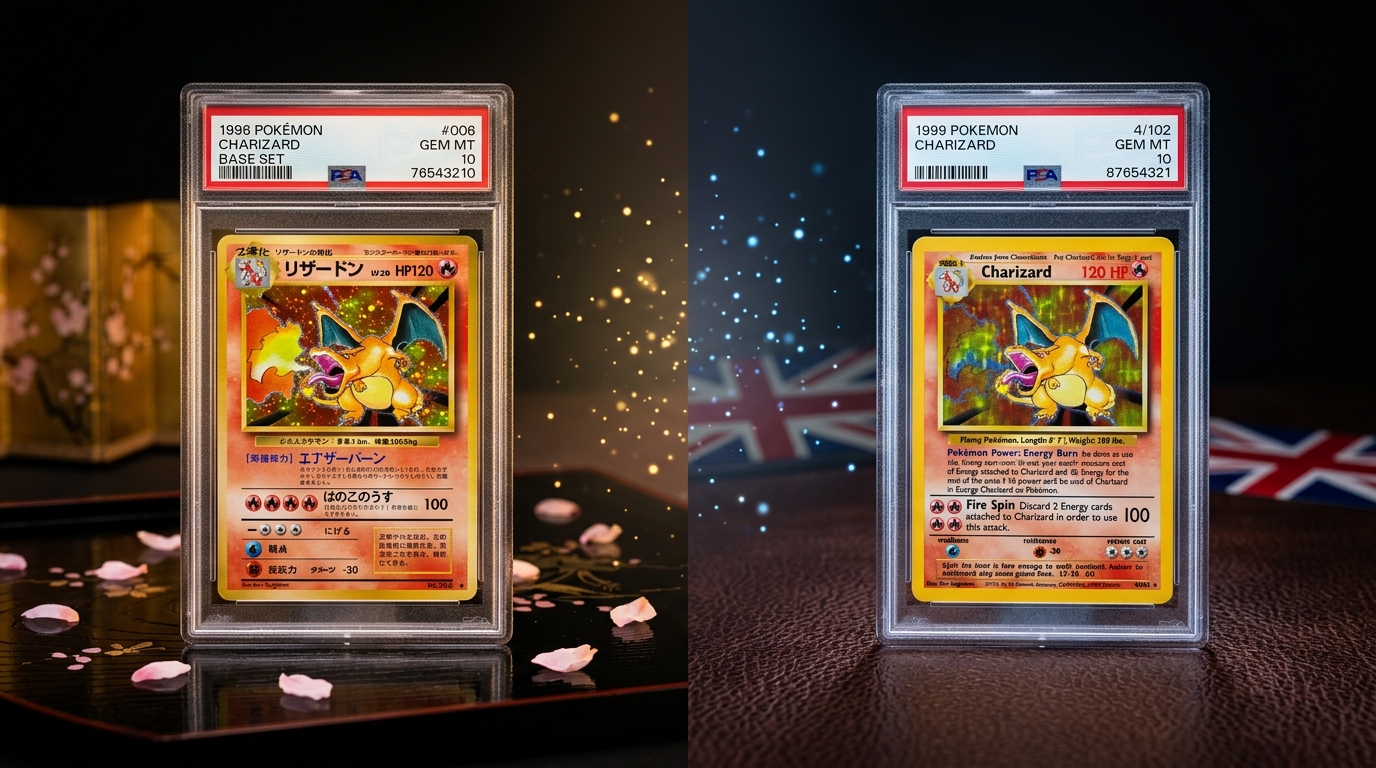
The debate between Japanese and English Pokemon cards has intensified in 2026, with collectors and investors facing a complex decision matrix. While Japanese cards consistently deliver superior print quality and higher grading success rates, English cards dominate in market liquidity and Western collector demand. Understanding these nuances is critical for anyone looking to build a valuable collection or investment portfolio.
This comprehensive guide breaks down the key differences between Japanese and English Pokemon cards, examining print quality, pricing dynamics, grading outcomes, and investment potential to help you make informed decisions in today's market.
Manufacturing Excellence
Japanese Pokemon cards have earned their reputation for superior production quality through several measurable factors:
Centering Precision: Japanese cards consistently exhibit better centering, with front-to-back alignment that significantly increases PSA 10 potential. English cards frequently suffer from off-center printing that automatically disqualifies them from gem mint grades.
Surface Quality: The card stock used in Japanese production features smoother surfaces with fewer print lines, roller marks, and texture inconsistencies. English cards often show visible print defects even straight from packs.
Holographic Finishes: Japanese holofoil patterns appear more vibrant and uniform, with cleaner application and fewer scratches or holo bleed issues. The difference is immediately noticeable when comparing cards side-by-side.
Text Sharpness: Japanese text and artwork display sharper edges and more precise color registration. English cards sometimes exhibit slight blurriness or color misalignment, particularly on borders and fine details.
Why the Quality Gap Exists
The quality difference stems from several factors:
- Production Volume Strategy: Japanese cards are printed in higher quantities domestically, allowing for more consistent quality control
- Manufacturing Standards: Japanese printing facilities maintain stricter tolerances for card production
- Distribution Distance: English cards travel longer distances and pass through more hands before reaching consumers, increasing damage risk
- Market Expectations: Japanese collectors have historically demanded higher quality standards, pushing manufacturers to maintain excellence
Sealed Product Pricing (2026)
The cost difference between Japanese and English sealed products remains significant:
Booster Packs:
- Japanese: £3–£5 ($3.80–$6.30 USD)
- English: £4–£6+ ($5–$7.50+ USD)
- Advantage: Japanese by 20-30%
Booster Boxes:
- Japanese: £60–£80 ($75–$100 USD)
- English: £100–£130 ($125–$165 USD)
- Advantage: Japanese by 35-40%
Elite Trainer Boxes:
- Japanese: Generally not available (different product structure)
- English: £40–£50 ($50–$63 USD)
Single Card Pricing Dynamics
The pricing relationship for individual cards is more complex:
Raw Cards:
- Japanese versions typically cost 10-30% less than English equivalents
- Exception: Japan-exclusive cards or special releases command premiums
- Lower prices reflect higher print runs and domestic market saturation
Graded Cards (PSA 9):
- Japanese and English cards trade at similar price points
- Market determines value based on card significance rather than language
Graded Cards (PSA 10):
- English PSA 10s often command 20-50% premiums over Japanese equivalents
- Driven by larger Western collector base and higher demand
- Exception: Vintage Japanese cards (Base Set era) can exceed English prices due to nostalgia and scarcity
One of the most important factors for serious collectors is grading potential. Japanese cards demonstrate significantly higher PSA 10 success rates:
Statistical Advantages
PSA 10 Achievement Rates:
- Japanese modern cards: 15-25% PSA 10 rate from fresh packs
- English modern cards: 5-12% PSA 10 rate from fresh packs
- Difference: Japanese cards are 2-3x more likely to achieve gem mint grades
PSA 9 Floor:
- Japanese cards rarely grade below PSA 9 when pack-fresh
- English cards frequently receive PSA 8 or lower due to centering and surface issues
Grading ROI Considerations
When evaluating whether to grade Japanese versus English cards, consider:
Cost-Benefit Analysis:
- Japanese cards: Lower raw cost + higher PSA 10 probability = better grading ROI for modern cards
- English cards: Higher raw cost + lower PSA 10 probability = grading only justified for high-value targets
Break-Even Points:
- Japanese cards often justify grading at $30+ raw value
- English cards typically need $75+ raw value to justify grading costs
- Use tools like the Grading Calculator to determine if submitting specific cards makes financial sense
Market Liquidity and Demand
Geographic Considerations
English Card Advantages:
- Massive collector base across North America, UK, Europe, and Australia
- Higher liquidity means faster sales and more predictable pricing
- Western nostalgia factor drives premium prices for vintage English cards
- Tournament players prefer English cards for official play
Japanese Card Advantages:
- Growing international collector interest in Japanese exclusives
- Earlier release dates (typically 3-4 months before English) create speculation opportunities
- Unique artwork variants and promotional cards unavailable in English
- Lower entry costs attract new collectors
Investment Liquidity Comparison
For investors, liquidity matters significantly:
High-End Cards ($1,000+):
- English cards sell faster with more potential buyers
- Japanese cards may sit longer but attract serious collectors
- Price realization typically favors English in this tier
Mid-Range Cards ($100-$1,000):
- Both languages move reasonably well
- Japanese cards offer better value entry points
- English cards provide more exit strategy options
Budget Cards (Under $100):
- English cards dominate casual collector market
- Japanese cards appeal to quality-focused collectors
- Volume sales favor English significantly
2026 Market Trends and Opportunities
Pokemon's 30th Anniversary Impact
The Pokemon franchise's 30th anniversary in 2026 has created unique market dynamics:
Special Release Premiums:
- Anniversary sets released in both languages show unusual pricing
- Japanese first editions of anniversary cards carrying 30-40% premiums
- English versions benefit from Western nostalgia marketing
- Limited edition anniversary products selling out immediately in both languages
Collector Sentiment:
- Increased interest in vintage Japanese cards from original 1996-1999 releases
- English Base Set Unlimited seeing renewed attention
- Cross-language collecting becoming more mainstream
Illustration Rare Value Comparison
The Illustration Rare category introduced in recent sets shows interesting language-based pricing:
Japanese Illustration Rares:
- Lower pull rates in Japanese sets create scarcity
- Superior print quality makes them ideal grading candidates
- PSA 10 examples commanding 40-60% premiums over English
English Illustration Rares:
- Higher raw card availability keeps ungraded prices lower
- Graded population growing faster due to volume
- Market preference varies by specific Pokemon and artist
Investment Perspective:
- Japanese versions offer better long-term grade rarity
- English versions provide better short-term liquidity
- Artist-signed cards (when available) favor Japanese market connections
For Modern Card Collectors
If you're focusing on current releases:
Choose Japanese When:
- You plan to grade cards and want maximum PSA 10 potential
- Budget constraints make lower pack/box prices attractive
- You appreciate superior print quality and craftsmanship
- You're willing to wait 3-4 months for English releases to flip Japanese specs
- You're building a master set and want the best possible condition examples
Choose English When:
- You need immediate liquidity and fast sales
- You're targeting the larger Western collector market
- You play competitively and need English cards for tournaments
- You value nostalgia and cultural connection to English versions
- You're risk-averse and want established market pricing
For Vintage Card Investors
Vintage cards (pre-2003) follow different rules:
Japanese Vintage Advantages:
- Original 1996 Japanese Base Set carries historical significance
- Lower surviving populations due to Japanese market attitudes toward preservation
- Unique cards never released in English (CoroCoro promos, tournament prizes)
- Growing international recognition of Japanese vintage importance
English Vintage Advantages:
- Western nostalgia creates sustained demand
- First Edition shadowless Base Set remains the pinnacle for many collectors
- Higher price ceilings established by record-breaking sales
- More documented provenance and authentication resources
Strategic Approach:
- Diversify across both languages for vintage holdings
- Focus on PSA 9+ examples regardless of language
- Prioritize iconic Pokemon (Charizard, Pikachu, Mewtwo) in both languages
- Consider Japanese for cards with superior available grades
Japanese Card Risks
Market Limitations:
- Smaller buyer pool can extend selling timeframes
- Western collectors may overlook Japanese cards in searches
- Authentication concerns for high-end vintage Japanese cards
- Language barrier complicates condition assessment for new collectors
Currency Exposure:
- Yen fluctuations affect Japanese market pricing
- Import costs and customs can erode profit margins
- International shipping risks and insurance costs
English Card Risks
Quality Concerns:
- Lower grading success rates increase costs and reduce ROI
- Print quality issues can tank value even for rare cards
- Reprint risks in English market (though Pokemon has been conservative)
Market Saturation:
- Higher print runs create more competition
- Easier for others to acquire same cards
- Grade populations grow faster, potentially reducing scarcity premium
Practical Buying and Selling Tips
Sourcing Japanese Cards
Reliable Methods:
- Japanese online retailers (Plaza Japan, AmiAmi, Pokemon Center Online)
- Domestic importers specializing in Japanese TCG products
- International auction sites with Japanese sellers
- Local card shops with Japanese product allocations
Red Flags:
- Prices significantly below market rate (potential counterfeits)
- Sellers without established reputation for Japanese products
- Poor quality photos hiding condition issues
- Unclear return policies for international purchases
Selling Strategy Optimization
For Japanese Cards:
- Target collector communities that appreciate Japanese quality
- Emphasize print quality and grading potential in listings
- Provide clear photos showing centering and surface quality
- Price competitively against English equivalents
- Consider grading high-value cards before selling
For English Cards:
- List on mainstream platforms with largest buyer bases
- Highlight nostalgia factors and cultural significance
- Bundle related cards to increase transaction value
- Time sales around set anniversaries or Pokemon media releases
When to Grade Japanese Cards
Japanese cards justify grading more readily due to higher success rates:
Ideal Candidates:
- Modern ultra-rares and secret rares from recent sets
- Pack-fresh cards with visible perfect centering
- Cards with established PSA 10 premiums of 3x+ over raw
- Low-population cards where PSA 10 creates significant scarcity
Skip Grading:
- Common and uncommon cards without significant value
- Cards with visible defects even if minor
- Cards where PSA 10 premium doesn't justify $30-50 grading cost
- Cards with already-high PSA 10 populations
When to Grade English Cards
English cards require more selective grading due to lower success rates:
Ideal Candidates:
- Vintage holos from Base Set through Neo series
- Modern chase cards worth $100+ raw
- First Edition cards with strong centering
- Cards where even PSA 9 provides significant value increase
Skip Grading:
- Modern cards worth under $75 raw
- Unlimited vintage commons/uncommons
- Cards with visible centering or surface issues
- Recent releases with uncertain long-term value
Future Outlook: 2026 and Beyond
Market Evolution Predictions
Based on current trends, expect these developments:
Converging Quality Standards:
- English production quality slowly improving but gap remains
- Collectors increasingly aware of Japanese quality advantages
- More cross-language collecting as information spreads
Price Dynamics:
- Japanese raw cards likely to maintain cost advantages
- English PSA 10 premiums may compress as Japanese graded populations grow
- Vintage cards in both languages continuing appreciation
Collector Behavior:
- Younger collectors more open to Japanese cards
- Investment-focused buyers prioritizing gradability (favoring Japanese)
- Player-collectors maintaining English preference for tournament use
Strategic Positioning
For long-term success in Pokemon card collecting and investing:
Diversification Approach:
- Hold both Japanese and English versions of key cards
- Focus on PSA 10 examples regardless of language
- Maintain 60/40 or 70/30 English/Japanese ratio for liquidity
- Prioritize card significance over language preference
Quality Over Quantity:
- Japanese cards offer better path to high-grade examples
- English cards provide better exit liquidity
- Grade selectively based on realistic PSA 10 probability
- Avoid low-grade cards in both languages
Print Quality Winner: Japanese cards consistently deliver superior centering, surface quality, and holographic finishes, making them 2-3x more likely to achieve PSA 10 grades.
Price Advantage: Japanese sealed products cost 30-40% less than English equivalents, offering better value for pack opening and sealed product investment.
Market Liquidity: English cards dominate in sales velocity and buyer pool size, particularly in the $100-$1,000 range where most collectors operate.
Grading ROI: Japanese cards justify grading at lower value thresholds due to higher success rates, while English cards require higher raw values to make grading economically viable.
Investment Strategy: Diversify across both languages, prioritizing Japanese for modern gradable cards and English for maximum liquidity and Western market exposure.
2026 Opportunities: Pokemon's 30th anniversary has elevated interest in both languages, with Japanese first editions and English nostalgia pieces both performing strongly.
The choice between Japanese and English Pokemon cards isn't binary—successful collectors and investors incorporate both languages strategically based on specific goals, budget constraints, and market opportunities. Understanding these differences allows you to optimize your collection for quality, value, and long-term appreciation.
Note: Past performance does not guarantee future results. Always do your own research before making investment decisions.