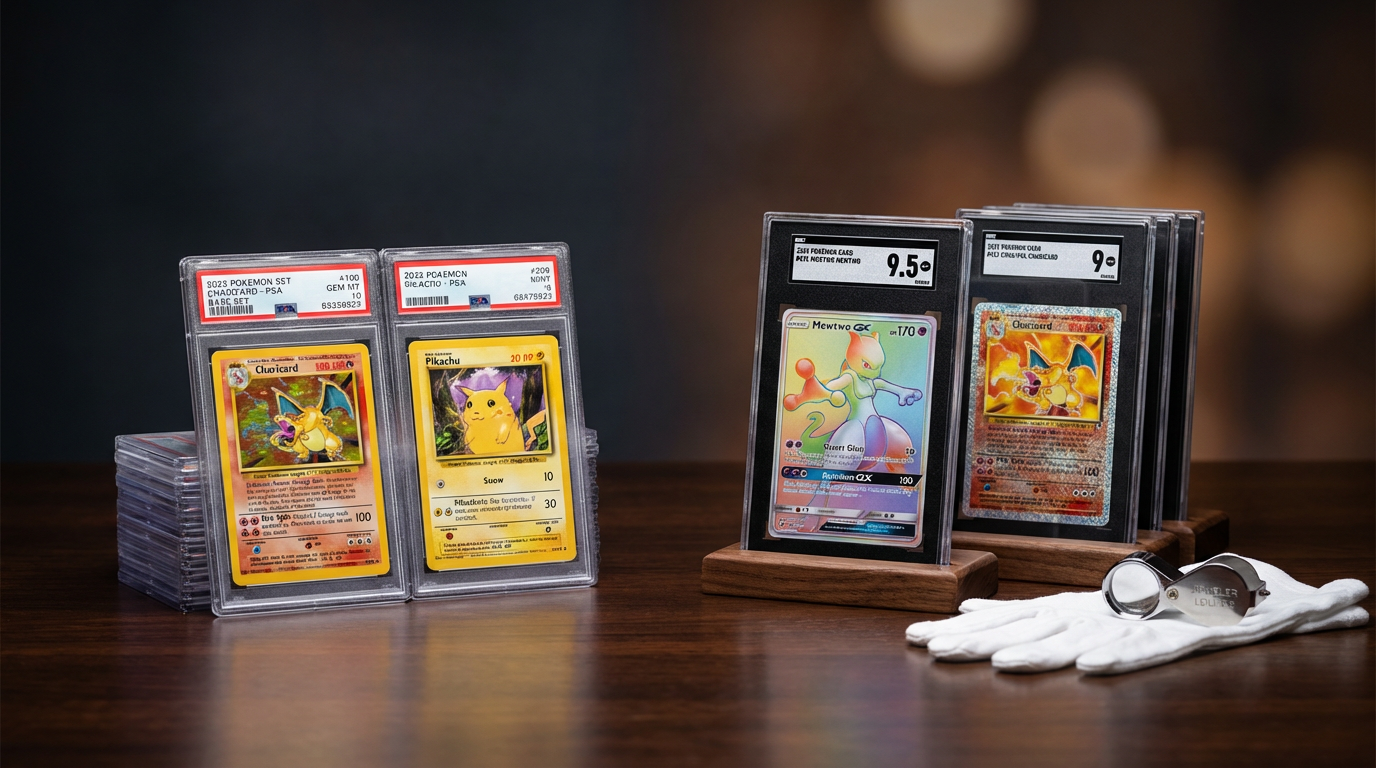
SGC vs PSA Grading: Which is Better for Pokemon Cards?
Choosing between SGC and PSA for grading your Pokemon cards can significantly impact your collection's value, liquidity, and overall investment return. With Pokemon TCG celebrating its 30th anniversary in 2026 and the graded card market more competitive than ever, understanding the nuances between these two industry giants has never been more important.
PSA commands approximately 67% of the graded card market, while SGC holds a solid 22-23% share as the clear second choice. But market share doesn't tell the whole story. The right grading company for your cards depends on your specific goals, budget, card era, and target market.
In this comprehensive guide, we'll break down everything you need to know about SGC vs PSA grading for Pokemon cards in 2026, including costs, turnaround times, resale value differences, and which company makes the most sense for your collection.
Understanding the Grading Landscape in 2026
The Pokemon card grading market has evolved dramatically. As of 2026, 94% of confirmed collectors own graded cards, making professional authentication and grading virtually standard practice rather than a luxury reserved for high-end cards.
Pokemon's dominance in the grading world is staggering. The franchise accounted for 97 of the top 100 cards graded by PSA in the first half of 2025, demonstrating unprecedented market focus. This concentration has pushed both PSA and SGC to refine their Pokemon-specific services and expertise.
The Pokemon card market itself has grown an astounding 3,821% in value since 2004, far outpacing traditional investments like the S&P 500 (483% growth over the same period). This explosive growth has made the choice between grading companies increasingly consequential for collectors and investors alike.
PSA Grading: The Market Leader
PSA's Market Position and Advantages
PSA (Professional Sports Authenticator) remains the undisputed king of card grading, and for Pokemon cards specifically, it offers several compelling advantages:
Market Liquidity and Premium Pricing
- PSA 10 Pokemon cards consistently command 10-20% higher resale prices compared to equivalent SGC 10 or BGS 9.5 grades
- PSA offers the most liquid market globally, especially for WOTC-era cards and modern chase cards
- Auction houses and major buyers often prefer PSA-graded cards
- International collectors, particularly in Asia, heavily favor PSA slabs
Brand Recognition
- PSA's 67% market share translates to instant recognition
- Buyers feel more confident purchasing PSA-graded cards
- Easier to establish fair market value with abundant sales data
Registry and Community Features
- PSA Set Registry allows collectors to showcase and compete with their collections
- Robust population reports help determine card rarity
- Active community and extensive historical data
PSA Costs and Service Levels (2026)
PSA's pricing structure requires careful consideration:
Membership Requirements
- $99-$249 annual membership required for bulk submissions
- Membership includes submission discounts and other perks
- Higher tiers offer better per-card rates
Grading Costs
- Bulk submissions (20+ cards): $18.99-$21.99 per card
- Value service: $40 per card (declared value up to $499)
- Regular service: $80 per card (declared value up to $1,499)
- Express service: $150 per card (declared value up to $2,499)
- Super Express: $300+ per card for premium turnaround
Turnaround Times
- Economy/Bulk: 30-65 business days
- Regular: 15-20 business days
- Express: 10 business days
- Super Express: 5 business days
PSA's 2025 Centering Standard Change
In early 2025, PSA implemented a significant change that affects Pokemon cards in 2026:
New PSA 10 Centering Requirements:
- Front centering must be 55/45 or better (previously 60/40)
- This stricter standard makes PSA 10 grades more difficult to achieve
- Vintage Pokemon cards, which often have centering issues, are particularly affected
- The change has increased the relative scarcity and value of PSA 10 vintage cards
This stricter grading standard means cards that might have received a PSA 10 in 2024 could now receive a PSA 9, significantly impacting value for centering-sensitive cards.
SGC Grading: The Value Alternative
SGC's Market Position and Advantages
SGC (Sportscard Guaranty Company) has positioned itself as a compelling alternative to PSA, particularly for specific collector segments:
Cost Efficiency
- $9 flat rate for all TCG cards (Pokemon, Yu-Gi-Oh, MTG) - the lowest in the industry
- No membership fees required at any service level
- Significantly lower barrier to entry for new collectors
- Makes economic sense for mid-range cards ($50-$500 value)
Turnaround Speed
- Standard service: 5-10 business days
- Immediate service: 1-2 business days at $40 per card
- Consistently faster than PSA's economy services
- More predictable timelines
Grading Precision
- Half-point grades (9.5, 8.5, etc.) provide more granularity
- Helps differentiate cards within broader grade ranges
- Particularly valuable for cards that fall between PSA grades
Aesthetic Appeal
- Distinctive black-border 'tuxedo' slabs beloved by vintage collectors
- Clean, professional appearance
- Card visibility and protection comparable to PSA
SGC Grading Standards
SGC maintains rigorous standards that some collectors find more consistent:
Centering Requirements
- SGC 10 (Pristine): 55/45 centering on both front AND back
- More stringent than PSA's back centering allowance
- SGC 9.5 (Mint+): 60/40 centering tolerance
Overall Grading Philosophy
- Generally considered slightly stricter than PSA on surface issues
- More lenient on edge wear for vintage cards
- Consistent application of standards across submissions
Head-to-Head Comparison: SGC vs PSA
Cost Analysis
For Budget-Conscious Collectors:
- SGC wins decisively for collectors grading multiple cards
- Example: Grading 50 cards costs $450 with SGC vs. $949+ with PSA (including membership)
- No membership fees make SGC more accessible for casual collectors
For High-Value Cards ($1,000+):
- PSA's premium pricing may be justified by 10-20% higher resale values
- The additional $70+ per card can be recouped through better sale prices
- PSA's market recognition reduces selling friction
Turnaround Time Comparison
| Service Level | SGC | PSA |
|---|---|---|
| Economy/Standard | 5-10 days | 30-65 days |
| Fast/Express | 1-2 days ($40) | 5 days ($300+) |
| Cost per card | $9 standard | $18.99-$21.99 bulk |
Winner: SGC for collectors who value speed and can't justify PSA's premium express costs.
Resale Value Impact
This is where the decision becomes more nuanced:
PSA Premium Examples:
- Base Set Charizard PSA 10: Sells for $30,000-$50,000
- Same card SGC 10: Typically $25,000-$40,000
- Price difference: 15-20% in PSA's favor
Modern Cards (2020-2026):
- PSA premium exists but is smaller (5-10%)
- SGC gaining acceptance for modern cards
- Price gap narrowing as SGC market share grows
Mid-Range Cards ($100-$500):
- PSA premium often only $10-$30
- May not justify the higher grading cost
- SGC often makes more financial sense
Market Liquidity
PSA Advantages:
- Larger buyer pool
- Faster sales on average
- More comparable sales data
- Preferred by international buyers
SGC Considerations:
- Growing acceptance, especially in vintage market
- Strong following among serious collectors
- May take longer to sell
- Smaller but passionate buyer base
Which Grading Company Should You Choose?
Choose PSA When:
-
Grading High-Value Cards ($1,000+)
- The 10-20% resale premium justifies higher costs
- Market liquidity is crucial
- You're targeting international buyers
-
Grading Modern Chase Cards
- Evolving Skies Alt Arts, Crown Zenith, etc.
- PSA 10 population matters for value
- You want maximum resale potential
-
Building a Registry Set
- PSA Set Registry is the gold standard
- Competitive collecting requires PSA
- You value community features
-
Grading WOTC Holos
- Base Set, Jungle, Fossil era cards
- PSA dominates this market segment
- Highest resale premiums for PSA 10s
-
You Can Submit in Bulk
- 20+ cards make PSA's bulk pricing competitive
- Membership cost is amortized across many cards
Choose SGC When:
-
Grading Mid-Range Cards ($50-$500)
- The $9 cost makes grading economically viable
- PSA's premium doesn't justify the extra cost
- You're grading for personal collection
-
Speed is Priority
- Need cards back in 5-10 days
- Can't wait PSA's 30-65 day turnaround
- Time-sensitive sales or events
-
Grading Vintage Cards for Personal Collection
- SGC's tuxedo slabs are aesthetically preferred
- Not planning to sell
- Want consistent, strict grading
-
Testing Card Grades
- Unsure if a card will grade well
- Want to test before committing to PSA
- Lower financial risk at $9 per card
-
Budget Constraints
- New to grading
- Can't justify PSA membership
- Want to grade more cards for less money
-
Prefer Half-Point Grades
- Value the precision of 9.5 vs straight 9 or 10
- Collecting cards that fall between grade tiers
Calculating Your Grading ROI
Before submitting cards to either company, calculate whether grading makes financial sense. Consider:
Raw Card Value vs. Graded Potential:
- Raw card current market value: $X
- Expected grade (be realistic): PSA/SGC 9 or 10
- Graded card market value: $Y
- Grading cost + shipping + insurance: $Z
- Profit potential: $Y - $X - $Z
Break-Even Analysis:
- Card must increase in value by grading cost + fees to break even
- For PSA bulk ($21.99 + $10 shipping/insurance): Card needs $32+ value increase
- For SGC ($9 + $10 shipping/insurance): Card needs $19+ value increase
Example Scenario:
- Raw Umbreon VMAX Alt Art: $150
- PSA 10 market value: $400
- PSA grading cost: $32 total
- Potential profit: $400 - $150 - $32 = $218 profit
- Grading makes sense if you're confident in PSA 10 grade
For cards where the math is unclear, SGC's lower cost reduces risk while still providing authentication and protection.
Common Grading Mistakes to Avoid
1. Overestimating Card Condition
- Most collectors overestimate by 1-2 grade points
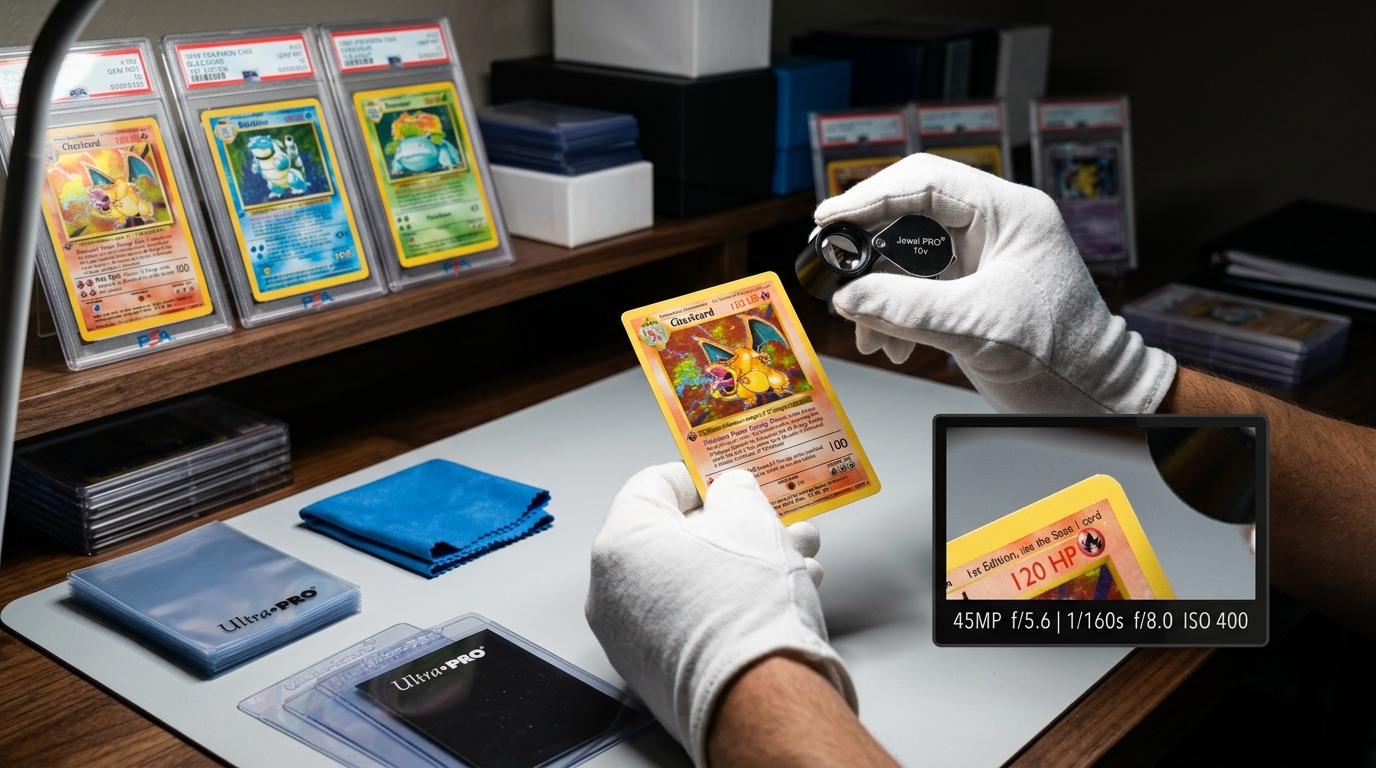
- Use a jeweler's loupe to inspect for surface scratches
- Check centering with a ruler or centering tool
- Be brutally honest about edge wear
2. Grading Low-Value Cards with PSA
- Cards worth under $100 raw often don't justify PSA costs
- Even PSA 10 may not recoup grading expenses
- SGC makes more sense for mid-range cards
3. Ignoring Population Reports
- High population PSA 10s have limited upside
- Check population data before submitting
- Rare grades (PSA 10 on tough cards) command premiums
4. Poor Card Preparation
- Use card savers, not toploaders
- Follow submission guidelines exactly
- Improper packaging can damage cards in transit
5. Not Considering Turnaround Time
- Market conditions change during long waits
- Hot cards can cool off during 60-day PSA turnaround
- SGC's speed can capitalize on market momentum
The Future of Pokemon Card Grading
As we progress through 2026, several trends are shaping the grading landscape:
SGC's Growing Market Share:
- SGC's 22-23% market share continues growing
- Increased acceptance reduces PSA's premium
- More dealers and auction houses accepting SGC
Grading Cost Pressures:
- PSA faces pressure to reduce prices or improve turnaround
- SGC's $9 pricing sets new industry benchmark
- Competition benefits collectors
Modern Card Grading:
- Print quality improvements make 10s more common
- Population inflation concerns for modern sets
- Vintage cards maintaining scarcity premium
Technology Integration:
- Digital verification and blockchain integration
- Improved population tracking
- Better market data for informed decisions
Final Recommendations
For Most Collectors: Use a hybrid approach based on card value and goals:
- PSA for: Cards worth $500+ raw, WOTC holos, modern chase cards, registry sets
- SGC for: Cards worth $50-$500 raw, personal collection pieces, quick turnaround needs, testing grades
For New Collectors: Start with SGC to:
- Learn grading standards at lower cost
- Build experience without major financial risk
- Understand the grading process
- Transition to PSA for high-value cards as expertise grows
For Serious Investors: Prioritize PSA for:
- Maximum liquidity and resale value
- International market access
- Established market data and comps
- Long-term value retention
Remember: The "better" grading company depends entirely on your specific situation. A $75 card might be perfect for SGC, while a $5,000 card almost certainly belongs with PSA.
Conclusion
The SGC vs PSA debate doesn't have a universal answer. PSA's market dominance, 10-20% resale premium, and superior liquidity make it the clear choice for high-value cards and serious investors. However, SGC's $9 grading cost, 5-10 day turnaround, and zero membership fees make it the smarter option for mid-range cards and budget-conscious collectors.
In 2026's competitive Pokemon card market, understanding when to use each service is more valuable than blind loyalty to one company. Calculate your ROI, consider your goals, and choose the grading company that makes the most financial sense for each card.
Whether you choose the market leader or the value alternative, professional grading remains essential for protecting and authenticating your Pokemon card investments in 2026.
Note: Past performance does not guarantee future results. Always do your own research before making investment decisions.
Pokemon Price Tracker
Market Analyst
Related Articles
How to Grade Pokemon Cards: Step-by-Step 2026 Guide
Learn how to grade Pokemon cards in 2026 with this complete step-by-step guide covering PSA's paused Value tiers, the $79.99 minimum, pre-screening techniques, and when grading still makes financial sense.
Pokemon Price Tracker
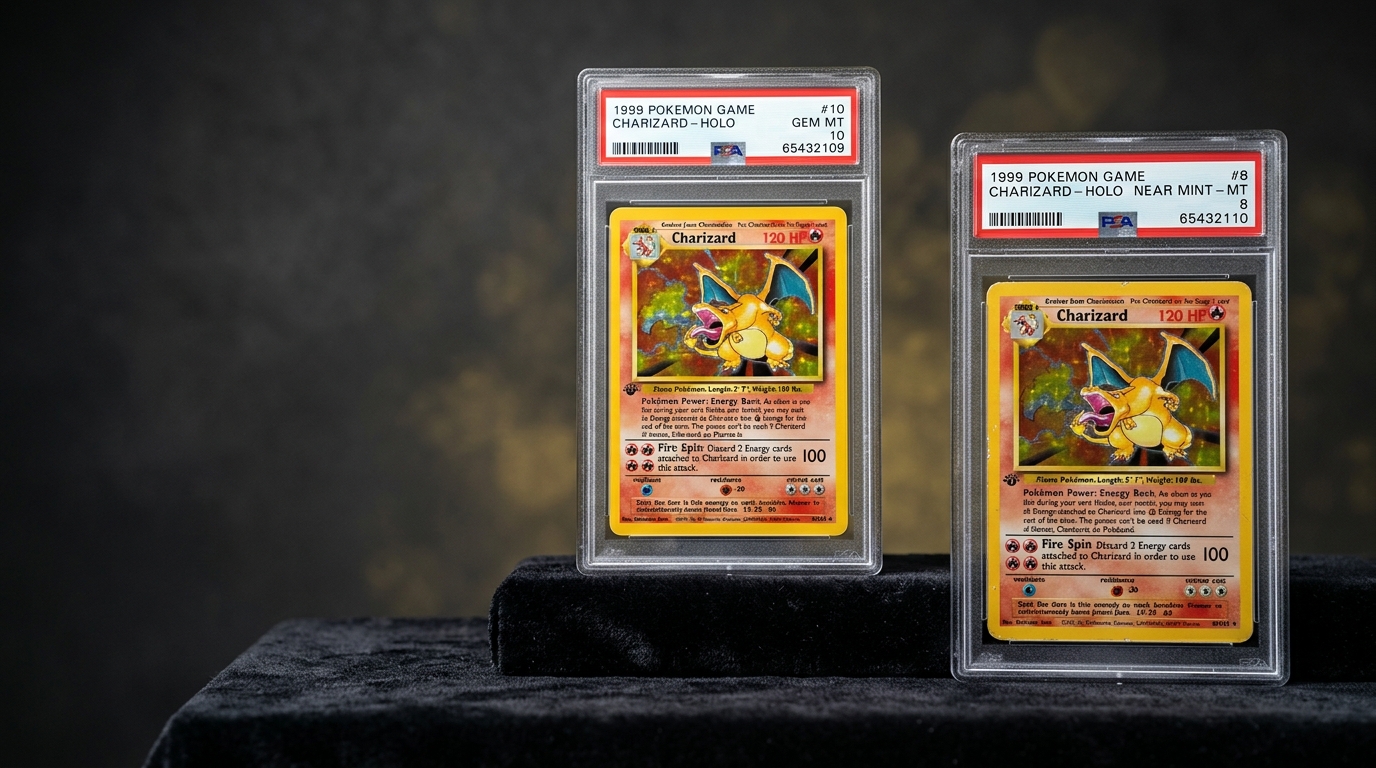
PSA 10 vs PSA 9: 2026 Price Gap Analysis & ROI Data
PSA 10s command 3x to 20x more than PSA 9s in 2026, but the gap varies wildly by card and era. We break down real sales data, ROI frameworks, and when grading actually makes financial sense.
Pokemon Price Tracker
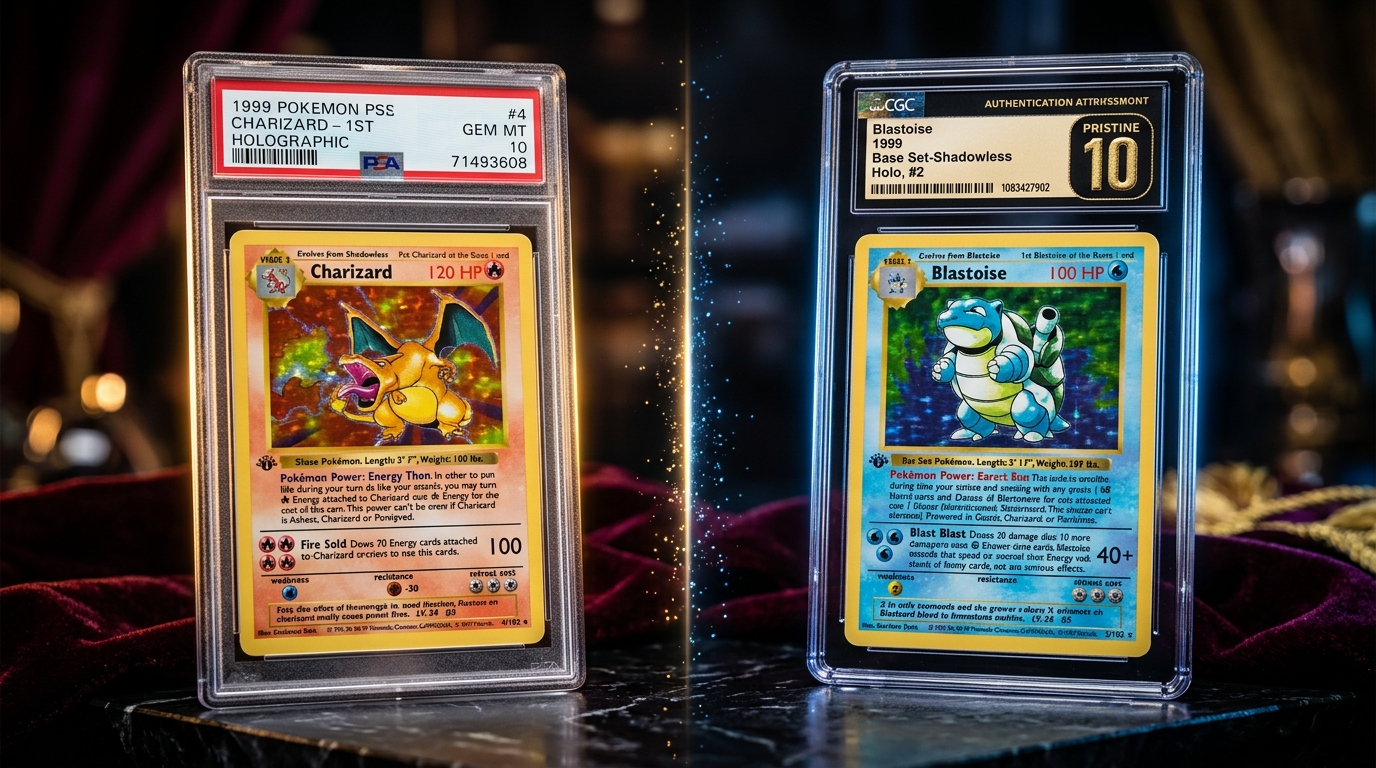
CGC vs PSA in 2026: Which Grader Holds Value Best?
PSA's 2026 Value tier pause has reshaped the grading landscape. We compare CGC vs PSA on pricing, turnaround, resale premiums, and market share to help you choose the right grader for every submission.
Pokemon Price Tracker
Stay Updated
Subscribe to our newsletter for the latest Pokemon card market trends, investment opportunities, and exclusive insights delivered straight to your inbox.