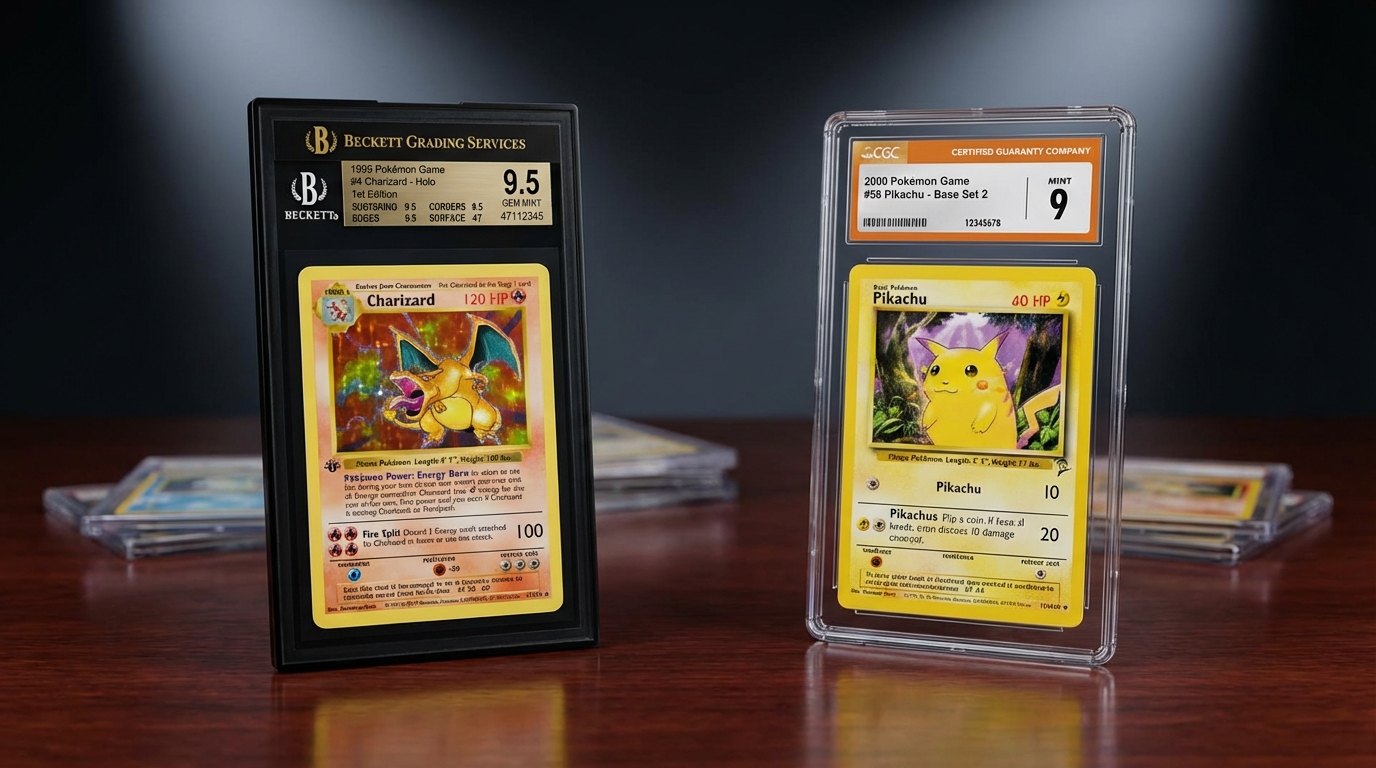
BGS vs CGC Grading: Best Choice for Pokemon Cards 2026
With Pokemon celebrating its 30th Anniversary in 2026, the graded card market has never been more competitive—or more confusing. Whether you're a seasoned collector chasing Black Labels or a newcomer trying to maximize your investment, choosing between BGS (Beckett Grading Services) and CGC (Certified Guaranty Company) can significantly impact your card's value and marketability.
The graded Pokemon market now exceeds $10 billion in total value, and 94% of confirmed collectors own at least one graded card. With Pokemon accounting for 97 of the top 100 cards graded by major companies in early 2025, understanding which grading service fits your goals has become essential knowledge for any serious collector.
This comprehensive guide breaks down everything you need to know about BGS and CGC grading in 2026, from pricing and turnaround times to market perception and resale value.
Understanding the Grading Landscape in 2026
Before diving into the BGS vs CGC comparison, it's important to understand how the Pokemon grading market has evolved. While PSA remains the market leader in terms of volume and general market acceptance, both BGS and CGC have carved out significant niches:
- BGS has long been the premium choice for modern cards and collectors seeking the prestigious Black Label 10
- CGC entered the TCG market in 2020 and has rapidly gained market share, particularly among Pokemon and Magic: The Gathering collectors
- The gap in resale value between these services and PSA is narrowing as collector preferences diversify
BGS (Beckett Grading Services): The Subgrade Specialist
What Makes BGS Unique
BGS revolutionized card grading by introducing subgrades—four separate scores for Centering, Corners, Edges, and Surface. This transparency allows collectors to understand exactly why their card received its grade, making BGS particularly valuable for educational purposes and serious collectors.
BGS Grading Scale
BGS uses a 10-point scale with half-point increments:
- BGS 10 (Pristine): Near-perfect card with all subgrades at 9.5 or 10
- BGS 9.5 (Gem Mint): Exceptionally well-centered with minimal flaws
- BGS 9 (Mint): High-quality card with minor imperfections
- BGS 8.5 and below: Visible wear or centering issues
The Legendary Black Label 10
The BGS Black Label 10 represents the pinnacle of card grading. To achieve this designation, a card must receive perfect 10s on all four subgrades—an achievement so rare that less than 5% of submitted cards earn this distinction.
The market impact is substantial: BGS Black Labels typically command 2-5x the price of a standard PSA 10 for the same card. For example, a Black Label Charizard VMAX from Champion's Path sold for $2,800 in early 2026, while PSA 10 examples traded around $800-$1,000.
BGS Pricing and Turnaround Times (2026)
- Bulk Service: $14.95/card (45+ business day turnaround)
- Subgrade Addition: $3 per card
- Standard Service: $25/card (20-30 business days)
- Express Service: $50/card (10-15 business days)
- Premium Service: $150/card (5-7 business days)
Note: Prices subject to change; verify current rates on BGS website
BGS Strengths
1. Subgrade Transparency The four subgrades provide invaluable feedback for collectors looking to improve their grading knowledge or understand a card's specific weaknesses.
2. Black Label Premium For modern cards with Black Label potential, BGS offers the highest possible ceiling for value appreciation.
3. Strict Centering Standards A BGS 9.5 is generally considered equivalent to a PSA 10 due to more stringent centering requirements, giving BGS 9.5s strong market credibility.
4. Durable Slabs BGS cases are notably thick and protective, offering superior physical protection for valuable cards.
5. Market Recognition BGS has been grading cards since 1999, giving it strong brand recognition and market acceptance.
BGS Weaknesses
1. Lower Overall Market Acceptance BGS graded Pokemon cards typically sell for 75-90% of equivalent PSA grades (excluding Black Labels).
2. Higher Costs Subgrades add to the cost, and achieving Black Labels often requires multiple resubmissions.
3. Bulkier Slabs While protective, BGS slabs take up more storage space and add shipping weight.
4. Inconsistency Concerns Some collectors report variation in grading standards between different BGS graders, particularly for vintage cards.
CGC (Certified Guaranty Company): The Rising Contender
CGC's Rapid Rise in Pokemon
CGC entered the trading card market in 2020, leveraging decades of experience grading comics and coins. Despite being the newest major player, CGC has aggressively captured market share through competitive pricing, fast turnaround times, and a reputation for consistent, strict grading standards.
CGC Grading Scale
CGC uses half-point increments and has introduced multiple tiers of "10" grades:
- CGC Perfect 10: All subgrades perfect (similar to BGS Black Label)
- CGC Pristine 10: Subgrades of 9.5-10
- CGC Gem Mint 10: Standard 10 grade
- CGC 9.5: Excellent centering and minimal flaws
- CGC 9 and below: Increasing visible imperfections
CGC Pricing and Turnaround Times (2026)
- Bulk Service: $12/card (30-40 business days)
- Standard Service: $20/card (15-20 business days)
- Express Service: $40/card (7-10 business days)
- Premium Service: $100/card (3-5 business days)
Note: Prices subject to change; verify current rates on CGC website
CGC Strengths
1. Competitive Pricing CGC consistently offers lower prices than both BGS and PSA across all service tiers, making it attractive for bulk submissions.
2. Faster Turnaround Times CGC has maintained relatively fast turnaround times even during peak submission periods, unlike competitors who have struggled with backlogs.
3. Strict, Consistent Grading CGC has built a reputation for strict grading standards, particularly on centering and surface imperfections. A CGC 10 is considered a true achievement.
4. Modern Slab Design CGC slabs feature a sleek, minimalist design with clear labeling and excellent card visibility. The cases are also UV-protected.
5. Subgrade Options CGC offers optional subgrades similar to BGS, though at an additional cost.
6. Growing Market Acceptance CGC graded cards now sell for 70-85% of equivalent PSA grades, and this gap continues to narrow as more collectors embrace the brand.
CGC Weaknesses
1. Lower Resale Values (Currently) While improving, CGC cards still command lower prices than PSA equivalents in most markets.
2. Limited Track Record With only six years in the TCG market, CGC lacks the decades-long reputation of BGS or PSA.
3. Smaller Population Reports Fewer CGC-graded cards exist compared to PSA or BGS, which can make comp sales harder to find.
4. Perception Challenges Some traditional collectors still view CGC as "lesser" despite objective evidence of quality grading.
Head-to-Head Comparison: BGS vs CGC
Pricing
Winner: CGC
CGC offers lower prices across all service tiers. For bulk submissions, the $12/card rate (vs BGS's $14.95 + $3 for subgrades) adds up quickly when submitting 20+ cards.
Turnaround Time
Winner: CGC
CGC has consistently delivered faster turnaround times in 2025-2026, with bulk submissions typically arriving within 30-40 business days compared to BGS's 45+ days.
Grading Strictness
Winner: Tie (Different Philosophies)
Both are considered strict graders, but in different ways:
- BGS is particularly strict on centering and surface quality
- CGC maintains consistent strictness across all four grading criteria
A CGC 10 and BGS 9.5 are often considered comparable in difficulty to achieve.
Resale Value
Winner: BGS (With Caveats)
For standard grades (9-10), BGS cards typically sell for slightly more than CGC equivalents:
- BGS 9.5: ~85-95% of PSA 10 value
- CGC 10: ~70-85% of PSA 10 value
However, BGS Black Label 10s command 2-5x PSA 10 prices, making BGS the clear winner if you're chasing the highest possible value.
Market Acceptance
Winner: BGS
With 27 years in the card grading business (since 1999), BGS has stronger overall market acceptance, particularly among vintage collectors and international buyers.
Slab Quality
Winner: Personal Preference
- BGS: Thicker, more protective, classic design
- CGC: Sleeker, modern aesthetic, UV protection, better card visibility
Both offer excellent physical protection; the choice comes down to aesthetic preference.
Subgrades
Winner: BGS
BGS includes subgrades as a standard feature (for $3 extra), while CGC charges more for this option. BGS subgrades are also more prominently displayed on the label.
Which Service Should You Choose?
Choose BGS If:
-
You're Grading Modern Chase Cards: Modern cards with Black Label potential (pristine pulls from fresh packs) can achieve astronomical premiums with BGS
-
You Value Subgrade Feedback: If you're building your grading knowledge or want detailed information about your cards, BGS subgrades are invaluable
-
You're Targeting Premium Collectors: High-end collectors often prefer BGS for modern cards, particularly Black Labels
-
You Have Pristine Modern Cards: Fresh pack pulls of chase cards (Charizards, alternate arts, etc.) with Black Label potential
-
You Prefer Established Reputation: BGS's longer track record provides peace of mind for some collectors
Choose CGC If:
-
You're Submitting in Bulk: Lower prices and faster turnaround make CGC ideal for bulk submissions of 20+ cards
-
You're Grading Vintage Cards: CGC's consistent grading standards work well for vintage cards where Black Labels aren't a factor
-
You Value Speed: Faster turnaround times mean quicker flips or faster additions to your collection
-
You're Building a Personal Collection: If you're not planning to sell, CGC's lower costs make it easier to grade more cards
-
You Prefer Modern Aesthetics: CGC's sleek slab design appeals to collectors who prioritize visual presentation
-
You're Cost-Conscious: Every dollar saved on grading fees can be reinvested in more cards
Real-World Examples: BGS vs CGC Value Comparison
Let's examine actual market data from early 2026:
Example 1: Charizard VMAX (Champion's Path)
- BGS Black Label 10: $2,800
- BGS 10 (Pristine): $1,200
- BGS 9.5: $900
- CGC Perfect 10: $1,400
- CGC Pristine 10: $950
- CGC 10: $800
- PSA 10: $1,000
Analysis: BGS Black Label commands a massive premium, but standard CGC 10 offers the best value proposition for buyers.
Example 2: Umbreon VMAX (Evolving Skies Alternate Art)
- BGS Black Label 10: $3,500
- BGS 10: $1,800
- BGS 9.5: $1,400
- CGC Perfect 10: $2,200
- CGC 10: $1,300
- PSA 10: $1,600
Analysis: Again, BGS Black Label dominates, but the gap between standard grades is narrowing.
Example 3: Base Set Charizard (Shadowless)
- BGS 9.5: $45,000
- BGS 9: $22,000
- CGC 9.5: $38,000
- CGC 9: $19,000
- PSA 10: $55,000
- PSA 9: $25,000
Analysis: For vintage cards, PSA maintains the strongest premium, but BGS and CGC are relatively close to each other.
The Cost-Benefit Analysis: Using Data to Decide
Before submitting cards to either service, consider running the numbers to determine if grading makes financial sense. Understanding the potential return on investment can help you decide not just between BGS and CGC, but whether to grade at all.
Key factors to calculate:
- Grading cost (submission fee + shipping + insurance)
- Current raw card value vs expected graded value
- Probability of achieving desired grade
- Time value of money (turnaround time matters)
Tips for Maximizing Value with Either Service
Pre-Submission Best Practices
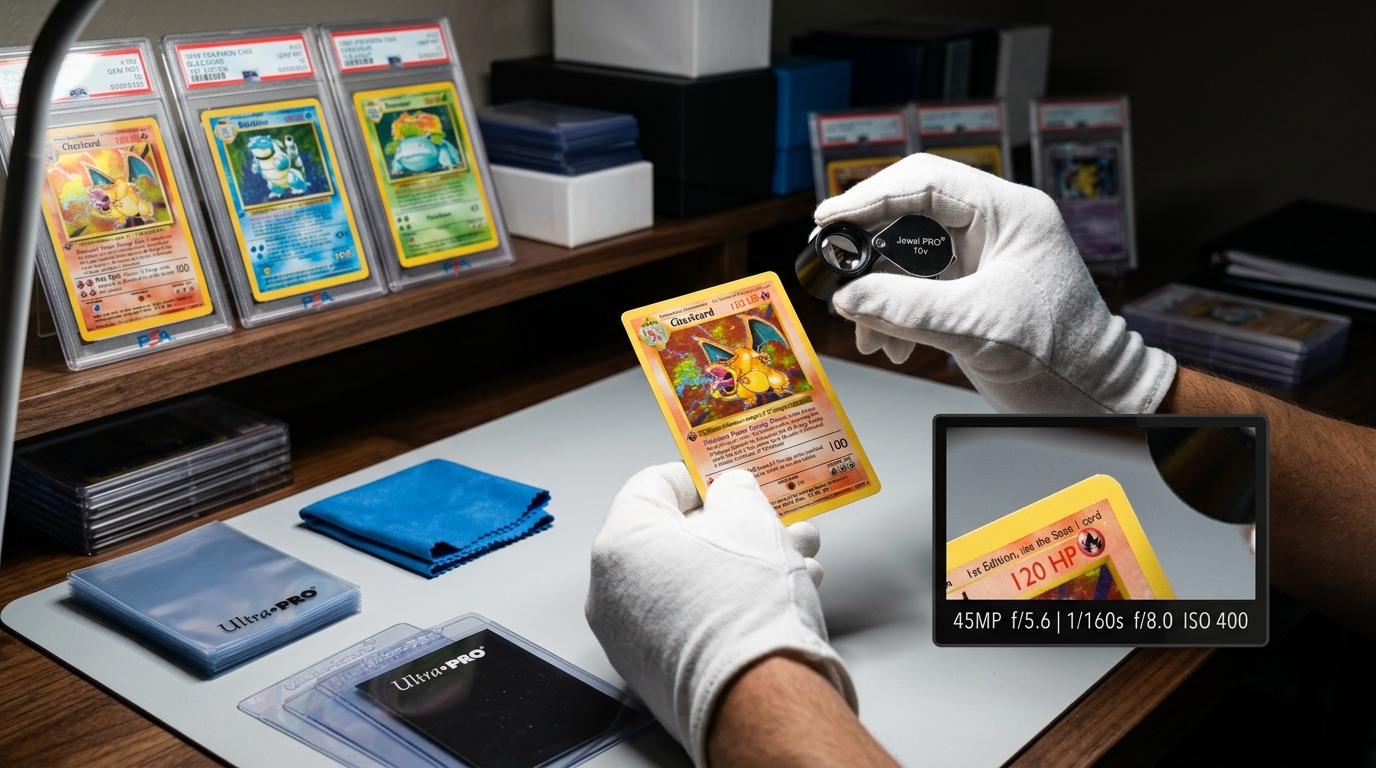
- Inspect Thoroughly: Use a jeweler's loupe to check for surface scratches, print lines, and whitening
- Check Centering: Measure borders with calipers or use the 60/40 rule for BGS, 55/45 for CGC
- Handle Carefully: Use clean gloves and penny sleeves; fingerprints can affect surface grades
- Submit Fresh Pulls: Modern cards straight from packs have the best chance at premium grades
- Research Comps: Check recent sales of the same card in similar grades
Packaging and Shipping
- Use Card Savers: Both BGS and CGC prefer Card Saver I holders
- Don't Tape: Never tape the Card Saver closed
- Pack Securely: Use bubble wrap and rigid cardboard to prevent movement
- Insure Properly: Declare full value for insurance purposes
- Track Everything: Keep submission numbers and tracking information
Strategic Considerations
- Grade Modern Chase Cards with BGS: The Black Label potential justifies the higher cost
- Bulk Vintage with CGC: Lower costs and faster turnaround for cards without Black Label potential
- Consider Crossover: Some collectors grade with CGC first, then crossover exceptional cards to BGS for Black Label attempts
- Time Your Submissions: Avoid peak seasons (post-Christmas, after major set releases) for faster turnaround
Common Misconceptions About BGS and CGC
Myth 1: "CGC is easier to grade with"
Reality: CGC has actually built a reputation for strict grading, particularly on centering. A CGC 10 is a legitimate achievement.
Myth 2: "BGS Black Labels are impossible to get"
Reality: While rare (less than 5%), pristine modern cards from fresh packs do achieve Black Labels regularly. The key is submitting truly flawless cards.
Myth 3: "CGC cards don't sell"
Reality: CGC cards sell readily, just at a 15-30% discount to PSA equivalents currently. This gap has narrowed significantly since 2020.
Myth 4: "You need subgrades to sell a card"
Reality: While subgrades provide transparency, many buyers focus solely on the overall grade, especially for modern cards.
Myth 5: "One service is always better"
Reality: The best choice depends on your specific goals, budget, and the cards you're submitting.
The Future of BGS and CGC in Pokemon
Looking ahead through 2026 and beyond, several trends are worth watching:
Growing CGC Market Share
CGC's aggressive pricing and consistent quality have won over many collectors. Expect the resale value gap to continue narrowing as more population data accumulates.
BGS Black Label Premiums
As Pokemon's 30th Anniversary drives unprecedented interest in pristine modern cards, BGS Black Labels may command even higher premiums for iconic cards.
Increased Specialization
Collectors are becoming more sophisticated, choosing grading services based on specific card characteristics rather than blanket preferences.
Technology Integration
Both services are investing in blockchain verification and digital authentication, which may influence future market dynamics.
Final Verdict: BGS vs CGC in 2026
There's no universal "winner" in the BGS vs CGC debate—the best choice depends entirely on your specific situation:
Choose BGS for:
- Modern chase cards with Black Label potential
- Cards where you want detailed subgrade feedback
- Submissions where maximum value ceiling matters more than cost
- Situations where established market reputation is crucial
Choose CGC for:
- Bulk submissions where cost efficiency matters
- Vintage cards without Black Label potential
- Situations where faster turnaround time is important
- Building a personal collection where resale isn't the primary concern
Consider Both: Many sophisticated collectors use both services strategically—CGC for bulk vintage and mid-tier modern cards, BGS for premium modern cards with Black Label potential.
Key Takeaways
- BGS Black Labels command 2-5x premiums over standard 10s, making BGS ideal for pristine modern chase cards
- CGC offers better pricing and turnaround times, making it excellent for bulk submissions
- Both services grade strictly—a high grade from either represents a quality card
- Market perception is evolving—CGC's resale value gap is narrowing as the service gains acceptance
- Strategic use of both services often yields the best overall results for diverse collections
- Calculate ROI before submitting—not every card benefits from grading, regardless of service
- Subgrades matter more for education than resale value in most cases
- Slab preference is personal—both offer excellent physical protection
Note: Past performance does not guarantee future results. Always do your own research before making investment decisions. Grading costs, turnaround times, and market values fluctuate based on numerous factors.
Making Your Decision
Ultimately, the BGS vs CGC choice comes down to understanding your goals:
- Maximizing value on elite modern cards? BGS
- Cost-effectively grading your collection? CGC
- Building knowledge through subgrades? BGS
- Quick turnaround for sales? CGC
- Chasing the ultimate grade? BGS Black Label
- Consistent, fair grading at scale? CGC
Both BGS and CGC represent legitimate, professional grading services that add value and authenticity to Pokemon cards. As the market continues maturing through Pokemon's 30th Anniversary and beyond, having graded cards from either service positions collectors well for whatever the future holds.
The best approach? Start with a small test submission to each service, compare the results and experience, then make your decision based on firsthand knowledge rather than internet debates. Your cards, your goals, your choice.
Pokemon Price Tracker
Market Analyst
Related Articles
How to Grade Pokemon Cards: Step-by-Step 2026 Guide
Learn how to grade Pokemon cards in 2026 with this complete step-by-step guide covering PSA's paused Value tiers, the $79.99 minimum, pre-screening techniques, and when grading still makes financial sense.
Pokemon Price Tracker

Best Pokemon Booster Boxes to Buy and Hold in 2026
From Evolving Skies to Japanese Pokemon 151, discover the best Pokemon booster boxes to buy and hold in 2026. Data-driven picks, portfolio strategy, and key metrics to watch for long-term sealed investors.
Pokemon Price Tracker
PSA 10 vs PSA 9: 2026 Price Gap Analysis & ROI Data
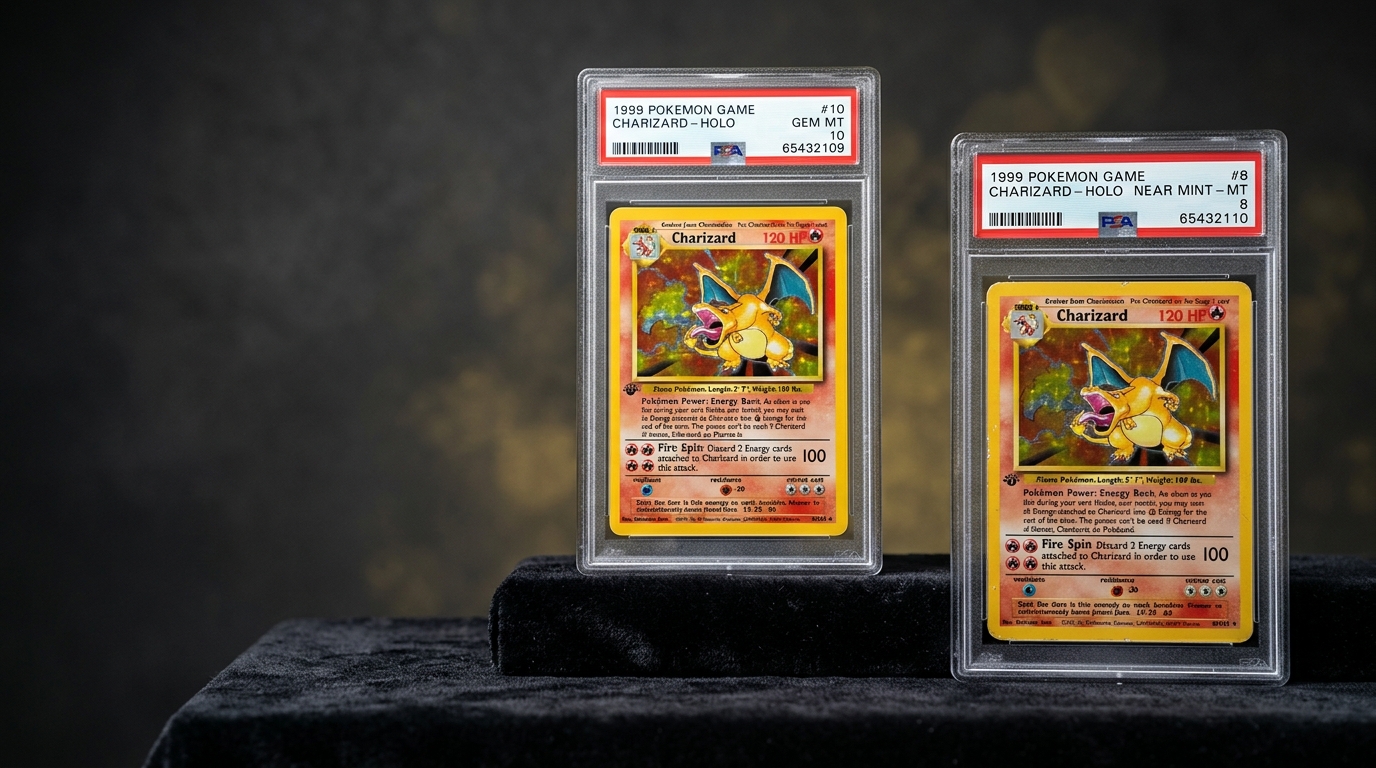
PSA 10s command 3x to 20x more than PSA 9s in 2026, but the gap varies wildly by card and era. We break down real sales data, ROI frameworks, and when grading actually makes financial sense.
Pokemon Price Tracker
Stay Updated
Subscribe to our newsletter for the latest Pokemon card market trends, investment opportunities, and exclusive insights delivered straight to your inbox.