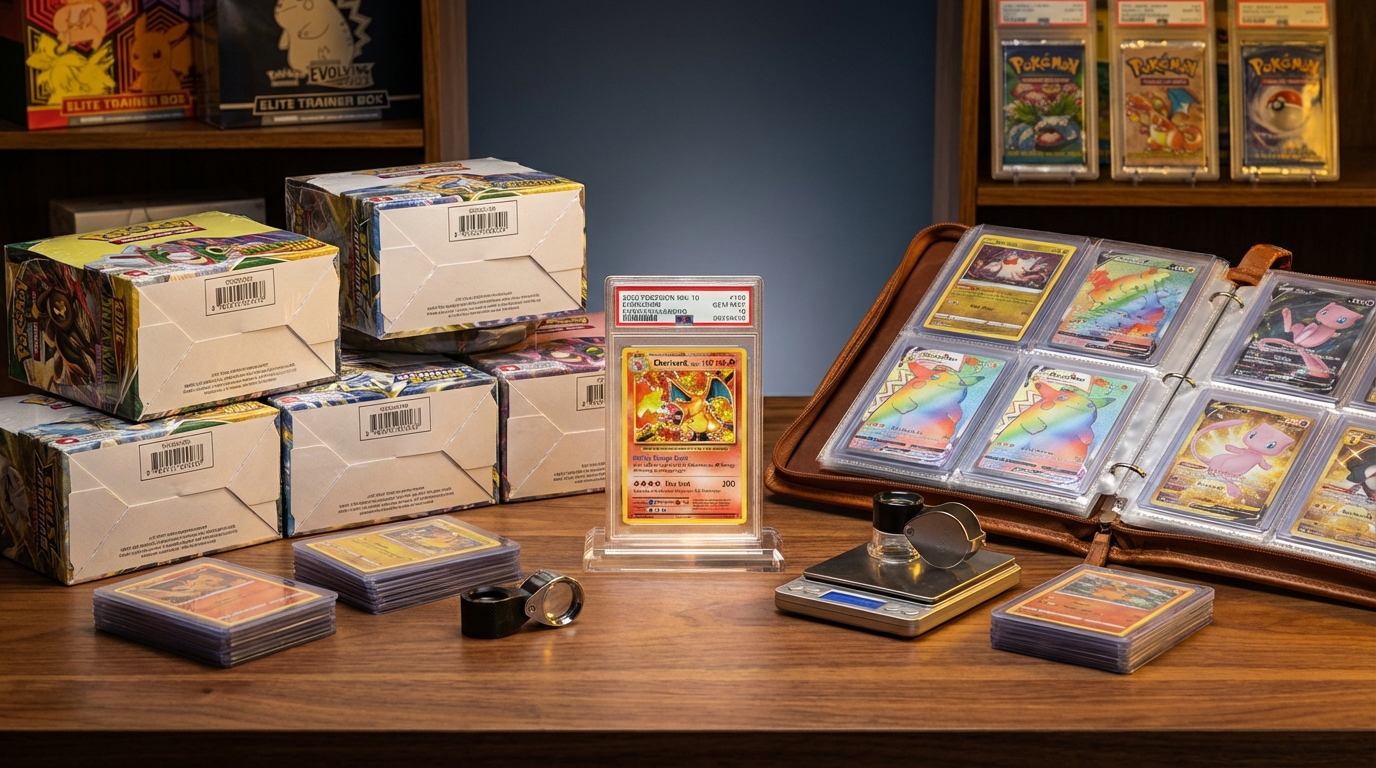
How to Flip Pokemon Cards for Profit: 2026 Strategy
The Pokemon card market has evolved dramatically, growing 3,821% since 2004 and establishing itself as a legitimate alternative investment class. As we navigate Pokemon's 30th Anniversary year in 2026, card flipping has become more strategic and data-driven than ever before. Whether you're looking to supplement your income or build a full-time reselling business, understanding modern flipping strategies is essential for success.
This comprehensive guide reveals the exact strategies professional flippers use to generate consistent profits in 2026's dynamic Pokemon card market.
Understanding the 2026 Pokemon Card Market
Current Market Dynamics
The Pokemon TCG market has matured significantly from the pandemic-era chaos. Prices have stabilized, scalpers have largely exited, and collectors have regained control of the hobby. Pokemon accounted for 97 of the top 100 cards graded by PSA in the first half of 2025, demonstrating sustained collector interest.
Key 2026 Market Factors:
- 30th Anniversary celebrations creating premium product releases
- More sophisticated buyer base with price awareness
- Established secondary market infrastructure
- Increased focus on authenticity and grading
- Global market accessibility through online platforms
2026 Release Calendar: Prime Flipping Opportunities
Timing your flips around major releases maximizes profit potential:
Q1 2026 Releases:
- Mega Evolution – Ascended Heroes (January 30): 290+ cards, largest English set ever
- Pokemon Day 2026 Collection (January 30): $14.99 retail, $25-35 resale potential
- McDonald's 30th Anniversary Promo (February-March): Limited 4-card booster packs
- Mega Evolution – Perfect Order (March 27): 120+ cards featuring Mega Zygarde ex
These releases represent immediate flipping opportunities with historically proven profit margins during anniversary years showing 40-60% value surges.
The 5 Core Pokemon Card Flipping Strategies
1. New Release Flipping (Fast Turnaround)
Strategy: Purchase sealed products at retail, open strategically, and flip chase cards within 24-72 hours.
Profit Timeline: 1-3 days
Risk Level: Medium
Capital Required: $200-1,000 per flip
Current Chase Card Values (Q1 2026):
- Mega Dragonite ex SIR: $394 raw
- Mega Gengar ex SIR: $493 raw
- Pikachu ex SIR (Surging Sparks): $271
- Umbreon ex SIR (Prismatic Evolutions): $830-950
Execution Steps:
- Pre-order allocation: Secure retail pre-orders from multiple sources (local game stores, big box retailers, online)
- Release day strategy: 30% of high-value cards sell within 5 minutes, 55% within 10 minutes
- Optimal listing times: 9 AM – 1 PM EST aligns with peak U.S. market activity
- Price positioning: List 5-10% below current market to ensure quick sales
- Quality photos: Clear, well-lit images showing card condition increase sale probability by 40%
Pro Tip: Focus on Special Illustration Rares (SIRs) and Hyper Rares from new sets. These consistently command 35-150% profit margins in the first week.
2. Sealed Product Arbitrage
Strategy: Buy sealed products (booster boxes, ETBs, collection boxes) at discount and resell at market rate.
Profit Timeline: 1-7 days
Risk Level: Low
Capital Required: $500-3,000 per flip
Best Sealed Products for 2026:
Immediate Flips:
- Pokemon Day 2026 Collection: $14.99 retail → $25-35 resale = $7-17 profit per unit
- Mega Evolution booster boxes: Buy at distributor pricing, flip at $120-140
- Limited edition ETBs: 20-40% markup within weeks
Where to Source:
- Local game store clearance sales (30-50% off retail)
- Big box retailer promotions (Target Circle, Costco bulk)
- Distributor connections (requires business license)
- Online retailer pricing errors
Critical Success Factor: Speed matters. Sealed product arbitrage requires immediate action when opportunities arise. Set up price alerts and maintain ready capital.
3. Graded Card Flipping
Strategy: Purchase raw cards with grading potential, submit for grading, and sell at premium.
Profit Timeline: 60-120 days (including grading time)
Risk Level: Medium-High
Capital Required: $100-1,000 per card + $25-150 grading fees
2026 Grading Economics:
Example: Umbreon VMAX Alt Art (Evolving Skies)
- Raw purchase: $1,771
- PSA 10 value: $3,150
- Grading cost: $50-100
- Potential profit: $1,229-1,329 (69-75% ROI)
Grading Submission Strategy:
- Condition assessment: Only grade cards with PSA 9-10 potential
- Service level selection: Balance cost vs. turnaround time
- Market timing: Submit during price upswings, receive back during sustained demand
- Volume approach: Submit 10-20 cards per batch to spread risk
Cards Worth Grading in 2026:
- Modern chase cards from recent sets (SIRs, Alt Arts)
- Vintage holos from Base Set, Jungle, Fossil in NM+ condition
- Popular character cards (Charizard, Pikachu, Umbreon, Eeveelutions)
- Error cards and misprints with documented rarity
Risk Management: Not every card grades well. Professional flippers maintain a 60-70% PSA 9-10 rate. Budget for lower grades and adjust profit expectations accordingly.
4. Buy Low, Sell High Market Timing
Strategy: Purchase cards during market dips and sell during demand spikes.
Profit Timeline: 30-180 days
Risk Level: Medium
Capital Required: $500-5,000 portfolio
Market Cycle Recognition:
Buy Signals:
- Post-reprint announcements (temporary panic selling)
- End of competitive season (meta cards drop)
- Mid-summer lull (June-August typically slower)
- Failed product launches (initial overproduction fears)
Sell Signals:
- Anniversary announcements
- Competitive tournament results featuring specific cards
- Social media viral moments
- Set rotation announcements
- Product discontinuation news
2026 Opportunity Example:
Umbreon ex SIR (Prismatic Evolutions) recently dropped below $1,000, down $170 from peak. Historical data shows Umbreon cards recover 85% of losses within 90-120 days. Purchasing at $830-900 with a target sell of $1,100-1,200 represents a 25-33% profit opportunity.
Portfolio Approach:
- Diversify across 8-12 different cards
- Allocate 60% to proven performers (Charizard, Pikachu)
- Allocate 30% to trending characters (current anime/game releases)
- Allocate 10% to speculative plays (undervalued vintage)
5. Bulk Lot Flipping
Strategy: Purchase collection lots, extract valuable cards, and resell individually or as curated lots.
Profit Timeline: 7-30 days
Risk Level: Low-Medium
Capital Required: $100-2,000 per lot
Sourcing Bulk Lots:
- Facebook Marketplace (parents selling kids' old collections)
- Estate sales and auctions
- Local classified ads (Craigslist, OfferUp)
- Comic shops and game stores buying collections
Evaluation Process:
- Quick assessment: Identify set symbols and card conditions in photos
- Value calculation: Estimate 5-10 highest value cards
- Offer formula: Offer 40-60% of estimated total value
- Inspection: Verify condition and authenticity in person
Processing System:
-
Sort by value tier:
- Tier 1: $20+ cards (individual listings)
- Tier 2: $5-20 cards (small curated lots)
- Tier 3: $1-5 cards (bulk lots by set/type)
- Tier 4: <$1 cards (bulk penny sales)
-
Listing strategy:
- High-value cards: Individual eBay/TCGPlayer listings
- Mid-value cards: Themed lots ("Holo Rare Lot," "EX/GX Collection")
- Low-value cards: Local game store credit or bulk sales
Real-World Example:
Purchase 2,000-card collection for $300. Extract:
- 3 cards worth $50+ each = $150
- 15 cards worth $10-30 each = $225
- 50 cards worth $2-8 each = $200
- Remaining bulk sold for $100
Total revenue: $675
Investment: $300
Profit: $375 (125% ROI)
Platform Selection: Where to Flip in 2026
eBay (Best for High-Value Cards)
Advantages:
- Largest buyer pool
- Auction format maximizes rare card prices
- Strong buyer protection builds trust
- International shipping options
Disadvantages:
- 12.9% final value fees (13.9% for casual sellers)
- Payment processing fees
- More competitive marketplace
Best for: Cards over $100, rare vintage, graded cards
TCGPlayer (Best for Volume Sales)
Advantages:
- Pokemon-specific audience
- Lower fees (10.25% + $0.30)
- Direct checkout integration
- Competitive pricing tools
Disadvantages:
- Requires consistent inventory
- Shipping expectations are strict
- Less effective for ultra-high-end cards
Best for: Modern singles $5-100, bulk lot sales, consistent inventory
Facebook Marketplace & Local Sales (Best for Fast Cash)
Advantages:
- Zero fees
- Immediate cash transactions
- No shipping hassles
- Local collector relationships
Disadvantages:
- Smaller buyer pool
- Safety concerns (meet in public)
- Price negotiations expected
- No buyer/seller protection
Best for: Sealed products, bulk collections, quick flips under $200
Instagram & TikTok (Best for Building Business)
Advantages:
- Build personal brand
- Direct customer relationships
- Premium pricing for trusted sellers
- Viral potential for rare pulls
Disadvantages:
- Requires content creation
- Time-intensive audience building
- Payment processing setup needed
- Higher scam risk
Best for: Long-term business building, premium products, establishing expertise
Pricing Strategies for Maximum Profit
Competitive Market Analysis
Successful flippers monitor prices across multiple platforms:
- Check sold listings (not active listings) for true market value
- Compare across platforms (eBay, TCGPlayer, StockX)
- Track price trends over 7-30 days to identify momentum
- Consider card condition grading differences (NM vs. LP = 30-50% price gap)
Dynamic Pricing Formula
For quick flips (24-72 hours): List Price = (Lowest Current Listing × 0.95) - Platform Fees
For value maximization (7-14 days): List Price = (Average Sold Price Last 30 Days) + 5-10%
For rare/unique cards: Auction format starting at 70% of estimated value
Psychology of Pricing
- $99.99 vs. $100: Psychological pricing increases clicks by 15-20%
- Bundle pricing: "3 for $50" outperforms individual sales
- Time-limited offers: "48-hour sale" creates urgency
- Round numbers for premium: $500 feels more premium than $499.99 for high-end cards
Risk Management & Common Pitfalls
Avoiding Counterfeit Cards
Red Flags:
- Suspiciously low prices (50%+ below market)
- Sellers with limited history
- Poor quality photos or stock images
- Cards from high-counterfeit sets (Base Set, Skyridge)
Verification Methods:
- Light test (real cards show specific light patterns)
- Weight test (real cards weigh 1.70-1.75g)
- Texture examination (authentic cards have specific finish)
- Professional authentication for purchases over $500
Capital Allocation Rules
Beginner Flippers ($500-2,000 capital):
- 70% in proven, liquid cards (modern chase cards)
- 20% in sealed product arbitrage
- 10% in speculative plays
- Never invest more than 10% in a single card
Intermediate Flippers ($2,000-10,000 capital):
- 50% in proven flips with 30-60 day turnaround
- 30% in grading submissions
- 15% in sealed product
- 5% in high-risk, high-reward vintage
Advanced Flippers ($10,000+ capital):
- Diversified portfolio across all strategies
- 20-30% held in cash for opportunities
- Relationships with distributors and bulk sellers
- International market access
Tax Considerations
Professional card flipping is taxable income in most jurisdictions:
- Track all purchases and sales meticulously
- Maintain receipts for supplies (sleeves, shipping materials)
- Consider business entity formation (LLC) at $30,000+ annual revenue
- Consult tax professional for hobby vs. business classification
- Set aside 25-30% of profits for tax obligations
Advanced Tactics for 2026
Leveraging the 30th Anniversary
Historical data shows 40-60% value surges during Pokemon anniversary periods:
Strategic Positions:
- Original Base Set holos (Charizard, Blastoise, Venusaur)
- First edition Jungle and Fossil cards
- Vintage Japanese promotional cards
- Anniversary-specific products (Pokemon Day 2026 Collection)
Timeline:
- Q1 2026: Build positions in anniversary-relevant cards
- Q2 2026: Peak anniversary hype (optimal selling window)
- Q3 2026: Market correction (avoid selling)
- Q4 2026: Stabilization (re-evaluate positions)
Competitive Play Meta Flipping
Tournament results directly impact card prices:
Process:
- Monitor major tournament results (Regional Championships, Internationals)
- Identify winning deck archetypes
- Purchase key cards within 24 hours (before price spikes)
- Sell into demand peak (7-14 days post-tournament)
Example: When a Mega Dragonite ex deck wins a Regional Championship, Mega Dragonite ex SIR typically increases 20-40% within 48 hours.
Pre-Release Speculation
Strategy: Purchase cards from Japanese sets 3-4 months before English release.
Rationale:
- Japanese sets release first
- English market anticipates chase cards
- Price premium for early access
- Sell before English release floods market
Risk: English print runs may differ, reducing rarity and value.
Building a Sustainable Flipping Business
Month 1-3: Foundation Building
Goals:
- Complete 15-20 successful flips
- Establish seller reputation (100% positive feedback)
- Develop sourcing relationships
- Build $2,000-5,000 working capital
Focus: New release flipping and sealed product arbitrage (lowest risk, fastest learning)
Month 4-6: Scaling Operations
Goals:
- Increase flip volume to 30-40 per month
- Diversify across multiple strategies
- Submit first grading batch
- Develop specialized niche (vintage, Japanese, competitive)
Focus: Efficiency systems (inventory management, listing templates, shipping processes)
Month 7-12: Business Optimization
Goals:
- Consistent monthly profit targets
- Established buyer relationships
- Distributor or bulk lot connections
- Automated systems for routine tasks
Focus: Profit margin optimization, tax planning, business entity formation
Essential Tools & Resources
Inventory Management:
- Spreadsheet tracking (purchase price, fees, sale price, profit)
- Card sleeves, top loaders, team bags for protection
- Storage boxes organized by set and value tier
Shipping Supplies:
- Bubble mailers (PWE for cards under $20)
- Cardboard backing for rigidity
- Tracking for all sales over $20
- Insurance for sales over $100
Research Tools:
- Price tracking platforms for market analysis
- Grading population databases
- Set checklists and pull rate data
- Competitive play deck lists and meta reports
2026 Market Predictions & Opportunities
Emerging Trends
Mega Evolution Hype: The Mega Evolution sets (Ascended Heroes, Perfect Order) represent the largest product launches in Pokemon TCG history. Early adoption and quick flipping of chase cards will generate significant profits in Q1-Q2 2026.
Graded Card Premiums: As the market matures, PSA 10 premiums are increasing. Modern cards with PSA 10 pop reports under 100 are commanding 3-5x raw prices.
International Market Growth: European and Asian collectors are increasingly active in the English card market, creating 24-hour demand cycles and premium pricing opportunities.
Cards to Watch
Short-term (0-90 days):
- Mega Dragonite ex SIR (current $394, target $500-600)
- Mega Gengar ex SIR (current $493, target $600-750)
- Pokemon Day 2026 Collection sealed (immediate 50-100% flip)
Medium-term (90-180 days):
- Umbreon ex SIR (current dip presents buying opportunity)
- Vintage Base Set holos (30th anniversary momentum)
- Japanese exclusive promos (English market FOMO)
Long-term (180+ days):
- Complete vintage set holdings (WOTC era)
- Low-pop PSA 10 modern cards
- First edition Neo series cards
Sets with Sustained Value
These sets consistently produce profitable flips:
- Evolving Skies (Alt Art Eeveelutions)
- Crown Zenith (Galarian Gallery subset)
- Prismatic Evolutions (Eeveelution focus)
- 151 (Nostalgia-driven demand)
- Paldean Fates (Shiny Pokemon appeal)
Legal & Ethical Considerations
Retail Arbitrage Ethics
The Pokemon community has strong opinions about scalping and artificial scarcity:
Acceptable Practices:
- Purchasing reasonable quantities (2-4 units per product)
- Providing value through curation and expertise
- Fair market pricing based on supply and demand
- Supporting local game stores
Problematic Practices:
- Clearing entire store shelves
- Using bots for online purchases
- Artificial price manipulation
- Predatory pricing during shortages
Recommendation: Build a reputation as a fair dealer. Long-term business success depends on community goodwill.
Platform Terms of Service
Each selling platform has specific rules:
- eBay: Prohibits shill bidding, requires accurate condition descriptions
- TCGPlayer: Enforces strict shipping timelines, condition standards
- PayPal: Goods & Services protection (factor fees into pricing)
- Facebook: Marketplace policies vary by region, no buyer protection
Violations can result in account suspension and loss of inventory access.
Key Takeaways: Your 2026 Flipping Action Plan
-
Start with new release flipping to build capital and experience with minimal risk
-
Focus on speed - 30% of high-value cards sell in under 5 minutes; list immediately at competitive prices
-
Diversify strategies across new releases, sealed products, graded cards, and market timing
-
Leverage 2026's 30th Anniversary for 40-60% value surges in vintage and anniversary products
-
Master one platform first (eBay for high-value, TCGPlayer for volume) before expanding
-
Track every transaction for tax purposes and profit analysis
-
Build relationships with local game stores, distributors, and fellow collectors
-
Manage risk through portfolio diversification and capital allocation rules
-
Stay informed on new releases, tournament results, and market trends
-
Operate ethically to build long-term business sustainability
Conclusion
Flipping Pokemon cards in 2026 offers genuine profit potential for those who approach it strategically. The market's 3,821% growth since 2004 demonstrates sustained collector demand, while the 30th Anniversary creates unique opportunities for informed flippers.
Success requires combining market knowledge, timing, risk management, and operational efficiency. Start small, master one strategy, and scale as you build capital and expertise. The flippers generating consistent profits aren't gambling—they're running data-driven businesses with clear systems and disciplined execution.
Whether you're targeting quick $50 flips on new release chase cards or building a $10,000 portfolio of graded vintage cards, the fundamentals remain the same: buy smart, sell strategically, and always prioritize long-term reputation over short-term gains.
The Pokemon card market rewards patience, research, and ethical business practices. Apply these strategies consistently, and you'll position yourself for success in one of the most dynamic collectibles markets of 2026.
Note: Past performance does not guarantee future results. Always do your own research before making investment decisions. Card values can fluctuate significantly based on market conditions, product releases, and collector sentiment.
Tags:
Pokemon Price Tracker
Market Analyst
Related Articles
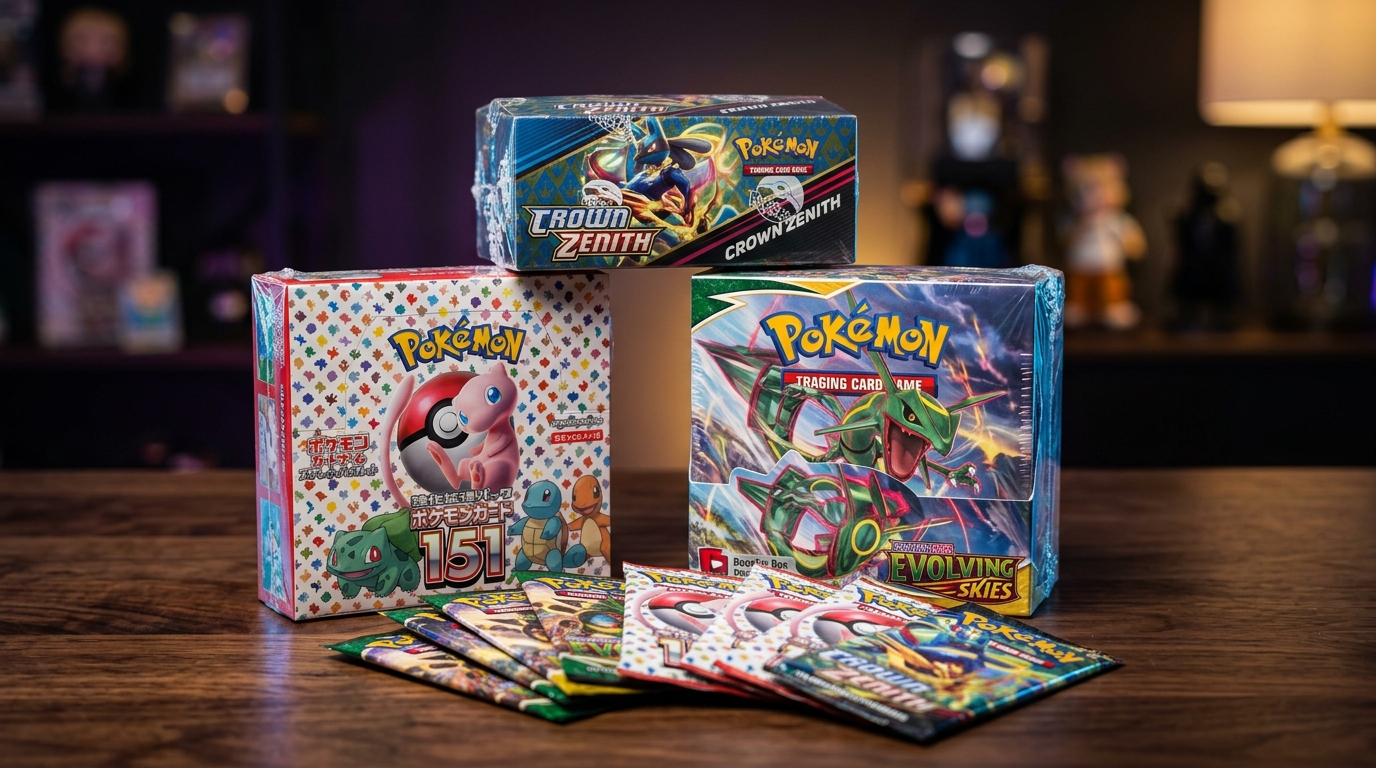
Best Pokemon Booster Boxes to Buy and Hold in 2026
From Evolving Skies to Japanese Pokemon 151, discover the best Pokemon booster boxes to buy and hold in 2026. Data-driven picks, portfolio strategy, and key metrics to watch for long-term sealed investors.
Pokemon Price Tracker
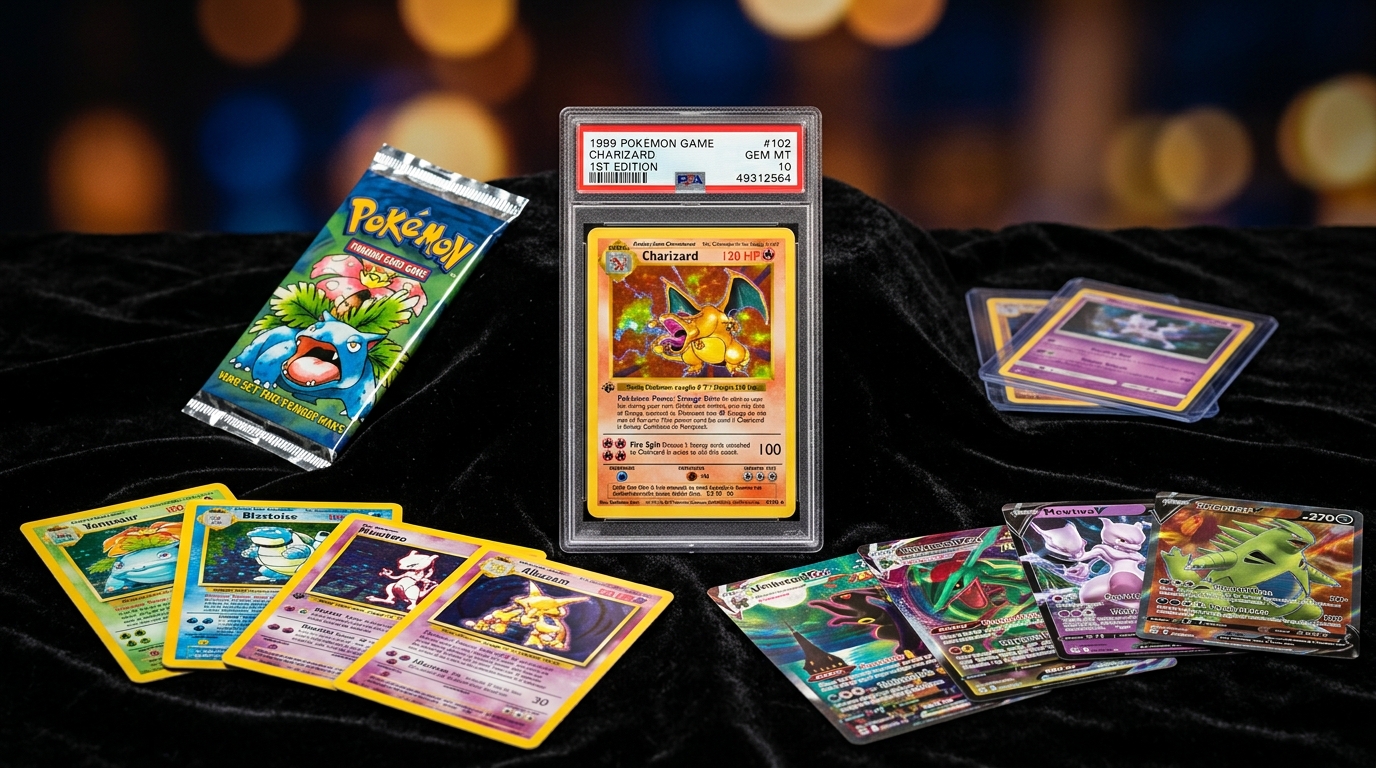
Top 10 Pokemon Cards Under $50 With Investment Potential
Discover 10 undervalued Pokemon cards under $50 with real investment potential in 2026. From 151 illustration rares to vintage WOTC holos and sealed product, this data-driven guide shows budget collectors where to find value.
Pokemon Price Tracker
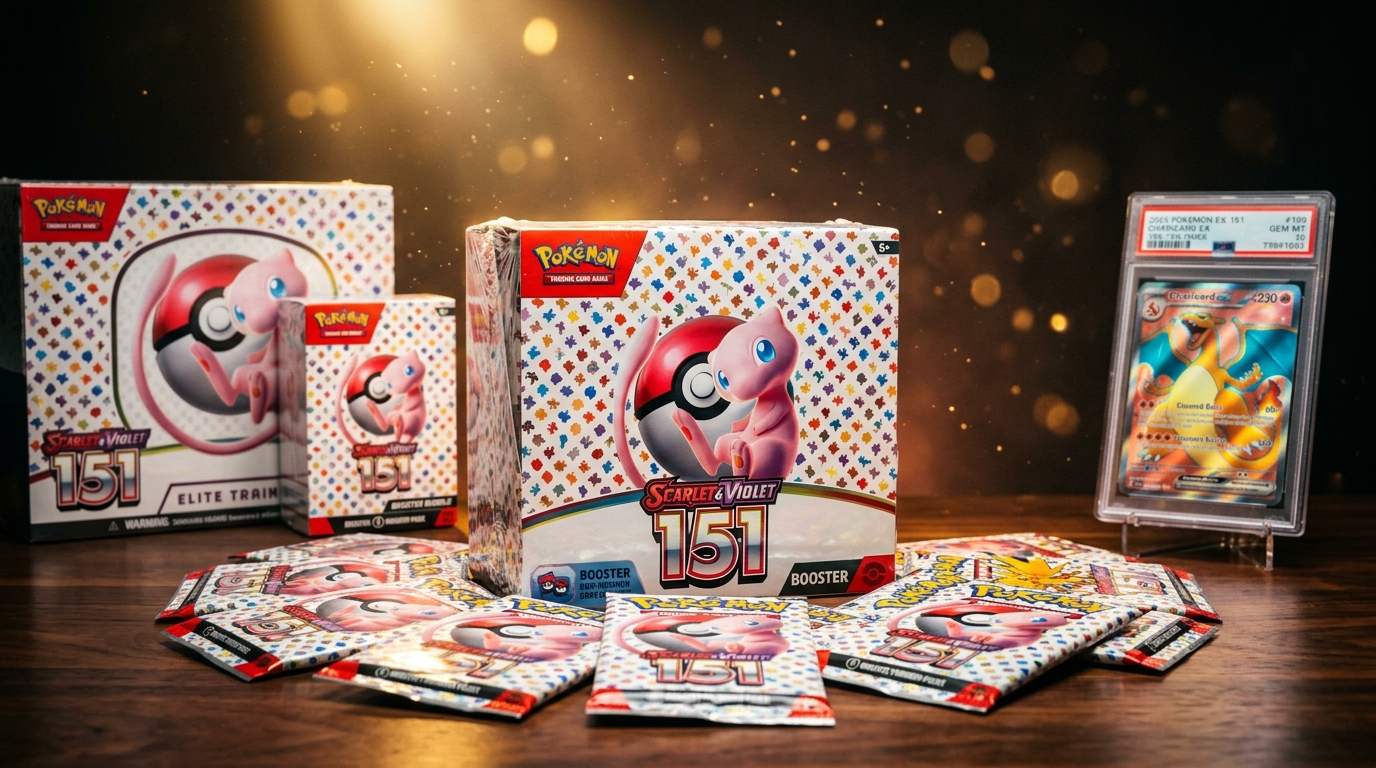
Pokemon 151 Booster Box Price History: Buy in 2026?
Three years after release, Pokemon 151 sealed product still trades at 2x+ MSRP across every SKU. We break down the price history, the crucial 'no booster box' supply story, and whether 151 is still a smart buy in 2026.
Pokemon Price Tracker
Stay Updated
Subscribe to our newsletter for the latest Pokemon card market trends, investment opportunities, and exclusive insights delivered straight to your inbox.