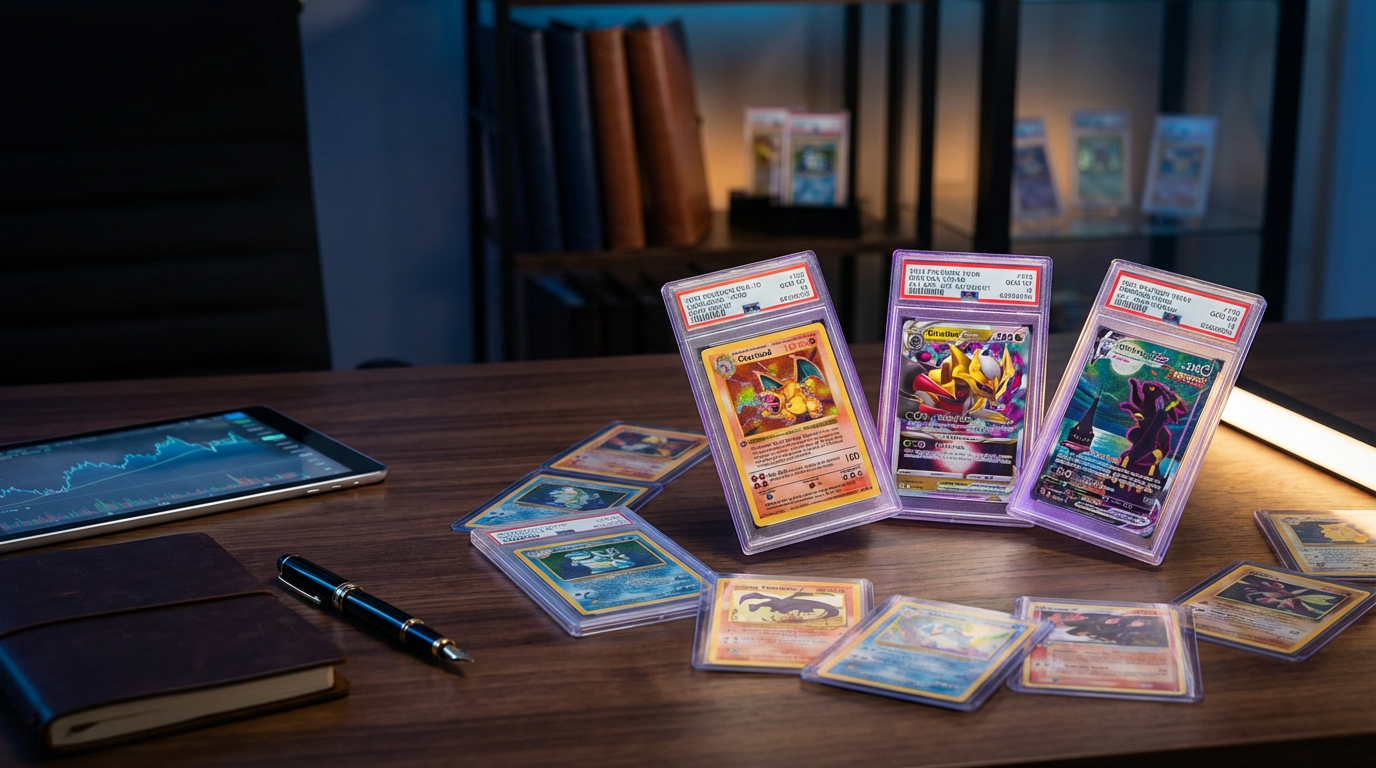
When to Sell Pokemon Cards: Timing the Market in 2026
Knowing when to buy Pokemon cards is one thing—knowing when to sell them is an entirely different skill. As Pokemon celebrates its 30th anniversary in 2026, collectors and investors face unprecedented opportunities to maximize returns. But timing is everything. Sell too early, and you leave money on the table. Hold too long, and you might miss the peak entirely.
This comprehensive guide breaks down the science and strategy behind timing your Pokemon card sales in 2026, using data-driven insights and market patterns to help you make informed decisions.
Understanding Pokemon Card Market Cycles
The Pokemon card market doesn't move randomly—it follows predictable patterns that savvy sellers can leverage.
The Four-Phase Market Cycle
Every major Pokemon release or event triggers a recognizable cycle:
- Anticipation Phase: Prices begin rising 2-4 weeks before a major release as collectors pre-order and speculators position themselves
- Peak Phase: The first 2-4 weeks after release see maximum hype, limited supply, and inflated prices
- Correction Phase: Weeks 4-12 bring profit-taking, increased supply, and declining prices (typically 30-50% drops)
- Consolidation Phase: Months 3-12+ see gradual stabilization and long-term value establishment
Understanding which phase you're in is crucial for timing your sales effectively.
Historical Cycle Examples
25th Anniversary (2021): Special releases experienced 40-60% value surges during the peak phase, followed by 35-45% corrections, before stabilizing at 20-30% above pre-hype levels.
Evolving Skies (2021): Alt art Rayquaza VMAX peaked at $450-500 in weeks 2-3, dropped to $280-320 by month 4, then climbed to $380-420 by month 12.
These patterns repeat consistently, providing a roadmap for strategic selling.
The 30th Anniversary Factor: 2026's Unique Opportunity
Pokemon's 30th anniversary on February 27, 2026, creates a once-in-a-decade opportunity for sellers.
Why This Anniversary Matters More
Historical data shows major Pokemon anniversaries (10th, 20th, 25th) consistently drive:
- 30-50% price increases for vintage cards in the 6 months leading up to the anniversary
- Sustained media attention bringing new collectors into the market
- Retrospective coverage that rekindles interest in older sets
- Special releases that create spillover demand for related cards
2026 Anniversary Timeline Strategy
January-February (Pre-Anniversary Peak)
- Modern special releases (Pokemon Day 2026 Collection, Mega Evolution sets) hit maximum hype
- Vintage card prices accelerate as anniversary approaches
- Selling Window: Excellent for modern cards from recent special sets
Late February-March (Anniversary Peak)
- McDonald's 30th Anniversary collaboration drives viral social media engagement
- Mainstream media coverage peaks
- Selling Window: Prime time for vintage cards and anniversary-related modern cards
April-June (Post-Anniversary Correction)
- Standard Format rotation (April 10) creates competitive card volatility
- Anniversary hype subsides, prices begin normalizing
- Selling Window: Poor timing for most cards—wait for next catalyst
July-December (Consolidation & Recovery)
- Market stabilizes at new baseline prices
- Holiday season (November-December) brings renewed buying activity
- Selling Window: Good for cards that maintained value post-correction
Key Market Signals: When to Pull the Trigger
Signal #1: Viral Social Media Momentum
When a card starts trending on TikTok, YouTube, or Twitter/X, you have a 7-14 day window before prices peak. Monitor:
- Unboxing video view counts (1M+ views = strong signal)
- Reddit r/PokemonTCG discussion volume
- eBay "watchers" on your specific card
- Google Trends search volume spikes
Action: List within 3-5 days of viral momentum starting, set competitive pricing to capture peak demand.
Signal #2: Tournament Meta Shifts
Competitive play drives significant short-term price movements:
- Major tournament wins: Cards that win Regional Championships or International events see 20-40% price jumps within 48 hours
- New deck archetypes: When a previously overlooked card becomes meta-defining, sell within the first week
- Format rotation announcements: Sell rotating cards 2-4 weeks before rotation date (April 10, 2026)
Action: Follow competitive Pokemon news closely. The window for tournament-driven sales is narrow—typically 5-10 days.
Signal #3: Supply Flooding Indicators
Recognize when supply is about to overwhelm demand:
- Reprint announcements for previously scarce sets
- Major retailers restocking previously sold-out products
- PSA/CGC submission volumes spiking for specific cards
- Multiple high-grade copies appearing on auction sites simultaneously
Action: Sell immediately when reprint rumors surface—don't wait for confirmation.
Signal #4: Graded Population Milestones
Graded card values are inversely related to population:
- PSA 10 population under 50: Premium pricing sustainable
- PSA 10 population 50-200: Strong pricing with some competition
- PSA 10 population 200-500: Moderate pricing pressure
- PSA 10 population 500+: Significant price compression
Monitor population data for your cards. When populations cross critical thresholds (especially 200 and 500), consider selling before further dilution.
Action: Sell before populations reach the next milestone, not after.
Optimal Selling Windows by Card Category
Modern Special Set Cards (2024-2026)
Best Selling Window: Weeks 2-4 after release
Why: Supply is limited, hype is maximum, and prices are consistently inflated. Early adopters pay premiums for immediate gratification.
Example: Pokemon Day 2026 Collection (released January 30, 2026) will likely peak at $25-35 in February, then settle to $18-24 by April.
Strategy: Pre-order multiple copies, sell 80% during peak window, hold 20% for long-term.
Vintage WOTC Cards (1999-2003)
Best Selling Window: Major anniversary periods OR grading company special events
Why: Vintage cards have established collector bases and benefit from nostalgia-driven buying during milestone events.
2026 Specific Timing:
- February-March: 30th anniversary peak (optimal)
- July: Mid-year grading company promotions
- November-December: Holiday gift buying
Strategy: Hold through quiet periods, sell during nostalgic catalysts.
Competitive Play Cards (Current Standard Format)
Best Selling Window: Immediately after tournament success OR 2-4 weeks before format rotation
Why: Competitive demand is time-sensitive and rotation-dependent.
2026 Specific Timing:
- January-March: Peak competitive season before rotation
- Late March: Final push before April 10 rotation
- Avoid April-June: Post-rotation value collapse
Strategy: Monitor tournament results weekly, sell within 48-72 hours of competitive validation.
Modern Chase Cards (Recent Sets' Top Cards)
Best Selling Window: 6-12 months after release
Why: Initial hype subsides, but long-term collectibility becomes clear. True chase cards appreciate after correction phase.
Example: Evolving Skies alt arts dropped 30-40% months 2-4, then recovered and exceeded initial peaks by month 10-14.
Strategy: Avoid the initial peak and correction. Sell during the recovery phase when upward momentum returns.
Japanese Exclusive Cards
Best Selling Window: 2-3 weeks after English collectors discover them
Why: Information lag between Japanese and English markets creates arbitrage opportunities.
Strategy: Follow Japanese release calendars, import early, sell when English-market awareness peaks.
Advanced Timing Strategies
The "Ladder Selling" Approach
Never sell your entire position at once. Instead:
- Sell 25% at first peak signal
- Sell 25% if price increases another 15-20%
- Sell 25% at what appears to be absolute peak
- Hold 25% for long-term or unexpected further appreciation
This strategy ensures you capture gains while maintaining upside exposure.
The "Comparative Pricing" Method
Before selling, check:
- Recent eBay sold listings: Last 30 days, filter by condition
- Current active listings: What's your competition?
- Historical price charts: Is this price an outlier or new normal?
- Graded vs. raw spreads: Sometimes raw cards offer better value
Pokemonpricetracker.com provides comprehensive price history data to inform these comparisons.
The "News Catalyst" Strategy
Major Pokemon announcements create predictable selling windows:
- New game announcements: Sell cards featuring newly-announced Pokemon within 48 hours
- Movie/anime reveals: Character-focused cards spike when featured prominently
- Collaboration announcements: Related themed cards see 15-30% bumps
Action: Set Google Alerts for "Pokemon announcement" and "Pokemon news" to catch catalysts early.
The "Grading Arbitrage" Play
Raw cards and graded cards have different optimal selling times:
Raw Cards: Sell during general market hype when buyers aren't focused on condition
Graded Cards: Sell when:
- Grading company promotions increase submission costs (making existing slabs more valuable)
- Population reports show your grade becoming scarcer
- Market shifts toward condition-conscious collecting
Use our Grading ROI Calculator to determine if grading before selling makes financial sense.
Common Selling Mistakes to Avoid
Mistake #1: Emotional Attachment Override
The Problem: Refusing to sell at peak because "it might go higher" or holding because of sentimental value.
The Solution: Separate collecting from investing. Decide upfront: Is this card for your personal collection or for profit? If profit, set predetermined sell targets and stick to them.
Mistake #2: Waiting for "Perfect" Timing
The Problem: Analysis paralysis—waiting for the absolute peak and missing the entire selling window.
The Solution: Use the ladder selling approach. Perfection is impossible; consistent profit-taking is achievable.
Mistake #3: Ignoring Fees and Taxes
The Problem: Calculating profit without accounting for:
- Platform fees (eBay 12.9%, TCGPlayer 10.25%)
- Shipping and supplies (3-8% of sale price)
- Capital gains taxes (varies by jurisdiction and holding period)
The Solution: Calculate net profit, not gross revenue. A $500 sale might net only $400 after all costs.
Mistake #4: Panic Selling During Corrections
The Problem: Selling during the correction phase (weeks 4-12) when prices are temporarily depressed.
The Solution: Understand the cycle. If you missed the peak, often better to hold through correction and sell during recovery phase.
Mistake #5: Overestimating Condition
The Problem: Listing a card as "Near Mint" when it's actually "Lightly Played," leading to returns and negative feedback.
The Solution: Grade conservatively. When in doubt, grade down. Positive surprises build reputation; negative surprises destroy it.
Platform-Specific Timing Considerations
eBay Timing Tactics
Best Auction End Times:
- Sunday evenings 7-10 PM EST: Maximum bidder activity
- Avoid Monday-Wednesday: Lower traffic and final bids
- 7-10 day auctions: Optimal for capturing weekend bidders twice
Buy It Now Strategy:
- Price 10-15% above recent sold listings during hype peaks
- Enable "Best Offer" to capture motivated buyers
- Relist every 3-4 days with fresh timestamps for visibility
TCGPlayer Timing Tactics
Competitive Pricing Windows:
- Friday-Sunday: Tournament players buying for weekend events
- New set Fridays: Spillover traffic from new releases
- Price 2-5% below lowest verified seller: Capture "buy now" impulse buyers
Avoid:
- Monday-Tuesday: Lowest traffic days
- Mid-month: Buyers often wait for payday cycles
Social Media Direct Sales
Peak Engagement Times:
- Instagram/TikTok: Post listings 6-9 PM in your target timezone
- Facebook Groups: Early morning (6-8 AM) and evening (8-10 PM)
- Reddit: Varies by subreddit; check traffic stats
Strategy: Build reputation over time, then leverage during peak selling windows for premium prices.
Tax Implications and Record-Keeping
Timing your sales can have significant tax implications:
Short-Term vs. Long-Term Capital Gains
Short-Term (held < 1 year): Taxed as ordinary income (potentially 22-37% in US)
Long-Term (held > 1 year): Taxed at preferential rates (0-20% in US)
Strategic Timing: If you're near the 1-year holding mark and not at a critical market peak, waiting a few weeks can save thousands in taxes.
Record-Keeping Essentials
Document for every card:
- Purchase date and price (including fees)
- Sale date and price (including fees)
- Condition notes and photos
- Grading costs (if applicable)
- Shipping and insurance costs
Proper records protect you during audits and maximize deductible expenses.
2026 Specific Selling Calendar
Based on confirmed releases and historical patterns:
January 2026
- Weeks 1-2: Sell competitive cards before rotation announcement
- Week 3-4: Pre-anniversary vintage card appreciation begins
- Week 4+: Pokemon Day Collection and Mega Evolution releases create selling opportunities
February 2026
- Weeks 1-3: Peak 30th anniversary hype—optimal for vintage and anniversary-themed cards
- Week 4: McDonald's collaboration drives mainstream attention—sell nostalgia cards
March 2026
- Weeks 1-2: Extended anniversary momentum—final push for vintage sales
- Weeks 3-4: Pre-rotation competitive card sales peak
- Week 4: Mega Evolution – Perfect Order release creates new opportunities
April 2026
- Week 1: Final days before rotation—last chance for rotating competitive cards
- Week 2+: Post-rotation correction—avoid selling most cards
May-August 2026
- Consolidation period: Hold unless you have tournament-winning cards
- Monitor summer releases: New catalysts may emerge
September-October 2026
- Fall competitive season: Renewed demand for meta cards
- Halloween-themed cards: Seasonal premium (10-20% bump)
November-December 2026
- Holiday gift buying: Strong selling window for all categories
- Year-end profit-taking: Tax-loss harvesting creates buying opportunities
- Avoid late December: Buyers exhausted, wait for January
When NOT to Sell
Sometimes the best decision is to hold:
Hold When:
- You're in the correction phase (weeks 4-12 post-release) and missed the peak
- A reprint is rumored but not confirmed—wait for clarity
- Graded population is still very low (PSA 10 under 50) and growing slowly
- The card has long-term iconic status (Charizards, Pikachus, Eeveelutions)
- You haven't held for 1 year yet and tax savings would be significant
- Market-wide correction is happening—individual card timing won't matter
- You need the card for competitive play—opportunity cost of replacement
The Long-Term Hold Strategy
Some cards are better as 5-10 year holds:
- 1st Edition Base Set holos: 15-25% compound annual growth rate projected through 2035
- Iconic alt arts from modern sets: Historical precedent suggests 3-5x appreciation over 5-7 years
- Low-population PSA 10s: Scarcity increases over time as more cards get damaged
The Pokemon TCG market has grown 3,821% since 2004, dramatically outperforming traditional investments. Sometimes the best timing strategy is patience.
Building Your Selling Strategy
Create a personalized selling framework:
Step 1: Categorize Your Collection
Label each card:
- Personal collection (never sell)
- Short-term flip (sell at first optimal window)
- Medium-term hold (6-18 months)
- Long-term investment (3+ years)
Step 2: Set Predetermined Targets
For each card, establish:
- Minimum acceptable price: Below this, you hold
- Target price: Your goal based on market research
- Dream price: If it hits this, you sell immediately
Step 3: Monitor Market Indicators
Weekly review:
- Recent sold listings for your cards
- Upcoming release calendar
- Tournament results and meta shifts
- Grading population changes
- Social media sentiment
Step 4: Execute Systematically
When selling signals align:
- Verify condition and take quality photos
- Research current market pricing
- Choose optimal platform and listing format
- Price competitively based on urgency
- Ship quickly and professionally
- Document for tax purposes
Key Takeaways
Timing Principles:
- Pokemon card markets follow predictable cycles—learn to recognize them
- The 30th anniversary in 2026 creates exceptional selling opportunities in Q1
- Sell modern cards during initial hype (weeks 2-4), vintage cards during nostalgic catalysts
- Tournament success creates 48-72 hour selling windows—act fast
- Use ladder selling to capture gains while maintaining upside exposure
Strategic Guidelines:
- Monitor social media, tournament results, and release calendars weekly
- Separate emotional collecting from strategic investing
- Account for all fees and taxes when calculating profit
- Sometimes the best decision is to hold—patience often beats timing
- Build systematic processes rather than relying on gut feelings
2026 Specific Opportunities:
- February-March: Peak 30th anniversary window for vintage cards
- January 30: Pokemon Day Collection and Mega Evolution releases
- April 10: Format rotation creates pre-rotation selling urgency
- November-December: Holiday buying provides strong year-end window
Note: Past performance does not guarantee future results. Always do your own research before making investment decisions.
The Pokemon card market rewards those who combine patience with strategic timing. By understanding market cycles, recognizing key signals, and executing systematically, you can maximize returns while minimizing regret. The 30th anniversary makes 2026 particularly opportune—but only for sellers who time their moves wisely.
Whether you're selling a single chase card or liquidating an entire collection, the principles remain the same: know your market, understand the cycles, set clear targets, and execute decisively when opportunities arise. Master these skills, and you'll consistently sell at the right time—not just in 2026, but for years to come.
Tags:
Pokemon Price Tracker
Market Analyst
Related Articles

Best Pokemon Booster Boxes to Buy and Hold in 2026
From Evolving Skies to Japanese Pokemon 151, discover the best Pokemon booster boxes to buy and hold in 2026. Data-driven picks, portfolio strategy, and key metrics to watch for long-term sealed investors.
Pokemon Price Tracker
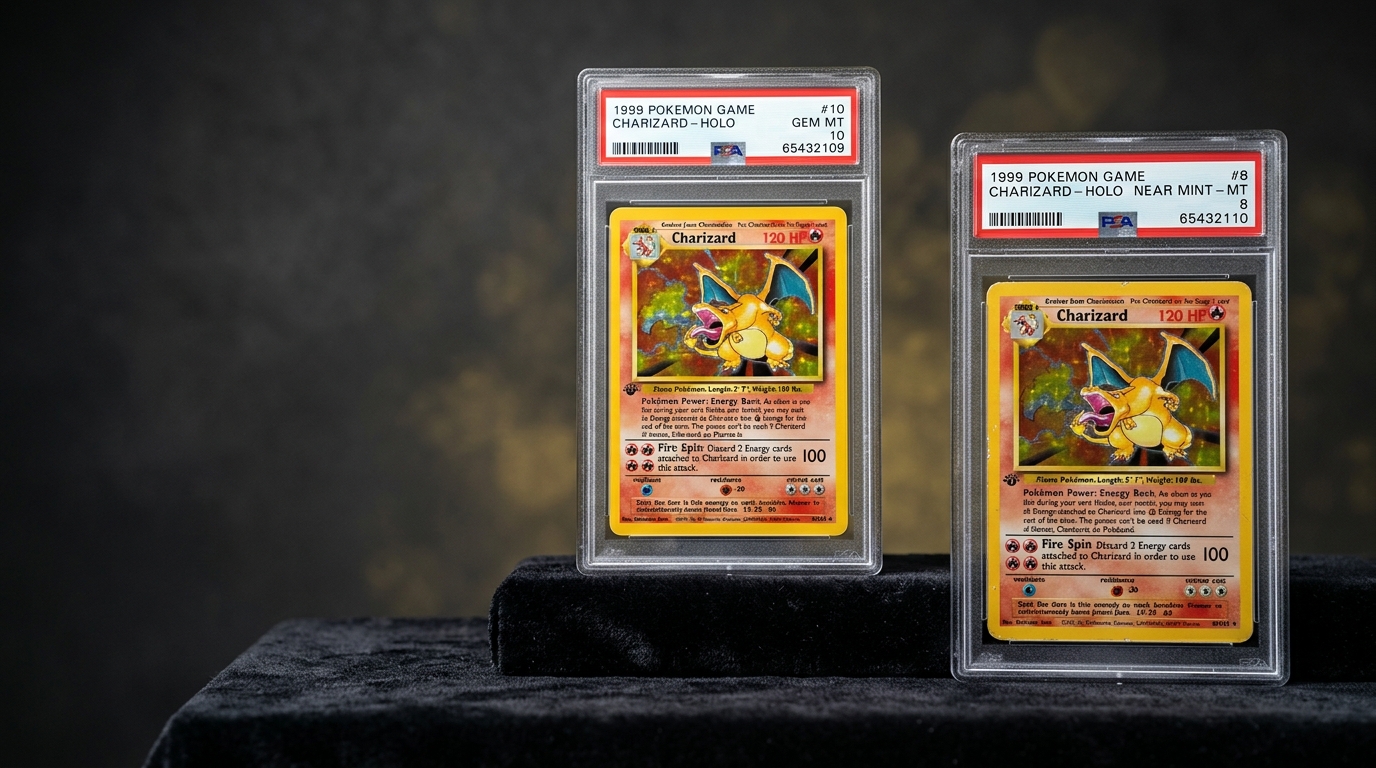
PSA 10 vs PSA 9: 2026 Price Gap Analysis & ROI Data
PSA 10s command 3x to 20x more than PSA 9s in 2026, but the gap varies wildly by card and era. We break down real sales data, ROI frameworks, and when grading actually makes financial sense.
Pokemon Price Tracker
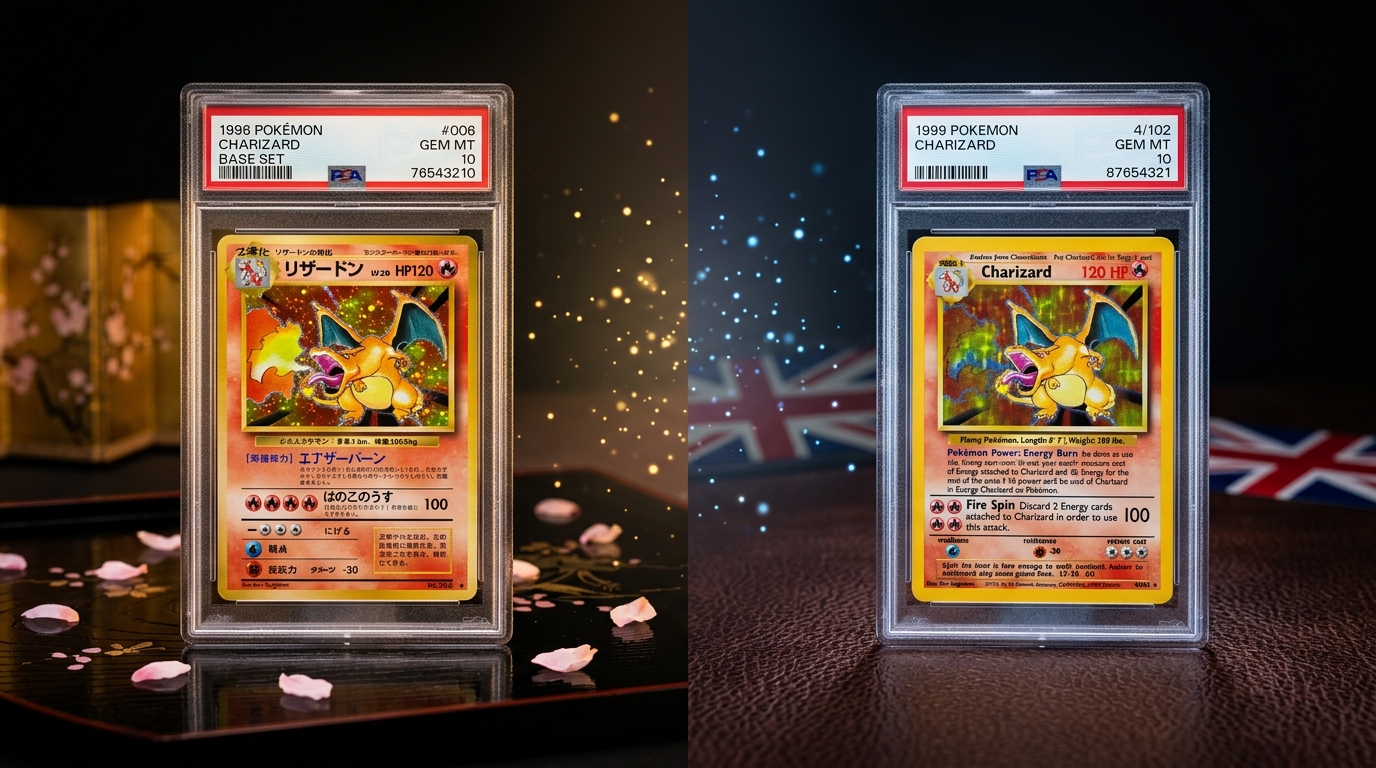
Japanese vs English Pokemon Cards: Which Holds Value in 2026?
The Japanese vs English Pokemon card debate has fundamentally shifted in 2026. Japanese PSA 10s now command 20-40% premiums over English equivalents, while raw English cards still cost 2x-6x more. Here's how to navigate both markets strategically.
Pokemon Price Tracker
Stay Updated
Subscribe to our newsletter for the latest Pokemon card market trends, investment opportunities, and exclusive insights delivered straight to your inbox.