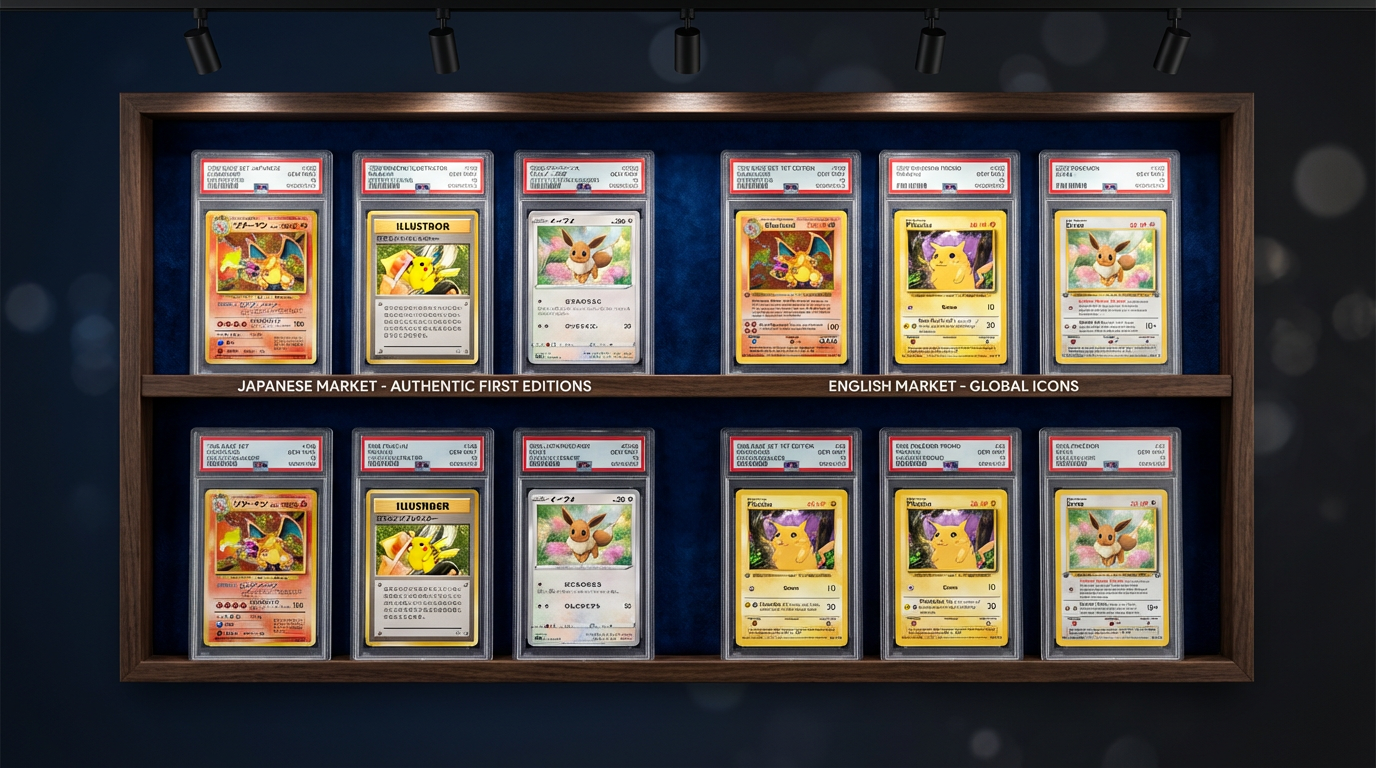
As Pokemon celebrates its 30th anniversary in 2026, collectors and investors face a critical question: should you invest in Japanese or English Pokemon cards? With vintage card prices projected to surge 30-50% during this milestone year, understanding the value differences between these two markets has never been more important.
The answer isn't straightforward. While Japanese cards often command premiums averaging 258.7% for certain categories, English versions of iconic cards can reach astronomical prices—like the 1st Edition Base Set Charizard selling for approximately $420,000. This comprehensive guide examines both markets to help you make informed collecting and investment decisions.
Understanding the Japanese vs English Pokemon Card Market
Market Size and Global Reach
The English Pokemon card market dominates in terms of sheer volume and accessibility. Distributed across North America, Europe, and Australia, English cards benefit from widespread availability and a massive collector base that grew up with the franchise in the late 1990s.
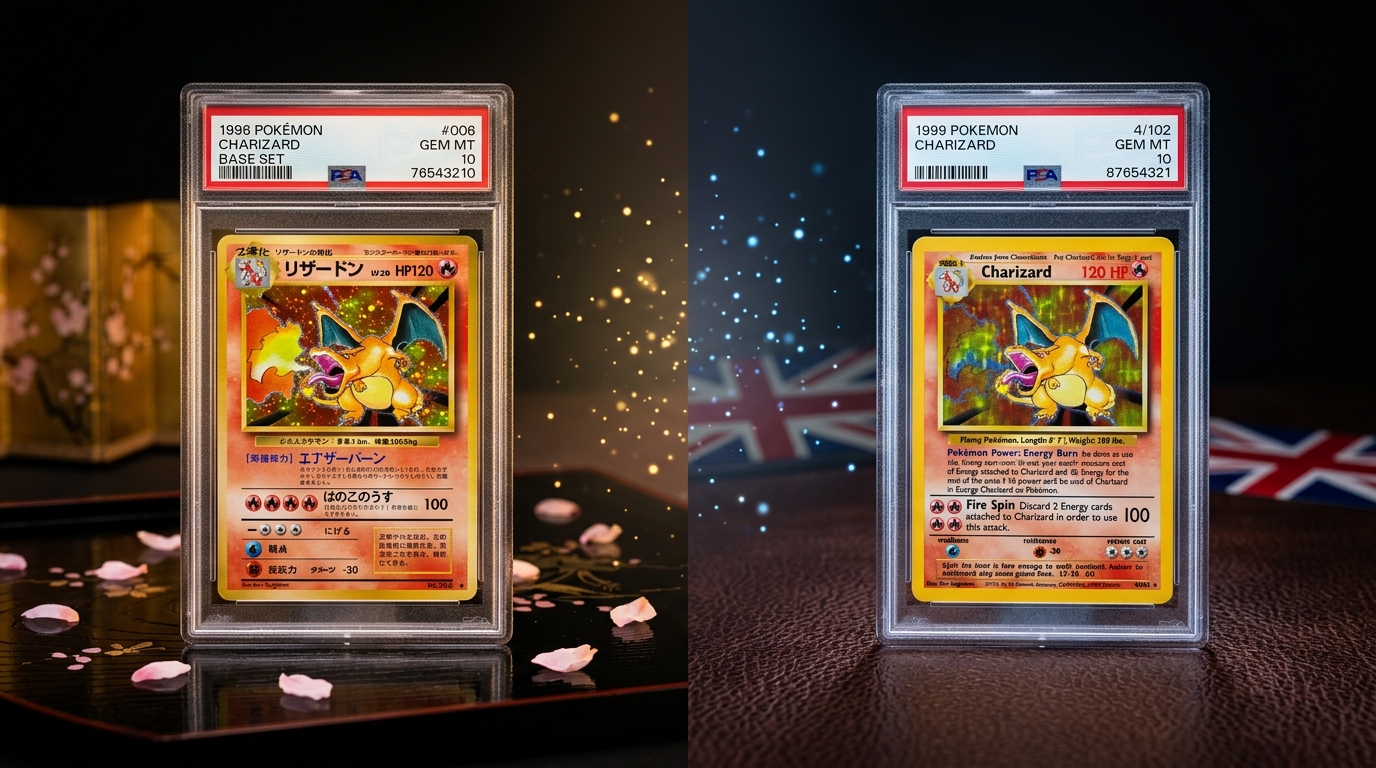
Japanese cards, while serving a smaller geographic market, hold a unique position as the "original" Pokemon cards. Japan receives sets 3-6 months before international releases, often with exclusive artwork, different card treatments, and limited promotional releases unavailable elsewhere.
2026 Market Dynamics
Several factors are reshaping the Japanese vs English debate in 2026:
- 30th Anniversary Effect: Vintage cards from both markets are experiencing unprecedented demand
- Mega Evolution Series Launch: The Ascended Heroes set (released January 30, 2026) represents the largest English set ever with 290+ cards, creating new collecting opportunities
- Graded Card Growth: Experts project 15-25% compound annual growth rates for graded Pokemon cards through 2035
- PSA Dominance: Pokemon accounted for 97 of the top 100 cards graded by PSA in the first half of 2025, indicating sustained collector interest
Print Quality: Why Japanese Cards Stand Out
Superior Manufacturing Standards
Japanese Pokemon cards are universally recognized for superior print quality:
Centering: Japanese cards consistently exhibit better centering, with the artwork and borders properly aligned. This is crucial for grading, as centering accounts for a significant portion of a card's final grade.
Cut Quality: Japanese cards feature cleaner, more precise cuts along the edges. English cards frequently show rough cuts, uneven edges, or slight damage from the cutting process.
Color Vibrancy: The printing process in Japan produces more vibrant, saturated colors. Side-by-side comparisons reveal noticeably richer hues on Japanese cards.
Texture and Finish: Japanese holofoil patterns are typically more consistent and visually striking, with fewer printing defects or roller marks.
Impact on Grading Success Rates
The quality difference directly affects grading outcomes. Japanese cards achieve PSA 10 grades at significantly higher rates than their English counterparts due to:
- Stricter quality control during manufacturing
- Better packaging that protects cards during distribution
- Smaller print runs reducing the likelihood of printing errors
- Superior cardstock that resists warping and edge wear
This creates an interesting paradox: while Japanese cards grade higher more frequently, English PSA 10s can command premium prices due to their relative scarcity.
English Quality Improvements
The Scarlet & Violet era introduced silver borders to English cards, representing a notable quality upgrade. These borders help hide minor edge wear and whitening, narrowing the cosmetic gap between Japanese and English cards. However, Japanese cards still maintain their quality advantage in centering and print consistency.
Modern Special Art Rares (SARs)
Japanese Special Art Rares consistently command significant premiums over English versions:
Example Price Differentials:
- High-demand SARs can cost 200-400% more in Japanese
- Limited print runs create scarcity in the Japanese market
- Exclusive artwork variations increase collector demand
- Earlier release dates give Japanese versions "first edition" appeal
Common and Uncommon Cards
One of the most surprising value gaps occurs with lower-rarity cards:
Case Study - Drifloon (SV Base Set):
- English version: $0.04
- Japanese version: $2.43
- Premium: 5,975%
This dramatic difference stems from:
- Japanese collectors completing master sets at higher rates
- Smaller Japanese print runs even for common cards
- Cultural emphasis on set completion
- Higher baseline demand for all Japanese cards
Exclusive Japanese Releases
Certain cards only exist in Japanese, creating unique investment opportunities:
Munch Collaboration Cards: The Scream Pikachu promo and related cards from the Munch museum collaboration remain Japan-exclusive, commanding prices from hundreds to thousands of dollars.
Precious Collector Box Exclusives: Limited promotional cards bundled with Japanese products often appreciate significantly due to restricted availability.
Tournament Promos: Japanese tournament prizes and participation promos create a parallel market of desirable cards unavailable in English.
Why the Japanese Premium Exists
- Earlier Release Dates: Japanese sets release 3-6 months before English versions, allowing Japanese collectors first access to new cards
- Lower Print Runs: Japanese production volumes are smaller, creating natural scarcity
- International Demand: Western collectors seek Japanese cards for quality and exclusivity
- Cultural Collecting Habits: Japanese collectors tend to pursue complete sets and maintain cards in pristine condition
- Limited Distribution: Japanese cards are harder to obtain outside Japan, adding import costs and logistics challenges
Vintage Nostalgia Premium
English vintage cards, particularly from Base Set through Neo era, often exceed Japanese prices:
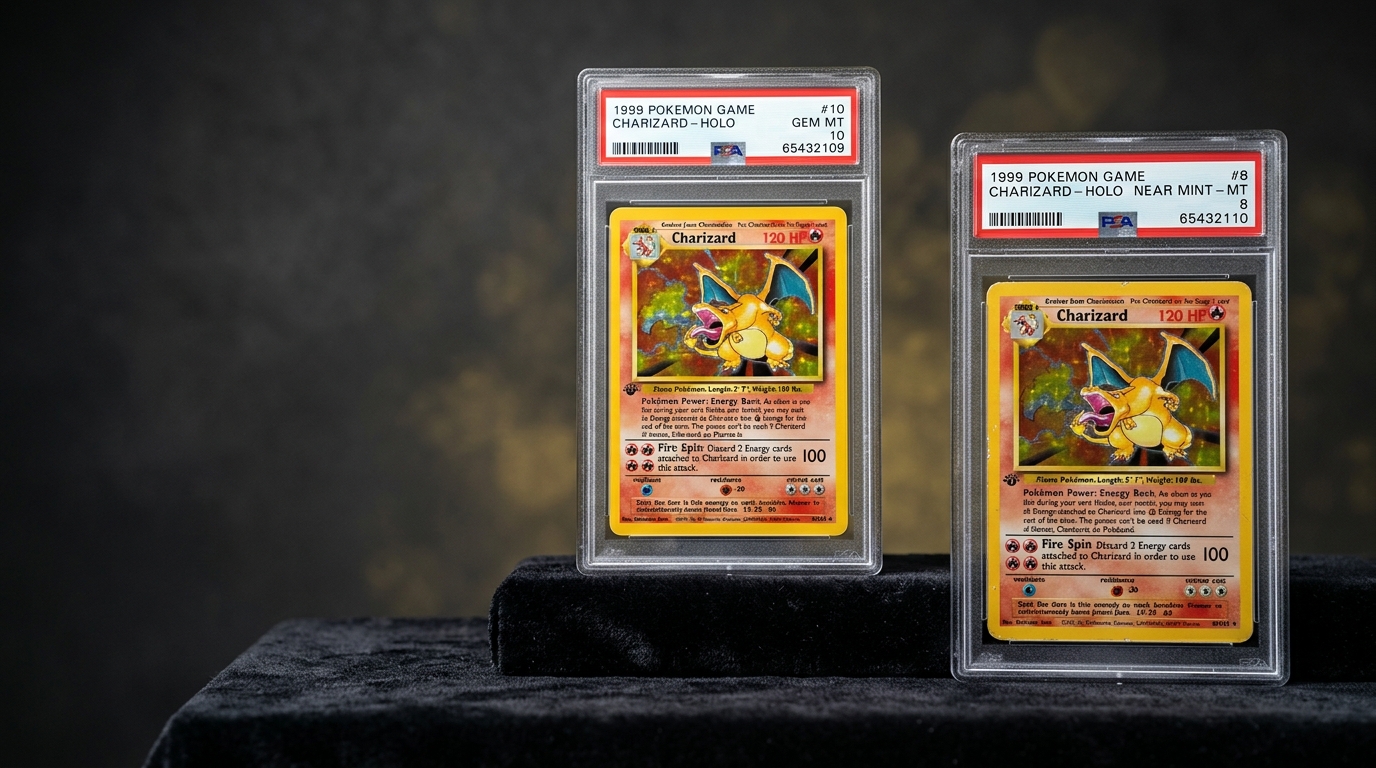
1st Edition Base Set Charizard:
- PSA 10 English: ~$420,000
- PSA 10 Japanese: Typically $50,000-$100,000
This premium reflects:
- Western collectors' childhood nostalgia
- English cards representing their first Pokemon experience
- Larger Western collector base with purchasing power
- Cultural significance in North American and European markets
The PSA 10 Paradox
Ironically, English cards' lower quality control creates value opportunities:
How It Works:
- English cards have worse average quality
- Fewer English cards achieve PSA 10 grades
- PSA 10 English cards become scarcer than PSA 10 Japanese
- Scarcity drives premium prices for perfect English cards
Example: For many modern sets, PSA 10 English cards sell for 20-50% more than PSA 10 Japanese equivalents, despite Japanese cards having superior raw quality.
Tournament Playability
English cards hold exclusive value for competitive players:
- Japanese cards cannot be used in English-language tournaments
- Competitive players must purchase English versions
- Meta-relevant cards maintain strong English demand
- This creates price floors for playable English cards
Iconic English-First Releases
Some promotional cards released exclusively or first in English markets:
- Certain McDonald's promotions
- English-region tournament prizes
- Convention exclusive cards
- Retail store promotions (Target, GameStop, etc.)
Pack Configuration Differences
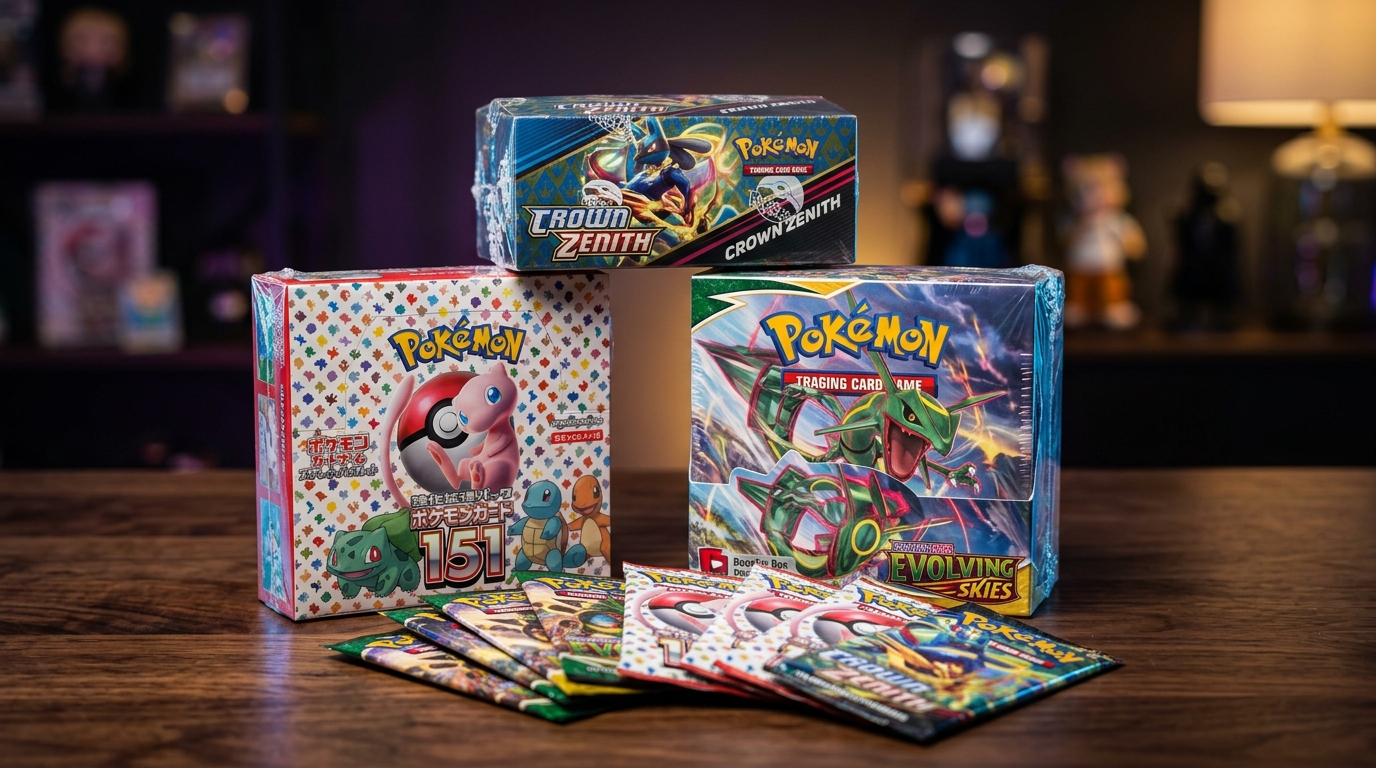
Japanese Booster Boxes:
- 30 packs per box
- 5 cards per pack
- 150 total cards per box
- Guaranteed rare or better in every pack
- Higher price per box ($60-$120 depending on set)
English Booster Boxes:
- 36 packs per box
- 10 cards per pack (11 in recent sets)
- 360+ total cards per box
- Variable rare distribution
- Lower price per box ($90-$140 depending on set)
Pull Rates and Expected Value
Japanese boxes offer more predictable outcomes:
Japanese Advantages:
- Guaranteed hits reduce variance
- Better average card quality
- More consistent pull rates
- Higher chase card pull rates in some sets
English Advantages:
- More total cards per box
- Lower entry cost for bulk opening
- Potential for multiple ultra-rares in lucky boxes
- Better for set completion due to higher card count
Investment Perspective
Sealed Japanese booster boxes have historically appreciated faster:
- Limited print runs create scarcity
- International demand drives prices up
- Superior card quality preserved in sealed products
- Collector preference for sealed Japanese boxes
However, English boxes from vintage sets (especially 1st Edition and Unlimited Base Set) have achieved higher absolute values due to nostalgia and market size.
Should You Grade Japanese or English Cards?
The decision depends on several factors:
Grade Japanese Cards When:
- The card has obvious excellent centering and quality
- You're targeting PSA 10 for modern releases
- The card is a Japanese exclusive
- You're building a high-grade Japanese collection
Grade English Cards When:
- The card appears to be PSA 10 quality (rare but valuable)
- It's a vintage English card with nostalgia value
- The card is tournament-playable and grading adds value
- You've identified a low-pop English card
Grading Cost-Benefit Analysis
Grading costs ($20-$150+ depending on service level) must be weighed against potential value increases. Japanese modern cards may not justify grading costs unless they're chase cards, while English vintage cards often see significant returns from grading.
For detailed calculations on whether grading specific cards makes financial sense, consider evaluating the potential return on investment before submitting cards.
Population Reports Matter
Lower population counts (fewer graded examples) can significantly increase card values:
- English PSA 10s often have lower populations than Japanese
- Japanese cards may have higher raw populations but fewer graded examples in Western markets
- Vintage English cards typically have more established population data
- New Japanese releases may have unknown long-term population trends
Japanese Collecting Philosophy
Japanese collectors typically:
- Prioritize complete set collection
- Maintain cards in pristine condition from purchase
- Value all cards in a set, not just chase cards
- Keep cards for long-term collection rather than flipping
- Prefer sealed products and careful opening techniques
Western Collecting Philosophy
English-market collectors often:
- Focus on specific Pokemon or card types
- Chase rare and valuable cards over set completion
- More actively buy/sell/trade cards
- Greater emphasis on graded cards for investment
- Higher tolerance for played condition in older cards
These cultural differences influence supply and demand dynamics in both markets.
For Long-Term Appreciation
Consider Japanese Cards If:
- You want superior quality and consistency
- You're targeting modern Special Art Rares
- You can access Japanese market at reasonable prices
- You're building a high-grade modern collection
- You prefer lower-variance sealed product investments
Consider English Cards If:
- You're focused on vintage nostalgia cards
- You're targeting PSA 10 modern cards
- You want tournament-playable cards
- You have strong connections to English childhood memories
- You're investing in iconic cards with established markets
Diversification Approach
Many successful collectors and investors maintain positions in both markets:
Balanced Portfolio Strategy:
- Vintage English for nostalgia premium and established values
- Modern Japanese for quality and exclusive artwork
- English PSA 10s where population is low
- Japanese exclusives and limited releases
- Sealed products from both markets
Risk Considerations
Both markets carry distinct risks:
Japanese Market Risks:
- Import logistics and costs
- Currency exchange rate fluctuations
- Authenticity concerns (more prevalent with Japanese cards)
- Smaller resale market in Western countries
- Language barriers for authentication and research
English Market Risks:
- Quality inconsistency affecting grades
- Larger supply reducing scarcity premiums
- Market saturation for common cards
- Reprint potential for some products
2026 Market Predictions and Trends
30th Anniversary Impact
The Pokemon 30th anniversary in 2026 is driving significant market activity:
- Vintage card prices projected to increase 30-50%
- Special anniversary products in both Japanese and English
- Increased mainstream media attention driving new collectors
- Museum exhibitions and cultural events boosting interest
Mega Evolution Series Effect
The new Mega Evolution series launching in 2026:
- Ascended Heroes (290+ cards) creates new collecting challenges
- Larger set sizes may impact individual card values
- New mechanics and card types creating fresh demand
- Both Japanese and English versions seeing strong pre-release interest
Long-Term Growth Projections
Market analysts project continued growth:
- 15-25% compound annual growth rate for graded cards through 2035
- Increasing institutional investment in collectibles
- Pokemon's enduring cultural relevance supporting demand
- Generational wealth transfer bringing new collectors with purchasing power
Where to Buy Japanese Cards
- Japanese Retailers: Websites like Plaza Japan, AmiAmi, and Japanese Amazon
- Import Services: Buyee, FromJapan, and other proxy buying services
- Domestic Sellers: US/EU sellers who import Japanese products
- Conventions: Anime and gaming conventions often feature Japanese card vendors
- Online Marketplaces: eBay, TCGPlayer (limited selection), and Facebook groups
Where to Buy English Cards
- Local Game Stores: Support local businesses and inspect cards in person
- Online Retailers: TCGPlayer, eBay, Troll and Toad
- Big Box Stores: Target, Walmart, GameStop for sealed products
- Card Shows: Regional and national trading card conventions
- Direct from Pokemon Center: Official Pokemon Center website
Authentication Tips
Both markets face counterfeit concerns:
Red Flags for Fake Cards:
- Incorrect font or text spacing
- Poor print quality or color matching
- Wrong card stock thickness or texture
- Suspicious pricing (too good to be true)
- Seller with limited feedback or history
Verification Methods:
- Compare with verified authentic cards
- Use blacklight tests (real cards show specific patterns)
- Check weight (authentic cards weigh ~1.7-1.8 grams)
- Examine holographic patterns closely
- Purchase graded cards from reputable grading companies
Tax and Legal Considerations
Import Duties on Japanese Cards
When importing Japanese cards:
- Most countries have de minimis thresholds (no duty below certain values)
- Customs may assess duties on higher-value shipments
- Proper declaration reduces seizure risk
- Factor shipping and potential duties into cost calculations
Capital Gains Implications
In many jurisdictions, Pokemon cards are considered collectibles:
- Sales may be subject to capital gains tax
- Higher collectibles tax rates may apply (vs. standard capital gains)
- Record-keeping important for cost basis
- Consult tax professionals for specific guidance
The Japanese vs English debate ultimately depends on your goals:
Choose Japanese Cards For:
- Superior print quality and consistency
- Modern Special Art Rares and exclusive artwork
- Set completion with higher-quality cards
- Lower population graded cards in specific categories
- Connection to Pokemon's original market
Choose English Cards For:
- Vintage nostalgia and childhood connections
- Tournament playability
- Iconic cards with established Western market demand
- Easier authentication and resale in Western markets
- PSA 10 scarcity premiums on select cards
The Optimal Strategy: Many successful collectors invest in both markets, leveraging the strengths of each. Japanese cards for modern releases and quality, English cards for vintage nostalgia and iconic pieces.
As Pokemon's 30th anniversary unfolds throughout 2026, both markets present compelling opportunities. The key is understanding the unique value propositions of each market and aligning your collecting strategy with your personal goals, budget, and risk tolerance.
Note: Past performance does not guarantee future results. Always do your own research before making investment decisions.
Whether you choose Japanese, English, or both, the Pokemon card market in 2026 offers exciting opportunities for collectors and investors who approach it with knowledge, patience, and passion for the franchise that has captivated generations worldwide.