Pokemon Card Grading Tips: Maximize Your PSA 10 in 2026
Pokemon Price Tracker
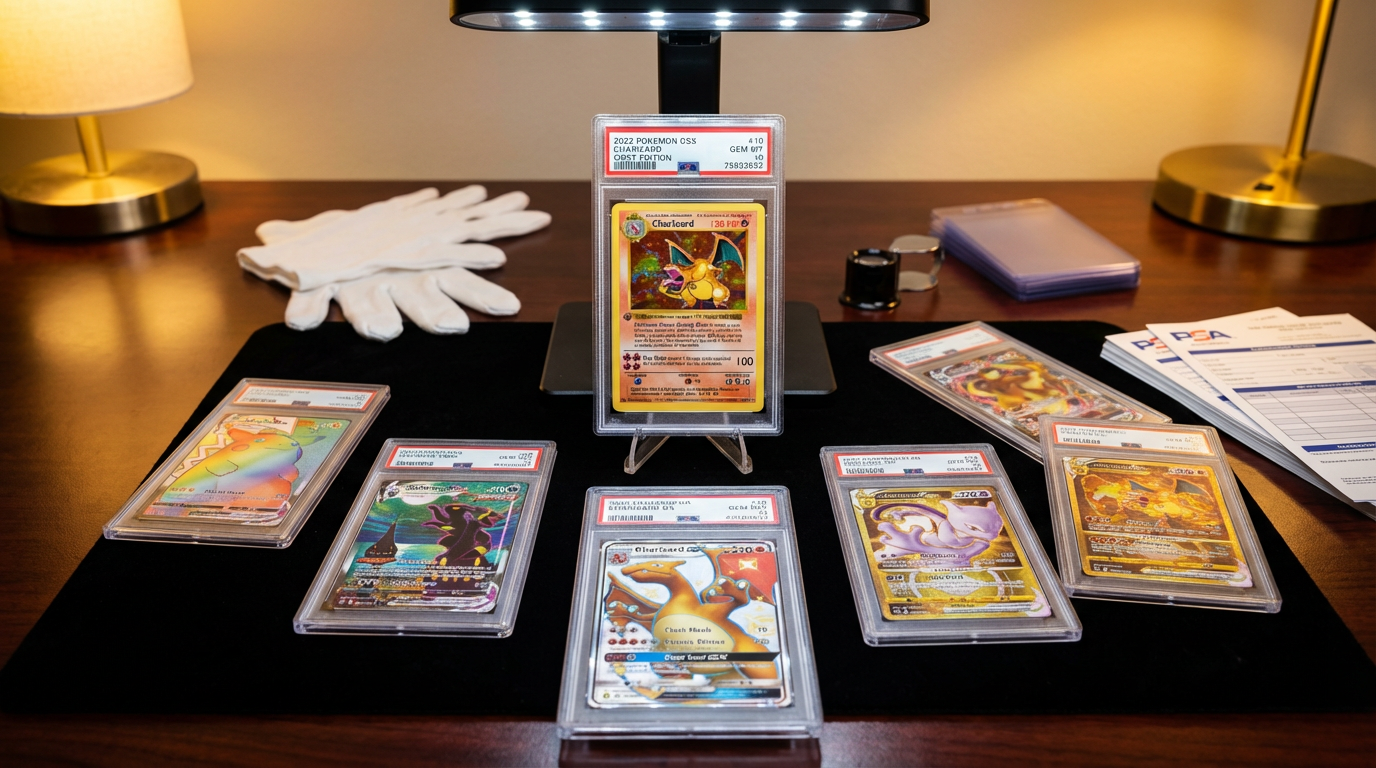
Pokemon Card Grading Tips: Maximize Your PSA 10 in 2026
With the Pokemon card market growing an astounding 3,821% since 2004 and Pokemon's 30th anniversary driving unprecedented momentum in 2026, getting the highest possible grade on your valuable cards has never been more critical. A PSA 10 can command 2-3x premiums over lower grades, but achieving that perfect score requires meticulous preparation and understanding of what graders evaluate.
Whether you're preparing to submit your first card or looking to improve your grading success rate, this comprehensive guide will walk you through every step of maximizing your card's grade potential—from initial assessment to submission strategy.
Understanding the Grading Landscape in 2026
Before diving into preparation techniques, it's essential to understand your grading options and their market implications.
PSA vs CGC vs ACE: Which Service to Choose?
The grading service you select can significantly impact both your costs and resale value:
PSA (Professional Sports Authenticator)
- Cost: $20-$60 per card for bulk/value tiers
- Turnaround: 95-120 business days
- Market Position: Industry leader with highest resale premiums
- Best For: High-value vintage cards, maximum resale value
CGC (Certified Guaranty Company)
- Cost: Competitive pricing with PSA
- Turnaround: 20-45 business days (significantly faster)
- Market Position: Rising popularity, gaining collector acceptance
- Best For: Modern cards, faster turnaround needs
ACE Grading
- Cost: Most affordable option
- Turnaround: 2-60 business days
- Market Position: UK/European champion, value-focused
- Best For: Budget submissions, international collectors
The Value of High Grades
Condition is the single most important factor affecting card value. Consider these real-world examples:
- A Shadowless Charizard in Near Mint condition sells for $8,000-$12,000
- The same card in Light Play condition? Only $2,500-$4,000
- That's a 75% value difference based purely on condition
For modern chase cards like Mega Gengar ex Special Illustration Rare from Ascended Heroes, PSA 10 slabs command 2-3x premiums over raw or lower-graded copies. Understanding whether grading makes financial sense for your specific card is crucial—consider using our Grading ROI Calculator to determine if submission fees justify the potential grade premium.
Pre-Submission Assessment: Is Your Card Grade-Worthy?
Not every card should be graded. With fees ranging from $18.99 to $300+ per card depending on service level and declared value, you need to evaluate potential return on investment.
The Four Pillars of Card Grading
Grading companies assess cards across four primary criteria, each contributing to the final numerical score (1-10):
1. Centering
What Graders Look For:
- Front centering: Ideally 50/50 on all sides
- Back centering: Slightly more tolerance than front
- PSA 10 standard: 60/40 or better front, 75/25 or better back
- PSA 9 standard: 65/35 or better front, 90/10 or better back
How to Check at Home:
- Use a millimeter ruler or digital calipers
- Measure border width on opposite sides
- Calculate the ratio (smaller measurement ÷ larger measurement)
- Example: 2mm left border, 3mm right border = 2÷3 = 66.6% (roughly 67/33)
Pro Tip: Centering is the easiest defect to spot before submission. If your card shows 70/30 or worse centering, it's unlikely to achieve PSA 10, no matter how pristine other aspects are.
2. Corners
What Graders Look For:
- Sharp, pointed corners with no wear
- No whitening on the card's edges
- All four corners must be pristine for PSA 10
- Even microscopic wear can drop a grade
How to Check at Home:
- Use a jeweler's loupe (10x magnification minimum)
- Examine each corner under bright, direct light
- Look for any white spots, fraying, or rounding
- Tilt the card to catch light at different angles
Common Corner Issues:
- Factory corner dings (present from printing)
- Handling wear from gameplay or storage
- Binder ring damage
- Pack-fresh damage from poor cutting
3. Edges
What Graders Look For:
- Clean, straight edges without chipping
- No whitening along the card's perimeter
- Consistent edge quality around entire card
- No delamination or peeling
How to Check at Home:
- View edges straight-on at eye level
- Use magnification to spot micro-chipping
- Check for any fuzzing or rough texture
- Look for color breaks in the edge coating
Pro Tip: Edge whitening is particularly common on darker-bordered cards. Even minor whitening visible only under magnification can prevent a PSA 10.
4. Surface
What Graders Look For:
- No scratches, indentations, or print lines
- No surface creases or dents
- Clean holographic pattern (for holos)
- No print defects or staining
How to Check at Home:
- Examine under bright LED light at multiple angles
- Look for scratches that catch light
- Check for indentations by tilting the card
- Inspect holo pattern for scratches or clouding
Common Surface Issues:
- Holo scratches (often invisible until light hits correctly)
- Print lines from manufacturing
- Indentations from pressure or stacking
- Factory print defects or roller marks
Proper Card Handling: From Storage to Submission
The Golden Rules of Card Handling
-
Never touch the card surface directly
- Always handle cards by edges only
- Use clean, powder-free nitrile gloves for high-value cards
- Even clean fingerprints can show under grading examination
-
Work in a clean, controlled environment
- Dust-free surface with good lighting
- No eating or drinking near cards
- Close windows to prevent dust circulation
-
Use proper tools
- Card savers or semi-rigid holders for submission
- Soft microfiber cloth for sleeve handling
- Never use regular tissue or paper towels
Cleaning Your Card (Proceed with Extreme Caution)
When to Clean:
- Visible fingerprints on surface
- Light dust or debris
- Minor smudging from handling
When NOT to Clean:
- Any vintage card (risk outweighs benefit)
- Cards with existing surface damage
- When unsure—it's better to submit as-is
Safe Cleaning Method (Modern Cards Only):
- Use a brand-new, soft microfiber cloth
- Breathe lightly on the card surface to create minimal moisture
- Wipe gently in one direction (never circular motions)
- Immediately sleeve the card
- Never use cleaning solutions, water, or chemicals
Important: Improper cleaning causes more damage than it fixes. When in doubt, don't clean.
Submission Preparation: Protecting Your Investment
Proper Card Sleeves and Holders
For PSA Submission:
- Use Card Saver I semi-rigid holders (PSA's preferred method)
- Place card in penny sleeve first (opening at top)
- Insert sleeved card into Card Saver (opening at top)
- Never use tape on the Card Saver or sleeve
- Ensure card sits flat without bowing
For CGC Submission:
- CGC accepts Card Savers or sleeves
- Follow similar protocol to PSA
- Check CGC's current submission guidelines for updates
For ACE Submission:
- Consult ACE's specific requirements
- Generally similar to PSA/CGC standards
Packaging for Shipment
Step-by-Step Packing Process:
-
Bundle cards securely
- Stack Card Savers with cards facing same direction
- Use cardboard backing on both sides
- Secure with rubber bands (not too tight)
- Maximum 20-25 cards per bundle
-
Inner packaging
- Wrap bundle in bubble wrap (2-3 layers)
- Use team bags for additional protection
- Include submission forms in waterproof sleeve
-
Outer packaging
- Use sturdy cardboard box (not padded envelope)
- Fill all empty space with packing material
- Card bundle should not move when box is shaken
- Mark "FRAGILE" and "DO NOT BEND" on exterior
-
Shipping method
- Always use tracked, insured shipping
- Declare full value for insurance purposes
- Consider signature confirmation for high-value submissions
- Take photos of packaging before sealing
Strategic Submission Timing in 2026
Market Timing Considerations
With 2026 marking Pokemon's 30th anniversary and the market rebounding from late 2025's downturn, timing your submissions strategically can maximize returns:
Current Market Dynamics:
- New printing facility expanding production capacity
- Anniversary exclusives and restocks expected throughout year
- Market momentum building after 2025 correction
- Collector interest at multi-year highs
When to Submit:
- Vintage cards: Submit now—values continue appreciating
- Modern chase cards: Wait 2-3 months post-release for initial hype to settle
- Anniversary products: Submit quickly to capitalize on 30th anniversary momentum
- Sealed product pulls: Grade immediately if card shows PSA 10 potential
Service Level Selection
Value/Bulk Tier ($20-$30 per card):
- Cards worth $500-$2,000 raw
- 3-4 month turnaround acceptable
- Best cost-to-value ratio for most collectors
Regular Tier ($60-$100 per card):
- Cards worth $2,000-$5,000 raw
- Faster turnaround (6-8 weeks)
- Better for time-sensitive submissions
Express/Walk-Through ($200-$300+ per card):
- Cards worth $10,000+ raw
- Rapid turnaround (days to weeks)
- Only for highest-value cards where speed matters
Common Mistakes That Cost You Grades
Top 10 Grading Submission Errors
-
Submitting cards with obvious centering issues
- Pre-screen centering before paying submission fees
- Accept that 70/30+ centering caps grades at PSA 8-9
-
Over-handling cards during preparation
- Each touch increases risk of surface damage
- Minimize handling to absolute necessity
-
Using wrong holder types
- Top loaders can damage cards during extraction
- Always use Card Savers for submissions
-
Submitting cards with invisible holo scratches
- Check holographic surfaces under multiple light angles
- Single holo scratch can prevent PSA 10
-
Inadequate shipping protection
- Cards damaged in transit receive "Authentic" grade only
- Over-protect rather than under-protect
-
Ignoring factory defects
- Print lines, roller marks, and cutting issues are gradable defects
- "Pack fresh" doesn't guarantee high grade
-
Submitting cards that don't justify grading costs
- $20 grading fee + $15 shipping on $30 card = poor ROI
- Grade only when premium exceeds all costs by meaningful margin
-
Incorrect declared values
- Under-declaring limits insurance coverage
- Over-declaring increases fees unnecessarily
-
Poor photography for reference
- Always photograph cards before submission
- Document condition in case of disputes
-
Rushing the process
- Take time to properly assess, prepare, and package
- Mistakes from rushing are costly and irreversible
Advanced Tips for Maximizing Success Rates
Building a Grading Strategy
Start with Lower-Value Cards:
- Submit 5-10 modern cards worth $50-$200 first
- Learn the process with lower financial risk
- Understand how your eye for condition matches grader standards
- Adjust future submissions based on results
Track Your Results:
- Maintain spreadsheet of submissions and grades received
- Note which defects you missed in pre-screening
- Calculate actual ROI including all fees and shipping
- Refine your pre-submission assessment skills
Specialize in Specific Eras:
- Vintage cards (Base Set through Neo series) have different standards
- Modern cards (2020+) often have superior print quality
- ex era (2003-2007) cards frequently have print line issues
- Understanding era-specific challenges improves success rates
The Population Report Strategy
Graded card populations affect value significantly:
- Cards with low PSA 10 populations command higher premiums
- Common cards with high pop counts may not justify grading
- Monitor population reports before submitting bulk quantities
- First-to-grade rare variants can capture premium timing
When NOT to Grade
Skip Grading If:
- Card shows any creasing or folding
- Centering exceeds 70/30 on any side
- Multiple corners show visible wear
- Edge whitening visible to naked eye
- Surface has obvious scratches or indentations
- Card value doesn't support 3x cost multiplier (fees + shipping + time)
- You're grading for personal collection only (raw is fine)
Consider Alternatives:
- Keep high-grade raw cards in protective cases
- Sell raw if market timing is critical
- Wait for special pricing promotions from grading companies
- Submit through group submissions for reduced per-card costs
2026 Grading Trends and Predictions
What's Changing in the Grading Market
Increased Competition:
- More grading companies entering market
- Competitive pricing benefiting collectors
- Faster turnaround times becoming standard
Technology Integration:
- AI-assisted pre-screening tools emerging
- Digital grading certificates and blockchain verification
- Enhanced holder security features
Market Maturation:
- Collectors becoming more sophisticated about grading
- Raw card prices for gem mint examples increasing
- Greater emphasis on eye appeal beyond numerical grade
The 30th Anniversary Impact
Pokemon's 30th anniversary in 2026 creates unique opportunities:
- Anniversary product releases driving collector interest
- Vintage card values appreciating with nostalgia premium
- New collector influx seeking graded cards for authenticity
- Special anniversary grades or labels possible from services
Conclusion: Your Path to Grading Success
Maximizing your Pokemon card grades in 2026 requires patience, attention to detail, and strategic decision-making. Remember these key takeaways:
Essential Success Factors:
- Pre-screen cards thoroughly using the four pillars: centering, corners, edges, surface
- Handle cards minimally and always by edges only
- Use proper holders (Card Savers) and protective packaging
- Choose grading service based on card value and turnaround needs
- Only submit cards where grade premium justifies all costs
- Document everything with photographs before submission
The ROI Reality: With PSA 10 premiums reaching 2-3x on modern chase cards and even higher multiples on vintage keys, grading can significantly enhance your collection's value. However, not every card deserves the investment. Focus on cards with genuine PSA 10 potential where the grade premium meaningfully exceeds your total costs.
Market Timing in 2026: The combination of Pokemon's 30th anniversary, market rebound from 2025, and expanded production creates an optimal environment for strategic grading. Cards that achieve high grades now will benefit from increased collector demand throughout this milestone year.
Whether you're submitting your first card or your hundredth, treating each submission with care and attention maximizes your success rate. The difference between a PSA 9 and PSA 10 often comes down to preparation and handling—factors entirely within your control.
Note: Past performance does not guarantee future results. Always do your own research before making investment decisions.
Start small, learn from each submission, and gradually build your grading expertise. With proper preparation and realistic expectations, you'll maximize both your grades and your collection's value in 2026's dynamic Pokemon card market.
Pokemon Price Tracker
Market Analyst
Related Articles
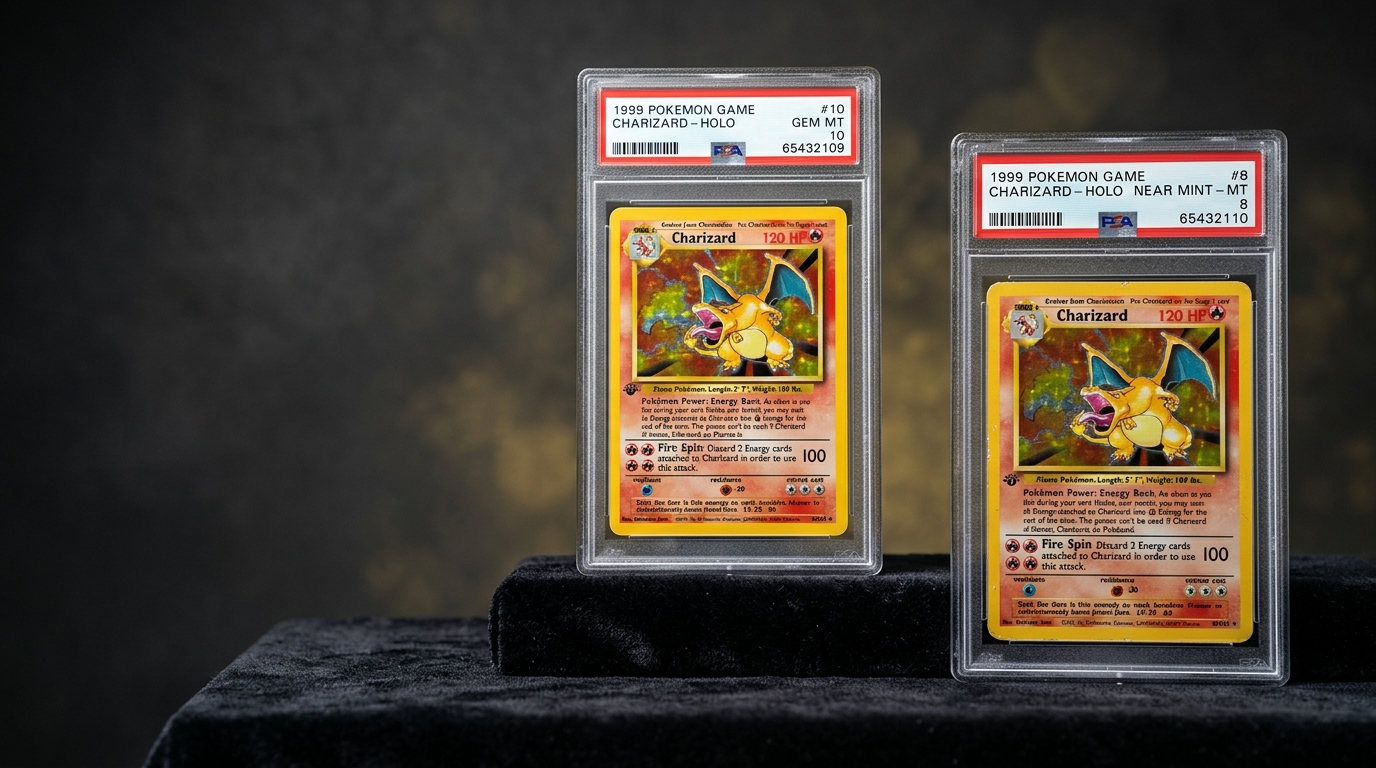
PSA 10 vs PSA 9: 2026 Price Gap Analysis & ROI Data
PSA 10s command 3x to 20x more than PSA 9s in 2026, but the gap varies wildly by card and era. We break down real sales data, ROI frameworks, and when grading actually makes financial sense.
Pokemon Price Tracker
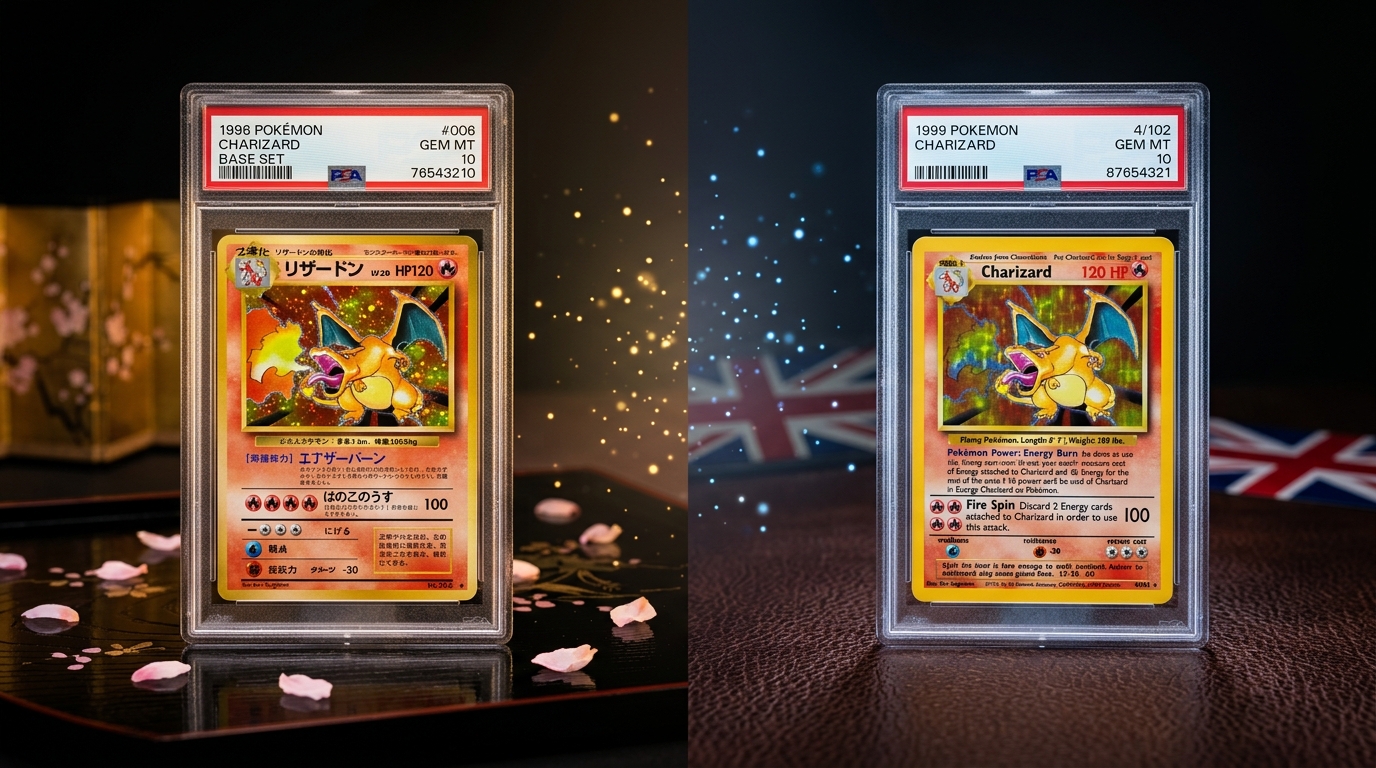
Japanese vs English Pokemon Cards: Which Holds Value in 2026?
The Japanese vs English Pokemon card debate has fundamentally shifted in 2026. Japanese PSA 10s now command 20-40% premiums over English equivalents, while raw English cards still cost 2x-6x more. Here's how to navigate both markets strategically.
Pokemon Price Tracker
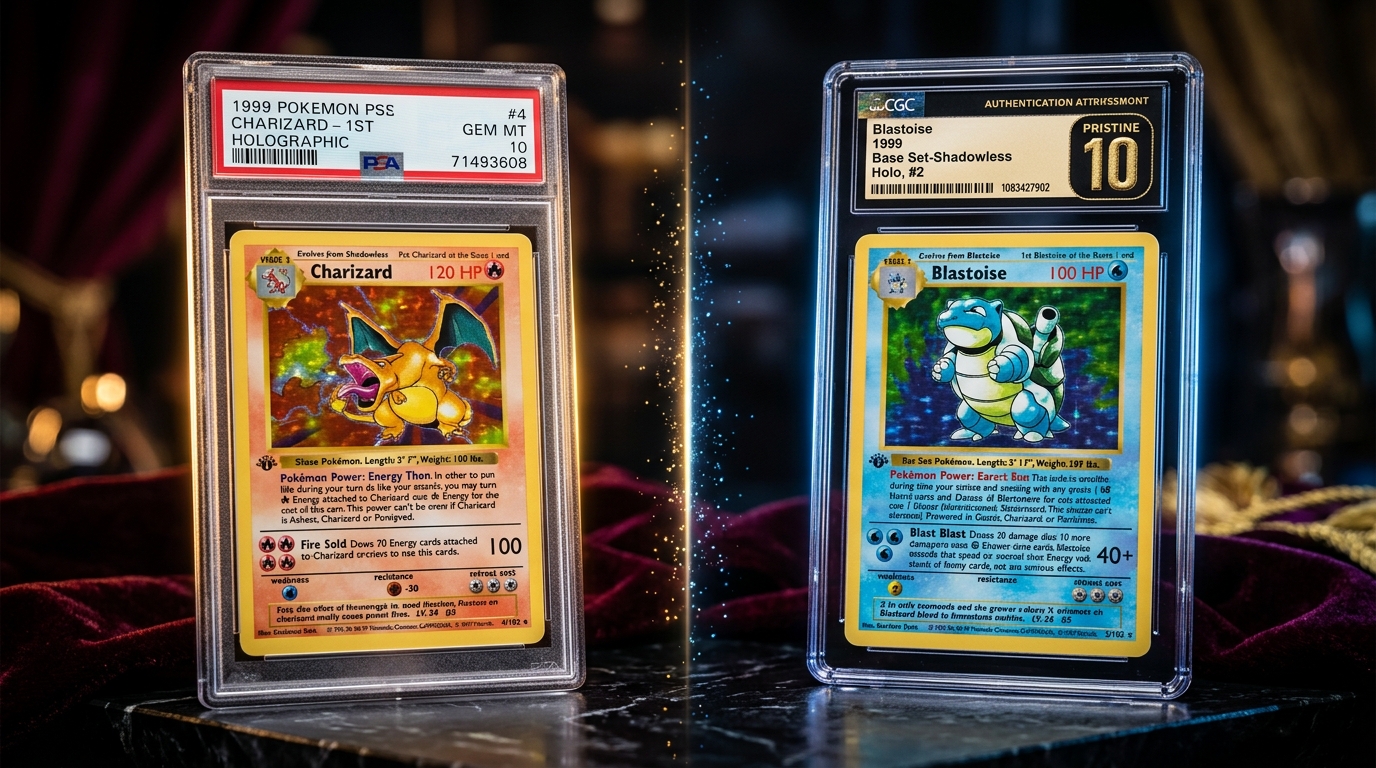
CGC vs PSA in 2026: Which Grader Holds Value Best?
PSA's 2026 Value tier pause has reshaped the grading landscape. We compare CGC vs PSA on pricing, turnaround, resale premiums, and market share to help you choose the right grader for every submission.
Pokemon Price Tracker
Stay Updated
Subscribe to our newsletter for the latest Pokemon card market trends, investment opportunities, and exclusive insights delivered straight to your inbox.