
Pokemon Card Market Crash 2026: What Collectors Need to Know
The Pokemon card market in 2026 has collectors buzzing with concern as prices for modern releases experience significant declines. Headlines screaming "market crash" have sparked panic selling among newer investors, while seasoned collectors see opportunity. But what's really happening? Is this a catastrophic crash or a healthy market correction?
After analyzing price data, production trends, and expert insights throughout early 2026, the answer is clear: we're witnessing a market correction, not a crash. Understanding the distinction—and knowing how to navigate it—could save your collection's value or help you capitalize on strategic buying opportunities.
Understanding the 2026 Pokemon Card Market Correction
What's Actually Happening to Prices
The Pokemon card market in 2026 isn't collapsing—it's recalibrating. Here's what the data shows:
Modern Sealed Products:
- Phantasmal Flames booster boxes declined from $305 to $275 within 10 days (approximately 10% drop)
- Phantasmal Flames Elite Trainer Boxes fell 25% from scalper peaks of $120 to $90
- Journey Together ETBs dropped from $150 to $85
- Modern sealed products overall experiencing 20-30% corrections by Q1 2026
Modern Single Cards:
- Illustration Rare cards hit hardest, with some dropping over 50% from peak prices
- Standard Special Illustration Rares (SIRs) showing 30-40% declines
- Ultra Rares maintaining more stable pricing with 15-20% corrections
The Outliers:
- Surging Sparks booster boxes bucked the trend, climbing from $144 MSRP to $200-250 (39-74% gains)
- Vintage cards (pre-2003) retained 90% of market value with minimal volatility
- PSA 10 graded vintage cards showing 2-5x premiums over raw cards
Crash vs. Correction: Why Words Matter
A market crash implies systemic failure, panic liquidation, and long-term value destruction. Think 2008 housing crisis.
A market correction represents healthy price adjustments after unsustainable speculation. This is what we're experiencing in 2026.
Key indicators this is a correction:
- Vintage cards remain stable and continue appreciating
- Graded cards sell within 7-14 days on major platforms (high liquidity)
- The Pokemon Company's fundamentals remain strong
- Genuine collectors are actively buying, not panic selling
- Price declines concentrated in overproduced modern products
The Root Causes of 2026's Price Adjustments
1. Massive Production Increases
The Pokemon Company printed 10.2 billion cards in 2025, a staggering increase aimed at meeting demand and combating scalpers. This production surge continued into 2026, flooding the market with supply.
Impact:
- Modern set print runs extended far beyond initial waves
- Products once "sold out" returning to shelves months later
- Artificial scarcity eliminated for most modern releases
2. Scalper Market Collapse
The business model that drove 2020-2024's price inflation—buying retail, flipping at 2-3x markup—has become unprofitable in 2026.
What changed:
- Flip margins collapsed from 100-200% to 10-20% or negative
- Scalpers holding inventory forced to liquidate at losses
- Retail availability improved dramatically
- Genuine collectors can now buy at MSRP consistently
3. Reprint Strategies
The Pokemon Company's aggressive reprint approach for popular sets in 2026 has been both blessing and curse:
Benefits:
- Collectors can complete sets without paying premiums
- Hobby accessibility improved
- Scalping becomes unprofitable
Drawbacks:
- Short-term sealed product values decline
- Modern "chase" cards lose premium faster
- Speculation-driven buying disappears
4. Market Maturation
The Pokemon card market is evolving from speculation-driven to collector-driven economics:
- 2020-2024: Driven by investors, flippers, and pandemic-era speculators
- 2026: Returning to sustainable, collector-based demand
- Result: Healthier long-term market with reduced volatility
The Vintage vs. Modern Divide
Why Vintage Cards Remain Strong
Vintage Pokemon cards (pre-2003) tell a completely different story in 2026:
Performance Metrics:
- Base Set cards appreciating approximately 20% annually
- PSA 10 Charizard maintaining six-figure valuations
- Vintage graded populations remain finite and unchangeable
- Demand from nostalgic millennials with disposable income continues growing
Key Advantages:
- Fixed supply: No reprints possible
- Historical significance: Original 151 Pokemon era
- Cultural impact: Peak 90s nostalgia
- Proven track record: 25+ years of sustained interest
Modern Card Challenges
Modern cards (2020-2026) face structural headwinds:
Supply Issues:
- Massive print runs continue indefinitely
- Reprint waves can occur years after release
- Population reports grow constantly
Demand Volatility:
- Hype cycles drive initial prices
- Interest fades as new sets release
- Speculator exit reduces liquidity
Value Proposition:
- Beautiful artwork and mechanics
- Affordable entry point for collectors
- Playability in current format
- BUT: Investment potential remains questionable
The 30th Anniversary Factor: 2026's Wild Card
Upcoming Releases Driving Market Sentiment
Pokemon's 30th anniversary in 2026 brings unprecedented releases that could shift market dynamics:
Pokemon Day 2026 Collection (Released January 30, 2026):
- MSRP: $14.99
- Features exclusive 30th anniversary Pikachu promo
- Historical data from 25th anniversary showed 40-60% value surges
- Early market response suggests similar trajectory
Mega Evolution: Ascended Heroes (January 30, 2026):
- 290+ cards, largest English set ever
- Mega Evolution mechanic return driving nostalgia
- Initial allocation sold out rapidly
- Secondary market prices stabilizing 20-30% above MSRP
Perfect Order (March 27, 2026):
- Highly anticipated competitive set
- Pre-release hype building
- Could drive Q2 2026 market recovery
First Partner Illustration Collections (Starting March 30, 2026):
- Premium collector-focused products
- Limited distribution model
- Targeting adult collectors specifically
Anniversary Impact Predictions
Based on 25th anniversary data and current trends, expect:
- 30-50% price increases for select vintage cards leading to anniversary peak
- Premium pricing for 30th anniversary exclusive products
- Increased market attention bringing new collectors and capital
- Temporary modern card recovery as general Pokemon interest rises
- Post-anniversary correction as hype normalizes (Q3-Q4 2026)
What Collectors Should Do Right Now
For Long-Term Collectors
1. Focus on Personal Collection Goals
- Complete sets you genuinely enjoy
- Buy cards you want to own for years
- Don't panic sell based on short-term price movements
2. Prioritize Vintage and Graded Cards
- Vintage cards show consistent long-term appreciation
- PSA/CGC/BGS graded cards maintain liquidity
- Consider grading valuable raw cards while prices are lower
3. Take Advantage of Modern Card Discounts
- Illustration Rares at 50% off peaks represent excellent collecting value
- Complete modern sets at fraction of 2024-2025 costs
- Buy cards you love, not cards you hope to flip
For Investors and Speculators
Strategic Considerations:
What to Buy:
- Vintage PSA 9-10 graded cards (proven appreciation)
- First edition Wizards of the Coast products (finite supply)
- Trophy cards and tournament promos (extreme rarity)
- Select 30th anniversary products (hold 2-3 years minimum)
What to Avoid:
- Modern sealed products with ongoing print runs
- Hyped cards from current sets (wait 6-12 months)
- Ungraded modern cards (liquidity concerns)
- Anything you can't afford to hold for 3-5 years
Risk Management:
- Diversify across eras and card types
- Never invest more than you can afford to lose
- Set clear exit strategies before buying
- Track your cost basis and returns objectively
For Sellers
Timing Your Sales:
Sell Now If:
- You need immediate liquidity
- You're holding modern sealed products from 2023-2025
- You bought at peaks and want to minimize losses
- You're exiting the hobby entirely
Hold If:
- You own vintage graded cards (long-term appreciation likely)
- You can wait 12-24 months for market recovery
- Your cards have personal sentimental value
- You're positioned to weather volatility
Optimize Your Listings:
- Grade valuable raw cards to maximize sale price
- Use multiple platforms to reach buyers
- Price competitively based on recent sales, not outdated comps
- Provide detailed photos and accurate descriptions
Lessons from Previous Pokemon Market Cycles
The 2016 Pokemon GO Boom and Bust
What Happened:
- Pokemon GO launched July 2016
- Vintage card prices surged 200-400%
- Hype peaked by late 2016
- Prices corrected 30-50% through 2017-2018
- Slow, steady recovery 2019-2020
Key Lesson: Hype-driven price spikes always correct. Patient collectors who bought during 2017-2018 corrections saw excellent returns by 2020.
The 2020-2021 Pandemic Boom
What Happened:
- Stimulus money and pandemic boredom drove speculation
- Logan Paul's $150,000 Base Set box opening went viral
- Modern and vintage prices reached all-time highs
- Scalpers dominated retail channels
- Market peaked Q1 2021
Key Lesson: Speculative bubbles attract unsustainable money. When YouTube influencers and mainstream media cover Pokemon cards as "investments," corrections follow.
The 2026 Correction in Context
The current 2026 market adjustment mirrors previous cycles:
- Unsustainable speculation (2024-2025)
- Supply response (increased production)
- Speculator exit (collapsing margins)
- Price correction (20-50% declines)
- Market stabilization (genuine collectors remain)
- Gradual recovery (quality assets appreciate)
We're currently in phase 4-5. History suggests phase 6 begins late 2026 or early 2027.
Expert Perspectives on the 2026 Market
Industry Consensus
Pokemon card market analysts and major dealers consistently characterize 2026's price movements as healthy corrections rather than catastrophic crashes:
Common Themes:
- "Market needed this correction to remain sustainable"
- "Vintage fundamentals remain exceptionally strong"
- "Modern overproduction was inevitable and necessary"
- "Genuine collectors benefit from improved accessibility"
- "Long-term outlook remains positive for quality assets"
Dealer and Auction House Insights
Major Pokemon card dealers report:
Sales Velocity:
- Vintage graded cards selling within 7-14 days
- Modern sealed products sitting longer (30-60 days)
- Illustration Rares moving slowly unless deeply discounted
- Trophy cards and rare promos maintaining strong demand
Buyer Demographics:
- Serious collectors increasing market share
- Speculators and flippers largely absent
- International buyers (especially Japanese market) active
- Institutional investors focusing on museum-quality pieces
The Future: What to Expect in Late 2026 and Beyond
Short-Term Outlook (Q2-Q4 2026)
Likely Scenarios:
30th Anniversary Boost (Q1-Q2):
- Temporary price increases for anniversary products
- Renewed mainstream media attention
- Vintage cards see 15-25% appreciation
- Modern market stabilizes but doesn't fully recover
Post-Anniversary Normalization (Q3-Q4):
- Anniversary hype fades
- Prices return to sustainable levels
- Market finds new equilibrium
- Holiday season brings modest demand increase
Long-Term Outlook (2027-2030)
Vintage Cards:
- Continued steady appreciation (10-20% annually)
- Increasingly institutional investment
- Museum acquisitions and cultural preservation efforts
- Supply continues decreasing (damage, loss, permanent collections)
Modern Cards:
- Stabilization at collector-driven prices
- Select sets emerge as long-term winners
- Ongoing volatility with new releases
- Reprints remain constant factor
Market Structure:
- More sophisticated pricing tools and data
- Improved authentication technology
- Regulatory scrutiny of high-value transactions
- Mature, stable collector base
Red Flags vs. Green Flags: Market Health Indicators
Warning Signs to Watch
Red Flags Indicating Further Declines:
- The Pokemon Company announces production increases beyond 2025 levels
- Major dealers or auction houses exit the market
- Graded vintage cards start selling below recent comps
- Liquidity dries up (cards sitting unsold for 60+ days)
- Mainstream negative media coverage increases
Positive Indicators
Green Flags Suggesting Stabilization:
- Vintage prices hold steady or increase
- Sales velocity improves for quality assets
- New collector engagement increases
- Print run announcements become more conservative
- Major Pokemon media releases (games, shows) perform well
Common Mistakes to Avoid in 2026
Don't Panic Sell Quality Assets
The biggest mistake collectors make during corrections is panic selling vintage or graded cards at losses. Unless you need immediate cash, holding quality assets through volatility typically pays off.
Don't Catch Falling Knives
Conversely, don't buy modern sealed products or hyped cards just because they're "cheap now." Wait for clear stabilization signals before deploying significant capital.
Don't Ignore Grading Economics
With prices down, grading costs represent larger percentages of card values. Run the numbers carefully before submitting cards for grading. Consider whether the market will support graded premiums for specific cards.
Don't Forget This Is a Hobby
The Pokemon card market's financialization has caused many to forget the fundamental appeal: these are beautiful, nostalgic collectibles from a beloved franchise. If you're not enjoying the hobby, reassess your involvement.
Conclusion: Navigating the 2026 Pokemon Card Market
The "Pokemon card market crash" of 2026 is actually a healthy correction returning the market to sustainable, collector-driven economics. Modern sealed products and speculative cards are experiencing deserved price declines after years of artificial inflation. Meanwhile, vintage cards and quality graded assets continue demonstrating long-term value.
Key Takeaways:
- This is a correction, not a crash - Fundamentals remain strong for quality assets
- Vintage cards continue outperforming - Pre-2003 cards show resilience and appreciation
- Modern overproduction was necessary - Improved accessibility benefits long-term hobby health
- 30th anniversary brings opportunities - Strategic buying during 2026 could pay off by 2027-2028
- Patience rewards collectors - Previous corrections led to recoveries for quality assets
- Focus on what you love - Collect cards that bring you joy, not just potential profit
Whether you're a collector, investor, or both, the 2026 market correction offers lessons and opportunities. Buy quality, avoid hype, think long-term, and remember why you fell in love with Pokemon cards in the first place.
Note: Past performance does not guarantee future results. Always do your own research before making investment decisions.
The Pokemon card market has survived and thrived through multiple cycles over three decades. While 2026's correction feels dramatic to those who entered during the 2020-2024 boom, it's simply another chapter in the ongoing story of one of the world's most enduring collectibles markets.
Tags:

Team
Pokemon Market Experts
Related Articles
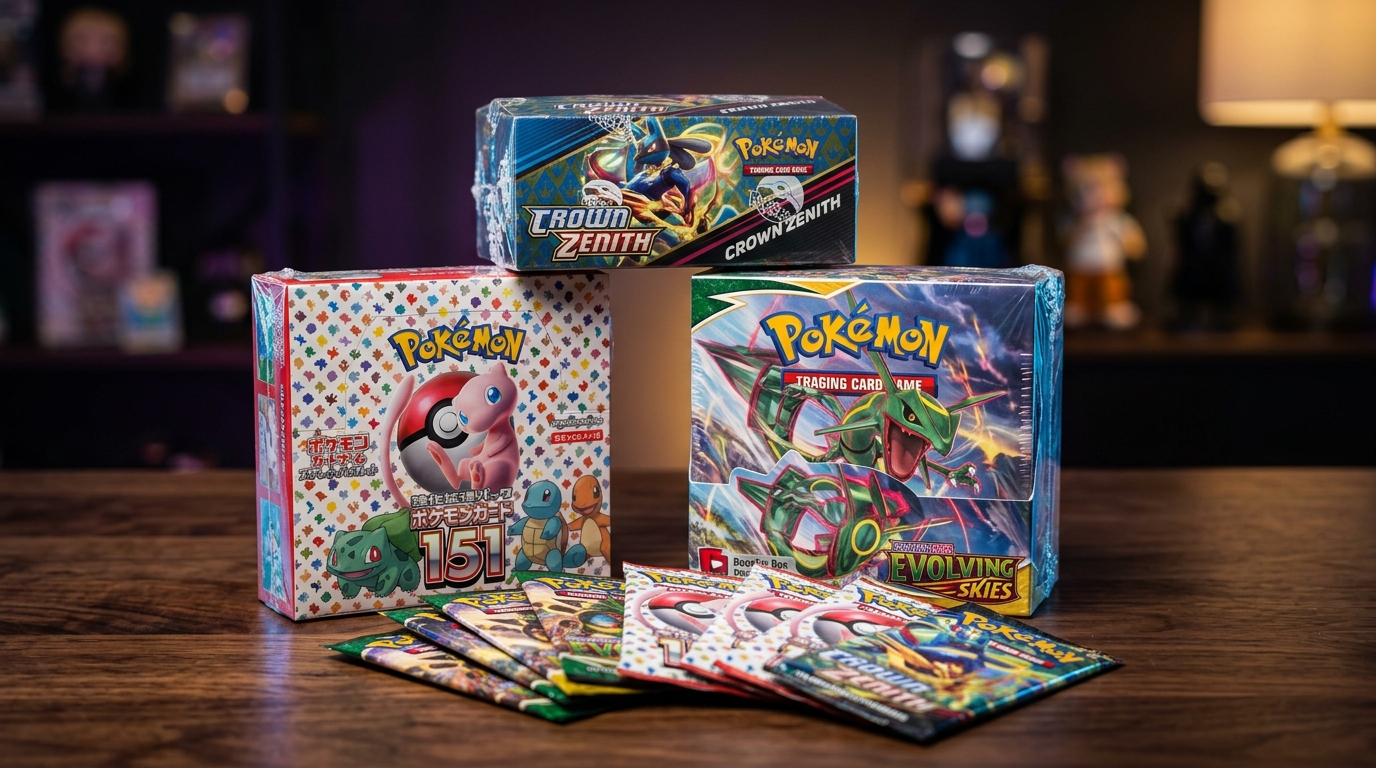
Best Pokemon Booster Boxes to Buy and Hold in 2026
From Evolving Skies to Japanese Pokemon 151, discover the best Pokemon booster boxes to buy and hold in 2026. Data-driven picks, portfolio strategy, and key metrics to watch for long-term sealed investors.
Pokemon Price Tracker
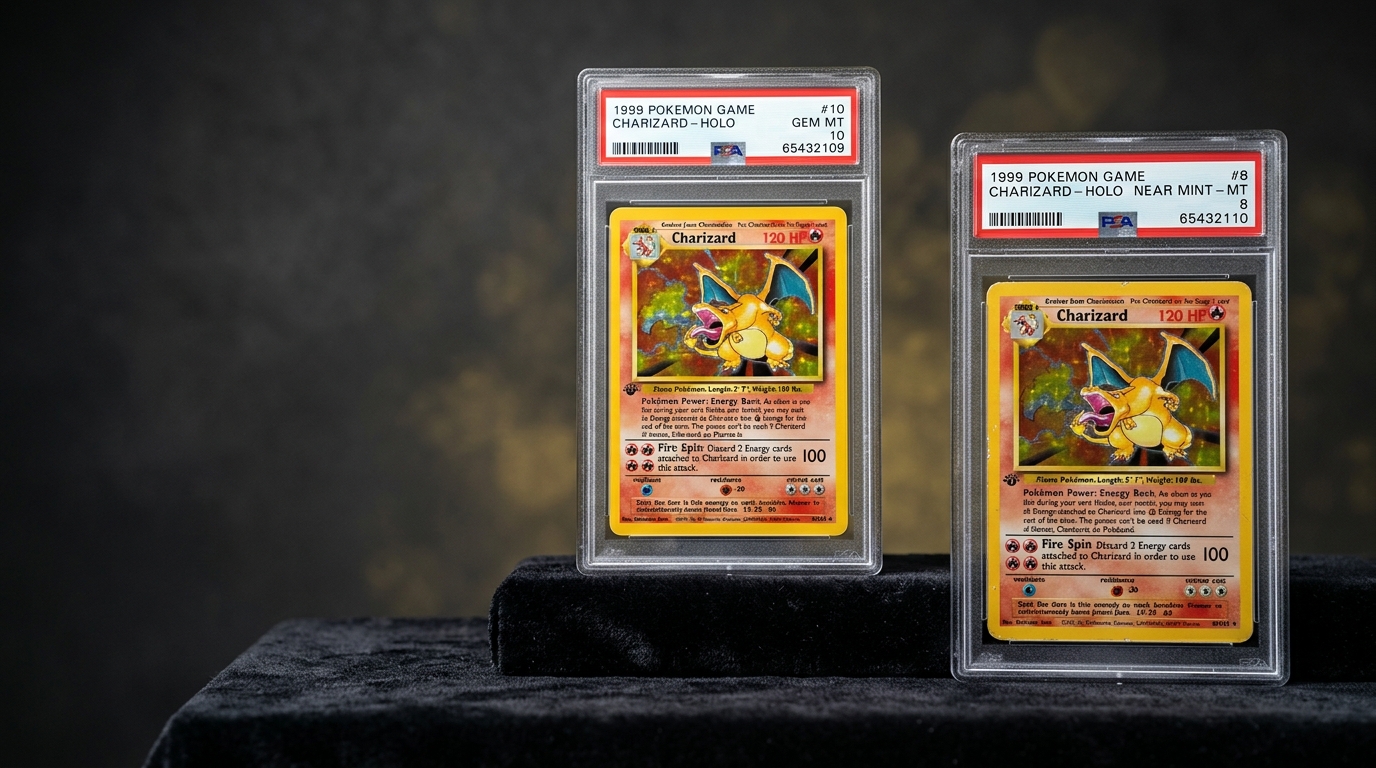
PSA 10 vs PSA 9: 2026 Price Gap Analysis & ROI Data
PSA 10s command 3x to 20x more than PSA 9s in 2026, but the gap varies wildly by card and era. We break down real sales data, ROI frameworks, and when grading actually makes financial sense.
Pokemon Price Tracker
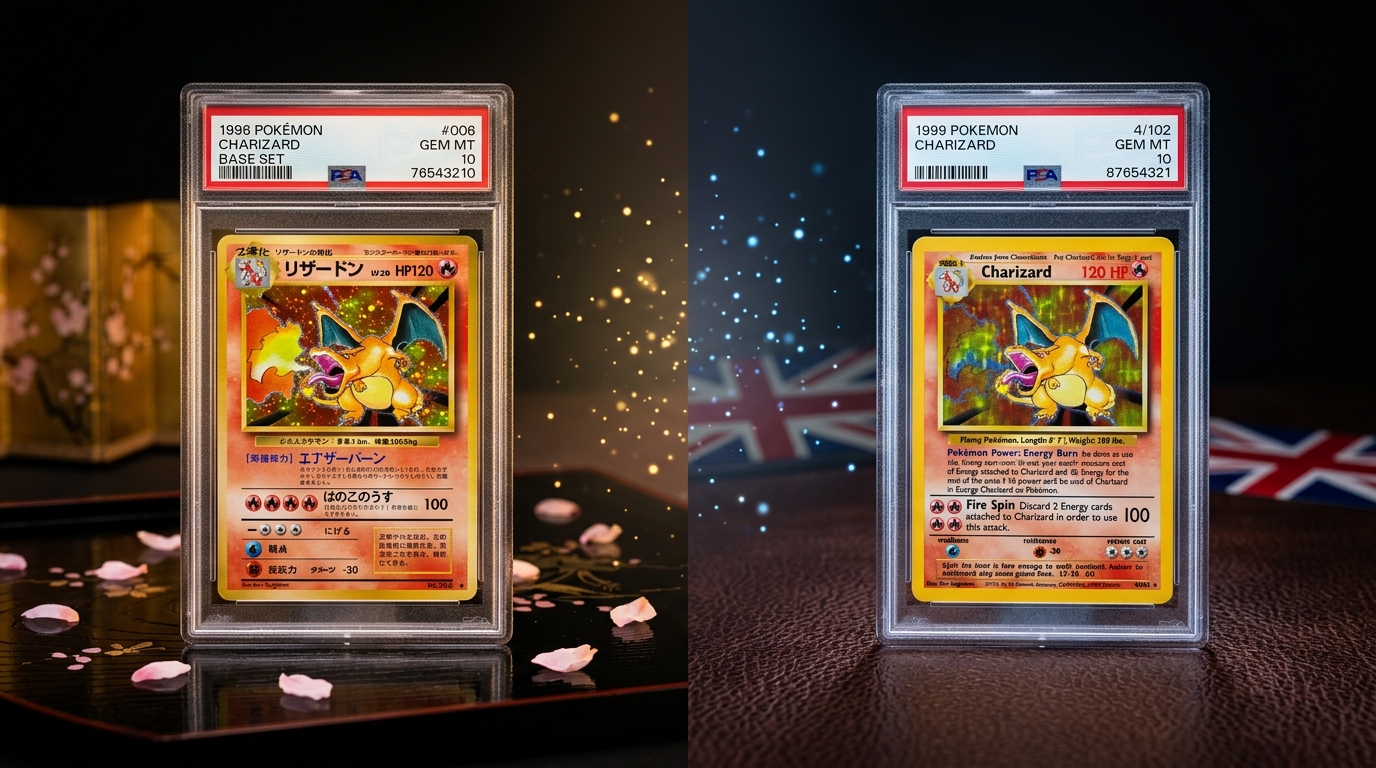
Japanese vs English Pokemon Cards: Which Holds Value in 2026?
The Japanese vs English Pokemon card debate has fundamentally shifted in 2026. Japanese PSA 10s now command 20-40% premiums over English equivalents, while raw English cards still cost 2x-6x more. Here's how to navigate both markets strategically.
Pokemon Price Tracker
Stay Updated
Subscribe to our newsletter for the latest Pokemon card market trends, investment opportunities, and exclusive insights delivered straight to your inbox.