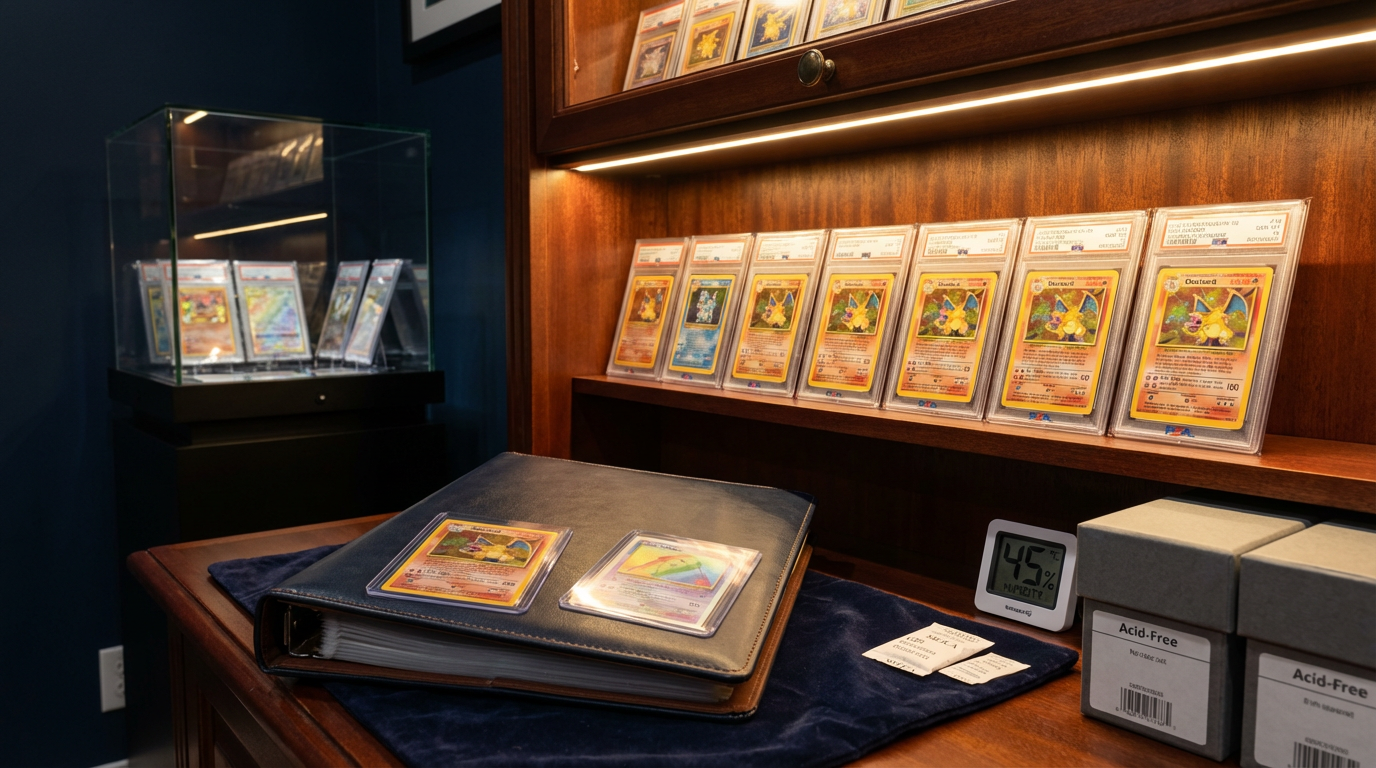
Pokemon Card Storage: Preserve Value Long-Term in 2026
With Pokemon cards doubling in value yearly for certain chase cards and the franchise's 30th anniversary approaching, proper storage has never been more critical. A single storage mistake can reduce a PSA 10 candidate to bulk condition in months, potentially costing you hundreds or thousands of dollars. Whether you're protecting a raw Mega Gengar ex SAR or organizing your complete Ascended Heroes master set, understanding proper storage techniques is essential for preserving your collection's value.
This comprehensive guide covers everything from environmental controls to product recommendations, helping you avoid the costly mistakes that plague collectors in 2026.
Why Proper Storage Matters More Than Ever
The Pokemon TCG market in 2026 is experiencing unprecedented growth. Recent success stories include a raw Mega Gengar ex SAR that generated 140% profit in just 8 weeks after grading to PSA 10. However, this potential can evaporate if cards aren't stored correctly.
Poor storage doesn't just affect aesthetics—it directly impacts gradeability and market value. A card exposed to improper humidity for just a few months can develop warping that disqualifies it from gem mint status, regardless of its surface condition or centering.
Investment Note: Proper storage is a critical component of card value preservation. While spending $50-$200 upfront on quality storage supplies may seem expensive, it protects portfolio value that could be worth thousands more in the future.
The Three Environmental Enemies
Humidity: The Silent Killer
Humidity is universally recognized as the #1 threat to card condition in 2026. Here's what you need to know:
The Danger Zones:
- Above 60% humidity: Cards begin warping, often described by collectors as "bowing like tacos." This warping is frequently irreversible and immediately disqualifies cards from PSA 10 consideration.
- Below 40% humidity: Cards become brittle, leading to edge cracks and potential splitting of card layers.
- Sweet spot: Maintain 45-55% relative humidity for optimal preservation.
Solutions:
- Use a hygrometer to monitor humidity levels in your storage area
- Deploy silica gel packets in storage containers (replace every 2-3 months)
- Consider a dehumidifier for rooms consistently above 60%
- Use humidifiers in dry climates to prevent brittleness
- Store cards in climate-controlled interior rooms, never basements or attics
Temperature Control
Temperatures above 75°F accelerate card degradation through multiple mechanisms:
- Adhesive breakdown in card layers
- Increased chemical reactions with non-archival materials
- Enhanced humidity effects (warm air holds more moisture)
- Potential warping from heat exposure
Best Practices:
- Maintain storage areas between 65-72°F
- Avoid locations near heating vents, radiators, or windows
- Never store cards in vehicles, even temporarily
- Keep cards away from electronics that generate heat
UV Light Exposure
Ultraviolet light causes irreversible color fading over time, particularly affecting:
- Holographic patterns and foiling
- Card borders and text
- Artwork vibrancy
- Overall card appeal and value
Protection Strategies:
- Store cards away from windows and direct sunlight
- Use UV-blocking display cases if showcasing valuable cards
- Consider anti-UV acrylic protectors for sealed products
- Avoid fluorescent lighting in storage areas when possible
Layered Protection: The Right Way to Sleeve
Proper card protection follows a layered approach, with each layer serving a specific purpose.
Layer 1: Perfect Fit Sleeves (Inner Sleeves)
Perfect fit sleeves are the first line of defense for raw cards, especially those with grading potential.
Why They Matter:
- Create a tight seal that prevents dust and moisture infiltration
- Protect card surfaces from scratches during handling
- Prevent edge wear from friction
- Essential for cards worth $20+
Application Tips:
- Insert cards from the top, pushing air out as you slide them in
- Ensure no air bubbles remain trapped
- Use only archival-quality, acid-free sleeves
- Replace sleeves annually for high-value cards
Layer 2: Standard Sleeves or Top Loaders
For Binder Storage:
- Use standard card sleeves (penny sleeves or quality alternatives)
- Ensure sleeves fit snugly without excessive movement
- Avoid cheap sleeves that may contain harmful chemicals
For Individual Protection:
- Top loaders provide rigid protection for valuable singles
- Use card savers for cards being submitted for grading
- Never force cards into top loaders—this can cause edge damage
Layer 3: Binders and Storage Boxes
The final layer depends on your storage goals and collection size.
Binder Storage: Best Practices for 2026
Binders remain the most popular storage method for active collections, but not all binders are created equal.
Choosing the Right Binder
Key Features to Look For:
- Archival-quality materials: Acid-free and PVC-free pages
- Side-loading pockets: Prevent cards from sliding out
- Reinforced rings: D-rings or O-rings that won't bend
- Proper sizing: Pockets that fit sleeved cards without forcing
- Zipper closure: Extra protection against dust and spills
Recommended Options:
- BindSafe Pokemon card binders: Specifically designed for value preservation with archival materials
- EVORETRO 3x3 216-card holders: Popular for organized storage with top loader compatibility
- Ultra Pro Premium Pro-Binders: Widely available with reliable quality
Binder Storage Mistakes to Avoid
- Overstuffing pages: Creates pressure that can damage cards over time
- Storing binders vertically: Causes cards to sag and potentially warp
- Using cheap, non-archival binders: Chemical damage can occur silently over months
- Mixing sleeved and unsleeved cards: Uneven pressure causes warping
- Storing binders in humid environments: Even quality binders can't prevent environmental damage
Optimal Binder Storage
- Store binders flat (horizontally) on shelves
- Limit to 2-3 binders stacked per pile to prevent compression
- Keep binders in climate-controlled rooms
- Inspect cards quarterly for any signs of damage
- Consider rotating displayed binders to minimize light exposure
Storage Solutions for Different Collection Types
Raw Cards Awaiting Grading
Cards with grading potential require the highest level of protection:
- Immediate sleeving: Perfect fit sleeve + standard sleeve
- Card savers or semi-rigid holders: Prevent any bending
- Individual storage boxes: Keep separate from general collection
- Minimal handling: Only touch cards by edges with clean hands
- Documentation: Track condition details before storage
If you're considering grading valuable raw cards, use the Grading ROI Calculator to determine whether professional grading makes financial sense based on current population data and market values.
Graded Slabs (PSA, CGC, BGS)
Graded cards in protective slabs still require proper care:
Protection Products:
- EVORETRO Bumper Graded Slab Protectors: Popular choice for cushioning
- Magnetic Case Bumpers: Prevent corner damage from drops
- Slab storage boxes: Designed specifically for graded card dimensions
Storage Guidelines:
- Store slabs upright in dedicated boxes or shelving
- Use protective bumpers or sleeves to prevent scratches on the slab itself
- Keep away from edges where they might fall
- Maintain the same environmental controls as raw cards
- Consider UV-blocking display cases for showcased slabs
Bulk Commons and Uncommons
Not every card requires premium storage, but bulk cards still deserve basic protection:
- Storage boxes: Use long boxes or 800-count boxes
- Dividers: Organize by set or type for easy access
- Basic sleeves: Consider penny sleeves for complete set storage
- Dry environment: Maintain humidity control even for bulk
- Regular inspection: Check for moisture or pest issues quarterly
Sealed Products
Booster boxes, ETBs, and sealed packs require different considerations:
Environmental Factors:
- Sealed products are more sensitive to humidity than individual cards
- Wrapper integrity can be compromised by temperature fluctuations
- UV exposure fades packaging and reduces collectibility
Protection Methods:
- Anti-UV acrylic protectors for displayed ETBs
- Original shipping boxes for long-term storage
- Climate-controlled environment (same parameters as cards)
- Avoid stacking heavy items on sealed products
- Keep away from strong odors (smoke, chemicals) that can permeate packaging
Chemical Damage: The Hidden Threat
One of the most insidious storage dangers comes from the materials themselves. Non-archival sleeves, binders, and storage boxes can contain chemicals that slowly damage cards.
Common Chemical Culprits
PVC (Polyvinyl Chloride):
- Found in cheap sleeves and binder pages
- Releases plasticizers over time
- Causes cards to become sticky or develop residue
- Can permanently damage card surfaces
Acidic Materials:
- Low-quality cardboard and paper products
- Causes yellowing and brittleness over time
- Accelerates aging and degradation
Harmful Adhesives:
- Found in some storage boxes and dividers
- Can transfer to cards through contact or fumes
- May cause discoloration or surface damage
Ensuring Archival Quality
When purchasing storage supplies, look for:
- Explicit archival or acid-free labeling
- PVC-free certification
- Polypropylene materials (preferred for sleeves)
- Established brand reputation in collectibles storage
- Collector reviews mentioning long-term use without issues
Creating Your Storage System
Building an effective storage system requires planning based on your collection size and goals.
For New Collectors (Under 500 Cards)
Essential Supplies ($50-$100):
- 2-3 quality binders with archival pages
- Pack of 100 perfect fit sleeves
- Pack of 100 standard sleeves
- 25-50 top loaders for valuable pulls
- Small storage box for extras
- Basic hygrometer
Storage Setup:
- One binder for current set completion
- One binder for favorite cards/display
- One binder for trade stock
- Box storage for bulk
For Intermediate Collectors (500-5,000 Cards)
Recommended Investment ($150-$300):
- 5-10 premium binders
- 500+ perfect fit sleeves
- 500+ standard sleeves
- 100+ top loaders
- Multiple storage boxes with dividers
- Hygrometer and humidity control supplies
- Dedicated storage shelf or cabinet
Organization Strategy:
- Binders organized by set or type
- Top loaders for cards $20+
- Box storage for completed sets
- Separate area for grading candidates
For Advanced Collectors (5,000+ Cards)
Professional Setup ($300-$1,000+):
- Custom storage furniture or dedicated room
- Extensive binder collection (20+)
- Bulk sleeve supplies (1,000+)
- Professional humidity control system
- UV-protected display cases
- Slab storage solutions
- Inventory management system
Advanced Considerations:
- Insurance documentation and photography
- Climate monitoring system
- Fireproof safe for highest-value cards
- Redundant humidity control
- Professional appraisal for insurance purposes
Maintenance and Inspection Schedule
Proper storage isn't a "set it and forget it" proposition. Regular maintenance prevents problems before they become costly.
Monthly Tasks
- Check hygrometer readings
- Verify humidity control supplies are functioning
- Inspect displayed cards for any fading or damage
- Ensure storage area temperature remains stable
Quarterly Tasks
- Full collection inspection for warping, discoloration, or damage
- Replace silica gel packets
- Clean storage area (dust can hold moisture)
- Reorganize if needed to reduce handling in future
- Check for pest issues (rare but devastating)
Annual Tasks
- Replace perfect fit sleeves on highest-value cards
- Evaluate storage system effectiveness
- Update inventory and documentation
- Consider upgrading storage for cards that have appreciated
- Review insurance coverage if applicable
Red Flags: When Storage Has Failed
Knowing the warning signs of storage damage helps you catch problems early:
Immediate Action Required:
- Warping or curling: Card no longer lays flat
- Discoloration: Yellowing, browning, or fading
- Sticky residue: Chemical damage from sleeves or binders
- Musty odor: Indicates moisture or mold issues
- Edge silvering: White showing on card edges from separation
- Surface clouding: Holographic patterns becoming hazy
If you notice any of these issues, immediately:
- Remove affected cards from current storage
- Identify and eliminate the cause
- Isolate damaged cards to prevent spread
- Consider professional restoration for high-value cards (limited options available)
- Replace all storage materials in affected area
Investment Considerations
For collectors viewing Pokemon cards as investments, storage quality directly impacts return potential.
Storage ROI Perspective:
- A $100 investment in proper storage can protect a collection worth $5,000+
- The difference between PSA 9 and PSA 10 can be hundreds or thousands of dollars
- Poor storage can reduce a card from gem mint to bulk in 6-12 months
- Proper storage maintains resale options and grading potential
Note: Past performance does not guarantee future results. Always do your own research before making investment decisions. However, regardless of market direction, proper storage preserves the maximum potential value of your collection.
Common Questions and Misconceptions
"My cards are in a binder, so they're safe, right?"
Not necessarily. The binder quality, storage environment, and handling frequency all matter. A cheap binder in a humid basement can be worse than careful box storage in a climate-controlled room.
"I can store cards in my garage or attic to save space."
This is one of the most destructive mistakes collectors make. Temperature and humidity fluctuations in these spaces will damage cards, often irreversibly. Always use climate-controlled interior spaces.
"Graded slabs are indestructible."
While slabs provide excellent protection, they can still be scratched, cracked, or damaged. The cards inside remain sensitive to extreme environmental conditions. Treat slabs with care and maintain proper storage conditions.
"I'll sleeve my cards when they become valuable."
By the time a card becomes obviously valuable, handling damage may have already occurred. Sleeve cards with potential immediately—it's impossible to predict which cards will spike in value.
Key Takeaways
Proper Pokemon card storage in 2026 requires attention to three critical areas:
- Environmental Control: Maintain 45-55% humidity, 65-72°F temperature, and minimize UV exposure
- Quality Materials: Invest in archival-quality, acid-free, PVC-free storage supplies
- Proper Technique: Use layered protection, store correctly, and perform regular maintenance
The upfront investment in quality storage ($50-$200 for most collectors) is minimal compared to the potential value it protects. With Pokemon cards appreciating rapidly and the 30th anniversary approaching, proper storage has never been more important.
Remember: A single storage mistake can reduce a PSA 10 candidate to bulk condition in months. The time and money you invest in proper storage today will pay dividends for years to come, whether you're preserving childhood memories or building an investment portfolio.
Start with the basics—control your environment, use quality materials, and handle cards carefully. As your collection grows, scale your storage system accordingly. Your future self will thank you when those carefully stored cards maintain their gem mint condition and maximum value potential.
Pokemon Price Tracker
Market Analyst
Related Articles
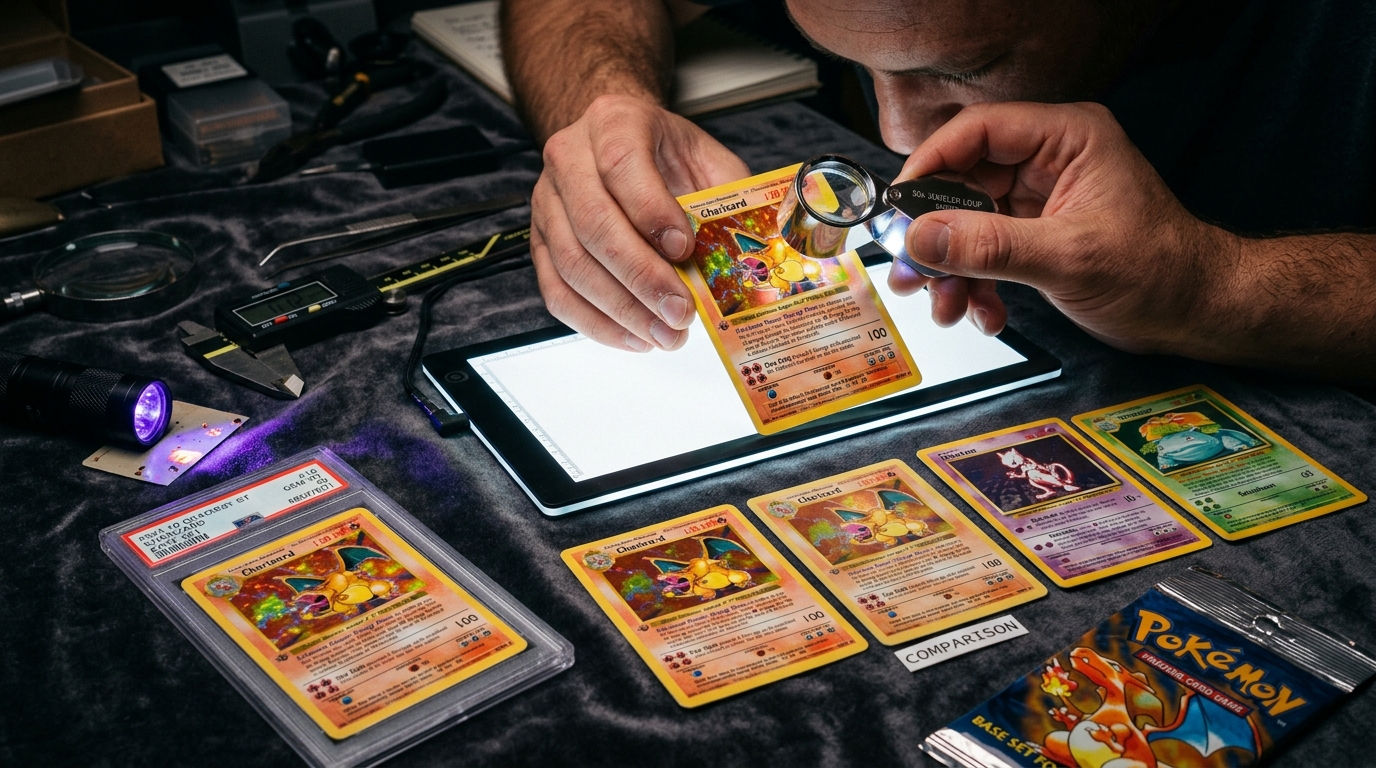
How to Spot Fake Pokemon Cards: 2026 Authentication Guide
Counterfeit Pokémon cards have reached new levels of sophistication in 2026, with fake Chaos Rising Mega Evolution ex cards, replica PSA slabs, and counterfeit sealed booster boxes flooding the market. This comprehensive 10-step authentication guide teaches collectors how to spot fakes using the lig
Pokemon Price Tracker
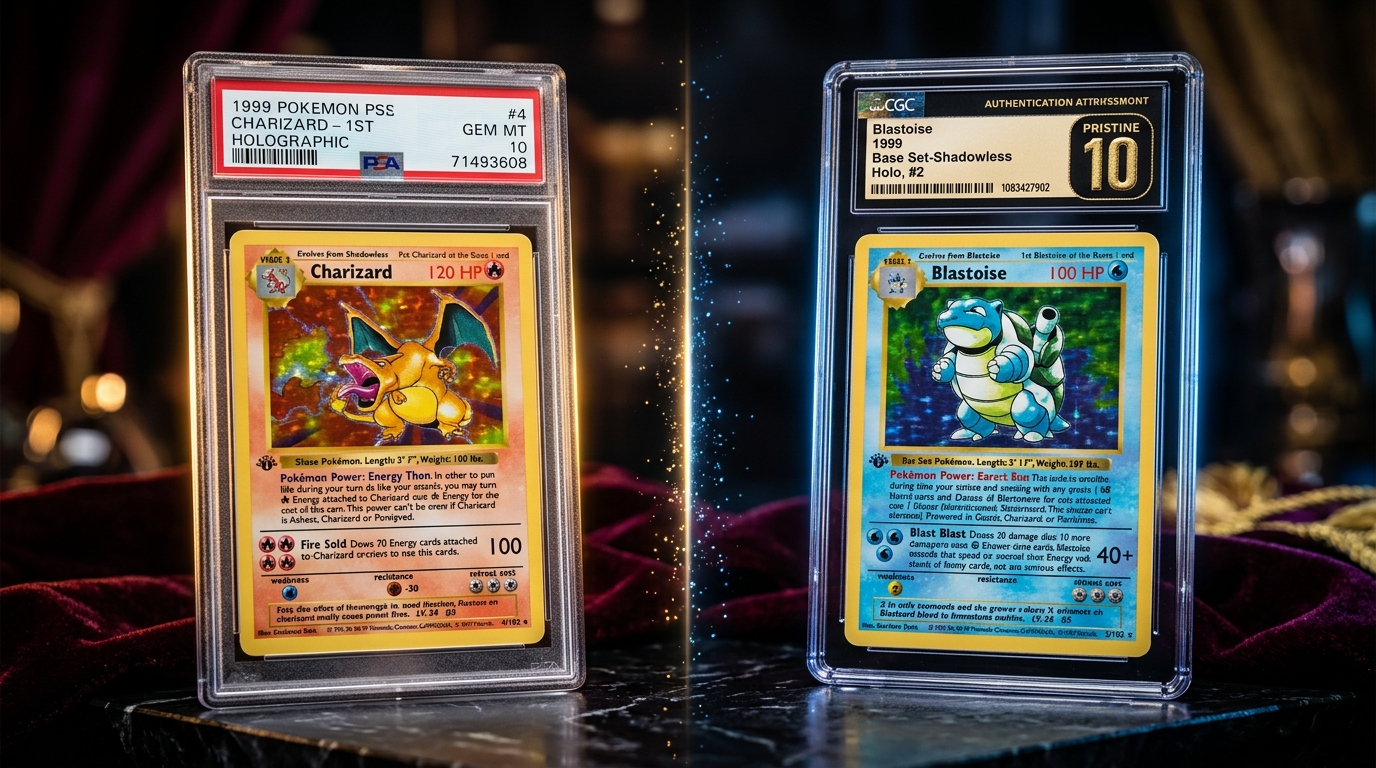
CGC vs PSA in 2026: Which Grader Holds Value Best?
PSA's 2026 Value tier pause has reshaped the grading landscape. We compare CGC vs PSA on pricing, turnaround, resale premiums, and market share to help you choose the right grader for every submission.
Pokemon Price Tracker
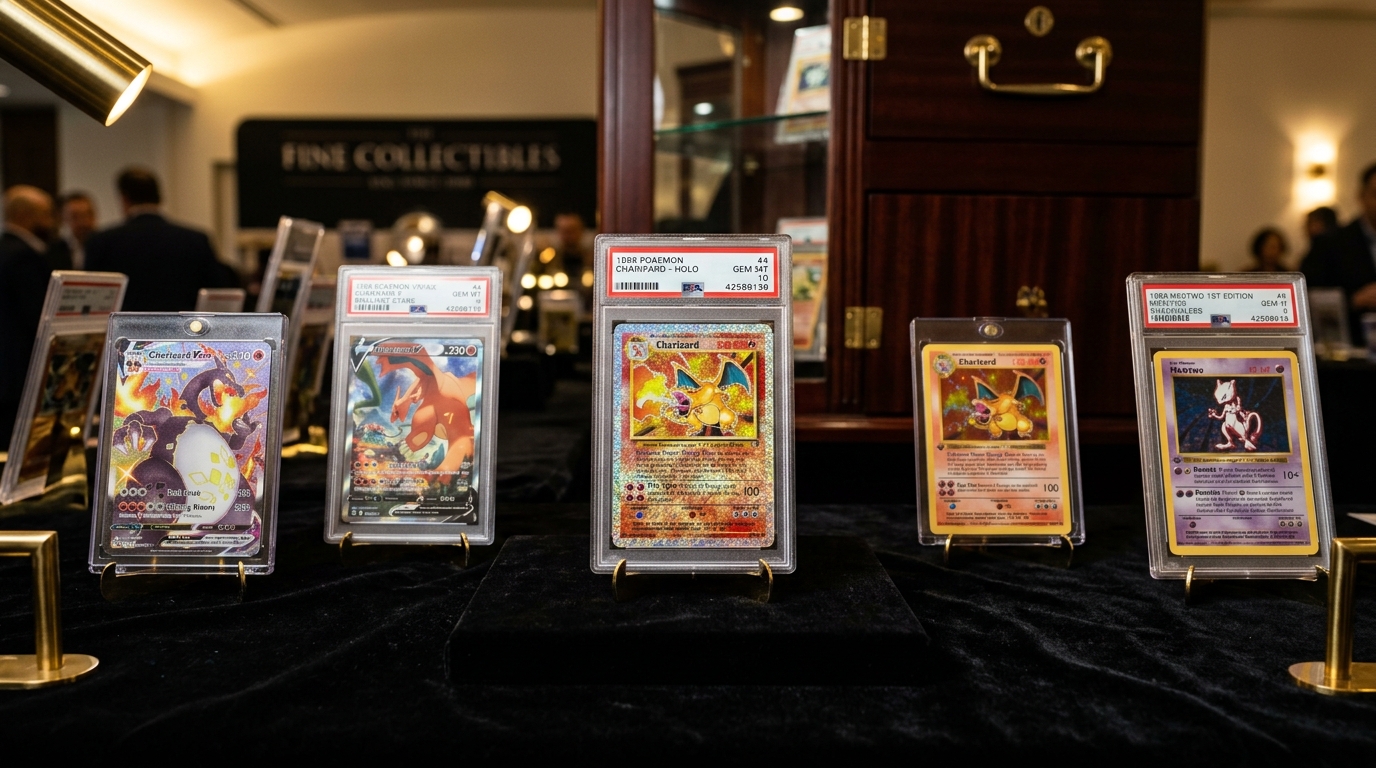
Best Pokemon Cards to Invest In 2026: Long-Term Analysis
A data-driven breakdown of the best Pokemon cards to invest in for 2026, from $16M vintage grails to modern alt art sleepers. Learn which cards have the strongest fundamentals, how to approach grading ROI, and how to build a balanced Pokemon card portfolio.
Pokemon Price Tracker
Stay Updated
Subscribe to our newsletter for the latest Pokemon card market trends, investment opportunities, and exclusive insights delivered straight to your inbox.