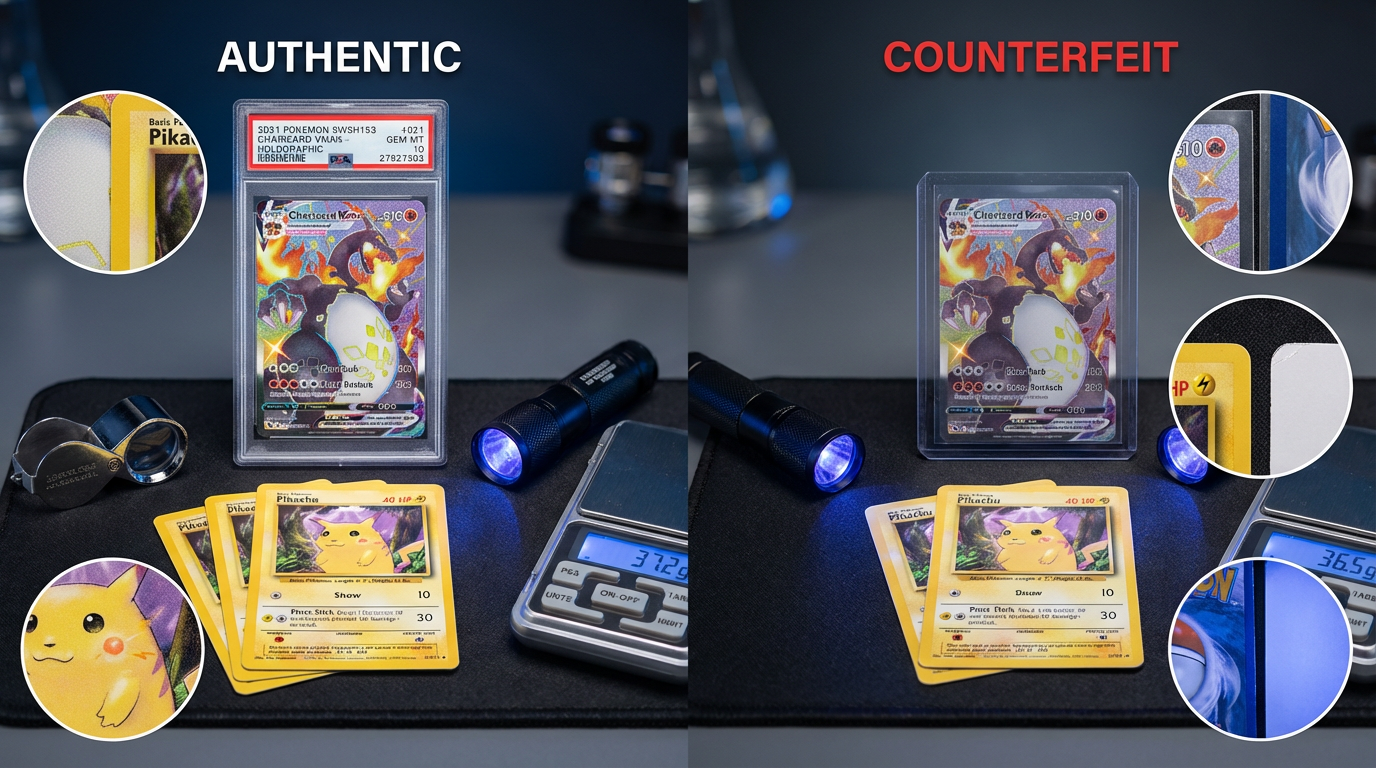
Spot Fake Pokemon Cards in 2026: Complete Authentication Guide
With Pokemon celebrating its 30th anniversary in 2026 and the launch of the new Mega Evolution series, the Pokemon TCG market has never been more active—or more vulnerable to counterfeits. Recent high-profile cases, including a $2 million fake grading scheme conviction in January 2026, have sent shockwaves through the collecting community. Whether you're a seasoned collector or just starting out, knowing how to authenticate Pokemon cards is essential to protecting your investment.
This comprehensive guide will walk you through proven authentication methods, red flags to watch for, and the latest counterfeit trends emerging in 2026.
Why Card Authentication Matters More Than Ever in 2026
The Pokemon TCG market has stabilized from its pandemic-era highs, but this cooling period hasn't deterred counterfeiters—if anything, it's made authentication more critical. Here's what's happening:
Recent Major Incidents:
- January 2026: Anthony Curcio convicted of wire fraud for selling Pokemon and sports cards with fake PSA grading labels, including 1999 Venusaur and Charizard cards worth approximately $2 million
- CGC Prototype Scandal: CGC recalled over 1,500 Pokemon cards amid investigations into potentially counterfeit prototype/playtest cards, including items sold for over $204,000
- Printer Metadata Exposure: Counterfeit "vintage" cards were exposed when buyers discovered yellow dot metadata showing cards were printed in 2024
These incidents highlight a sobering reality: counterfeiters are becoming increasingly sophisticated, targeting not just raw cards but the entire authentication ecosystem, including grading companies.
The Anatomy of a Genuine Pokemon Card
Before you can spot fakes, you need to understand what makes a real Pokemon card authentic. Genuine Pokemon cards have specific construction characteristics that counterfeiters struggle to replicate perfectly.
Card Layer Structure
Authentic Pokemon cards consist of 3-4 distinct layers:
- Front printed layer - The visible card face with artwork and text
- Black/blue middle layer - An opaque core layer that prevents light transmission
- Adhesive layer - Bonds the layers together
- Back printed layer - The standard Pokemon card back design
This multi-layer construction is crucial for several authentication tests we'll cover below.
Standard Card Specifications
Dimensions:
- Width: 63mm (2.5 inches)
- Height: 88mm (3.5 inches)
- Thickness: Approximately 0.3mm
Weight:
- Standard card: 1.7-1.8 grams
- Holofoil card: Slightly heavier due to foil layer
Card Stock:
- Specific stiffness and flexibility
- Smooth but not glossy finish (unless intentionally glossy like certain Japanese cards)
- Consistent texture across the card surface
The 10 Most Reliable Authentication Tests
1. The Light Test (Primary Method)
How to perform it: Hold the card up to a bright light source (LED bulb, phone flashlight, or sunlight).
What to look for:
- Genuine cards: Should be completely or nearly opaque due to the black middle layer. Little to no light should pass through
- Fake cards: Often appear translucent or semi-transparent, with light easily passing through
Why it works: Counterfeiters typically use single-layer or two-layer construction without the opaque middle layer, making their cards more transparent.
Limitations: Some older genuine cards or certain Japanese printings may show slight transparency, so use this test in conjunction with others.
2. The Rip Test (Destructive - Use Only on Confirmed Fakes)
How to perform it: Carefully tear the edge of the card to expose the internal layers.
What to look for:
- Genuine cards: Will show a distinct black or dark blue layer in the middle
- Fake cards: Usually show white or single-layer construction throughout
Important warning: Only perform this test on cards you've already confirmed as fake through non-destructive methods, or on bulk commons you're willing to sacrifice for educational purposes.
3. Hologram Pattern Analysis
Holographic cards are prime targets for counterfeiters, but the holographic pattern is difficult to replicate accurately.
Genuine holograms:
- Display vibrant, shifting rainbow patterns
- Show depth and dimensionality when tilted
- Have consistent, crisp patterns across the entire holographic area
- Pattern shifts smoothly as you change viewing angle
Fake holograms:
- Often appear static or dull
- May have irregular or pixelated patterns
- Show inconsistent coloring
- Sometimes use sticker-like foil that can peel or bubble
Era-specific patterns:
- Base Set through Neo series: Cosmos holofoil pattern (stars and sparkles)
- EX series: Various patterns including horizontal lines
- Modern cards: More complex patterns with deeper effects
4. Font and Text Inspection
Counterfeiters frequently make mistakes with typography that are visible upon close inspection.
Check these elements:
The Pokémon logo:
- Must include the accent mark (é) in "Pokémon"
- Font should be consistent with the card's era
- Spacing should be uniform
Card text:
- Attack names, descriptions, and HP should use official Pokemon fonts
- No spelling errors or typos
- Consistent font weight and spacing
- Copyright information should match the set and year
Set symbols and numbers:
- Set symbols should be crisp and properly colored
- Card numbers (e.g., "25/102") should use the correct font and sizing
Common fake card errors:
- Missing accent on the "é" in Pokémon
- Incorrect font for HP numbers
- Misspelled attack names
- Wrong or missing copyright dates
5. Color Saturation and Print Quality
Genuine cards:
- Have consistent, vibrant colors that match known examples
- Show sharp, clean edges on all printed elements
- Display smooth color gradients in artwork
- Have precise registration (alignment of color layers)
Fake cards:
- Often have oversaturated or undersaturated colors
- May show blurry edges or pixelation
- Display banding or uneven color gradients
- Sometimes have misaligned color layers (visible as colored halos around images)
Pro tip: Compare suspicious cards side-by-side with confirmed authentic cards from the same set. Color differences become much more apparent in direct comparison.
6. Card Back Examination
The Pokemon card back is standardized and should be identical across all genuine cards (with minor variations for different regions).
Elements to verify:
Pokéball design:
- Crisp, clean lines
- Proper color saturation (bright red and white)
- Correct proportions and positioning
Border:
- Consistent yellow border width
- Clean, sharp edges
- No bleeding or color variation
Text:
- "Pokémon" with proper accent mark
- Correct font and sizing
- Proper spacing
Common issues with fakes:
- Washed-out or overly bright colors
- Blurry Pokéball design
- Incorrect blue shade in the background pattern
- Uneven border width
7. Texture and Feel Test
Experienced collectors can often identify fakes by touch alone.
Genuine card feel:
- Specific stiffness—not too flexible, not too rigid
- Smooth surface with slight texture
- Consistent thickness throughout
- Proper weight (approximately 1.7-1.8 grams)
Fake card feel:
- Too flimsy or too thick
- Glossy or slick surface (unless it's a legitimate glossy variant)
- Rough or grainy texture
- Noticeably lighter or heavier than genuine cards
Building tactile memory: Handle authentic cards regularly to develop a sense of what genuine Pokemon cards should feel like. This intuitive knowledge becomes invaluable.
8. Edge and Corner Inspection
The edges and corners of Pokemon cards reveal important construction details.
What to examine:
Cut quality:
- Genuine cards have clean, precise cuts
- Edges should be straight and uniform
- Corners should have consistent rounding
Layer visibility:
- Look at the card edge under magnification
- You should see the distinct black middle layer sandwiched between the front and back layers
- Fake cards often show only white or single-color edges
Edge coloring:
- Should be consistent around the entire card
- No white showing through colored borders (unless damaged)
9. Set Symbol Verification
Each Pokemon set has a unique symbol that appears on every card.
Authentication checklist:
- Symbol matches the set the card claims to be from
- Symbol is crisp and properly colored
- Symbol is positioned correctly on the card
- Symbol size is appropriate for the card's era
Reference resources: Maintain a reference guide of set symbols, or use online databases to verify the correct symbol for each set.
10. Comparison with Known Authentic Cards
When in doubt, direct comparison is your most powerful tool.
How to compare effectively:
- Find a verified authentic card from the same set (preferably the same card)
- Place cards side-by-side under good lighting
- Compare systematically:
- Overall color saturation
- Text fonts and sizing
- Holographic patterns (if applicable)
- Card back design
- Texture and thickness
Where to find authentic references:
- Your own verified collection
- Trusted friends or local game stores
- Graded cards (though be aware of the fake grading scheme risks)
- Official Pokemon Company images (though print quality may vary from digital)
Red Flags: When to Be Extra Cautious
Certain situations should immediately raise your suspicion level:
Price Too Good to Be True
If someone is selling a high-value card for significantly below market value, ask yourself why:
- Do they not know its value? (Unlikely in 2026 with easy price checking)
- Is it damaged? (Should be disclosed)
- Is it fake? (Most probable)
Action: Check price history on pokemonpricetracker.com to understand typical market values before making purchases.
Suspicious Seller Behavior
Warning signs:
- Refuses to provide additional photos
- Won't allow in-person inspection before purchase
- Has multiple high-value cards with no collecting history
- Provides vague or contradictory information about card provenance
- Pressures you to buy quickly
- Only accepts payment methods without buyer protection
Grading Label Inconsistencies
Following the January 2026 conviction for fake PSA labels, scrutinize graded cards carefully:
Verify:
- Label font and formatting matches current PSA/CGC/BGS standards
- Certification number is valid (check company databases)
- Case construction matches authentic slabs
- Holographic security features are present and correct
- Label information matches the card inside
Pro tip: PSA, CGC, and BGS all maintain online databases where you can verify certification numbers. Always check before purchasing expensive graded cards.
Unusual Card Sources
Higher risk sources:
- Unverified online marketplaces without buyer protection
- Social media sales from unknown sellers
- Flea markets and swap meets (not always, but exercise caution)
- International sellers from countries known for counterfeiting
Lower risk sources:
- Established card shops with reputation to protect
- Major online platforms with authentication guarantees
- Direct from other verified collectors with references
- Official Pokemon retailers (for new products)
Region-Specific Authentication: English vs. Japanese Cards
Japanese and English Pokemon cards have distinct characteristics that counterfeiters may not replicate accurately.
Japanese Card Characteristics
Unique features:
- Different card stock with slightly glossier finish
- Different font styles for Japanese text
- May have different holographic patterns
- Often slightly different color saturation
- Different copyright information
Common mistakes in fake Japanese cards:
- Using English card stock
- Incorrect Japanese characters or fonts
- Wrong set symbols or numbering
- Inappropriate holographic patterns for the era
English Card Variations
Regional differences:
- North American prints vs. European prints may have slight variations
- Different copyright text
- Occasionally different card stock batches
Authenticity note: These legitimate regional variations can sometimes be mistaken for fakes. Research the specific set and region before making judgments.
Modern Technology: Advanced Counterfeit Detection
As we move through 2026, new technologies are emerging to combat counterfeits:
Digital Authentication Tools
Smartphone apps: Several apps now use machine learning to analyze card photos and identify potential fakes based on:
- Color analysis
- Pattern recognition
- Font verification
- Holographic pattern assessment
Limitations: These tools are helpful but not infallible. Always use them as part of a comprehensive authentication process.
Microscopic Analysis
What to look for under magnification (10x-60x):
Print patterns:
- Genuine cards use professional offset printing with specific dot patterns
- Fakes often show irregular printing, laser printer toner, or inkjet patterns
Holographic details:
- Authentic holofoil has precise, consistent patterns
- Counterfeit foil often shows irregular or simplified patterns
Text edges:
- Real cards have clean, sharp text edges
- Fakes may show fuzzy or pixelated text
UV Light Testing
How it works: Some collectors use UV (blacklight) to examine cards, though this is less standardized than other methods.
What some have observed:
- Certain genuine cards may fluoresce in specific ways
- Different card stocks may react differently to UV light
- Some fake cards use different materials that react distinctly to UV
Caution: This method is not well-documented across all sets and eras. Use it as a supplementary test only.
What to Do If You Suspect a Fake
If You Haven't Purchased Yet
-
Request additional photos focusing on:
- Card edge showing layers
- Close-up of text and symbols
- Card back
- Any holographic areas
-
Ask questions:
- Where did the card come from?
- How long have they owned it?
- Why are they selling?
-
Request in-person inspection if possible
-
Walk away if uncomfortable - no card is worth the risk
If You've Already Purchased
For online purchases:
- Document everything - take photos and videos
- Contact the seller - they may not have known it was fake
- File a dispute with the platform or payment processor
- Report to the platform to protect other buyers
- Consider legal action for high-value purchases
For in-person purchases:
- Contact the seller immediately if you have their information
- Report to local authorities for significant fraud
- Share information with the collecting community (without harassment)
- Learn from the experience to avoid future mistakes
Reporting Counterfeiters
Who to contact:
- The Pokemon Company International - has an anti-counterfeiting program
- Platform administrators (eBay, TCGPlayer, etc.)
- Local law enforcement for significant fraud
- Federal authorities (FBI, Secret Service) for large-scale operations
- Grading companies if fake slabs are involved
Building Your Authentication Skillset
Becoming proficient at spotting fakes takes practice and ongoing education.
Create a Reference Collection
Maintain a small collection of verified authentic cards from various eras:
- Different holographic patterns
- Various set symbols
- Multiple print runs if possible
- Both English and Japanese cards if you collect both
Stay Informed About New Counterfeits
Resources to monitor:
- Pokemon collecting forums and subreddits
- YouTube channels dedicated to authentication
- Social media groups focused on card authentication
- Grading company announcements
- Our blog at pokemonpricetracker.com for market updates
Practice Regularly
The more cards you examine, the better you'll become at authentication:
- Visit local card shops and ask to examine cards
- Attend card shows and tournaments
- Join local collecting groups
- Practice authentication tests on bulk commons
Network with Experienced Collectors
Build relationships with knowledgeable collectors who can:
- Provide second opinions on suspicious cards
- Share their authentication experiences
- Alert you to new counterfeit trends
- Serve as references for card authenticity
The Future of Pokemon Card Authentication
As we progress through 2026 and beyond, both authentication and counterfeiting technologies will continue to evolve.
Potential Developments
Blockchain verification: Some have proposed blockchain-based authentication systems where each card's authenticity could be verified through a digital ledger.
NFC/RFID chips: Future high-value cards might include embedded chips for instant authentication, though this seems unlikely for the traditional collecting market.
Enhanced security features: The Pokemon Company may introduce additional security features similar to those used in currency:
- Microprinting
- Color-shifting inks
- Embedded security threads
- Watermarks
AI-powered authentication: Machine learning models trained on millions of authentic cards could provide instant authentication through smartphone cameras.
Key Takeaways
Protecting yourself from counterfeit Pokemon cards in 2026 requires vigilance, knowledge, and careful examination:
Essential practices:
- Always perform multiple authentication tests - never rely on a single method
- When in doubt, seek expert opinions from trusted collectors or professional authenticators
- Buy from reputable sources with return policies and buyer protection
- Stay informed about new counterfeit trends and authentication methods
- Trust your instincts - if something feels off, it probably is
- Verify grading labels through official databases, especially after the 2026 fake grading schemes
- Compare with known authentic examples whenever possible
- Invest in basic tools like a jeweler's loupe, scale, and bright light source
Remember: The goal isn't to become paranoid about every card, but to develop the skills and habits that protect you from significant losses. Most Pokemon cards in circulation are genuine, but the high-value nature of rare cards makes counterfeiting profitable enough that vigilance is essential.
By following the authentication methods outlined in this guide and staying current with evolving counterfeit trends, you can confidently build your collection while minimizing the risk of acquiring fake cards.
Note: This guide provides educational information about authentication methods. When making significant purchases, consider professional authentication services for added security. Past authentication methods may not catch all future counterfeits—always stay informed about new developments in both counterfeiting and authentication technology.
Pokemon Price Tracker
Market Analyst
Related Articles
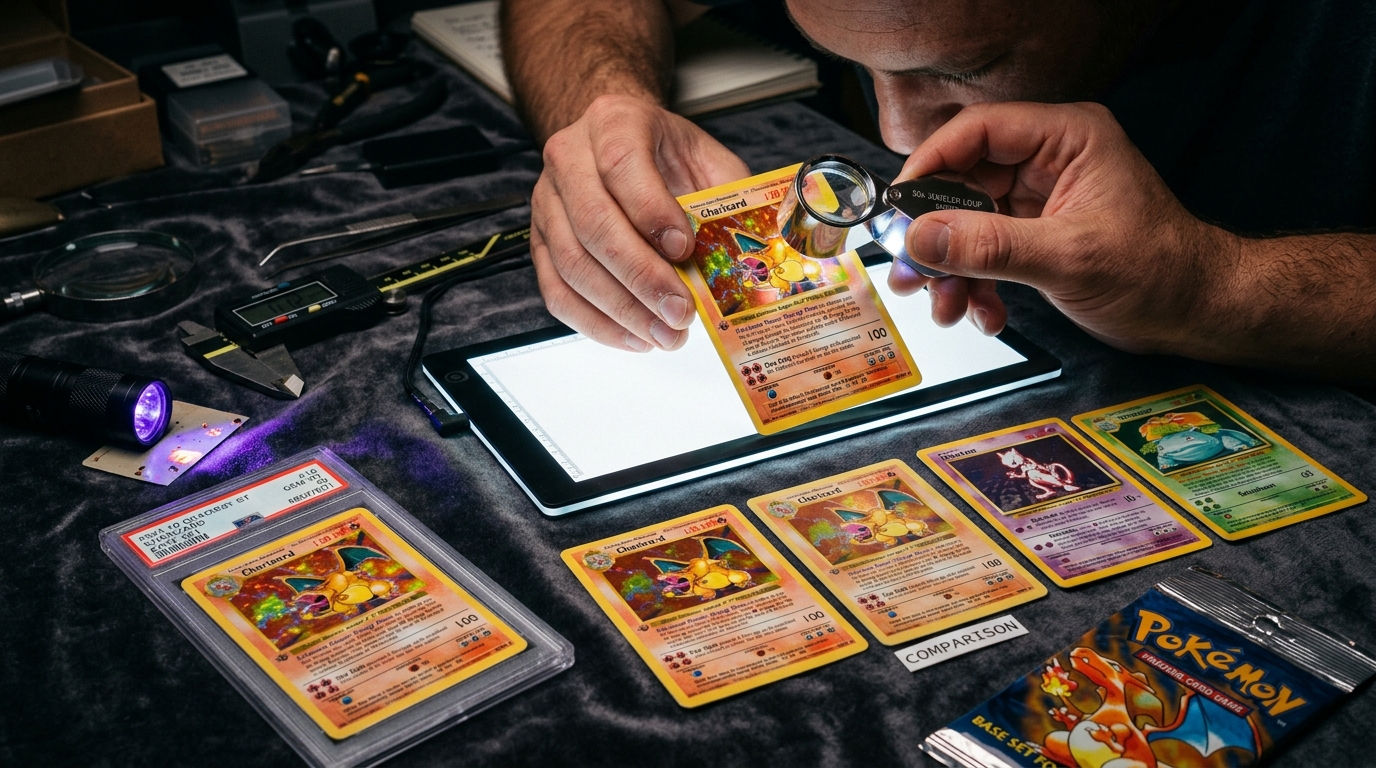
How to Spot Fake Pokemon Cards: 2026 Authentication Guide
Counterfeit Pokémon cards have reached new levels of sophistication in 2026, with fake Chaos Rising Mega Evolution ex cards, replica PSA slabs, and counterfeit sealed booster boxes flooding the market. This comprehensive 10-step authentication guide teaches collectors how to spot fakes using the lig
Pokemon Price Tracker
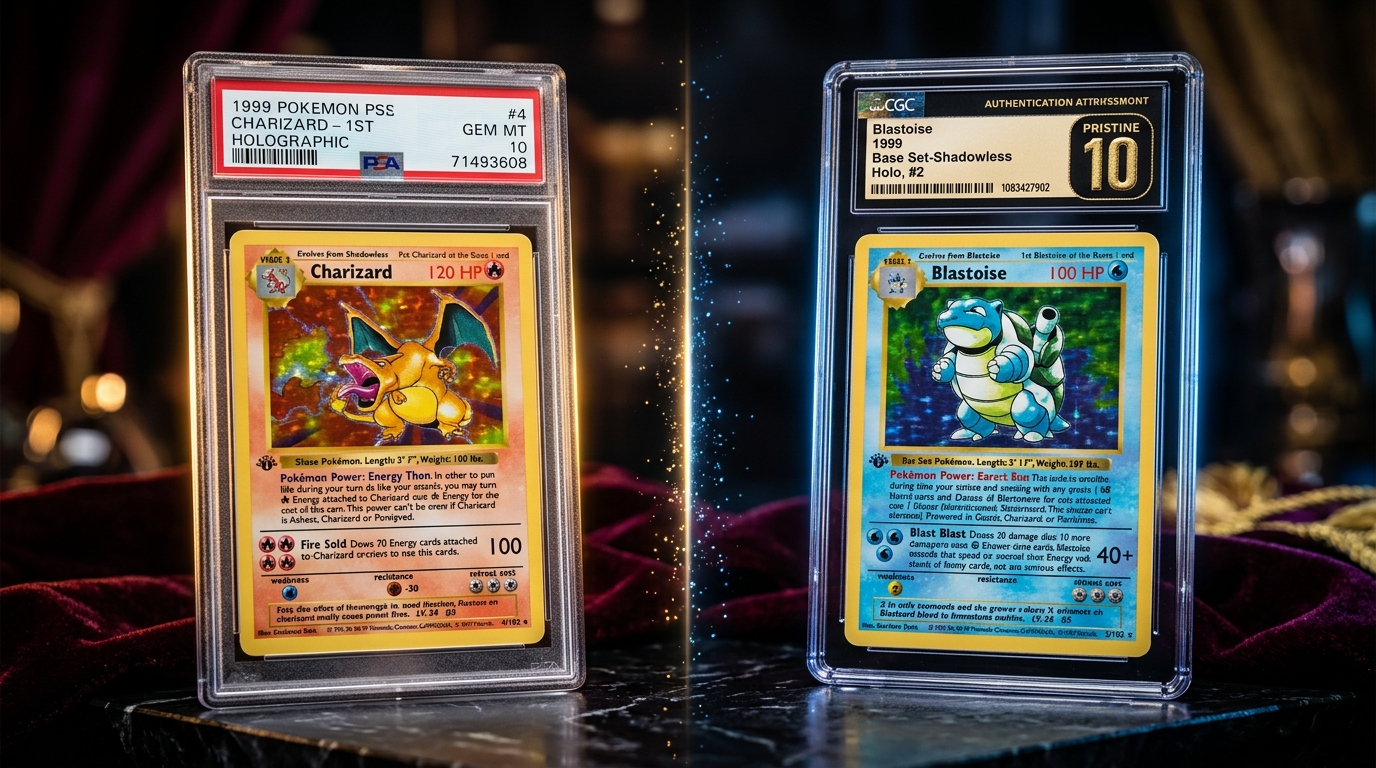
CGC vs PSA in 2026: Which Grader Holds Value Best?
PSA's 2026 Value tier pause has reshaped the grading landscape. We compare CGC vs PSA on pricing, turnaround, resale premiums, and market share to help you choose the right grader for every submission.
Pokemon Price Tracker
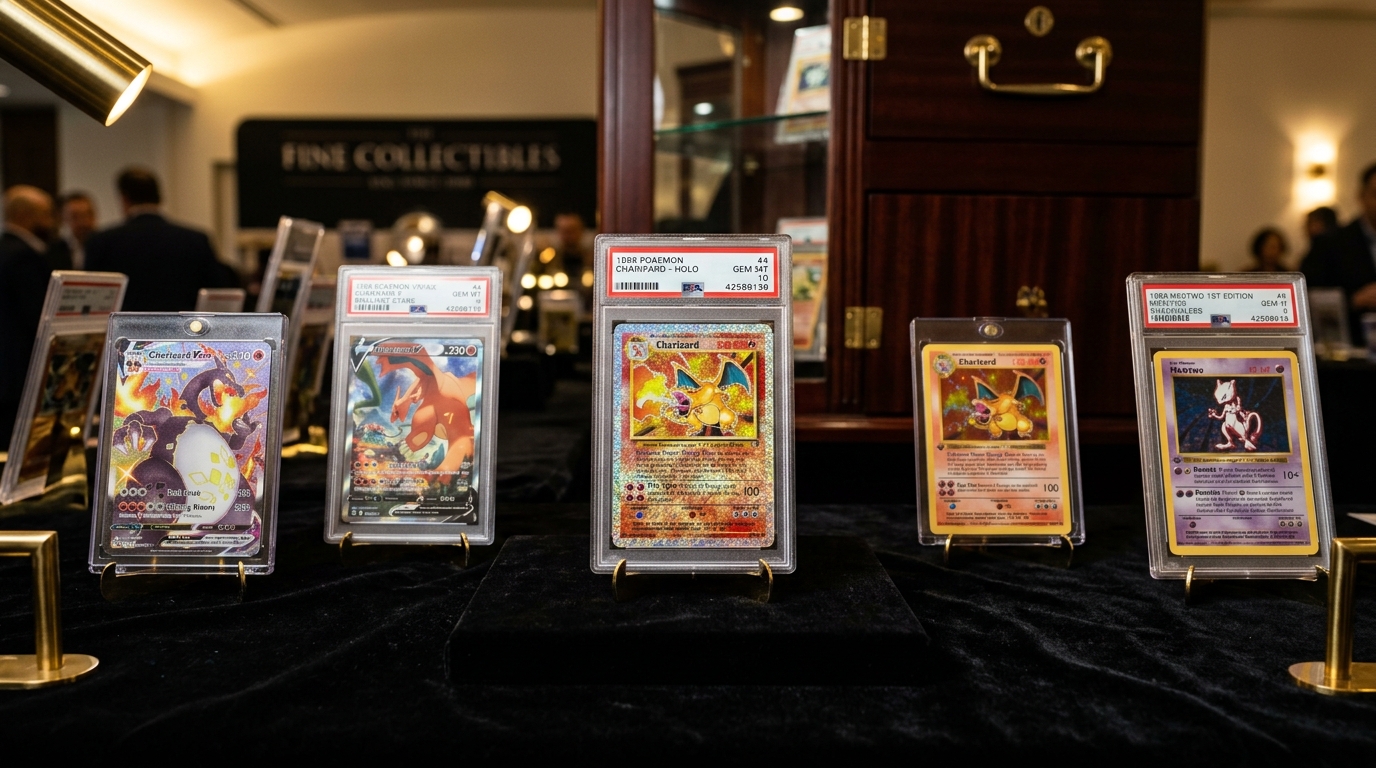
Best Pokemon Cards to Invest In 2026: Long-Term Analysis
A data-driven breakdown of the best Pokemon cards to invest in for 2026, from $16M vintage grails to modern alt art sleepers. Learn which cards have the strongest fundamentals, how to approach grading ROI, and how to build a balanced Pokemon card portfolio.
Pokemon Price Tracker
Stay Updated
Subscribe to our newsletter for the latest Pokemon card market trends, investment opportunities, and exclusive insights delivered straight to your inbox.