The Pokemon TCG market has evolved dramatically, with the secondary market reaching $2.1 billion in annual resale volume by mid-2026. Whether you're sitting on a childhood collection or actively flipping modern cards, understanding where and how to sell Pokemon cards can mean the difference between leaving thousands on the table and maximizing your profit.
With record-breaking sales like the PSA 10 Pikachu Illustrator selling for $16.49 million in February 2026 and the Pokemon franchise celebrating its 30th anniversary, there's never been a better time to understand the selling landscape. This comprehensive guide will walk you through every step of the selling process, from evaluating your cards to choosing the right platform and timing your sales for maximum profit.
Understanding Your Pokemon Cards' Value
Before you can sell effectively, you need to know what you're working with. Not all Pokemon cards are created equal, and understanding the factors that drive value is crucial.
Key Value Factors
Rarity and Set
- Vintage cards from 1999-2003 (Base Set, Jungle, Fossil, Team Rocket) command premium prices
- First Edition stamps significantly increase value, especially on Base Set cards
- Special rarities like Full Art, Secret Rare, and the new Mega Attack Rare from 2026's Mega Evolution sets
- Chase cards from recent sets like Umbreon ex SIR from Prismatic Evolutions ($1,054 raw, $3,850 PSA 10)
Condition is Everything
The difference between a Near Mint and Lightly Played card can be 50-70% of the value. For high-value cards, condition differences are even more dramatic:
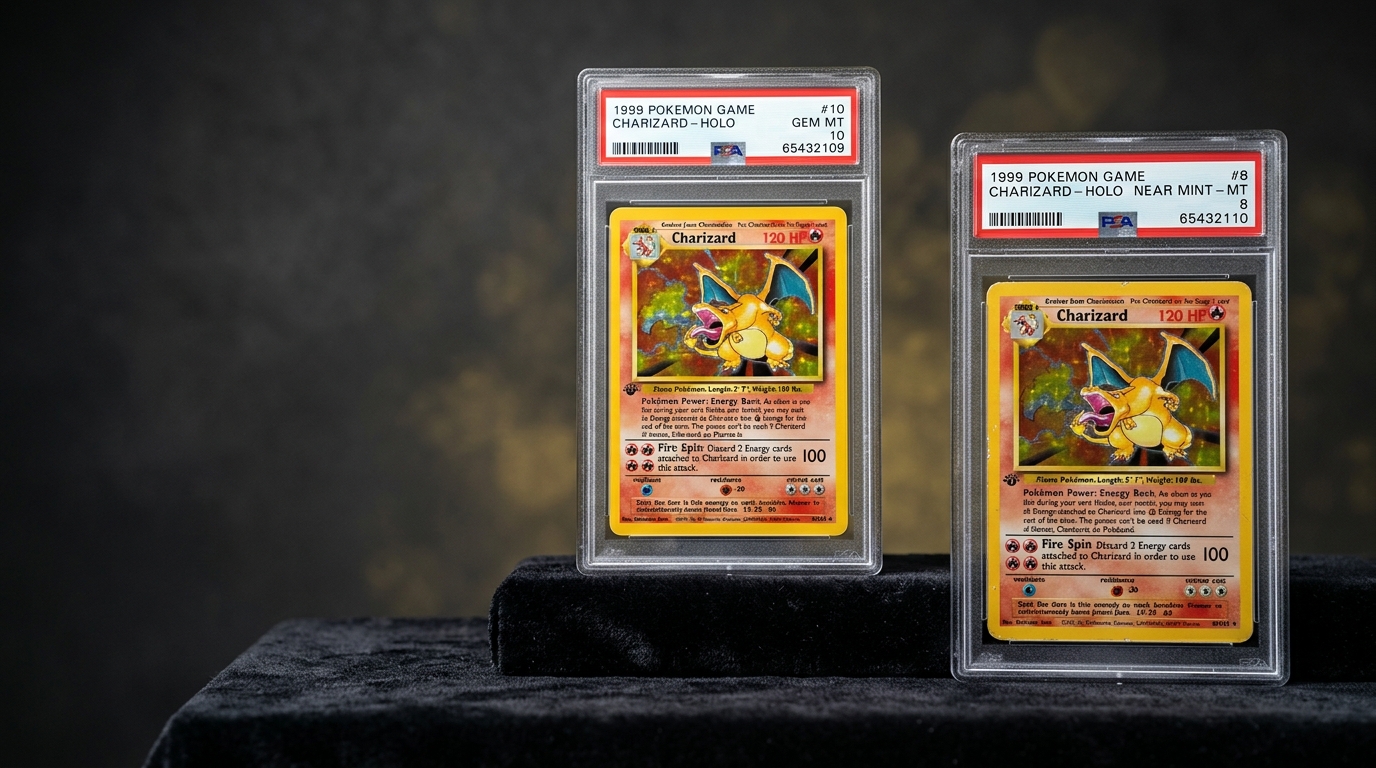
- PSA 10 1st Edition Base Set Charizard: ~$550,000
- PSA 9 of the same card: ~$100,000-150,000
- Raw Near Mint: $20,000-40,000
Market Timing
The 2026 market shows distinct patterns:
- Modern singles experiencing 20-30% corrections after the 2025 peak
- Vintage and sealed products projected to appreciate 15-25% annually
- 30th Anniversary momentum driving sustained demand across all eras
- The Moonbreon (Umbreon VMAX Alt Art) dropped below $1,800 after hitting $2,000 in September 2025
Should You Grade Your Cards?
Grading can multiply your card's value, but it comes with costs and waiting periods. The decision depends on several factors:
When Grading Makes Sense:
- Cards worth $100+ raw with excellent centering and no visible flaws
- Vintage holos from Base Set through Neo series
- Modern chase cards like Alt Arts, Illustration Rares, and Special Illustration Rares
- Cards you plan to hold long-term
Grading Costs to Consider (2026 rates):
- PSA: $25-150 per card depending on service level and declared value
- CGC: $20-100 per card
- BGS: $30-200 per card
- Turnaround times: 2-8 weeks for standard service
ROI Example:
- Umbreon ex SIR raw: $1,054
- Umbreon ex SIR PSA 10: $3,850
- Grading cost: ~$50
- Profit increase: $2,746 (260% ROI on grading cost)
For cards where grading could significantly impact value, use our Grading Calculator to determine if the investment makes financial sense based on current population data and price spreads.
Choosing the right selling platform is critical. Each option has distinct advantages, fees, and ideal use cases.
1. eBay: The Largest Marketplace
Pros:
- Massive buyer base with millions of active Pokemon collectors
- Auction format can drive prices above market for rare cards
- Best-in-class seller protection when you follow guidelines
- International reach for maximum exposure
Cons:
- 13.25% total fees (12.9% final value fee + ~3% payment processing)
- Time-intensive: photography, listing, shipping, customer service
- Risk of returns and potential scams
- Competitive marketplace requires strong listings
Best For:
- High-value cards ($500+) where auction format can maximize price
- Graded cards with strong photos showing certification
- Sellers with time to create detailed listings
- Building a long-term selling reputation
Tips for eBay Success:
- Use high-quality photos with multiple angles
- List during peak traffic times (Sunday evenings)
- Include detailed condition descriptions
- Check "sold listings" to price competitively
- Consider 7-day auctions for rare cards, Buy It Now for common cards
2. TCGPlayer: The Specialist Platform
Pros:
- Dedicated TCG audience with high buyer intent
- Direct marketplace and buylist options
- Lower fees than eBay (10.25% + $0.30 for direct, no fees for buylist)
- Streamlined for trading card sales
- TCGPlayer Direct program handles shipping for you
Cons:
- Smaller audience than eBay
- Buylist prices typically 50-70% of market value
- Direct seller requires inventory management
- More complex fee structure for international sellers
Best For:
- Modern singles and playable cards
- Bulk selling through buylist
- Sellers with consistent inventory
- Cards under $500 where fees matter
Maximizing TCGPlayer Sales:
- Price competitively within the lowest 3-5 listings
- Maintain high seller ratings for better visibility
- Use accurate condition grading (TCGPlayer is strict)
- Consider Direct program for hands-off fulfillment
- Bundle shipping for multiple purchases
3. Local Card Shops: Immediate Cash
Pros:
- Instant payment, no waiting
- No shipping hassles or fees
- No risk of scams or chargebacks
- Good for bulk commons and uncommons
Cons:
- Typically pay 40-60% of market value
- Limited by local shop's budget and inventory needs
- May not have expertise in high-end vintage
- No competitive bidding to drive prices up
Best For:
- Bulk collections you want gone quickly
- Cards under $50 where selling effort isn't worth time
- Testing the waters before committing to online selling
- Building relationships for future purchases
Negotiation Tips:
- Get quotes from multiple shops
- Know your cards' market value beforehand
- Offer bulk deals for better percentages
- Ask about store credit (usually 20-30% more than cash)
4. Facebook Groups and Reddit: Community Sales
Pros:
- Direct buyer contact, no marketplace fees
- Community reputation systems
- Negotiation flexibility
- Access to serious collectors
Cons:
- Higher scam risk without platform protection
- Requires building trust and reputation
- Time-consuming negotiations
- Payment processing fees still apply (PayPal G&S 3.5%)
Best For:
- Experienced sellers with established reputations
- Unique or niche cards that attract specific collectors
- Avoiding marketplace fees on high-value sales
- Networking with other collectors
Key Groups to Join:
- r/pkmntcgtrades (Reddit) - 100k+ members, strict verification
- Pokemon TCG Collectors (Facebook) - 50k+ members
- Vintage Pokemon TCG (Facebook) - focused on pre-2003 cards
- Local Pokemon TCG groups in your area
Safety Protocols:
- Always use PayPal Goods & Services
- Check buyer/seller references
- Use tracked, insured shipping
- Document everything with photos and messages
- Start with lower-value trades to build reputation
5. Auction Houses: Premium Sales
Pros:
- Best prices for truly rare cards ($10,000+)
- Expert authentication and marketing
- Serious buyer base with deep pockets
- Professional photography and presentation
Cons:
- High fees (15-25% buyer's premium, 10-15% seller's commission)
- Minimum value requirements ($5,000-10,000+)
- Long turnaround (3-6 months from consignment to payment)
- Not worth it for mid-tier cards
Major Auction Houses:
- Heritage Auctions: Largest TCG auction house
- Goldin Auctions: Record-breaking Pokemon sales
- PWCC Marketplace: Specializes in graded cards
- ComicConnect: Growing Pokemon division
Best For:
- PSA 10 vintage holos worth $10,000+
- Rare promos and tournament prizes
- Complete graded sets
- Trophy cards and unique pieces
6. Buylist Services: Quick Bulk Sales
Pros:
- Fastest way to move large quantities
- No individual listings required
- Guaranteed prices (for a limited time)
- Free shipping on large orders
Cons:
- Lowest prices (30-60% of market value)
- Condition requirements can be strict
- Prices fluctuate with market
- May reject cards or offer less upon inspection
Top Buylist Services:
- TCGPlayer Buylist
- Card Cavern
- Troll and Toad
- CoolStuffInc
- ChannelFireball
Best For:
- Bulk collections with hundreds of cards
- Clearing out binders quickly
- Cards worth $1-20 where individual selling isn't efficient
- Duplicates from opening sealed products
Presentation dramatically impacts selling price. Follow these steps to maximize value.
Photography Best Practices
Essential Equipment:
- Smartphone camera (10MP+) or DSLR
- Natural lighting or LED light box
- Plain white or black background
- Card sleeves and top loaders
Photo Checklist:
- Front of card, centered, well-lit, no glare
- Back of card showing condition
- Close-ups of any flaws or damage
- Holographic pattern (for holos) showing authenticity
- Grading label (for graded cards) with cert number visible
- Multiple cards in lot sales should have group photo
Common Photography Mistakes:
- Glare from overhead lights hiding card details
- Blurry images from shaky hands (use timer or tripod)
- Poor cropping that cuts off card edges
- Filters that distort card colors
- Not showing damage that buyers will notice
Condition Grading Accuracy
Be honest about condition. Overgrading leads to returns, negative feedback, and lost sales.
Condition Standards:
- Gem Mint/Mint (10/9): Perfect centering, sharp corners, no scratches
- Near Mint (8): Slight whitening on corners, minor printing lines
- Lightly Played (7): Noticeable edge wear, small scratches
- Moderately Played (6): Creasing, significant edge wear
- Heavily Played (5): Major creases, water damage, heavy wear
- Damaged (1-4): Tears, holes, writing, severe damage
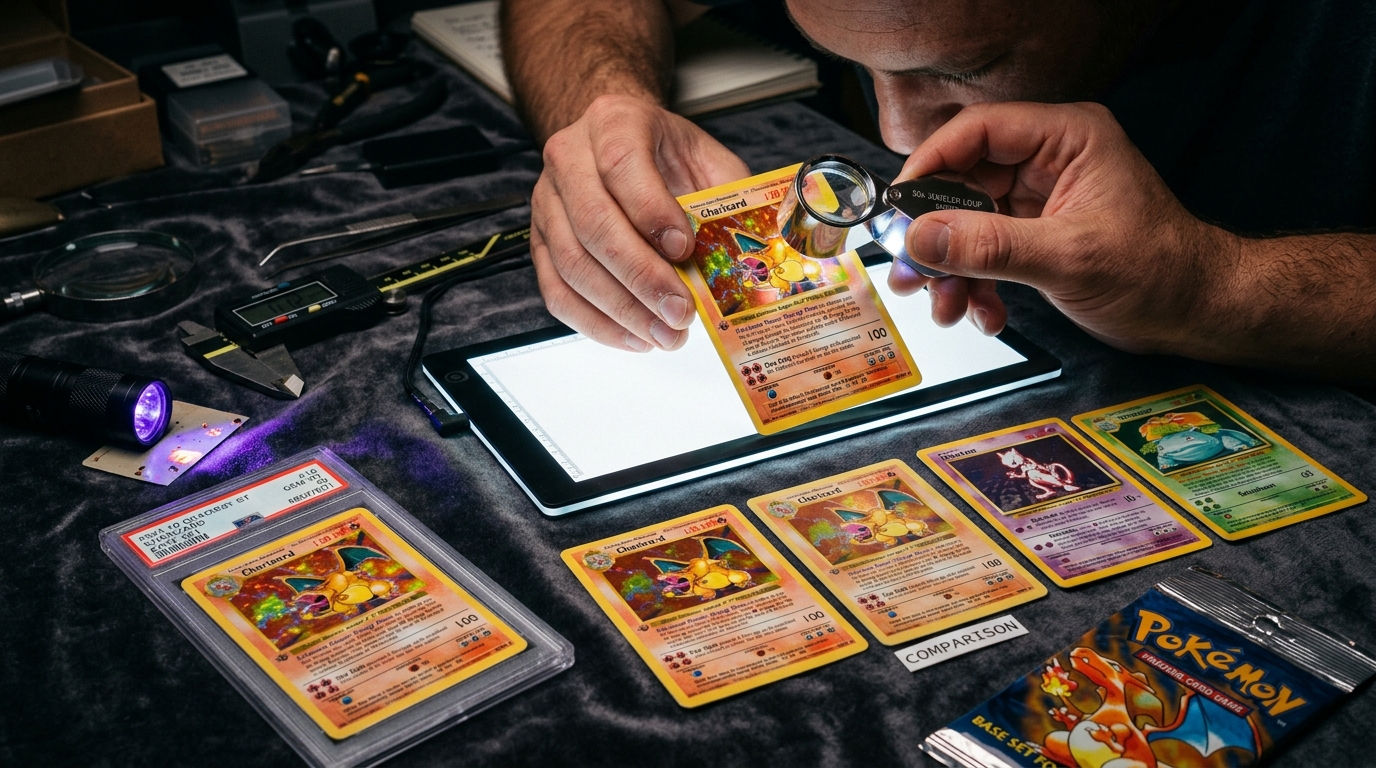
Inspection Points:
- Centering (front and back)
- Corner sharpness (all four corners)
- Edge whitening or chipping
- Surface scratches or indentations
- Holofoil scratching (for holos)
- Print lines or defects
Packaging and Shipping
Standard Shipping Method:
- Card in penny sleeve
- Card in top loader
- Top loader secured with painter's tape (never regular tape on the card)
- Top loader in team bag or sealed baggie
- Cardboard reinforcement on both sides
- Bubble mailer or small box
- "Do Not Bend" written on envelope
For High-Value Cards ($100+):
- Use rigid cardboard box, not envelope
- Double-sleeve cards
- Multiple layers of bubble wrap
- Insurance for full value
- Signature confirmation
- Tracking number
Shipping Costs (2026):
- Standard envelope: $1.50-3.00 (not recommended)
- Tracked bubble mailer: $4.50-6.00
- Small box with insurance: $8.00-12.00
- Priority Mail with $500 insurance: $10.00-15.00
Pricing can make or break your sale. Too high and you sit on inventory; too low and you leave money on the table.
Research Current Market Values
Best Price Research Tools:
- eBay Sold Listings: Filter by "Sold" to see actual sale prices, not asking prices
- TCGPlayer Market Price: Real-time average of recent sales
- PokemonPriceTracker.com: Track price history and trends over time
- 130Point.com: Graded card sales data and population reports
- PWCC Marketplace: High-end auction results
Price Research Process:
- Search for your exact card (set, number, variant)
- Filter by condition matching yours
- Look at 10-20 recent sales (last 30 days)
- Calculate average, removing outliers
- Adjust for your card's specific condition
- Factor in current market trends
Pricing by Sales Method
eBay Auctions:
- Start at 70-80% of market value for rare cards
- Start at $0.99 for ultra-rare cards to generate excitement
- Use reserve price for cards over $500 if concerned
- 7-day auctions ending Sunday evening 6-9 PM EST
Buy It Now Listings:
- Price at 95-100% of recent sales average
- Use "Make Offer" option to negotiate
- Monitor competitors and adjust weekly
- Drop price 5-10% after 30 days if no interest
TCGPlayer Direct:
- Price within top 5 listings for visibility
- Match lowest price for quick sales
- Premium 5-10% for high seller rating
- Adjust daily based on market movement
Private Sales:
- Start at 100-105% of market value
- Expect negotiation to 90-95%
- Offer package deals for multiple cards
- Be flexible with serious buyers
Timing Your Sales
Best Times to Sell:
- January-March: Tax refund season, high buyer activity
- November-December: Holiday shopping, gift buying
- New set releases: Interest in older cards from same Pokemon
- Major tournament seasons: Playable cards spike in demand
- Anniversary events: 2026's 30th Anniversary is driving sustained demand
Times to Hold:
- April-May: Post-tax season slowdown
- Summer months: Lower collector activity
- Right after new set drops: Modern cards from current set flood market
- During market corrections: Wait for stabilization
2026 Market Considerations:
- Modern singles seeing 20-30% corrections - may be buying opportunity
- Vintage and sealed products appreciating 15-25% - strong selling period
- 30th Anniversary momentum creating sustained demand
- New Mega Evolution sets driving interest in original Mega Evolution era cards
Bundle and Lot Sales
Grouping cards can increase total sale value and reduce per-card effort.
Effective Bundling:
- Complete evolution lines (Charmander, Charmeleon, Charizard)
- Full sets or near-complete sets
- Playsets (4 copies) of competitive cards
- Theme bundles (all Fire-type, all Pikachu variants)
- Bulk lots by rarity (100 commons, 50 uncommons)
Pricing Bundles:
- Individual card value × number of cards × 0.8-0.9
- Discount compensates buyer for taking multiple cards
- Highlight total individual value vs. bundle price
- Works best for $50-300 total value
Understanding Fees and Net Profit
Knowing your actual profit after all costs is crucial.
Fee Breakdown by Platform:
eBay:
- Final value fee: 12.9%
- Payment processing: 3.0% + $0.30
- Optional listing upgrades: $1-5
- Total: ~16% + shipping
TCGPlayer Direct:
- Commission: 10.25%
- Payment processing: $0.30 per order
- Channel Fireball fee (if applicable): 2%
- Total: ~10.5-12.5%
PayPal Goods & Services:
- Transaction fee: 3.49% + $0.49
- International: 4.99% + $0.49
Example Profit Calculation:
- Card sells for: $100
- eBay final value fee: -$12.90
- Payment processing: -$3.30
- Shipping cost: -$5.00
- Packaging materials: -$1.00
- Net profit: $77.80 (77.8%)
Always calculate net profit, not just sale price, when evaluating platforms.
Selling Bulk Collections
If you have hundreds or thousands of cards, bulk strategies are essential.
Bulk Sorting Strategy:
- Separate high-value cards ($10+) - sell individually
- Sort mid-tier cards ($1-10) - sell as lots or buylist
- Organize bulk by rarity - commons, uncommons, rares
- Check for playable cards - competitive cards worth more
- Bundle theme decks - complete decks or starter sets
Bulk Pricing:
- Commons/uncommons: $5-10 per 1,000 cards
- Rare/holo bulk: $0.10-0.25 per card
- Reverse holos: $0.15-0.30 per card
- Playable trainer cards: $0.25-1.00 per card
Best Bulk Buyers:
- Local card shops (instant cash)
- TCGPlayer buylist (selective, better prices)
- eBay lots (most effort, highest return)
- Bulk buyers on Facebook/Reddit (moderate prices)
Building a Selling Business
For serious sellers, treating Pokemon cards as a business maximizes long-term profit.
Business Fundamentals:
- Track all purchases, sales, and expenses
- Maintain inventory spreadsheet with costs and values
- Reinvest profits into undervalued cards
- Build reputation across multiple platforms
- Specialize in specific eras or card types
Tax Considerations:
- Report income over $600 (1099-K threshold)
- Deduct legitimate business expenses
- Track cost basis for each card
- Consider LLC formation for liability protection
- Consult tax professional for specific advice
Scaling Your Sales:
- Start with personal collection
- Reinvest profits into inventory
- Attend local events and tournaments
- Build relationships with other sellers
- Consider opening sealed products for singles
- Use data to identify undervalued cards
Learn from others' errors to protect your profits.
Overgrading Condition
The Problem: Sellers often overestimate their cards' condition, leading to returns, negative feedback, and lost sales.
The Solution:
- Grade conservatively - if unsure between two grades, use the lower
- Compare to graded examples online
- Have experienced collectors review your assessment
- Disclose any flaws in description, even minor ones
- Remember: buyers inspect closely and know grading standards
Poor Photography
The Problem: Blurry, poorly lit, or incomplete photos reduce buyer confidence and sale prices.
The Solution:
- Invest 5-10 minutes per card for quality photos
- Use natural light or LED light box
- Show all angles and any flaws
- No glare on holofoil cards
- Include grading label for graded cards
Inadequate Packaging
The Problem: Cards damaged in shipping lead to returns, negative feedback, and lost money.
The Solution:
- Never skip the top loader
- Use cardboard reinforcement
- Bubble mailers minimum, boxes for $100+ cards
- Insurance on high-value cards
- Track all shipments
Ignoring Market Trends
The Problem: Selling at the wrong time or missing market shifts costs money.
The Solution:
- Monitor prices weekly on your inventory
- Follow Pokemon TCG news and releases
- Join collector communities for market insights
- Understand seasonal patterns
- Be patient with long-term holds, quick with short-term flips
Unrealistic Pricing
The Problem: Overpricing based on outdated sales or wishful thinking results in no sales.
The Solution:
- Check recent sales (last 30 days), not old listings
- Accept that markets fluctuate
- Price competitively to move inventory
- Use auction format if uncertain about value
- Adjust prices based on market feedback
Understanding current trends helps you make strategic selling decisions.
What's Hot in 2026
30th Anniversary Cards:
- Special releases and commemorative sets
- Vintage reprints in premium formats
- Anniversary-themed products from McDonald's and other partners
Mega Evolution Series:
- New Mega Attack Rare cards from 2026 sets
- Original XY-era Mega Evolution cards seeing renewed interest
- Mega Gengar, Mega Charizard, Mega Rayquaza leading demand
Vintage Sealed Products:
- Base Set, Jungle, Fossil booster boxes
- Sealed Neo series packs
- Any first edition sealed products
- 15-25% annual appreciation projected
High-End Graded Cards:
- PSA 10 vintage holos continue strong
- Trophy cards and tournament prizes
- Unique variants and error cards
What's Cooling Down
Modern Singles:
- 20-30% corrections from 2025 peaks
- Oversupply from mass opening during boom
- Still valuable but less speculative premium
Common Modern Sealed:
- Recent set booster boxes readily available
- Limited appreciation potential short-term
- Better as long-term holds (5+ years)
Overproduced Promos:
- McDonald's regular promos (not anniversary)
- Common promo cards from tins and boxes
- Mass-distributed event promos
Investment Perspective
Note: Past performance does not guarantee future results. Always do your own research before making investment decisions.
The Pokemon TCG has demonstrated remarkable 3,821% growth since 2004, vastly outpacing traditional investments. However, the market has matured significantly:
Strong Long-Term Prospects:
- Established 30-year brand with multi-generational appeal
- Consistent new product releases maintaining interest
- Growing global collector base
- Proven scarcity of vintage products
Risk Factors:
- Market corrections can be sharp and sudden
- Condition sensitivity means small flaws = big value loss
- Counterfeit risk on high-end cards
- Platform fees eat into margins
- Liquidity varies greatly by card value
Smart Selling Strategy:
- Diversify: Don't put everything in one card or era
- Time sales: Sell during high-demand periods
- Grade selectively: Only when ROI justifies cost
- Monitor trends: Stay informed on market movements
- Be patient: Best prices come to patient sellers
Selling Pokemon cards profitably in 2026 requires knowledge, preparation, and strategy. Here's your action plan:
Immediate Actions:
- ✓ Evaluate your collection and identify high-value cards
- ✓ Research current market values for your best cards
- ✓ Assess condition honestly and consider grading for $100+ cards
- ✓ Choose the right selling platform for each card
- ✓ Take high-quality photos with proper lighting
- ✓ Price competitively based on recent sales data
Ongoing Practices:
- ✓ Monitor market trends and adjust prices accordingly
- ✓ Package cards securely with appropriate protection
- ✓ Build positive seller reputation across platforms
- ✓ Track expenses and profits for tax purposes
- ✓ Stay informed about new releases and market movements
- ✓ Network with other collectors and sellers
Remember:
- Condition and timing are everything
- Different platforms serve different card values
- Fees significantly impact net profit - calculate before listing
- Patience often yields better prices than rushed sales
- The 2026 market favors vintage and sealed products over modern singles
Whether you're clearing out a childhood collection or building a Pokemon card business, these strategies will help you maximize your profit while providing value to buyers. The Pokemon TCG market remains strong heading into its 30th anniversary, creating opportunities for knowledgeable sellers who understand the nuances of pricing, platform selection, and market timing.
Start with your most valuable cards, perfect your process, and scale from there. The market is waiting for well-presented, fairly-priced cards from trustworthy sellers. That seller can be you.