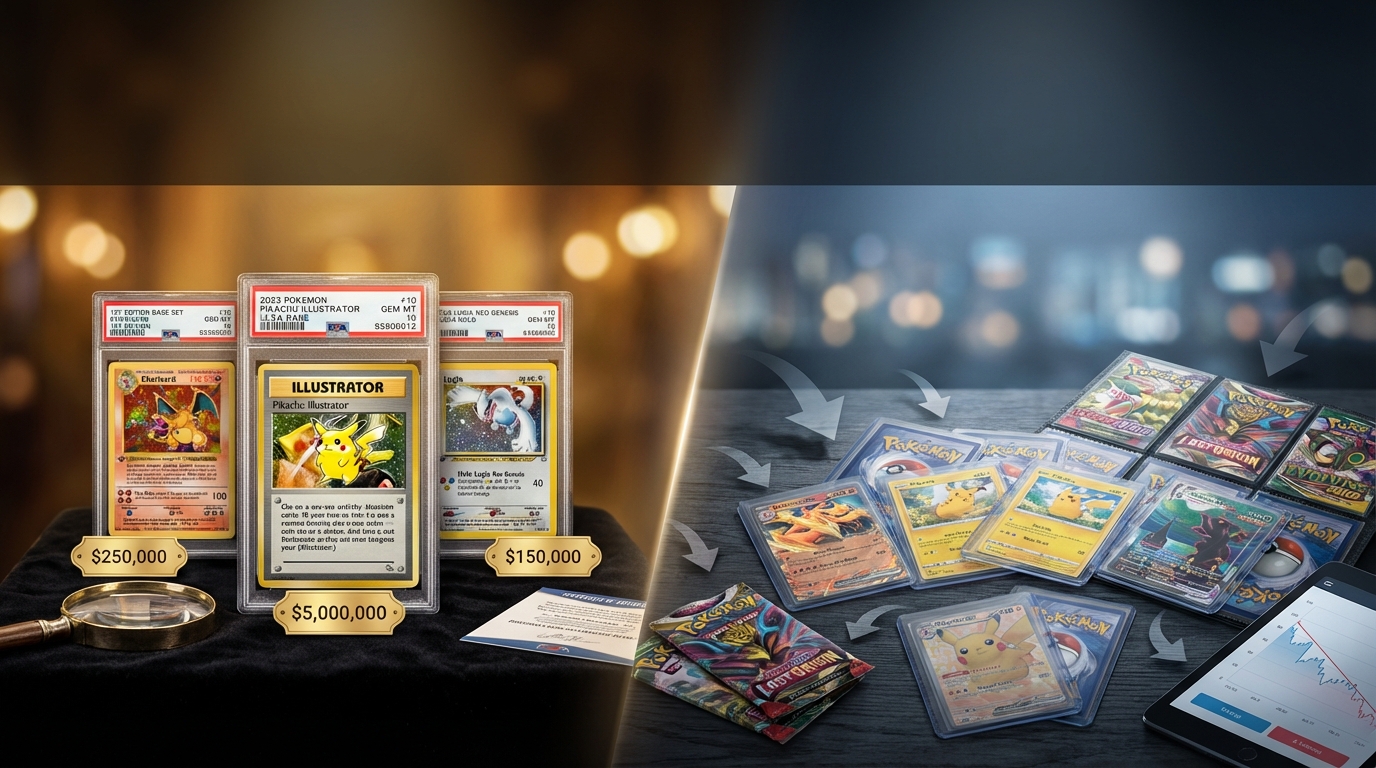
Pokemon Card Bubble 2026: Market Crash or Correction?
The Pokemon card market in 2026 has collectors and investors asking a critical question: are we witnessing a catastrophic bubble burst, or is this simply a healthy market correction? With modern card prices dropping 20-50% from their peaks while vintage cards shatter records—including Logan Paul's $16.5 million Pikachu Illustrator sale—the market has never been more polarized.
The answer isn't simple, but the data tells a compelling story. This isn't 2021's speculative mania, nor is it a complete market collapse. Instead, we're experiencing a sophisticated market bifurcation where fundamentals finally matter again. Let's dive deep into what's really happening with Pokemon cards in 2026.
Understanding the Current Market Landscape
The Tale of Two Markets
The Pokemon card market has split into two dramatically different segments:
Vintage Cards (1999-2003):
- Base Set 1st Edition Charizard PSA 10 sold for $550,000 at Heritage Auctions
- Only 122 PSA 10 copies exist of this iconic card
- Consistent upward trajectory with strong collector demand
- Scarcity-driven pricing with limited supply
Modern Cards (2020-Present):
- Modern sealed products down 20-50% from peak prices
- Modern singles down 20-30% from 2021 highs
- Oversupply issues with 10+ billion cards printed
- Price volatility based on rotation and reprint concerns
The Numbers Don't Lie
Despite recent corrections, the long-term data remains impressive:
- Overall Pokemon card market has grown 3,821% since 2004
- S&P 500 grew only 483% in the same period
- Buyers spent $450 million on cards in early 2026 alone
- Pikachu's global market cap approaches $650 million
These figures suggest we're not experiencing a bubble burst—we're watching a maturing market separate wheat from chaff.
The Logan Paul Effect: $16.5 Million Reality Check
On February 16, 2026, Logan Paul's PSA 10 Pikachu Illustrator sold for a record-breaking $16.5 million. This sale sent shockwaves through the community, but what does it really mean?
Why This Sale Matters
- Validation of Ultra-Rare Vintage: The sale proves that truly scarce, historically significant cards continue appreciating
- Market Confidence: Despite modern card corrections, high-net-worth collectors remain bullish on Pokemon's blue chips
- Media Attention: Mainstream coverage brings new collectors into the hobby
- Benchmark Pricing: Establishes new ceiling for what Pokemon cards can achieve
What It Doesn't Mean
This sale doesn't indicate that all Pokemon cards are rising. The Pikachu Illustrator represents the absolute pinnacle of rarity—only 39 copies exist worldwide. Its performance doesn't translate to modern mass-produced cards.
Modern Card Corrections: Case Studies
Umbreon ex Special Illustration Rare
The Umbreon ex SIR from Temporal Forces provides a perfect case study:
- Peak Price: $1,600 (2024)
- December 31, 2025 Low: $800 (50% correction)
- Current Price (March 2026): $882-$1,085 (partial recovery)
This pattern shows classic correction behavior: excessive speculation followed by price discovery, then stabilization at fair market value.
Mega Charizard X ex Special Illustration Rare
Another telling example:
- December 24, 2025 Low: ~$400
- Current Price (March 2026): $673-$724 (68-81% increase)
The rapid recovery suggests the December lows represented oversold conditions, not fundamental worthlessness.
The 151 Set Exception
Cards from the 151 set are bucking the correction trend:
- Prices spiking in March 2026
- Driven by Standard format rotation
- No reprint concerns due to set rotation out
- Collector demand meeting reduced supply
This demonstrates that even in a correction, cards with strong fundamentals (limited supply + high demand) can appreciate.
Pokemon's 30th Anniversary: The Catalyst
2026 marks Pokemon's 30th anniversary, and the celebration is having measurable market impacts:
Pokemon Day 2026 (February 27)
The annual Pokemon Day celebration triggered significant price movements:
- Increased trading volume across all categories
- Media coverage bringing new collectors
- Anniversary product releases creating hype
- Nostalgia factor driving vintage demand
Anniversary Premium
Milestone anniversaries historically create price premiums:
- 20th Anniversary (2016) saw significant vintage appreciation
- 25th Anniversary (2021) coincided with market peak
- 30th Anniversary (2026) focusing attention on earliest sets
Crash vs. Correction: Defining the Difference
What a Market Crash Looks Like
- Liquidity Dries Up: No buyers at any price
- Panic Selling: Forced liquidation regardless of loss
- Fundamental Breakdown: Loss of confidence in asset class
- No Recovery: Prices never return to previous levels
What a Market Correction Looks Like
- Price Discovery: Assets find fair value after speculation
- Selective Buying: Quality items maintain demand
- Healthy Consolidation: Weak hands exit, strong hands accumulate
- Recovery Potential: Fundamentally sound assets rebound
2026 Market: Clear Correction Signals
The current market shows correction characteristics:
- Vintage cards holding/appreciating (strong fundamentals)
- Modern cards stabilizing after initial drops
- Selective buying continuing ($450M spent in early 2026)
- Recovery patterns emerging (Mega Charizard X ex example)
- Market participation remains high (not a liquidity crisis)
The Oversupply Problem: Modern Card Reality
The elephant in the room: Pokemon Company International has printed over 10 billion cards in recent years.
Why This Matters
Supply Economics 101:
- More supply + same demand = lower prices
- Mass production reduces scarcity premium
- Easy availability limits appreciation potential
Historical Comparison:
- Base Set print run: ~102 booster boxes per card
- Modern sets: 1,000+ booster boxes per card
- 10x supply difference creates 10x price difference
Which Modern Cards Survive?
Not all modern cards face the same fate:
Protected Categories:
- Special Illustration Rares (lower pull rates)
- Alt Arts (collector favorites)
- First Appearances (Pikachu ex debuts, etc.)
- Competitive Staples (tournament demand)
- Rotated Sets (no reprint risk)
Vulnerable Categories:
- Regular Holos (mass-produced)
- V/VMAX commons (oversupplied)
- Trainer Galleries (easily reprinted)
- Recent releases (reprint risk)
Investment Strategy for 2026 and Beyond
For Vintage Card Investors
Focus Areas:
- 1st Edition WOTC cards (finite supply)
- PSA 9+ graded cards (condition premium)
- Iconic Pokemon (Charizard, Pikachu, Blastoise)
- Japanese exclusives (Masaki promos, Trophy cards)
Risk Management:
- Verify authenticity (counterfeits increasing)
- Buy graded when possible
- Focus on liquid cards (easy to sell)
- Diversify across multiple sets
For Modern Card Investors
Smart Approaches:
- Wait for bottoms (many cards still falling)
- Focus on SIRs/Alt Arts (lowest print runs)
- Buy rotated sets (no reprint risk)
- Target competitive staples (utility value)
Avoid:
- Sealed modern product (oversupplied)
- Regular holos/rares (minimal scarcity)
- Speculation on new releases (wait for stability)
- FOMO buying during hype (wait for correction)
The Hybrid Approach
Balanced Portfolio Strategy:
- 60% vintage (stability + appreciation)
- 25% premium modern (SIRs, Alt Arts)
- 15% speculative (new releases, sealed)
This allocation provides growth potential while managing risk.
Expert Consensus: What Analysts Are Saying
Market analysts across multiple platforms agree on several key points:
Correction, Not Crash
The consensus is clear: this is a healthy market correction, not a catastrophic crash. The fundamentals supporting Pokemon cards remain strong:
- 30th anniversary momentum
- Growing global collector base
- Established secondary market infrastructure
- Strong IP with multi-generational appeal
Vintage vs. Modern Divergence
Experts universally acknowledge the market split:
- Vintage cards represent true collectibles (limited supply)
- Modern cards face commodity pressures (mass production)
- Different investment theses required for each segment
Long-Term Outlook
Most analysts remain cautiously optimistic for quality cards:
- Vintage cards: continued appreciation likely
- Premium modern: selective opportunities exist
- Mass-produced modern: limited upside potential
Red Flags vs. Green Flags
Warning Signs (Red Flags)
- Buying sealed modern boxes at premium prices
- Expecting all modern cards to appreciate
- Ignoring condition/grading for vintage
- Following hype without research
- Overleveraging (buying on credit)
Positive Indicators (Green Flags)
- Vintage cards in PSA 8+ condition
- Modern SIRs/Alt Arts at correction prices
- Rotated set cards with no reprint risk
- Cards with competitive play utility
- Buying during panic (contrarian approach)
Practical Action Steps for Collectors
If You're Buying
- Research Historical Prices: Check price history charts to identify true corrections vs. fair value
- Verify Authenticity: Use trusted sellers, prefer graded cards
- Focus on Quality: Better to own one PSA 9 than five raw cards
- Be Patient: Many modern cards haven't bottomed yet
- Set Budgets: Never invest more than you can afford to lose
If You're Selling
- Don't Panic Sell: Corrections are temporary for quality cards
- Grade Before Selling: Vintage cards often worth grading costs
- Time Your Sales: Avoid selling during market panic
- Know Your Buyer: Use reputable platforms/dealers
- Keep Records: Track basis for tax purposes
If You're Holding
- Review Your Portfolio: Identify weak holdings vs. strong
- Consider Grading: Raw vintage cards losing premium
- Stay Informed: Monitor market trends monthly
- Rebalance: Shift from weak modern to strong vintage
- Enjoy Collecting: Don't let investment stress ruin the hobby
The 2026 Outlook: What's Next?
Short-Term (Next 6 Months)
Expected Trends:
- Continued modern card price discovery
- Vintage stability with selective appreciation
- 30th anniversary products creating volatility
- Seasonal patterns (summer slowdown typical)
Key Events to Watch:
- Worlds Championship (August 2026)
- Holiday release announcements
- Major auction results
- Standard format rotation impacts
Medium-Term (6-18 Months)
Likely Scenarios:
- Modern market stabilization at new baseline
- Vintage premium expanding vs. modern
- Collector base maturation (less speculation)
- Infrastructure improvements (better pricing data)
Long-Term (2+ Years)
Fundamental Drivers:
- Pokemon IP strength (games, anime, merchandise)
- Generational wealth transfer (millennials inheriting)
- Global market expansion (Asia, Europe growth)
- Scarcity premium for vintage increasing
Common Mistakes to Avoid
Mistake #1: Treating All Cards Equally
Problem: Assuming modern and vintage cards follow same patterns
Solution: Separate investment theses for each category
Mistake #2: Buying at Peak Hype
Problem: FOMO purchasing during release excitement
Solution: Wait 2-3 months for prices to stabilize
Mistake #3: Ignoring Condition
Problem: Buying raw vintage cards without condition verification
Solution: Pay premium for graded cards or learn grading standards
Mistake #4: Overleveraging
Problem: Using credit cards or loans to buy cards
Solution: Only invest discretionary funds you can afford to lose
Mistake #5: No Exit Strategy
Problem: Buying without knowing when/how you'll sell
Solution: Define price targets and selling timeline upfront
Key Takeaways
The Bottom Line
- This is a correction, not a crash: Market fundamentals remain intact
- Vintage and modern are different assets: Require separate strategies
- Quality over quantity: Scarcity and condition drive long-term value
- Patience pays: Best opportunities come during panic, not hype
- Do your research: Understand what you're buying and why
Market Reality Check
The Pokemon card market in 2026 is experiencing growing pains, not death throes. Modern card corrections were inevitable given massive oversupply. Vintage card strength confirms that true collectibles with limited supply maintain value.
This bifurcation actually creates a healthier long-term market:
- Speculators exit, collectors remain
- Prices reflect fundamentals, not hype
- Quality cards separate from commodity cards
- Sustainable growth replaces boom-bust cycles
Final Thoughts
Whether you're a collector, investor, or both, the 2026 market offers opportunities for those who understand the dynamics at play. The "bubble" narrative oversimplifies a complex market experiencing natural maturation.
Vintage cards with proven scarcity continue their decades-long appreciation. Premium modern cards find fair value after speculative excess. Mass-produced modern cards settle at commodity prices reflecting their abundant supply.
The Pokemon card market isn't dying—it's growing up. Those who adapt their strategies accordingly will find the next decade potentially more rewarding than the last.
Note: Past performance does not guarantee future results. Always do your own research before making investment decisions. The Pokemon card market carries risks including loss of principal, liquidity issues, and market volatility.
Tags:
Pokemon Price Tracker
Market Analyst
Related Articles
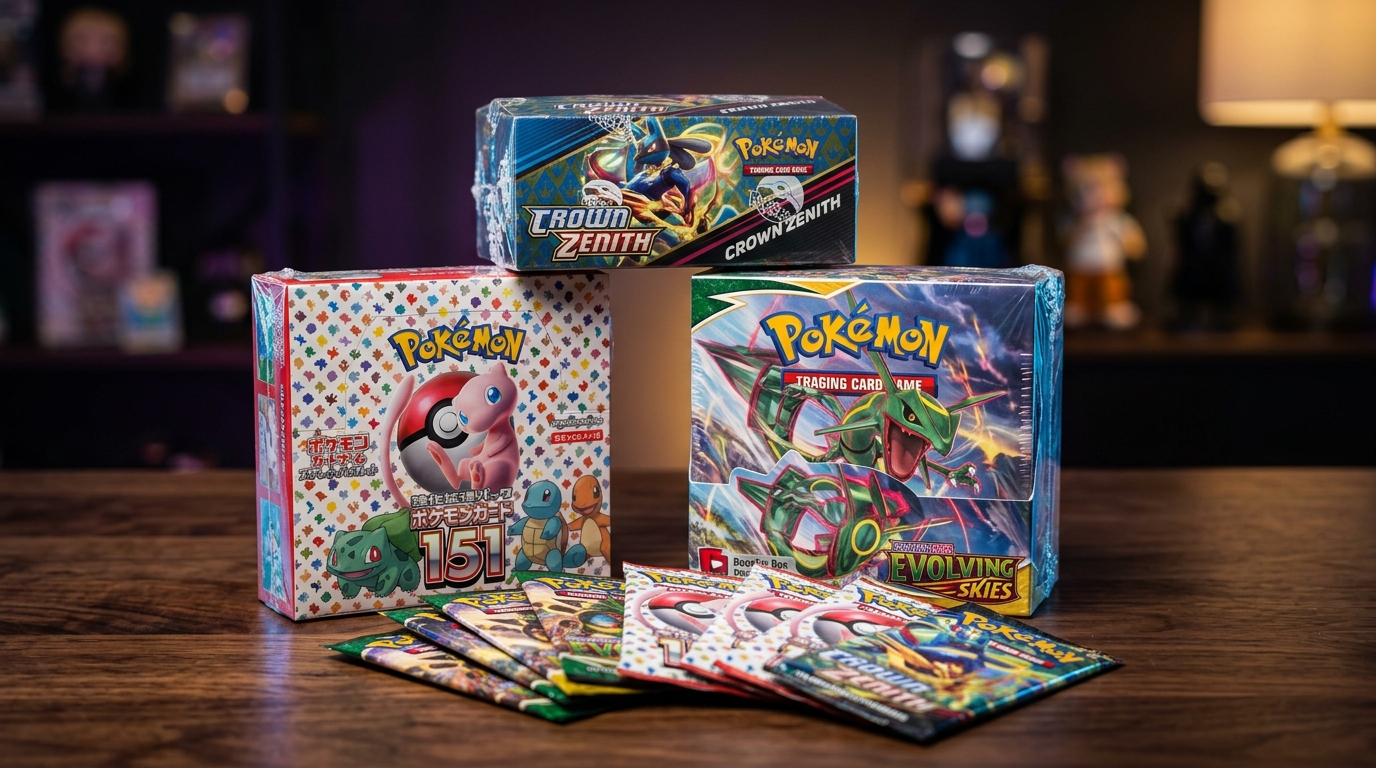
Best Pokemon Booster Boxes to Buy and Hold in 2026
From Evolving Skies to Japanese Pokemon 151, discover the best Pokemon booster boxes to buy and hold in 2026. Data-driven picks, portfolio strategy, and key metrics to watch for long-term sealed investors.
Pokemon Price Tracker
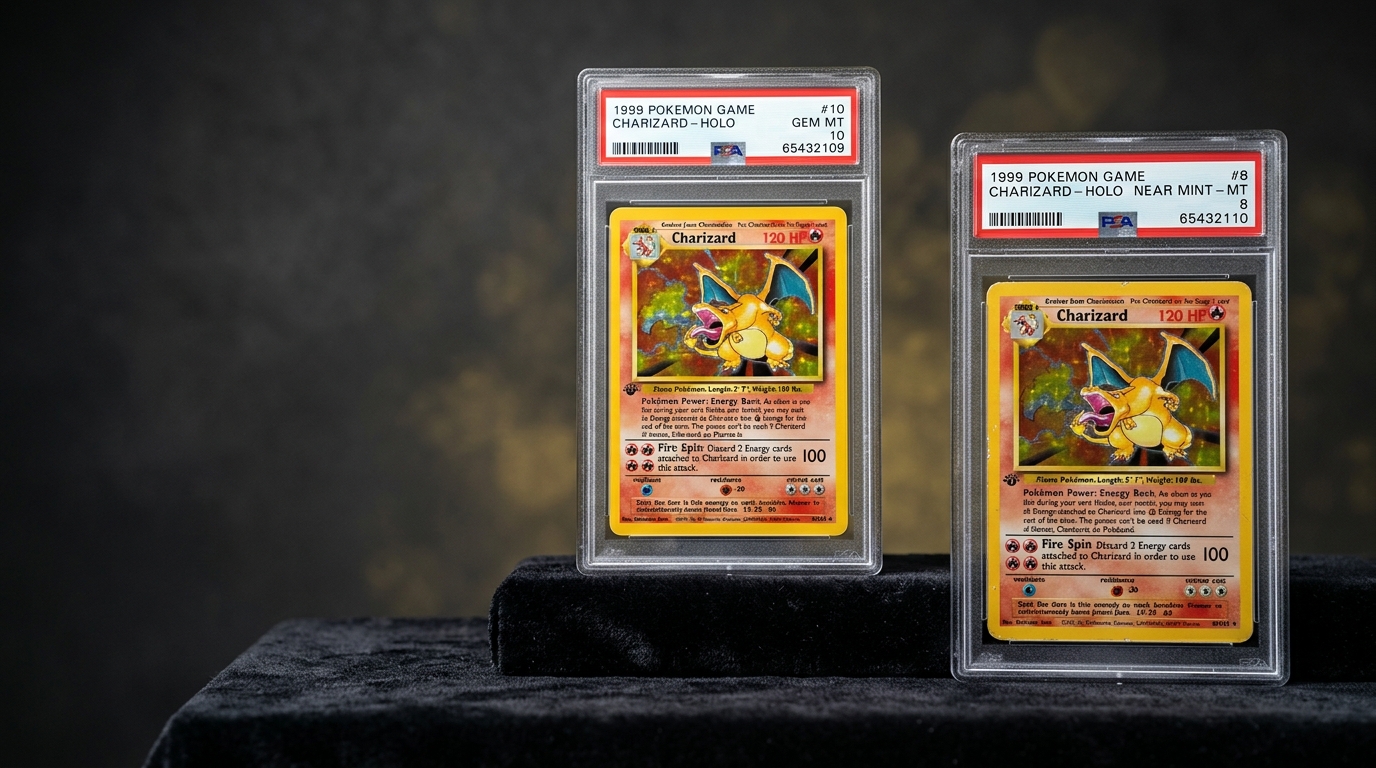
PSA 10 vs PSA 9: 2026 Price Gap Analysis & ROI Data
PSA 10s command 3x to 20x more than PSA 9s in 2026, but the gap varies wildly by card and era. We break down real sales data, ROI frameworks, and when grading actually makes financial sense.
Pokemon Price Tracker
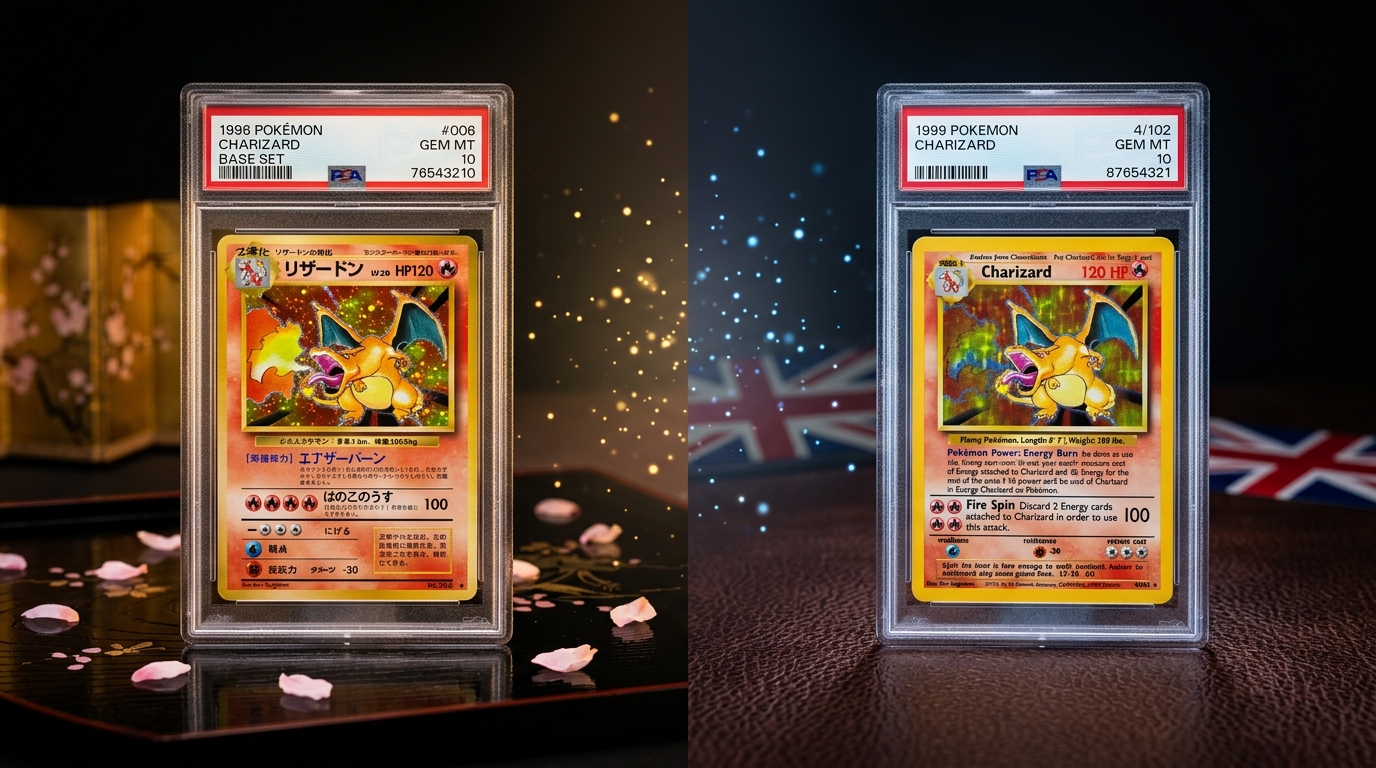
Japanese vs English Pokemon Cards: Which Holds Value in 2026?
The Japanese vs English Pokemon card debate has fundamentally shifted in 2026. Japanese PSA 10s now command 20-40% premiums over English equivalents, while raw English cards still cost 2x-6x more. Here's how to navigate both markets strategically.
Pokemon Price Tracker
Stay Updated
Subscribe to our newsletter for the latest Pokemon card market trends, investment opportunities, and exclusive insights delivered straight to your inbox.