Vintage WOTC vs Modern Pokemon Cards: Value Retention 2026
Pokemon Price Tracker
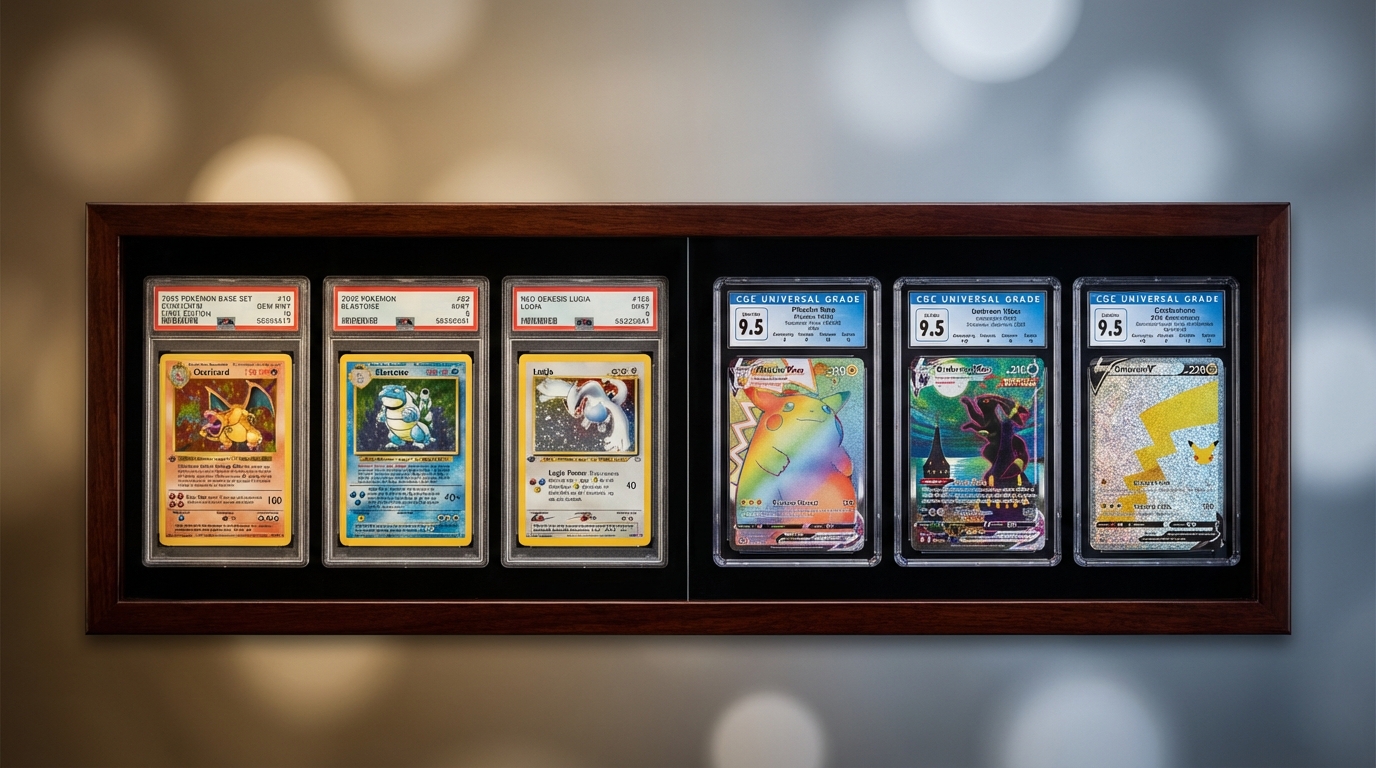
Vintage WOTC vs Modern Pokemon Cards: Which Holds Value Better in 2026?
The Pokemon TCG market has delivered a staggering 3,821% value increase since 2004, crushing the S&P 500's 483% growth over the same period. But as collectors and investors navigate the 30th anniversary celebrations in 2026, a critical question emerges: should you invest in vintage Wizards of the Coast (WOTC) era cards from 1998-2003, or modern releases from 2003 onward?
With buyers spending $450 million on cards in early 2026 alone, understanding which era offers better value retention has never been more important. This comprehensive analysis breaks down the data, risks, and opportunities in both segments to help you make informed decisions.
Understanding the Market Landscape in 2026
The Pokemon TCG market has matured significantly since the 2020-2021 boom. What was once a speculative frenzy has evolved into a collector-driven ecosystem with more sophisticated buyers who understand grading, population reports, and long-term value drivers.
Key market indicators for 2026:
- PWCC 500 index: 847% appreciation since January 2020 (vs 142% for S&P 500)
- Pikachu global market cap: Nearly $650 million
- 30th anniversary momentum: Driving 30-50% price increases for vintage WOTC cards
- Market maturity: Elite cards command premiums while mid-tier faces increased scrutiny
This bifurcation between elite and mid-tier cards affects both vintage and modern segments differently, making era selection crucial for portfolio strategy.
Vintage WOTC Era (1998-2003): The Foundation of Value
What Defines Vintage WOTC?
Vintage WOTC cards encompass the original English releases produced by Wizards of the Coast before Nintendo took over production in 2003. This includes:
- Base Set (1999): The holy grail, featuring the iconic Base Set Charizard
- Jungle & Fossil (1999): First expansion sets with new Pokemon
- Team Rocket (1999): First "villain" themed set
- Gym Heroes/Challenge (2000): Trainer-focused sets
- Neo Series (2000-2001): Generation II Pokemon debut
- e-Card Series (2002-2003): Final WOTC releases with dot-code technology
Current Value Performance
Vintage WOTC cards are experiencing significant appreciation heading into Pokemon's 30th anniversary:
Top-Tier Performance:
- 1st Edition Base Set Charizard PSA 10: Over $550,000 (maintaining elite status)
- PSA 10 specimens command 5x-10x premiums over PSA 9 for iconic cards
- Elite trophy cards continue appreciating regardless of market conditions
- Condition-sensitive: Even minor flaws dramatically impact value
Mid-Tier Reality:
- Common holos in PSA 9 facing increased buyer scrutiny
- Population expansion in lower grades creating supply pressure
- Buyers increasingly selective about which vintage cards merit premium prices
Advantages of Vintage WOTC Investment
1. Fixed Supply with Decreasing Availability
No more vintage WOTC cards will ever be printed. As cards are graded and entombed in slabs, or damaged through handling, the available supply continuously shrinks. This scarcity principle provides fundamental value support.
2. Cultural Significance
Base Set represents the origin of Pokemon TCG in the West. The nostalgia factor for millennials who grew up with these cards creates sustained demand that transcends typical collectible cycles.
3. Established Price History
With 25+ years of market data, vintage WOTC cards have proven long-term value retention. They've survived multiple market cycles, economic downturns, and shifts in collector preferences.
4. Grading Premium Opportunities
The PSA 10 premium for vintage cards remains substantial. A Base Set Charizard in PSA 9 might sell for $30,000-40,000, while PSA 10 specimens exceed $550,000—demonstrating the value of condition rarity in vintage cards.
5. Lower Reprint Risk
While Pokemon Company has reprinted some vintage cards in anniversary sets, these reprints are clearly marked and don't impact original WOTC card values. The vintage designation remains protected.
Disadvantages of Vintage WOTC Investment
1. High Entry Barriers
Elite vintage cards require substantial capital. A PSA 10 1st Edition Base Set Charizard is inaccessible to most collectors, limiting portfolio diversification options.
2. Condition Challenges
Finding high-grade vintage cards is increasingly difficult. Most surviving cards have condition issues from 25+ years of existence, making PSA 9+ specimens rare and expensive.
3. Authentication Complexity
Vintage cards face counterfeiting risks, resealing concerns for sealed products, and grading inconsistencies across different eras. Due diligence requires expertise.
4. Liquidity Constraints
While elite cards sell quickly, mid-tier vintage can sit on the market for extended periods. The buyer pool for $5,000-20,000 cards is smaller than for $50-500 modern alternatives.
5. Market Concentration Risk
Value is heavily concentrated in a few iconic cards (Charizard, Blastoise, Venusaur, Pikachu). Diversifying within vintage WOTC requires significant capital.
Modern Era (2003-2026): Innovation and Accessibility
What Defines Modern Pokemon?
Modern cards span from the EX Ruby & Sapphire set (2003) through current 2026 releases, including:
- EX Era (2003-2007): Introduction of Pokemon-ex mechanic
- Diamond & Pearl Era (2007-2011): Generation IV cards
- Black & White Era (2011-2014): Full art cards debut
- XY Era (2014-2016): Mega Evolution cards
- Sun & Moon Era (2017-2020): GX and Rainbow Rare mechanics
- Sword & Shield Era (2020-2023): VMAX and Alt Art explosion
- Scarlet & Violet Era (2023-present): Current generation with ex mechanic return
Current Value Performance
Alternate Art Dominance:
- Alternate art cards (especially character-focused) showing strongest modern appreciation
- Umbreon VMAX Alt Art maintaining $400-600 range
- Giratina VSTAR Alt Art holding $250-350 value
- Character-driven designs (Lillie, Marnie, etc.) commanding premiums
Modern Challenges:
- Print run concerns: Higher production volumes than vintage era
- Reprint risk: Pokemon Company willing to reprint popular modern cards
- Meta dependency: Competitive play relevance affects short-term values
- Population inflation: Easier to grade modern cards in PSA 10
Advantages of Modern Pokemon Investment
1. Accessible Entry Points
Modern cards offer investment opportunities across all budget levels. You can build a diversified portfolio of 10-20 modern chase cards for the cost of a single elite vintage card.
2. Superior Card Quality
Modern printing technology produces:
- More vibrant colors and detailed artwork
- Better centering and cut quality
- Improved card stock durability
- Higher PSA 10 rates, making gem mint specimens more attainable
3. Design Innovation
Modern sets feature:
- Alternate art variants with unique illustrations
- Special art rares showcasing Pokemon in creative scenes
- Illustration rares highlighting artistic interpretations
- Character-focused cards that drive collector demand
4. Active Market Liquidity
Modern cards benefit from:
- Larger buyer pools across price points
- Faster transaction times
- More transparent pricing data
- Active trading communities and marketplaces
5. Emerging Scarcity Patterns
Certain modern cards are developing scarcity profiles:
- Low population alt arts from early Sword & Shield
- Error cards and misprints
- Regional exclusive promos
- Tournament prize cards
Disadvantages of Modern Pokemon Investment
1. Reprint Risk
Pokemon Company has demonstrated willingness to reprint modern cards in:
- Premium collections
- Anniversary sets
- Special promotional boxes
- International releases
This creates uncertainty about long-term scarcity for even popular modern cards.
2. Oversupply Concerns
Modern print runs are substantially larger than vintage era:
- Mass market distribution through big-box retailers
- Unlimited print runs for popular sets
- Global simultaneous releases increasing total supply
3. Shorter Track Record
Modern cards lack the 25+ year price history of vintage WOTC. Recent releases have only been tested through one or two market cycles, making long-term value projections speculative.
4. Condition Premium Compression
The PSA 10 premium for modern cards is much smaller than vintage:
- Modern PSA 10 might be 2-3x PSA 9 value
- Vintage PSA 10 can be 5-10x PSA 9 value
- This limits upside potential from condition rarity
5. Meta Volatility
Competitive play relevance creates price volatility:
- Cards spike when competitively viable
- Values crash when rotated out of format
- Collector demand must sustain value long-term
Head-to-Head Comparison: Key Metrics
Value Retention (5+ Years)
Vintage WOTC:
- Elite cards: Excellent retention with steady appreciation
- Mid-tier: Moderate retention, condition-dependent
- Common cards: Poor retention unless PSA 10
Modern:
- Chase alt arts: Good retention, still establishing patterns
- Standard ultra rares: Poor to moderate retention
- Bulk rares/holos: Minimal value retention
Winner: Vintage WOTC for proven long-term retention
Growth Potential
Vintage WOTC:
- Elite cards: Moderate growth (already highly valued)
- Mid-tier: Low to moderate growth potential
- Undiscovered gems: Higher risk/reward opportunities
Modern:
- Elite alt arts: High growth potential if scarcity develops
- New releases: Highest volatility and potential
- Established modern: Moderate growth as market matures
Winner: Modern for higher growth ceilings (with higher risk)
Liquidity
Vintage WOTC:
- Elite cards: High liquidity at major auction houses
- Mid-tier: Moderate liquidity, longer sale times
- Lower-end: Poor liquidity
Modern:
- All tiers: Generally higher liquidity
- Faster transaction times
- More active buyer pools
Winner: Modern for overall market liquidity
Risk Profile
Vintage WOTC:
- Lower volatility for established cards
- Counterfeiting risks
- Condition verification challenges
- Market concentration in few cards
Modern:
- Higher volatility, especially short-term
- Reprint risk
- Oversupply concerns
- Meta-dependency for some cards
Winner: Vintage WOTC for lower overall risk
Portfolio Diversification
Vintage WOTC:
- Requires significant capital for diversification
- Limited options under $1,000
- Concentrated value in few sets
Modern:
- Easy diversification across price points
- Multiple sets and card types
- Broader Pokemon representation
Winner: Modern for accessible diversification
Strategic Recommendations for 2026
The Hybrid Approach
Rather than choosing exclusively vintage or modern, consider a balanced portfolio strategy:
Foundation Layer (50-60% of budget):
- Focus on vintage WOTC cards for stability
- Target PSA 9 specimens of iconic cards (Charizard, Blastoise, Venusaur)
- Consider 1st Edition holos from Base Set, Jungle, Fossil
- Prioritize condition and authenticity over quantity
Growth Layer (30-40% of budget):
- Select modern alt arts with strong collector appeal
- Focus on character-driven designs (trainers, fan-favorite Pokemon)
- Target low population modern cards (under 500 PSA 10s)
- Diversify across multiple sets and eras
Speculative Layer (10% of budget):
- New release chase cards with breakout potential
- Undervalued vintage from Neo or e-Card eras
- Error cards and regional exclusives
- Tournament prize cards and exclusive promos
Budget-Specific Strategies
Under $1,000:
- Focus primarily on modern alt arts and special arts
- Consider raw vintage commons/uncommons for long-term grading
- Build diverse modern portfolio across multiple sets
- Avoid trying to compete for elite vintage
$1,000-$10,000:
- Split 60/40 between vintage and modern
- Target PSA 9 vintage holos from main sets
- Acquire top modern alt arts in PSA 10
- Begin building vintage foundation pieces
$10,000-$50,000:
- Shift to 70/30 vintage-focused allocation
- Target 1st Edition vintage in PSA 8-9
- Acquire complete sets of elite modern alt arts
- Consider sealed vintage products for diversification
$50,000+:
- Focus on elite vintage PSA 9-10 specimens
- Target trophy cards and tournament prizes
- Acquire population 1-of-1 modern cards
- Consider complete PSA graded vintage sets
Red Flags to Avoid
Vintage WOTC:
- Unlimited Base Set commons (oversupplied)
- Off-center or damaged cards at premium prices
- Ungraded "investment grade" claims without verification
- Recently emerged "rare" variants without authentication
Modern:
- Standard ultra rares from recent sets (high supply)
- Cards whose value depends solely on competitive meta
- Overhyped new releases before prices stabilize
- Modern bulk marketed as "investment opportunities"
The 30th Anniversary Factor
Pokemon's 30th anniversary in 2026 is creating unique market dynamics:
Vintage Catalysts:
- Nostalgia driving millennial collectors back to original cards
- Anniversary sets highlighting vintage designs (increasing original card interest)
- Media coverage spotlighting record vintage sales
- Museum exhibitions featuring vintage cards as cultural artifacts
Modern Opportunities:
- Special 30th anniversary products creating new chase cards
- Crossover designs bridging vintage and modern aesthetics
- Increased mainstream attention bringing new collectors
- Potential for modern cards to become "vintage" of future generations
Strategic Timing:
- Anniversary momentum may create short-term price spikes
- Consider taking profits on position increases of 50%+
- Avoid FOMO buying at peak hype moments
- Focus on long-term (5-10 year) value drivers over anniversary speculation
Grading Considerations
Grading strategy differs significantly between vintage and modern:
Vintage WOTC Grading
- PSA 10 premium justifies grading costs for iconic cards
- Raw vintage carries authentication risk—grading provides verification
- Even PSA 7-8 adds value through authentication for mid-tier cards
- Population reports crucial for understanding scarcity
- Consider vintage grading for any card worth $100+ raw
Modern Grading
- Higher PSA 10 rates reduce condition premiums
- Only grade modern cards worth $50+ in PSA 10
- Fresh pack pulls offer best grading ROI
- Population inflation means PSA 10 alone doesn't guarantee value
- Focus on low-population modern cards for grading investment
Market Outlook: 2026-2030
Vintage WOTC Projections
Bullish Factors:
- Continued supply reduction through grading and attrition
- Millennial collectors entering peak earning years
- Cultural significance increasing as cards approach 30+ years old
- Institutional interest in alternative assets
Bearish Factors:
- Already high valuations limiting growth potential
- Economic recession could reduce luxury collectible spending
- Generational shift as Gen Z prioritizes modern over vintage
- Market concentration risk in few iconic cards
Realistic Expectation: Elite vintage continues 5-10% annual appreciation; mid-tier faces consolidation with winners and losers emerging based on condition and cultural significance.
Modern Pokemon Projections
Bullish Factors:
- Design innovation creating new collector favorites
- Lower entry barriers attracting broader collector base
- Certain modern cards developing scarcity profiles
- Active competitive scene driving engagement
Bearish Factors:
- Reprint risk creates uncertainty
- Higher print runs limiting scarcity development
- Shorter track record makes projections speculative
- Market saturation from continuous new releases
Realistic Expectation: Top 5-10% of modern cards (elite alt arts, low population specials) appreciate 10-20% annually; remaining 90% experiences flat to declining values as new releases compete for attention.
Key Takeaways
-
Vintage WOTC offers stability: Proven 25+ year track record, established scarcity, and cultural significance provide value foundation with lower volatility.
-
Modern provides accessibility: Lower entry barriers, superior liquidity, and growth potential make modern cards ideal for diversified portfolios and smaller budgets.
-
Condition is paramount: PSA 10 premium for vintage justifies grading costs; modern requires selectivity as PSA 10 rates are higher.
-
Hybrid approach optimal: Balanced allocation between vintage foundation and modern growth positions captures benefits of both eras.
-
Quality over quantity: Whether vintage or modern, elite cards within each category outperform bulk significantly.
-
Reprint risk differentiates eras: Vintage protected by WOTC designation; modern faces ongoing reprint uncertainty.
-
Budget determines strategy: Under $10K favors modern diversification; above $10K enables vintage foundation building.
-
30th anniversary creates opportunity: Short-term momentum in both segments, but focus on long-term value drivers over hype.
-
Market bifurcation continues: Elite cards (vintage and modern) appreciate while mid-tier faces scrutiny—choose carefully.
-
Time horizon matters: Vintage suits 10+ year holds; modern offers 3-7 year opportunities if selection is strategic.
Final Verdict
There's no universal answer to whether vintage WOTC or modern Pokemon cards hold value better—it depends on your investment goals, budget, risk tolerance, and time horizon.
Choose Vintage WOTC if you:
- Have $10,000+ to invest
- Prefer lower volatility and proven track records
- Can wait 10+ years for appreciation
- Value cultural significance and nostalgia
- Want portfolio stability over growth potential
Choose Modern Pokemon if you:
- Have under $5,000 to invest
- Seek higher growth potential (with higher risk)
- Need portfolio liquidity
- Prefer diverse Pokemon representation
- Want accessible entry points for building positions
Choose Hybrid Approach if you:
- Have $5,000-50,000+ to invest
- Want balanced risk/reward profile
- Can allocate across multiple cards
- Seek both stability and growth
- Understand both markets' dynamics
The Pokemon TCG market has demonstrated remarkable resilience and growth over 25+ years. Whether you choose vintage WOTC, modern releases, or a combination of both, success requires research, patience, and focus on quality over quantity.
Note: Past performance does not guarantee future results. Always do your own research before making investment decisions.
The data clearly shows that both vintage and modern Pokemon cards can hold and appreciate in value—but the cards that succeed share common traits: scarcity (actual or perceived), cultural significance, aesthetic appeal, and condition quality. Focus on these fundamentals regardless of era, and your Pokemon portfolio will be positioned for long-term success.
Tags:
Pokemon Price Tracker
Market Analyst
Related Articles
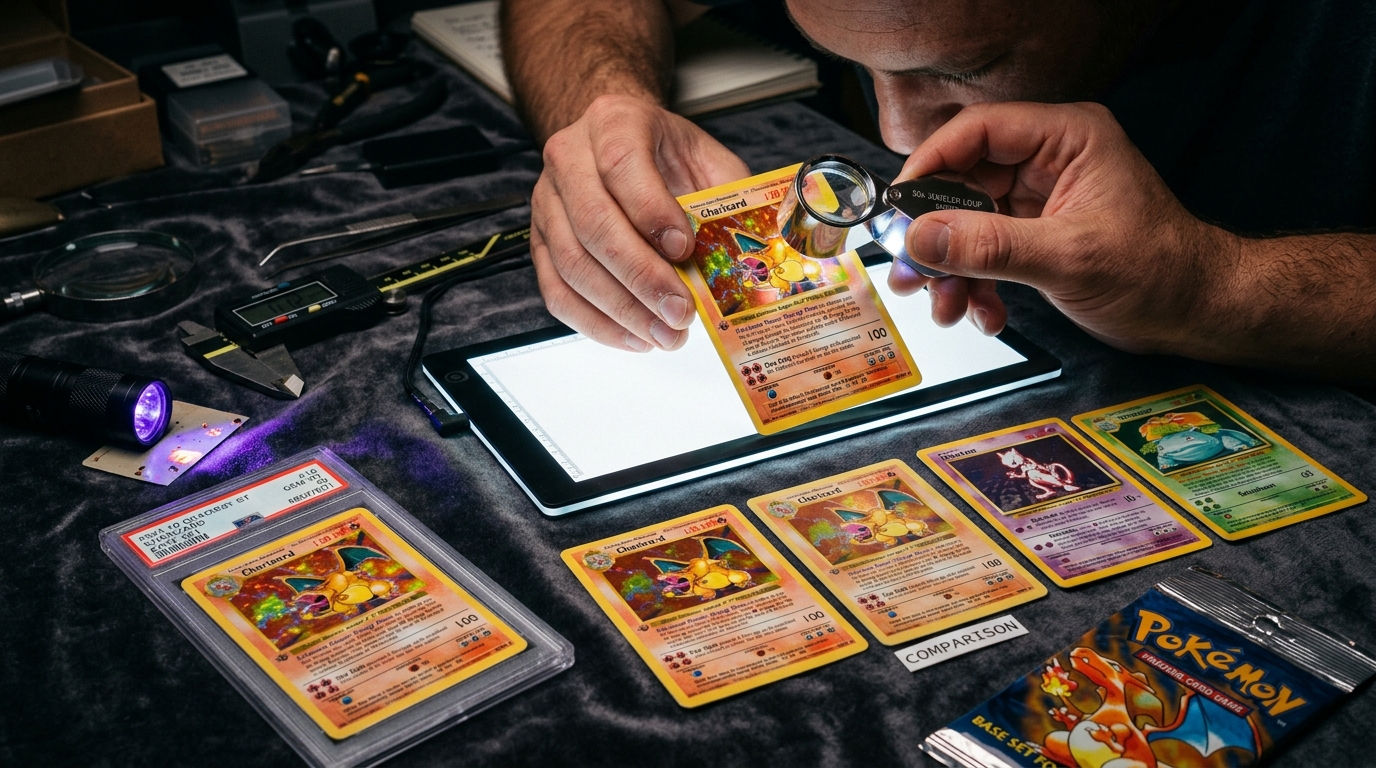
How to Spot Fake Pokemon Cards: 2026 Authentication Guide
Counterfeit Pokémon cards have reached new levels of sophistication in 2026, with fake Chaos Rising Mega Evolution ex cards, replica PSA slabs, and counterfeit sealed booster boxes flooding the market. This comprehensive 10-step authentication guide teaches collectors how to spot fakes using the lig
Pokemon Price Tracker
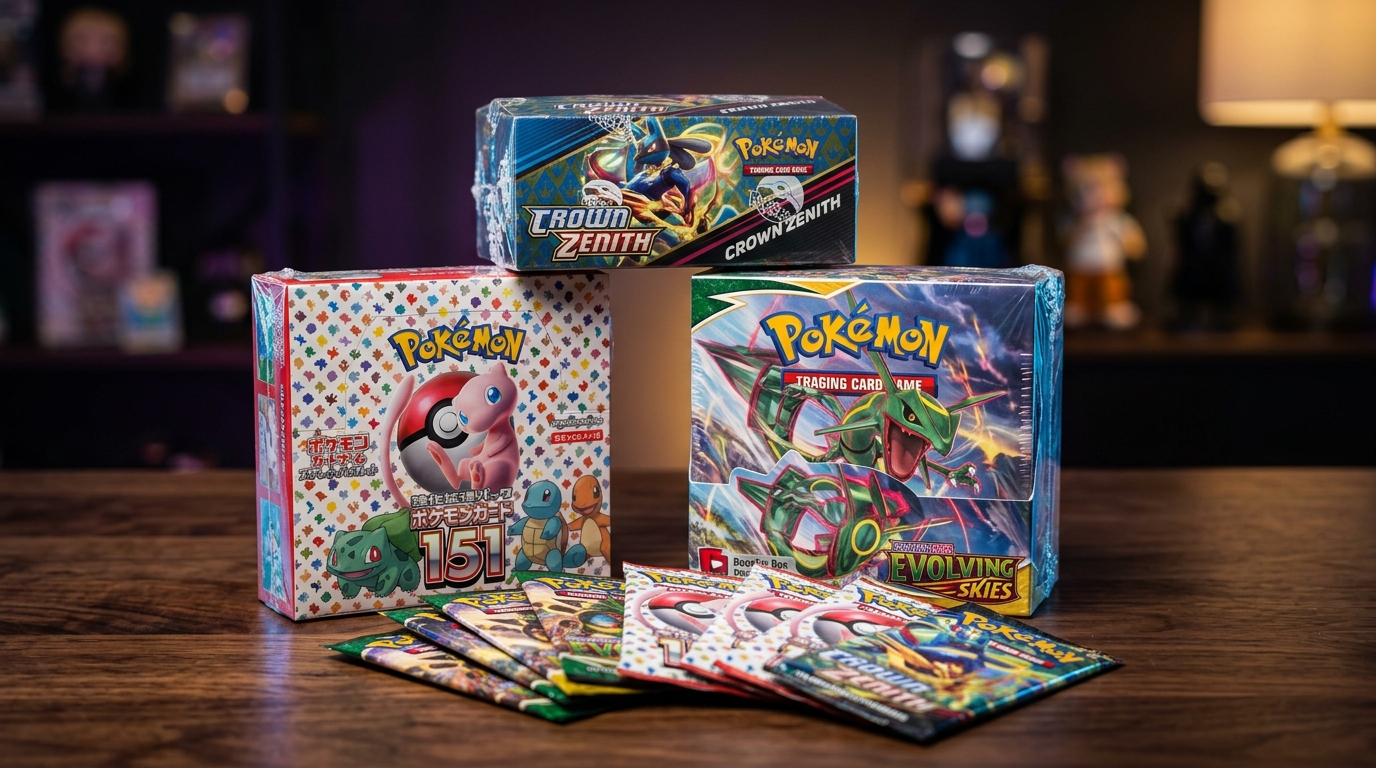
Best Pokemon Booster Boxes to Buy and Hold in 2026
From Evolving Skies to Japanese Pokemon 151, discover the best Pokemon booster boxes to buy and hold in 2026. Data-driven picks, portfolio strategy, and key metrics to watch for long-term sealed investors.
Pokemon Price Tracker
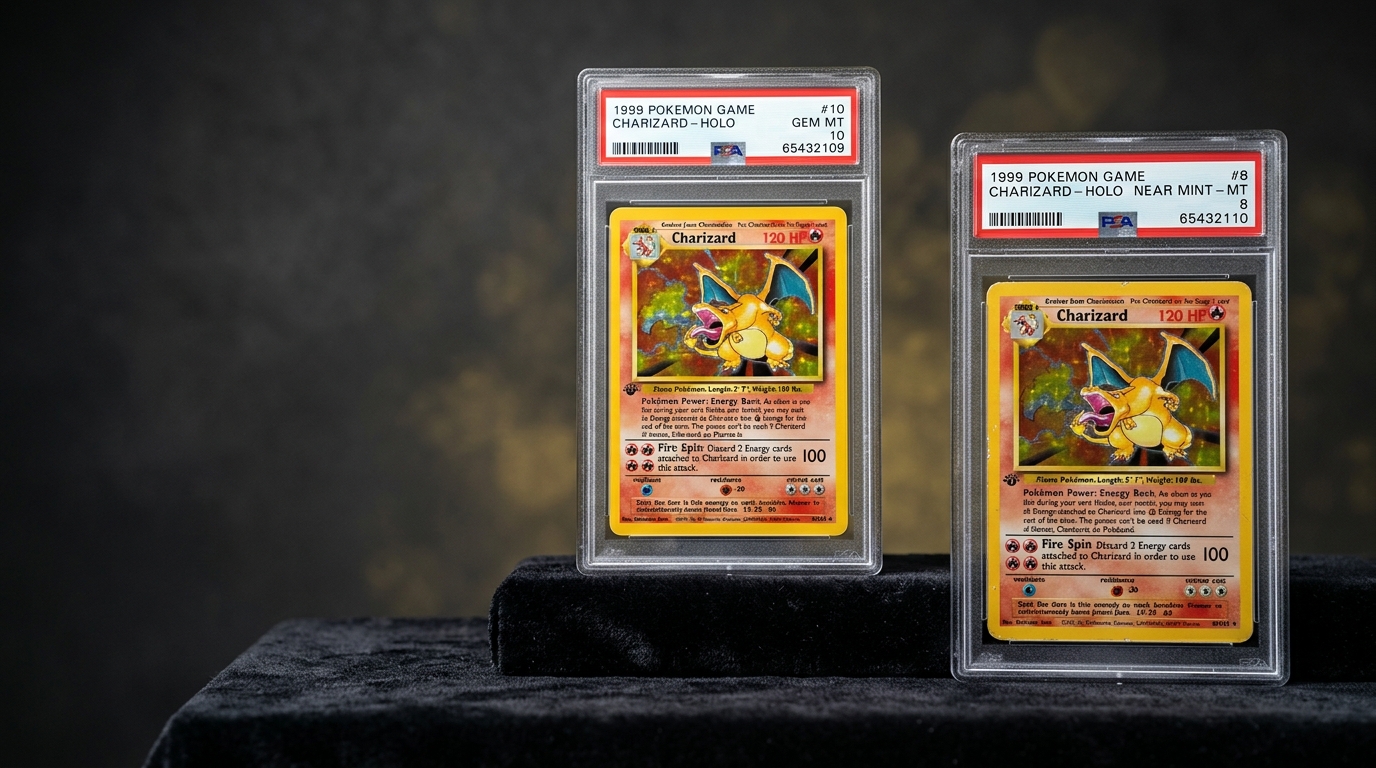
PSA 10 vs PSA 9: 2026 Price Gap Analysis & ROI Data
PSA 10s command 3x to 20x more than PSA 9s in 2026, but the gap varies wildly by card and era. We break down real sales data, ROI frameworks, and when grading actually makes financial sense.
Pokemon Price Tracker
Stay Updated
Subscribe to our newsletter for the latest Pokemon card market trends, investment opportunities, and exclusive insights delivered straight to your inbox.