How to Grade Pokemon Cards: Complete Beginner's Guide 2026
Pokemon Price Tracker
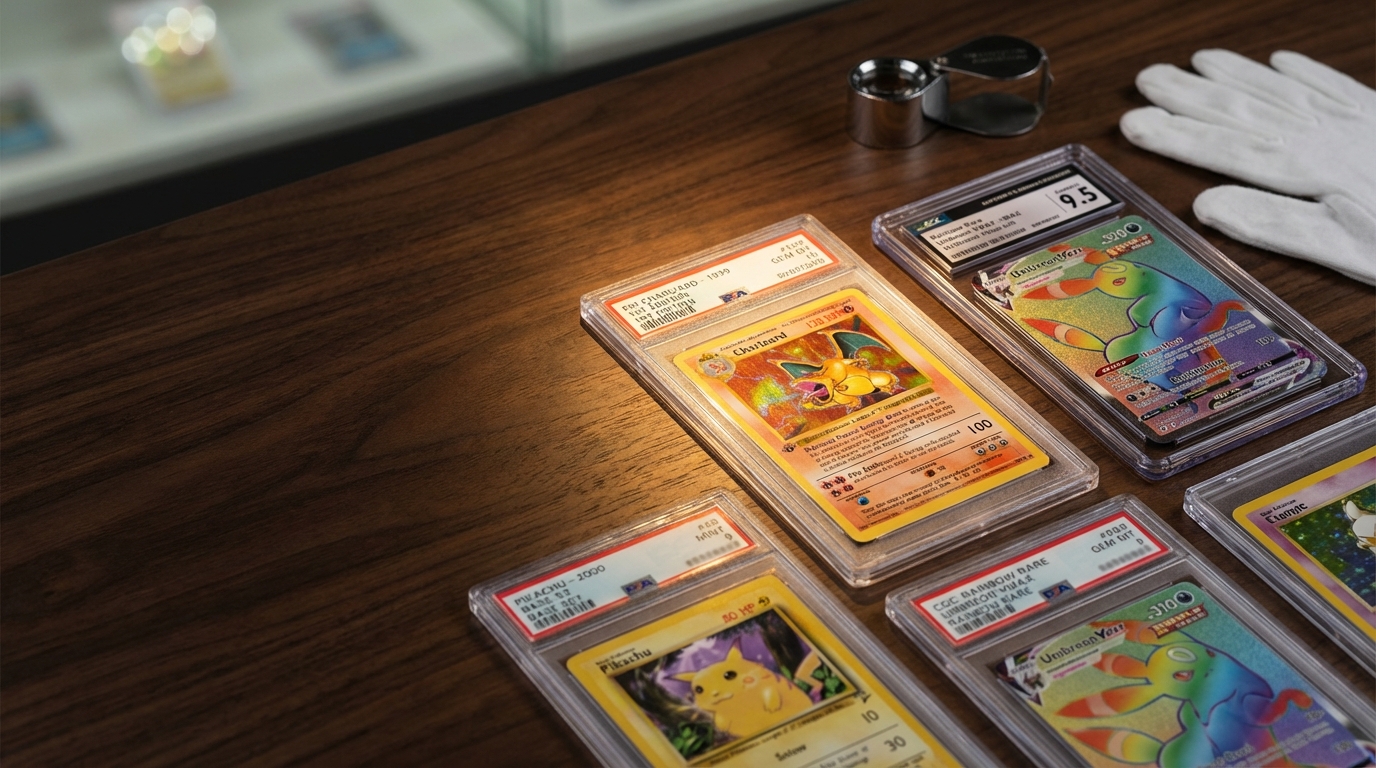
How to Grade Pokemon Cards: Complete Beginner's Guide 2026
With Pokemon celebrating its 30th anniversary in 2026, the trading card market has reached unprecedented heights—growing an astounding 3,821% since 2004. As collectors and investors recognize the long-term value of authenticated cards, professional grading has become essential for serious collectors. But if you're new to the world of Pokemon card grading, the process can seem overwhelming.
This comprehensive guide will walk you through everything you need to know about grading Pokemon cards in 2026, from understanding the basics to deciding which service to use and calculating whether grading makes financial sense for your collection.
What is Pokemon Card Grading?
Pokemon card grading is a professional authentication and evaluation service that assesses a card's condition and assigns it a numerical grade. Third-party grading companies examine cards under magnification, evaluating factors like:
- Centering: How well the image is positioned within the card borders
- Corners: Sharpness and lack of wear on all four corners
- Edges: Condition of the card's edges (whitening, chipping, wear)
- Surface: Scratches, print lines, indentations, or other surface defects
Once evaluated, the card is sealed in a tamper-evident case (called a "slab") with a label displaying the grade, typically on a 1-10 scale where 10 represents "Gem Mint" condition.
Why Grade Your Pokemon Cards?
Grading serves several important purposes:
- Authentication: Confirms your card is genuine, not counterfeit
- Preservation: The sealed case protects the card from future damage
- Market Value: High-grade cards command significant premiums over raw cards
- Liquidity: Graded cards sell faster and easier than ungraded cards
- Standardization: Provides objective condition assessment for buyers and sellers
The grading industry processed an estimated 12.5 million cards in 2025, generating $187-312 million in revenue—a testament to how integral grading has become to the hobby.
The Major Grading Companies: PSA vs CGC vs BGS vs ACE
Choosing the right grading company is crucial for maximizing your card's value and ensuring liquidity. Here's a breakdown of the major players in 2026:
PSA (Professional Sports Authenticator)
Pricing (2026): $20-$60/card for bulk submissions, $150-$200+ for premium service Turnaround Time: 95-120 business days (bulk), 15-25 days (premium)
Pros:
- Industry leader with highest market recognition
- PSA 10s command the highest premiums
- Best liquidity—cards sell fastest
- Most trusted by collectors and investors
Cons:
- Most expensive option
- Longest turnaround times for bulk submissions
- Reportedly stricter grading standards in recent years
Best For: High-value vintage cards, cards you plan to sell quickly, maximum resale value
CGC (Certified Guaranty Company)
Pricing (2026): $15-$18/card for bulk submissions Turnaround Time: 20-45 days
Pros:
- Faster turnaround times than PSA
- More affordable pricing structure
- Detailed sub-grades available
- Growing market acceptance
- Excellent for modern cards
Cons:
- Lower premiums than PSA 10s
- Less liquidity in secondary market
- Newer to Pokemon (established reputation in comics)
Best For: Modern cards, budget-conscious collectors, faster turnaround needs
BGS (Beckett Grading Services)
Pros:
- Sub-grade system provides detailed feedback
- BGS 10 "Black Label" is extremely prestigious
- Strong reputation in sports cards
Cons:
- Less popular for Pokemon than PSA
- BGS 9.5 often sells for less than PSA 10 despite similar quality
- Slower adoption in Pokemon community
Best For: Cards with potential for perfect sub-grades, collectors who value detailed feedback
ACE Grading
Pricing: Most affordable UK option Turnaround Time: 2-60 business days
Pros:
- Budget-friendly for UK/European collectors
- Faster service options
- Growing presence in European market
Cons:
- Limited international recognition
- Lower resale premiums
- Smaller market presence
Best For: UK/European collectors, personal collection preservation, budget submissions
Real-World Market Data
One experienced collector with 1,200 graded slabs reports their distribution: 68% PSA, 22% BGS, 10% CGC. Their key insight? "PSA 10s consistently sell faster and for higher premiums than equivalent BGS 9.5s, even when the cards look visually identical."
Should You Grade Your Pokemon Cards? The $50 Rule
Not every card is worth grading. The general rule of thumb in 2026 is the $50 rule: only consider grading cards that are worth at least $50 in raw condition.
Here's why:
Cost-Benefit Analysis
Grading Costs (per card):
- Grading fee: $15-$60
- Shipping to grading company: $2-5
- Return shipping: $2-5
- Insurance (for valuable cards): $1-10
- Total per card: $20-$80
Break-Even Scenario:
If you grade a $30 raw card at $25 total cost:
- You need the graded card to sell for $55+ just to break even
- A PSA 9 might only bring $40-50
- Result: You lose money
If you grade a $100 raw card at $25 total cost:
- PSA 10 could sell for $200-300
- PSA 9 might sell for $120-150
- Result: Profitable even with lower grade
When Grading Makes Sense
✅ Grade these cards:
- Vintage holos from Base Set, Jungle, Fossil (WOTC era)
- Modern chase cards (Alternate Arts, Illustration Rares, Special Arts)
- Cards worth $50+ in raw condition
- Cards in pristine condition with PSA 10 potential
- Cards you're confident will grade PSA 9 or higher
❌ Don't grade these cards:
- Common/uncommon cards
- Cards with visible damage
- Cards worth less than $50 raw
- Modern bulk holos
- Cards you plan to keep in your personal collection indefinitely
ROI Success Story
One collector submitted 18 cards from the Ascended Heroes set (mostly Illustration Rares) for grading. The results:
- 12 PSA 10s received
- 6 cards flipped within 6 weeks
- 195% average net return after all fees
This demonstrates that with careful card selection and condition assessment, grading can be highly profitable.
To determine if grading makes financial sense for your specific cards, consider using our Grading ROI Calculator to run the numbers before submitting.
How to Prepare Cards for Grading: Step-by-Step
Proper preparation is crucial for protecting your investment during the grading process.
Step 1: Initial Assessment
- Examine under good lighting: Use natural daylight or a bright LED lamp
- Check all four corners: Look for whitening or wear
- Inspect edges: Look for chipping, whitening, or roughness
- Examine surface: Check for scratches, print lines, or indentations
- Assess centering: Measure borders with a ruler if necessary
Step 2: Cleaning (If Necessary)
Important: Only clean if absolutely necessary, as improper cleaning can damage cards.
- Use a microfiber cloth for fingerprints
- Never use water or cleaning solutions
- Don't rub aggressively
- When in doubt, leave it alone
Step 3: Protective Sleeves
Use a three-layer protection system:
- Penny sleeve: Soft, thin sleeve (card goes in top-first)
- Card saver: Semi-rigid holder (card goes in bottom-first)
- Team bag: Resealable bag to protect the card saver
Never use top loaders for grading submissions—they can damage cards during transit and processing.
Step 4: Documentation
- Photograph each card front and back
- Note any existing flaws
- Keep records of which cards you're submitting
- Save your submission confirmation
Step 5: Packaging for Shipment
- Use a sturdy cardboard box
- Wrap card savers in bubble wrap
- Fill empty space with packing material
- Mark package as "FRAGILE"
- Use tracking and insurance
- Consider signature confirmation for valuable submissions
The Grading Process: What to Expect
Submission Steps
- Create an account with your chosen grading company
- Select service level (bulk, regular, express)
- Fill out submission form with card details
- Pay fees (grading + shipping + insurance)
- Ship cards with tracking
- Wait for processing (see turnaround times above)
- Receive graded cards back via insured shipping
Turnaround Times (2026)
PSA Bulk: 95-120 business days (4-5 months) PSA Premium: 15-25 days CGC Standard: 20-45 days ACE: 2-60 business days depending on service level
Pro Tip: Turnaround times often increase during peak seasons (holidays, major set releases, Pokemon anniversaries). Submit during slower periods if you're not in a hurry.
Understanding Your Grade
PSA Grading Scale:
- PSA 10 (Gem Mint): Perfect or near-perfect card
- PSA 9 (Mint): Minor imperfections only visible under close inspection
- PSA 8 (Near Mint-Mint): Very slight wear
- PSA 7 (Near Mint): Minor wear visible to naked eye
- PSA 6 and below: Increasing levels of wear and damage
Grade Distribution Reality: Most cards grade PSA 8-9. PSA 10s are genuinely rare, even for cards that look perfect to the untrained eye.
Advanced Tips for Maximizing Grading Success
1. Master Card Selection with AI Pre-Screening
In 2026, AI grading pre-screening tools have emerged as a game-changer. These tools use machine learning to analyze card photos and predict likely grades before submission, helping you avoid costly mistakes.
2. Understand Centering Requirements
For PSA 10:
- Front centering: 55/45 or better (left-right and top-bottom)
- Back centering: 75/25 or better
Invest in a digital caliper or centering tool to measure precisely.
3. Submit in Batches
Bulk submission discounts make grading more cost-effective:
- PSA bulk (20+ cards): $20-25 per card
- Individual submissions: $60+ per card
Team up with local collectors to reach minimum quantities.
4. Time Your Submissions Strategically
- Submit modern cards shortly after release (while interest is high)
- Submit vintage cards during market upswings
- Avoid peak times when turnaround is longest
5. Consider Cross-Grading
If you have a BGS or CGC card that you believe is undergraded, you can crack it from the slab and resubmit to PSA. However:
- You risk getting a lower grade
- You lose the original grade permanently
- Only do this if you're confident in the card's condition
6. Protect Your Investment Post-Grading
- Store slabs vertically in a cool, dry place
- Avoid direct sunlight (can yellow the case)
- Use slab storage boxes designed for graded cards
- Consider a safe or safety deposit box for high-value cards
Common Grading Mistakes to Avoid
1. Grading Low-Value Cards
The most common mistake beginners make is grading cards worth less than $50. Run the numbers first—you'll often lose money even with a PSA 10.
2. Overestimating Condition
Most collectors think their cards are in better condition than they actually are. Be brutally honest in your assessment, or you'll be disappointed with grades.
3. Using Top Loaders for Submission
Top loaders can cause edge damage during processing. Always use card savers.
4. Inadequate Packaging
Cards damaged in transit won't be graded, and you'll still pay return shipping. Invest in proper packaging materials.
5. Ignoring Market Trends
Grading a card just because it's old doesn't mean it's valuable. Research recent sales data before submitting.
6. Choosing the Wrong Grading Company
PSA isn't always the best choice. For modern mid-tier cards, CGC's faster turnaround and lower cost often makes more sense.
7. Not Factoring in Fees
Remember to account for:
- Grading fees
- Shipping both ways
- Insurance
- Selling fees (if flipping)
- PayPal/payment processor fees
- Taxes (in some jurisdictions)
Is Grading Worth It in 2026?
The short answer: It depends on your goals and card selection.
For Investors
If you're treating Pokemon cards as an investment, grading is essential for:
- Maximizing resale value
- Ensuring authenticity
- Improving liquidity
- Protecting condition
The Pokemon market's 3,821% growth since 2004 demonstrates the long-term potential, but only high-grade cards have delivered these returns.
For Collectors
If you're collecting for enjoyment:
- Grade your favorite cards for preservation
- Grade high-value cards for protection
- Skip grading cards you'll never sell
- Focus on cards that matter to you personally
The Verdict
With Pokemon's 30th anniversary driving unprecedented interest in 2026, grading has become more valuable than ever—but only when done strategically. Follow the $50 rule, choose your grading company wisely, and carefully assess condition before submitting.
Note: Past performance does not guarantee future results. Always do your own research before making investment decisions.
Key Takeaways
✅ Only grade cards worth $50+ in raw condition to ensure profitability
✅ PSA offers the highest premiums and best liquidity, but CGC provides faster, more affordable service
✅ Proper preparation is crucial: Use penny sleeves, card savers, and team bags—never top loaders
✅ Most cards grade PSA 8-9, not 10—be realistic about condition
✅ Turnaround times in 2026 range from 20 days (CGC) to 120 days (PSA bulk)—plan accordingly
✅ Grading costs $20-80 per card when factoring in all fees—run the numbers before submitting
✅ Market timing matters: Submit modern cards quickly, vintage cards during upswings
✅ AI pre-screening tools can help predict grades and avoid costly mistakes
Whether you're preserving your childhood collection or building an investment portfolio, understanding the grading process empowers you to make informed decisions that protect and enhance your Pokemon card collection's value. With the market stronger than ever in 2026, there's never been a better time to learn the art and science of Pokemon card grading.
Pokemon Price Tracker
Market Analyst
Related Articles
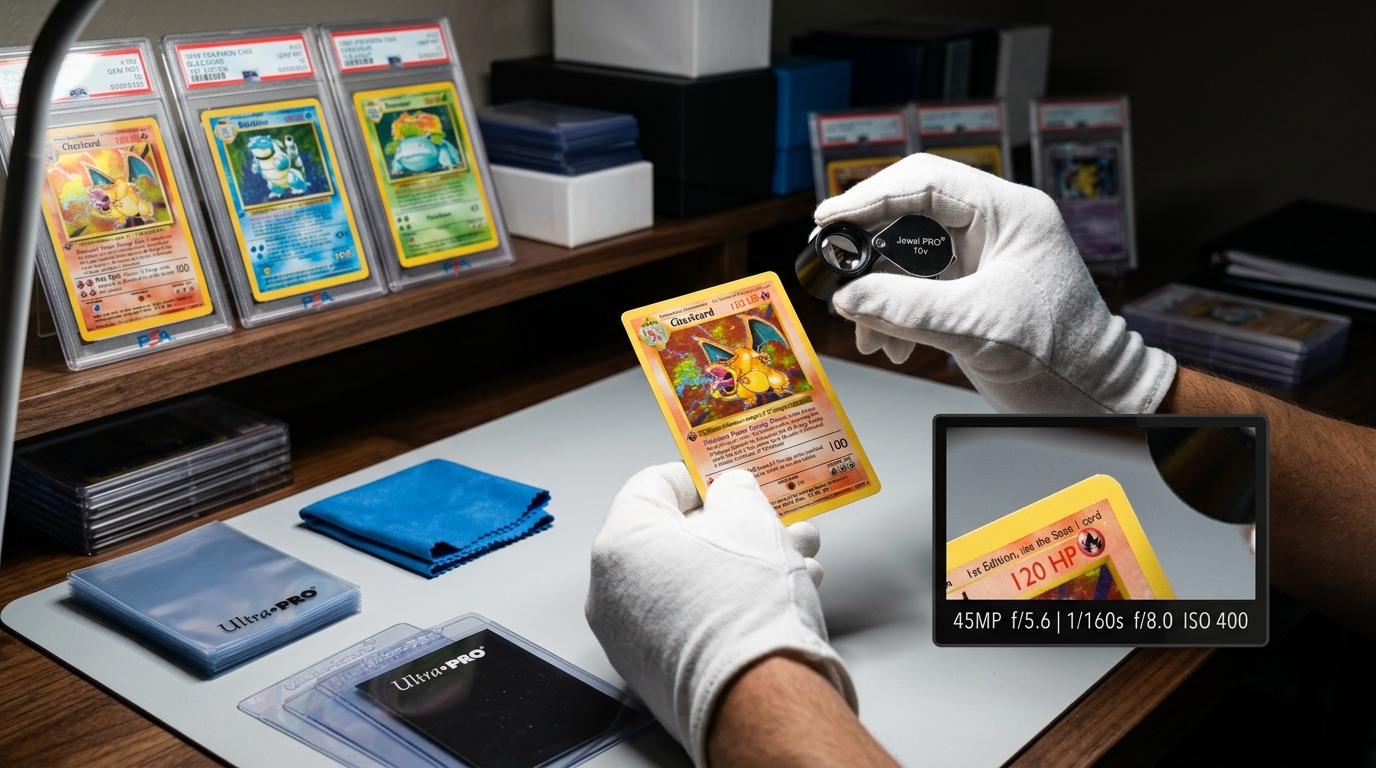
How to Grade Pokemon Cards: Step-by-Step 2026 Guide
Learn how to grade Pokemon cards in 2026 with this complete step-by-step guide covering PSA's paused Value tiers, the $79.99 minimum, pre-screening techniques, and when grading still makes financial sense.
Pokemon Price Tracker
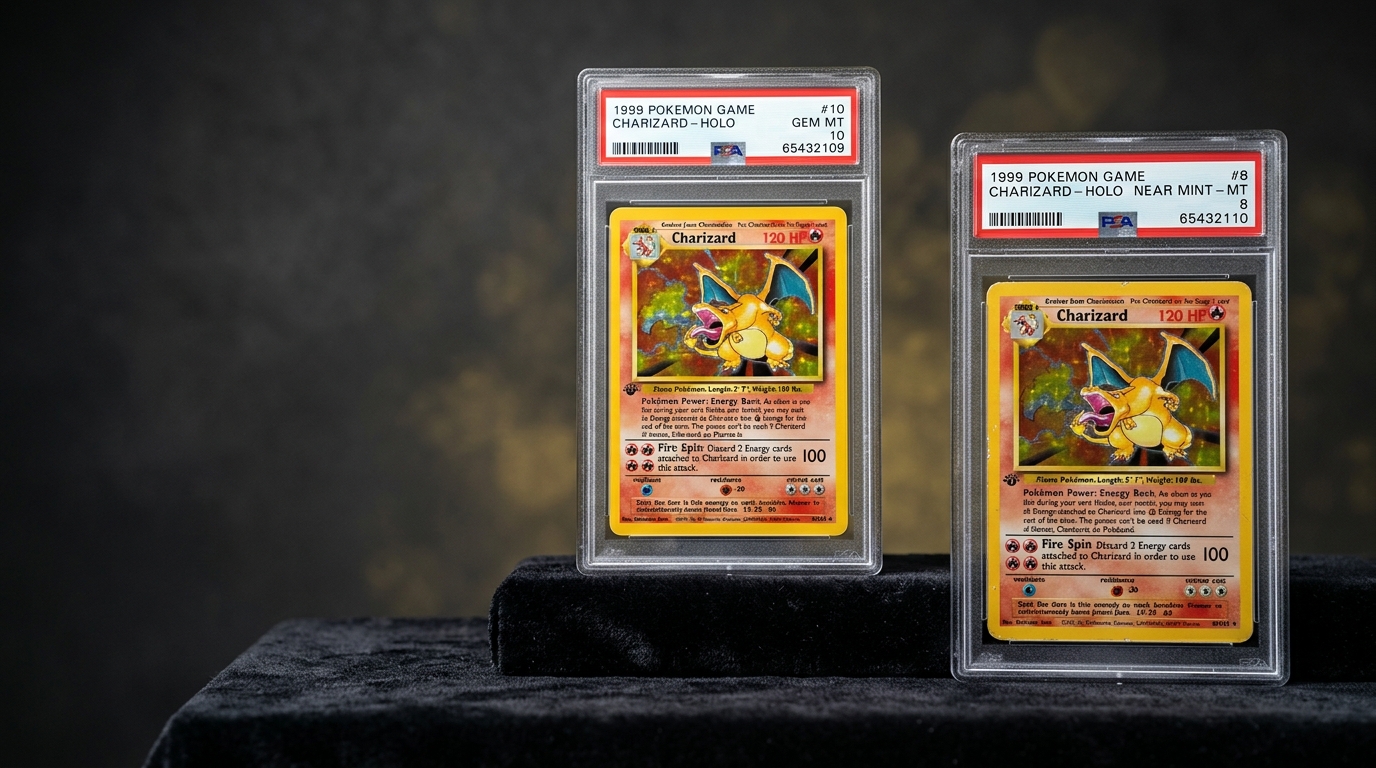
PSA 10 vs PSA 9: 2026 Price Gap Analysis & ROI Data
PSA 10s command 3x to 20x more than PSA 9s in 2026, but the gap varies wildly by card and era. We break down real sales data, ROI frameworks, and when grading actually makes financial sense.
Pokemon Price Tracker
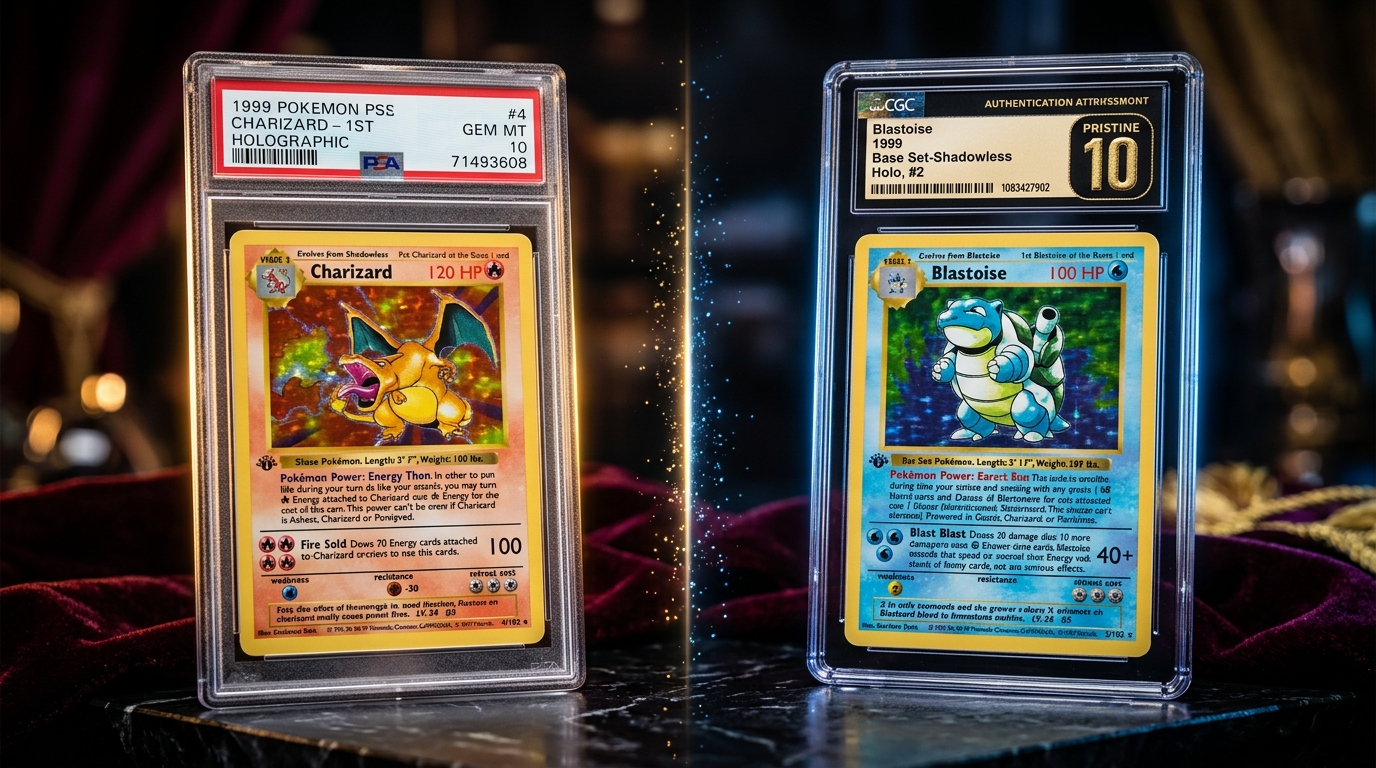
CGC vs PSA in 2026: Which Grader Holds Value Best?
PSA's 2026 Value tier pause has reshaped the grading landscape. We compare CGC vs PSA on pricing, turnaround, resale premiums, and market share to help you choose the right grader for every submission.
Pokemon Price Tracker
Stay Updated
Subscribe to our newsletter for the latest Pokemon card market trends, investment opportunities, and exclusive insights delivered straight to your inbox.