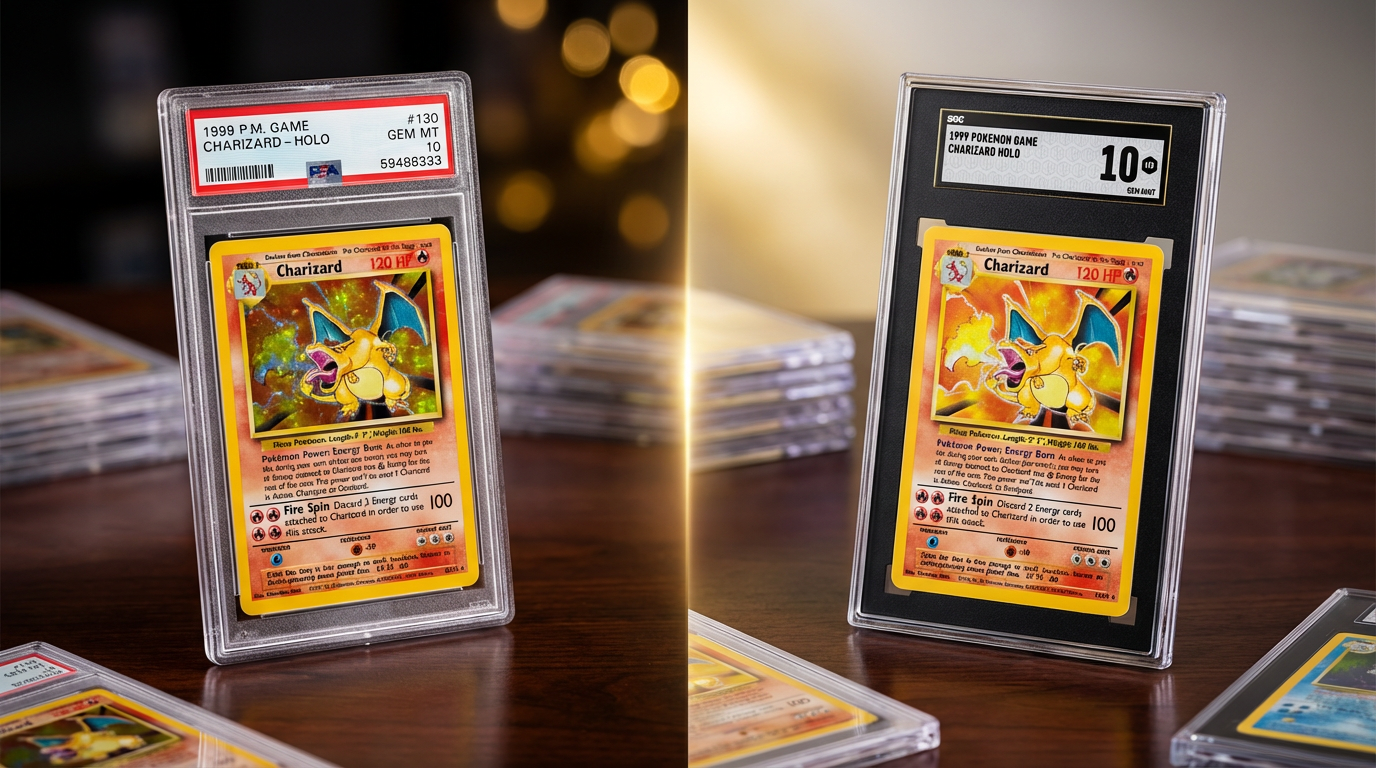
PSA vs SGC Grading 2026: Cost, Speed & Resale Value
As Pokemon TCG celebrates its 30th anniversary in 2026, the grading industry has never been more critical for collectors and investors. With PSA commanding 67% of the market and SGC holding a solid 22-23% share, choosing between these two giants can significantly impact your wallet and collection value. But here's the million-dollar question: Is the "PSA tax" worth paying, or is SGC the budget-conscious collector's secret weapon?
This comprehensive guide breaks down everything you need to know about PSA vs SGC grading in 2026, from pricing structures and turnaround times to the controversial resale value gap that has collectors debating across forums and social media.
Understanding the Market Landscape in 2026
The graded Pokemon card market has matured significantly, with PSA maintaining its dominant position as the industry standard. However, SGC has carved out a substantial niche as a credible alternative, particularly among collectors who prioritize value and faster service.
Market Share Breakdown
- PSA: ~67% market dominance
- SGC: 22-23% market share
- Other grading companies: ~10-11% combined
This market distribution tells an important story: while PSA remains the gold standard, SGC has established itself as far more than just an alternative—it's a legitimate choice with its own loyal following.
2026 Pricing Comparison: The Real Numbers
Let's cut through the marketing and examine what you'll actually pay to grade your Pokemon cards with each company.
PSA Pricing Tiers (February 2026)
Value Tier ($20-$25 per card)
- Declared value: Up to $499
- Turnaround time: 95-120 business days (advertised)
- Reality check: $25 tier actually returning in 50-55 business days (10-11 weeks)
- Minimum submission: 20 cards
Regular Tier ($40 per card)
- Declared value: Up to $499
- Turnaround time: 40 business day guarantee
- More predictable timeline than Value tier
- Better for time-sensitive submissions
Premium Tiers ($150-$200+ per card)
- Declared value: $500-$9,999+
- Turnaround time: 15-25 business days
- Reserved for high-value cards where speed matters
- Includes enhanced authentication services
SGC Pricing Structure
SGC has positioned itself as the more affordable and faster alternative:
Standard Service
- Significantly lower per-card costs than PSA
- Faster turnaround times across all tiers
- More flexible minimum submission requirements
- Competitive pricing even for high-value cards
The True Cost Analysis
When calculating grading costs, remember to factor in:
- Base grading fee: The per-card charge
- Shipping costs: Both ways, plus insurance
- Membership fees: PSA requires paid membership levels
- Time value: Faster turnarounds mean quicker liquidity
- Opportunity cost: Cards locked in grading can't be sold
For a 20-card submission at the $25 PSA tier, you're looking at $500 in grading fees alone, plus shipping and insurance. SGC's lower pricing can save you 20-40% on total costs, which adds up quickly for volume submitters.
Turnaround Time Reality Check
Advertised turnaround times and actual delivery dates often differ. Here's what collectors are experiencing in 2026:
PSA Turnaround Times
- $25 Value Tier: Advertised 95-120 days, actually returning in 50-55 business days
- $40 Regular Tier: 40 business day guarantee (more reliable)
- Premium Tiers: 15-25 days (consistently met)
The good news? PSA has significantly improved from the 2021-2022 backlog nightmare. The bad news? You're still looking at 2-4 months for budget submissions.
SGC Turnaround Times
SGC consistently delivers faster service across all price points:
- Standard submissions: 20-35 business days typical
- Express options: 10-15 business days
- Super Express: 5-7 business days
For collectors who need cards back quickly—whether for sale, display, or portfolio management—SGC's speed advantage is substantial.
Speed vs. Cost Trade-offs
Consider this scenario: You have 20 modern cards worth $50-100 each raw.
PSA Route: $500 grading cost, 50-55 day wait SGC Route: $300-350 grading cost, 25-30 day wait
That's $150-200 saved AND getting your cards back nearly twice as fast. For many collectors, especially those grading modern cards, this math is compelling.
The "PSA Tax": Understanding the Resale Value Gap
Here's where things get controversial. The "PSA tax" refers to the significant premium PSA-graded cards command over identical cards in SGC slabs.
Real-World Price Examples
The market data reveals stark differences:
Modern Cards:
- PSA 10 Modern Holo: $200
- SGC 10 Same Card: $130
- Price difference: 54% premium for PSA
Vintage WOTC Cards:
- PSA 9 Base Set Charizard: $2,500-3,000
- SGC 9 Base Set Charizard: $1,800-2,200
- Price difference: 30-40% premium for PSA
High-End Vintage:
- PSA 10 1st Edition Shadowless Charizard: $300,000+
- SGC 10 1st Edition Shadowless Charizard: $180,000-220,000
- Price difference: 35-65% premium for PSA
Why Does the PSA Tax Exist?
Several factors contribute to PSA's pricing premium:
- Market recognition: PSA is the household name
- Historical dominance: First major grading company for cards
- eBay integration: PSA grades display directly on listings
- Auction house preference: Heritage, Goldin, and others favor PSA
- Registry sets: PSA's competitive registry system drives demand
- Perceived consistency: Belief that PSA standards are more reliable
- Liquidity: PSA slabs sell faster with more potential buyers
Is the PSA Tax Justified?
This is where opinions diverge sharply:
Arguments FOR paying the PSA tax:
- Better resale value protects your investment
- Easier to sell when the time comes
- More accepted in high-end markets
- Better for vintage and trophy cards
- Registry participation adds collecting dimension
Arguments AGAINST paying the PSA tax:
- Same cardboard in both slabs
- SGC grading standards are equally rigorous
- Price gap is perception, not reality
- Better ROI on grading costs with SGC
- Modern cards don't need the PSA premium
Grading Standards: Are They Really Different?
Both PSA and SGC use a 1-10 scale, but are their standards truly comparable?
PSA Grading Criteria
PSA 10 (Gem Mint)
- Sharp corners
- Perfect centering (60/40 or better)
- No staining or print defects
- Original gloss retained
- No surface wear
PSA 9 (Mint)
- Minor corner wear acceptable
- Centering 65/35 or better
- Slight print imperfections allowed
- Near-perfect surface
SGC Grading Standards
SGC 10 (Pristine)
- Essentially flawless
- Perfect centering
- Sharp corners
- No visible defects
- Comparable to PSA 10
SGC 9.5 (Mint+)
- SGC's unique half-point grade
- Slight imperfections
- Often comparable to PSA 9-10 borderline cards
The Grading Consistency Debate
Collectors debate whether PSA or SGC is more consistent:
PSA consistency concerns:
- Variation between graders noted by collectors
- "Crackout" culture suggests inconsistency
- Some believe standards have loosened over time
SGC consistency reputation:
- Generally considered stricter on centering
- More consistent corner evaluation
- Half-point grades provide more granularity
The truth? Both companies have highly trained graders, and both occasionally have questionable grades. The consistency difference is likely smaller than the market premium suggests.
When to Choose PSA
PSA makes the most sense in these scenarios:
1. High-Value Vintage Cards
For cards worth $1,000+ raw:
- The resale premium justifies higher costs
- Buyers expect PSA at this price point
- Auction houses prefer PSA for major sales
- Better liquidity when selling
2. Trophy Cards and Grails
1st Edition Shadowless holos, Gold Stars, and other trophy cards:
- Maximum resale value critical
- PSA 10 population matters for rarity
- Registry set inclusion adds value
- Investment-grade cards need PSA recognition
3. Cards for PSA Registry Sets
If you participate in PSA's competitive registry:
- Only PSA grades count
- Registry ranking drives collecting goals
- Community aspect adds enjoyment
4. Modern Chase Cards with Investment Intent
High-end modern cards ($500+ raw):
- Scarlet & Violet Special Illustration Rares
- Crown Zenith Galarian Gallery cards
- Illustration Rare Charizards
- Cards likely to appreciate significantly
When to Choose SGC
SGC offers better value in these situations:
1. Modern Bulk Grading
For modern cards worth $20-200 raw:
- Lower costs improve ROI
- Faster turnaround means quicker sales
- Price gap less significant at lower values
- Volume submissions benefit from savings
2. Personal Collection Cards
If you're grading for protection, not resale:
- Save 30-40% on grading costs
- Same protection quality
- Faster service means enjoying your collection sooner
- No resale premium concern
3. Mid-Tier Vintage Cards
Vintage cards worth $100-800:
- SGC still respected in this range
- Cost savings more meaningful
- Easier to find buyers at fair prices
- Less brand sensitivity from buyers
4. Budget-Conscious Collectors
If grading costs are a significant factor:
- More cards graded for same budget
- Build a larger graded collection
- Test grading without major investment
- Learn the process affordably
The Investment Perspective
For collectors viewing graded cards as investments, the PSA vs SGC decision requires careful analysis.
ROI Calculation Framework
Example: Modern $100 Raw Card
PSA Route:
- Grading cost: $25-40
- Wait time: 50-55 days
- Expected PSA 10 value: $200
- Gross profit: $100
- Net profit after costs: $60-75
- ROI: 60-75%
SGC Route:
- Grading cost: $15-25
- Wait time: 25-30 days
- Expected SGC 10 value: $130
- Gross profit: $30
- Net profit after costs: $5-15
- ROI: 5-15%
This example illustrates why many investors still choose PSA despite higher costs—the resale premium often justifies the expense.
Portfolio Diversification Strategy
Smart collectors often use both services strategically:
- PSA for: Trophy cards, high-value vintage, investment pieces
- SGC for: Personal collection, modern bulk, mid-tier cards
- Result: Optimized costs while maximizing value where it matters
If you're making grading decisions based on investment potential, consider using a Grading Calculator to determine whether the grading costs justify the potential return for specific cards.
Market Trend Considerations
The 2026 market shows interesting trends:
- SGC acceptance growing among younger collectors
- Modern card collectors less brand-loyal
- Vintage market still heavily PSA-focused
- Social media influencing perception shifts
- Price gap slowly narrowing for certain card categories
Note: Past performance does not guarantee future results. Always do your own research before making investment decisions.
The Authentication Factor
Beyond grading, authentication is crucial for valuable cards.
PSA Authentication Reputation
- Industry-leading authentication team
- Extensive database of known counterfeits
- Trusted by auction houses and dealers
- Green label authentication-only service available
- Critical for ultra-high-end cards
SGC Authentication Standards
- Rigorous authentication process
- Experienced authentication team
- Growing authentication database
- Equally reliable for most cards
- Less recognized for six-figure cards
For cards worth $10,000+, PSA's authentication reputation provides additional peace of mind that can justify the cost premium.
Practical Submission Tips
Preparing Your Cards
Regardless of which company you choose:
- Use card savers: Proper card savers prevent damage
- Handle with care: Use gloves or clean hands
- Document condition: Photos before submission
- Declare value accurately: Proper insurance coverage
- Organize by tier: Group cards by service level
Maximizing Value
For PSA submissions:
- Wait for special promotions
- Batch cards to meet minimums
- Join appropriate membership tier
- Use correct declared values
- Consider group submission services
For SGC submissions:
- Take advantage of faster turnarounds
- Submit cards where brand matters less
- Use for building personal collection
- Test grading on lower-value cards
- Volume submissions for modern cards
The Future: What's Changing?
The grading industry continues evolving in 2026:
Technology Integration
- Digital certification gaining traction
- Blockchain authentication experiments
- AI-assisted grading under development
- Mobile app improvements for both companies
- Enhanced holder security features
Market Dynamics
- Younger collectors less PSA-focused
- Social media democratizing opinions
- Price gap scrutiny increasing
- Alternative grading companies emerging
- Market maturation affecting premiums
Industry Trends
- Faster turnaround times industry-wide
- More competitive pricing pressure
- Enhanced customer service focus
- Greater transparency in grading process
- Standardization discussions ongoing
Making Your Decision: A Framework
Use this decision tree to guide your choice:
Step 1: Define Your Goal
Investment/Resale? → Lean PSA Personal Collection? → Consider SGC Mixed Purpose? → Continue to Step 2
Step 2: Evaluate Card Value
$1,000+ raw? → PSA strongly recommended $200-1,000 raw? → PSA for vintage, SGC acceptable for modern Under $200 raw? → SGC offers better ROI
Step 3: Consider Timeline
Need cards back quickly? → SGC advantage Timeline flexible? → PSA acceptable Urgent deadline? → SGC express service
Step 4: Calculate ROI
Factor in:
- Grading costs (including shipping, insurance, membership)
- Expected grade and resulting value
- Market demand for PSA vs SGC for specific card
- Your time horizon for selling
- Opportunity cost of waiting
Step 5: Assess Market Factors
Vintage WOTC? → PSA premium justified Modern cards? → SGC increasingly accepted Japanese cards? → Both equally respected Trophy cards? → PSA essential Mid-tier cards? → Either acceptable
Real Collector Experiences
The Volume Submitter
"I grade 200-300 modern cards per year. Switching to SGC saved me $4,000+ annually while getting cards back twice as fast. For modern Pokemon, the price gap doesn't justify PSA costs."
The Vintage Investor
"I only use PSA for my vintage WOTC collection. The resale premium is real—I've sold dozens of cards and PSA slabs consistently bring 30-40% more. Worth every penny for cards over $500."
The Hybrid Approach
"I use PSA for my trophy cards and anything worth $1,000+ raw. Everything else goes to SGC. This strategy optimizes my grading budget while maintaining value on my key pieces."
Common Mistakes to Avoid
1. Grading Everything at PSA
Not every card needs the PSA premium. Analyze each submission's ROI.
2. Choosing Based on Speed Alone
Faster isn't always better if it costs you 30% on resale.
3. Ignoring the Math
Calculate actual ROI including all costs before submitting.
4. Following the Crowd
Your collecting goals may differ from others—choose accordingly.
5. Neglecting Card Selection
Only grade cards likely to receive high grades for positive ROI.
6. Overlooking Declared Value
Under-declaring value saves money upfront but risks inadequate insurance.
7. Rushing Submissions
Properly preparing cards prevents damage and improves grades.
Key Takeaways
Choose PSA When:
✓ Grading high-value vintage cards ($1,000+) ✓ Submitting trophy cards or grails ✓ Maximizing resale value is priority ✓ Participating in PSA registry sets ✓ Selling through major auction houses ✓ Authentication reputation is critical
Choose SGC When:
✓ Grading modern cards in volume ✓ Building personal collection ✓ Budget is a significant constraint ✓ Faster turnaround needed ✓ Cards worth under $500 raw ✓ ROI calculation favors lower costs
The Hybrid Strategy:
Most experienced collectors use both services strategically, sending high-value and vintage cards to PSA while using SGC for modern cards, personal collection pieces, and volume submissions. This approach optimizes costs while maintaining maximum value where it matters most.
Final Thoughts
The PSA vs SGC decision in 2026 isn't about which company is objectively "better"—it's about which service aligns with your specific goals, budget, and cards. PSA's market dominance and resale premium are real, but so are SGC's cost savings and faster service.
For collectors grading high-value vintage cards or building investment-grade collections, PSA's premium is often justified by superior resale values and market acceptance. For modern card collectors, volume submitters, and budget-conscious enthusiasts, SGC offers compelling value without sacrificing quality or protection.
The "PSA tax" exists, but whether you should pay it depends entirely on your individual circumstances. By understanding the true costs, realistic turnaround times, and actual resale value differences, you can make informed decisions that optimize your grading strategy.
As Pokemon TCG celebrates 30 years in 2026, both PSA and SGC will continue serving the community with professional grading services. The best choice? The one that makes sense for your cards, your goals, and your wallet.
Tags:
Pokemon Price Tracker
Market Analyst
Related Articles
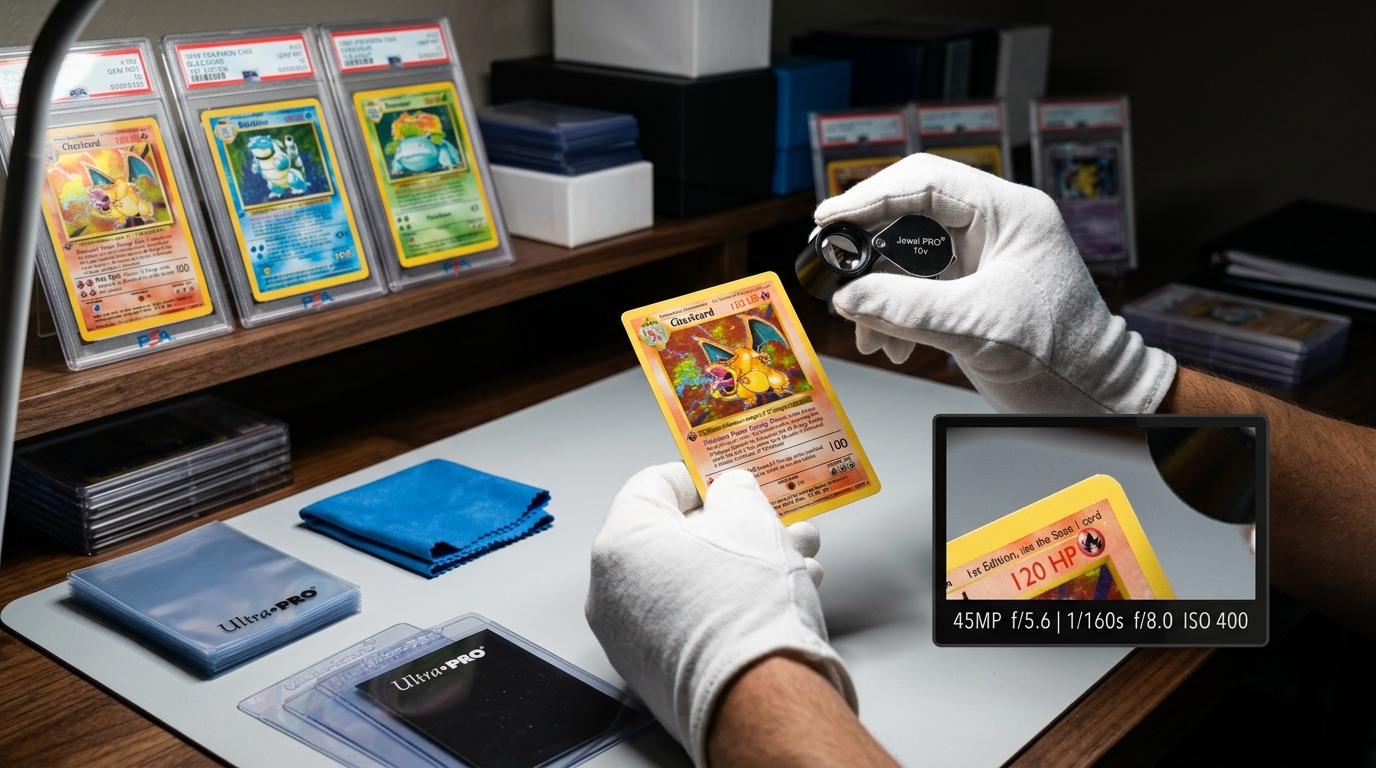
How to Grade Pokemon Cards: Step-by-Step 2026 Guide
Learn how to grade Pokemon cards in 2026 with this complete step-by-step guide covering PSA's paused Value tiers, the $79.99 minimum, pre-screening techniques, and when grading still makes financial sense.
Pokemon Price Tracker
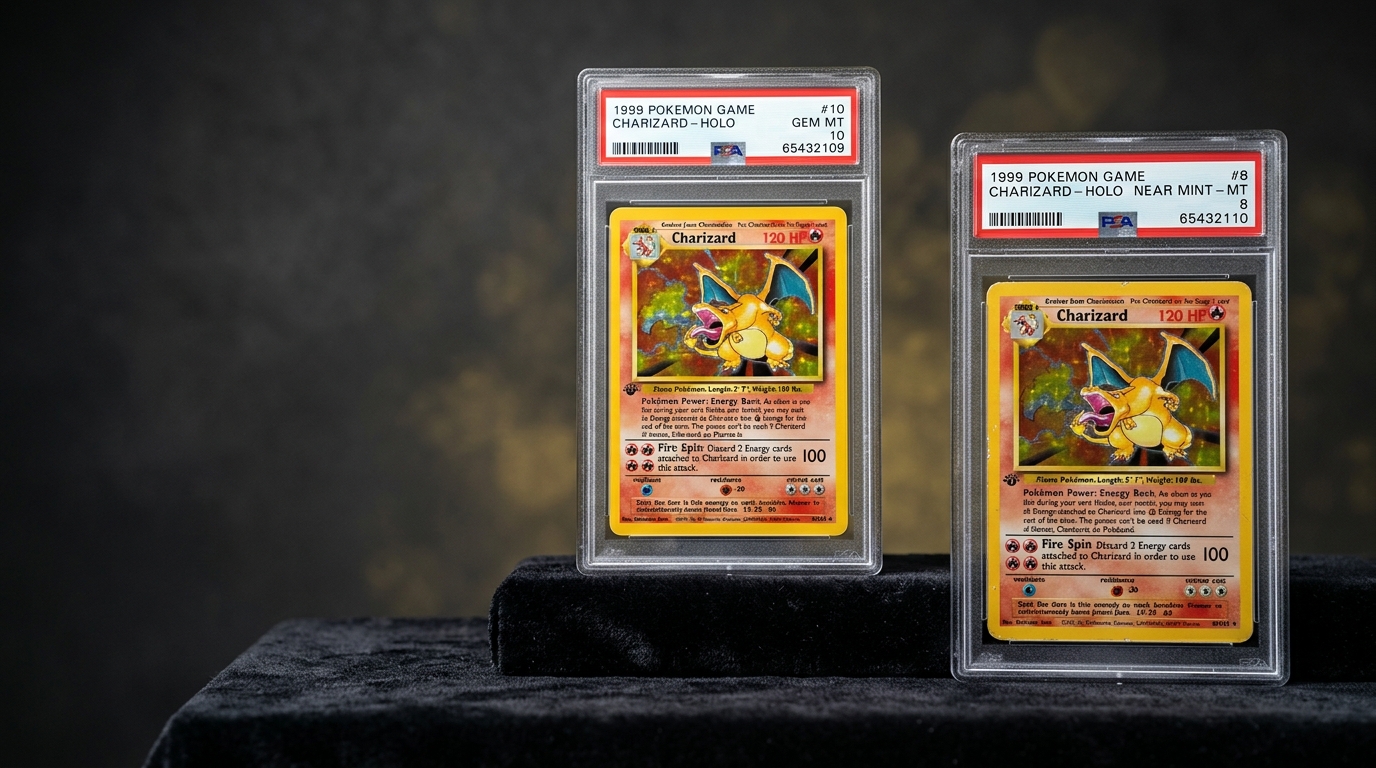
PSA 10 vs PSA 9: 2026 Price Gap Analysis & ROI Data
PSA 10s command 3x to 20x more than PSA 9s in 2026, but the gap varies wildly by card and era. We break down real sales data, ROI frameworks, and when grading actually makes financial sense.
Pokemon Price Tracker

Japanese vs English Pokemon Cards: Which Holds Value in 2026?
The Japanese vs English Pokemon card debate has fundamentally shifted in 2026. Japanese PSA 10s now command 20-40% premiums over English equivalents, while raw English cards still cost 2x-6x more. Here's how to navigate both markets strategically.
Pokemon Price Tracker
Stay Updated
Subscribe to our newsletter for the latest Pokemon card market trends, investment opportunities, and exclusive insights delivered straight to your inbox.