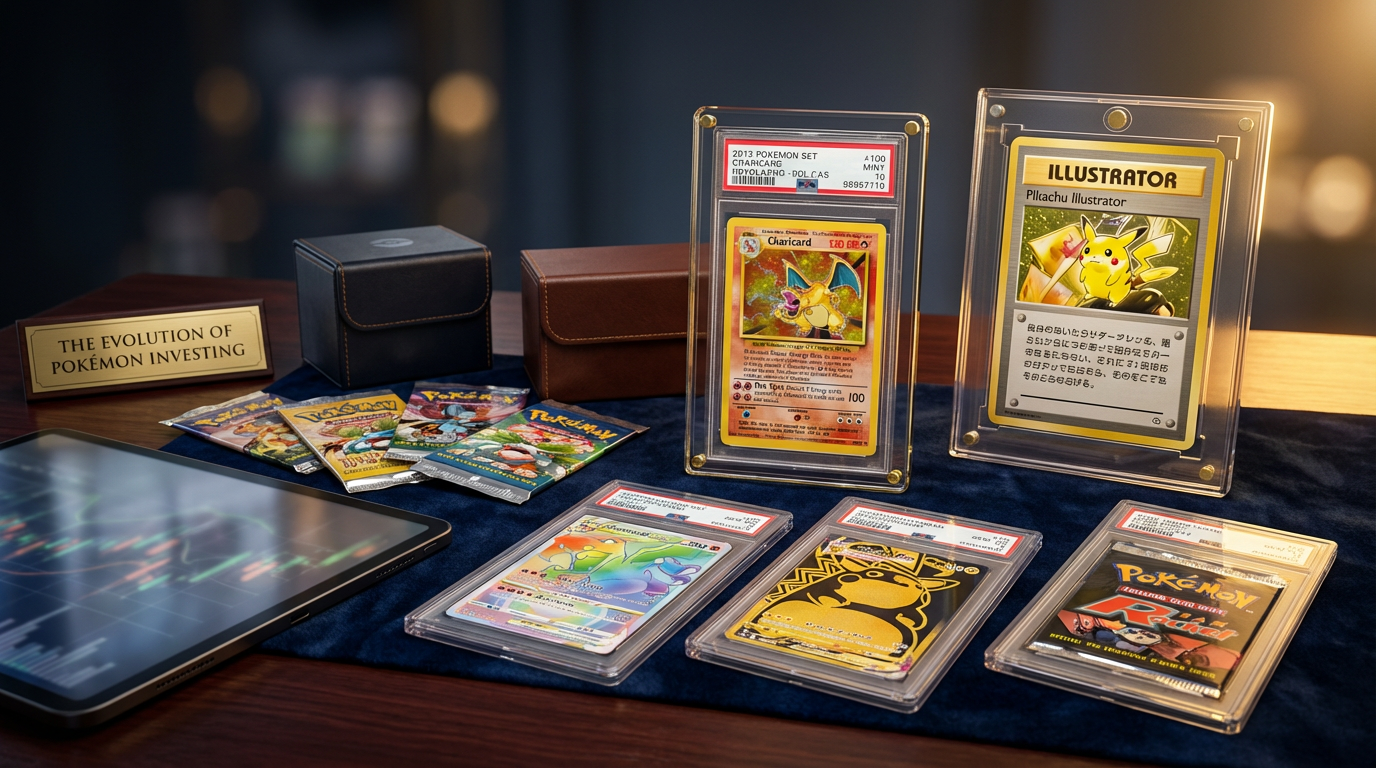
Pokemon Card Market Predictions 2027: Expert Analysis
The Pokemon TCG market has experienced extraordinary growth over the past two decades, with cards surging an astonishing 3,821% in value since 2004—far outpacing traditional investments like the S&P 500. As we move through 2026 and look toward 2027, collectors and investors are asking critical questions: Will this momentum continue? Which cards and categories offer the best potential? And how should the current market correction inform our 2027 strategy?
This comprehensive analysis examines the data, trends, and factors that will shape the Pokemon card market in 2027, providing actionable insights for collectors and investors navigating this dynamic landscape.
Understanding the 2026 Market Foundation
Before predicting 2027, we must understand where we stand today. The Pokemon card market in early 2026 has been characterized by several defining features:
Record-Breaking Performance Metrics
The numbers tell a compelling story:
- Overall market growth: Pokemon cards have delivered a 3,821% value increase since 2004, compared to the S&P 500's 483% growth over the same period
- Premium card performance: The Card Ladder index shows top Pokemon cards have exploded 6,208% since 2004
- Pikachu dominance: Pikachu cards alone command a global market cap approaching $650 million
- Transaction volume: Buyers spent $450 million on cards in early 2026 alone, driven by 30th anniversary momentum
These metrics demonstrate that Pokemon cards have established themselves as a legitimate alternative asset class, attracting serious collectors and investors worldwide.
The Pikachu Illustrator Milestone
On February 16, 2026, Logan Paul's PSA 10 Pikachu Illustrator sold for $16.492 million at Goldin Auctions, setting a new record for the hobby. This sale represents more than just a headline—it signals sustained institutional and high-net-worth interest in trophy Pokemon cards.
The Pikachu Illustrator sale is particularly significant because it occurred during a broader market correction, suggesting that ultra-premium cards may be somewhat insulated from downward pressure affecting more common collectibles.
Market Correction: Not a Crash
It's crucial to distinguish between a market correction and a market crash. While some cards have dropped 30-50% from their 2021 peaks, this represents a healthy correction rather than a fundamental collapse:
- Correction characteristics: Selective price adjustments, particularly affecting overheated modern cards and common vintage
- Continued strong fundamentals: Record sales, high transaction volume, and sustained collector interest
- Category divergence: Different segments (vintage vs. modern, graded vs. raw, sealed vs. singles) are performing differently
This correction is actually creating opportunities for strategic positioning heading into 2027.
Key Factors Shaping the 2027 Market
1. Pokemon's 30th Anniversary Momentum Extending into 2027
The 30th anniversary celebration throughout 2026 has reinvigorated the franchise and attracted new collectors. This momentum is expected to carry into 2027 through:
- Sustained media attention: Continued coverage of record sales and market milestones
- New collector onboarding: Anniversary events have introduced younger generations to collecting
- Product releases: Special anniversary sets and products will continue releasing into early 2027
- Nostalgia factor: Millennials who grew up with Pokemon now have purchasing power
The anniversary effect typically extends 12-18 months beyond the actual anniversary date, suggesting strength through at least mid-2027.
2. TCG Rotation Impact on Modern Card Values
The 2026 Standard format rotation has significant implications for 2027 card values:
- Rotating sets lose competitive play value: Cards from older sets lose playability, potentially reducing demand
- Collector focus shifts: As playability decreases, collector interest becomes the primary value driver
- Opportunity for undervalued cards: Some rotated cards may be undervalued if their collector appeal is overlooked
- Modern vs. vintage divide: Rotation reinforces the distinction between investment-grade vintage and play-focused modern
Investors should carefully evaluate whether modern cards have genuine collector appeal beyond competitive play before making 2027 positions.
3. Graded Card Population Growth
Grading submission volumes remain elevated, which affects 2027 market dynamics:
- Population report inflation: More graded copies of previously rare cards entering the market
- PSA 10 premium compression: As PSA 10 populations grow, premiums over PSA 9 may narrow
- Authentication value remains: Despite higher populations, graded cards still command premiums over raw
- Condition census importance: True gem copies (with strong centering, no print lines) will separate from average PSA 10s
For 2027, focus on cards with low PSA 10 populations or those with demonstrable condition rarity.
4. Sealed Product Investment Trends
Sealed product has emerged as a major investment category with specific 2027 implications:
- Vintage sealed scarcity: Pre-2010 sealed products are increasingly difficult to find
- Modern sealed abundance: Recent sets have high print runs, limiting short-term appreciation
- Sweet spot identification: Sets from 2016-2020 may offer the best risk-reward for 2027
- Booster box vs. ETB dynamics: Different sealed formats appreciate at different rates
Sealed product investors should focus on products old enough to have supply constraints but recent enough to have verifiable authenticity.
5. Japanese Card Market Integration
The Japanese Pokemon card market is increasingly influencing global prices:
- Cross-market arbitrage: Price differences between Japanese and English versions are narrowing
- Unique Japanese releases: Cards never released in English (e-Reader promos, VS series) gaining recognition
- Population advantages: Some Japanese cards have lower graded populations than English counterparts
- Cultural authenticity: Growing appreciation for cards from Pokemon's home market
For 2027, expect continued integration and potential opportunities in overlooked Japanese releases.
2027 Market Predictions by Category
Vintage Cards (1999-2003): Strong and Stable
Prediction: Continued steady appreciation of 8-15% annually for premium vintage
Reasoning:
- Fixed supply with ongoing attrition (damaged, lost, or permanently held cards)
- Established collector base with deep pockets
- Nostalgia factor strengthening as original collectors age into peak earning years
- Increasing institutional recognition as legitimate collectibles
Specific vintage predictions for 2027:
Base Set Charizard (PSA 10):
- Current range: $350,000-$450,000
- 2027 prediction: $400,000-$550,000
- Key factor: Most iconic Pokemon card with proven track record
Shadowless Charizard (PSA 10):
- Current range: $450,000-$600,000
- 2027 prediction: $500,000-$700,000
- Key factor: Lower population than unlimited, growing recognition
Neo Genesis Lugia (PSA 10):
- Current range: $25,000-$35,000
- 2027 prediction: $30,000-$45,000
- Key factor: Undervalued relative to other Neo holos, iconic Pokemon
Gold Star Cards (PSA 10):
- Current range: $10,000-$80,000 depending on Pokemon
- 2027 prediction: 15-25% appreciation across the category
- Key factor: Limited original print run, unique aesthetic, strong collector demand
Modern Cards (2016-Present): Selective Opportunities
Prediction: Bifurcated market with winners and losers
Reasoning:
- High print runs create long-term supply challenges
- Rotation removes competitive play value from older modern cards
- Exceptional cards with crossover appeal will separate from the pack
- Chase cards from popular sets will maintain premiums
Modern cards to watch for 2027:
Alternate Art Trainer Cards:
- Current trend: Strong demand for character-focused full arts
- 2027 prediction: Top trainer cards appreciate 20-40%, commons stagnate
- Key factor: Crossover appeal to anime fans, lower populations than Pokemon cards
Illustration Rare Category:
- Current trend: New card type generating collector interest
- 2027 prediction: Selective appreciation for the best artwork
- Key factor: Artistic merit becoming value driver, not just Pokemon popularity
Special Delivery Pikachu and Similar Promos:
- Current range: $400-$600 (PSA 10)
- 2027 prediction: $500-$800
- Key factor: Limited distribution, Pikachu premium, proven scarcity
Modern cards likely to struggle in 2027:
- High-population PSA 10s from recent sets
- Cards dependent primarily on competitive play value
- Over-produced promotional cards from widely distributed products
Sealed Products: The Long Game
Prediction: Vintage sealed continues strong, modern sealed requires patience
Vintage Sealed (Pre-2010):
- 2027 prediction: 15-25% appreciation for verified authentic boxes
- Key drivers: Extreme scarcity, opening attrition, nostalgia demand
- Risk factors: Authentication challenges, condition issues
Mid-Era Sealed (2010-2019):
- 2027 prediction: 8-15% appreciation for key sets
- Sweet spot sets: XY Evolutions, Sun & Moon base, Team Up
- Key factor: Old enough for supply constraints, recent enough for authentication
Modern Sealed (2020-Present):
- 2027 prediction: Flat to modest 0-5% gains
- Exception: Special sets with limited print runs
- Key factor: High supply, requires 5+ year holding period
Graded vs. Raw: The Premium Debate
Prediction: Grading premiums stabilize but remain significant
The grading premium (the difference between graded and raw card values) has been a topic of debate:
- PSA 10 premium over raw: Expected to remain 3-5x for vintage, 2-3x for modern
- Authentication value: Grading provides authenticity verification worth the cost
- Population sensitivity: Cards with low PSA 10 populations will command higher premiums
- Raw card opportunities: Undergraded raw vintage may offer value if populations are low
For 2027, grading remains important but investors should be selective about which cards justify the cost and wait time.
Investment Strategies for 2027
Strategy 1: The Blue Chip Approach
Focus: Established vintage cards with proven track records
Target cards:
- Base Set holos (Charizard, Blastoise, Venusaur) in PSA 9-10
- Gold Star cards in PSA 8+
- Neo-era holos in high grades
- Legendary Pokemon from vintage sets
Advantages:
- Proven appreciation history
- Strong liquidity
- Lower volatility than speculative modern
- Established collector base
Disadvantages:
- Higher entry cost
- Lower potential percentage gains
- Requires significant capital
2027 outlook: Steady 8-15% annual appreciation with lower risk
Strategy 2: The Modern Selective Approach
Focus: Cherry-picking exceptional modern cards with crossover appeal
Target cards:
- Low-population alternate arts
- Iconic Pokemon in unique formats
- Limited distribution promos
- Illustration rares with exceptional artwork
Advantages:
- Lower entry cost
- Higher potential percentage gains
- More accessible to new investors
- Active trading market
Disadvantages:
- Higher risk of depreciation
- Rotation impact on play value
- Population inflation risk
- Less established value history
2027 outlook: High variance with potential for 30-50% gains on winners, 20-40% losses on losers
Strategy 3: The Sealed Product Long-Term Hold
Focus: Vintage and mid-era sealed products held for 3+ years
Target products:
- Verified authentic vintage booster boxes (any set pre-2010)
- XY Evolutions sealed products
- First edition Team Rocket boxes
- Japanese exclusive sealed products
Advantages:
- Guaranteed scarcity increase through opening attrition
- No condition concerns (assuming proper storage)
- Potential for dramatic appreciation over time
- Diversification from singles market
Disadvantages:
- Illiquid (harder to sell quickly)
- Storage requirements
- Authentication challenges for vintage
- Requires patient capital
2027 outlook: Vintage sealed 15-25% appreciation, mid-era 8-15%, modern 0-5%
Strategy 4: The Japanese Market Opportunity
Focus: Undervalued Japanese exclusives and low-population Japanese versions
Target cards:
- Japanese e-Reader promos
- VS series cards
- Japanese exclusive promotional cards
- Trophy cards from Japanese tournaments
Advantages:
- Often lower populations than English equivalents
- Growing Western collector interest
- Unique cards not available in English
- Cultural authenticity premium
Disadvantages:
- Requires Japanese market knowledge
- Language barrier for research
- Smaller buyer pool (currently)
- Import/authentication logistics
2027 outlook: Potential for 20-40% appreciation as Western collectors discover these cards
Risk Factors to Monitor
Economic Recession Concerns
Collectibles are typically discretionary purchases that suffer during economic downturns:
- Unemployment impact: Job losses reduce discretionary spending on cards
- Liquidity crunch: Collectors may sell holdings to raise cash
- Wealth effect: Stock market declines reduce perceived wealth and collecting budgets
Mitigation: Focus on blue-chip cards that weather downturns better, maintain cash reserves to buy during panic selling
Counterfeit and Reprint Risks
The high value of Pokemon cards has attracted counterfeiters:
- Improving fake quality: Counterfeits are becoming harder to detect
- Grading company challenges: Even professional graders occasionally miss fakes
- Market confidence impact: High-profile fake discoveries can shake buyer confidence
Mitigation: Buy only from reputable sellers, use grading services, educate yourself on authentication, verify purchases with experts
Oversupply of Modern Cards
The Pokemon Company has dramatically increased print runs:
- Allocation abundance: Modern sets are widely available at retail
- Print-to-demand model: Popular sets receive multiple print runs
- Long-term value impact: Oversupply creates headwinds for appreciation
Mitigation: Focus on truly limited modern releases, emphasize vintage where supply is fixed, be selective with modern investments
Grading Company Reliability
Grading standards and company stability affect card values:
- Standard consistency: Changes in grading standards can affect populations
- Company longevity: What happens to values if a grading company closes?
- Market preference shifts: PSA dominance could theoretically be challenged
Mitigation: Diversify across grading companies for large holdings, focus on PSA for maximum liquidity, understand that the card itself has intrinsic value beyond the slab
Generational Interest Shifts
Pokemon's continued cultural relevance is not guaranteed:
- New franchise competition: Emerging franchises could draw collector interest
- Generational transition: Will Gen Z and Gen Alpha collect Pokemon like Millennials?
- Media presence: Pokemon's media footprint affects long-term collecting interest
Mitigation: Monitor Pokemon media releases and cultural presence, diversify across multiple collecting categories, focus on historically iconic cards with cross-generational appeal
Actionable Recommendations for 2027
For Conservative Investors
- Allocate 70-80% to vintage blue chips: Focus on PSA 9-10 Base Set holos, Gold Stars, and Neo-era cards
- Add 10-20% vintage sealed: Target verified authentic boxes from 1999-2003
- Keep 10% cash reserve: Maintain liquidity to capitalize on market dips
- Avoid modern speculation: High-risk modern cards don't fit conservative profiles
- Focus on liquidity: Buy cards that can be sold quickly if needed
Expected 2027 return: 8-15% with moderate risk
For Aggressive Investors
- Allocate 40-50% to selective modern: Focus on low-population alternate arts and illustration rares
- Add 30-40% to vintage: Provides stability and proven appreciation
- Include 10-20% Japanese exclusives: High-risk, high-reward category
- Keep 10% for opportunistic buying: Capital to deploy during market dips
- Accept higher volatility: Understand that 20-40% swings are possible
Expected 2027 return: 15-30% with high risk and significant variance
For New Collectors
- Start with mid-tier vintage: PSA 8-9 vintage holos offer entry points at $500-$5,000
- Learn authentication: Study how to identify real vs. fake cards
- Avoid FOMO purchases: Don't chase hyped modern cards at peak prices
- Build knowledge first: Spend 3-6 months learning before making major purchases
- Start small: Make several small purchases before committing large capital
Expected 2027 outcome: Knowledge building while achieving 5-12% returns
For Sealed Product Investors
- Focus on 2016-2020 era: Sweet spot for supply constraints meeting affordability
- Verify authenticity: Use trusted sources and authentication services
- Proper storage: Climate-controlled environment prevents condition degradation
- Document provenance: Keep purchase records and photos
- Plan 5+ year hold: Sealed products require patience
Expected 2027 return: 8-15% for mid-era, 15-25% for vintage
The Bottom Line: 2027 Market Outlook
The Pokemon card market heading into 2027 presents a nuanced picture:
Strengths:
- Proven long-term appreciation vastly exceeding traditional investments
- Strong fundamentals including record sales and high transaction volume
- Sustained cultural relevance through 30th anniversary momentum
- Growing institutional and high-net-worth collector participation
- Fixed supply of vintage cards with ongoing attrition
Challenges:
- Market correction affecting some categories, particularly overheated modern cards
- High print runs of modern sets creating long-term supply headwinds
- Economic uncertainty that could impact discretionary spending
- Grading population inflation affecting some card premiums
- Authentication challenges as counterfeit quality improves
Overall 2027 Prediction:
The Pokemon card market will continue growing in 2027, but with increased bifurcation between winners and losers. Vintage cards, particularly iconic holos in high grades, should appreciate 8-15% as fundamentals remain strong. Selective modern cards with exceptional characteristics (low populations, crossover appeal, unique artwork) may achieve 20-40% gains, while common modern cards stagnate or decline.
Sealed products will follow a similar pattern: vintage sealed appreciates 15-25%, mid-era sealed grows 8-15%, and modern sealed remains flat to modest gains. The Japanese card market presents opportunities for informed collectors willing to do research.
The key to success in 2027 is selectivity. The days of "rising tide lifts all boats" are over. Investors must carefully evaluate individual cards based on scarcity, condition, cultural significance, and collector demand rather than assuming all Pokemon cards will appreciate.
Note: Past performance does not guarantee future results. Always do your own research before making investment decisions. The Pokemon card market involves significant risks including illiquidity, counterfeits, condition sensitivity, and demand volatility. Only invest capital you can afford to lose, and consider Pokemon cards as part of a diversified portfolio rather than a primary investment vehicle.
Final Thoughts
The Pokemon card market has matured significantly since the speculative frenzy of 2020-2021. As we look toward 2027, the market increasingly resembles other established collectible categories with clear tiers of value, proven blue chips, and speculative opportunities.
Successful Pokemon card investing in 2027 requires knowledge, patience, and selectivity. The market rewards those who understand condition grading, population reports, cultural significance, and supply dynamics. It punishes those who chase hype, overpay at peaks, or fail to authenticate purchases.
Whether you're a conservative investor seeking stable appreciation through vintage blue chips, an aggressive investor hunting undervalued modern gems, or a sealed product collector playing the long game, 2027 offers opportunities for those who approach the market with realistic expectations and solid research.
The Pokemon franchise shows no signs of fading, and the cards that defined childhoods for millions of collectors continue to command premium prices. As long as Pokemon remains culturally relevant and new generations discover the joy of collecting, the market fundamentals support continued growth—albeit with increased sophistication and selectivity required from investors.
The question isn't whether Pokemon cards will have value in 2027. The question is which specific cards, categories, and strategies will deliver the best risk-adjusted returns. By focusing on quality over quantity, proven performers over speculative hype, and patient capital deployment over FOMO purchases, collectors and investors can position themselves for success in the evolving Pokemon card market of 2027.
Tags:
Pokemon Price Tracker
Market Analyst
Related Articles
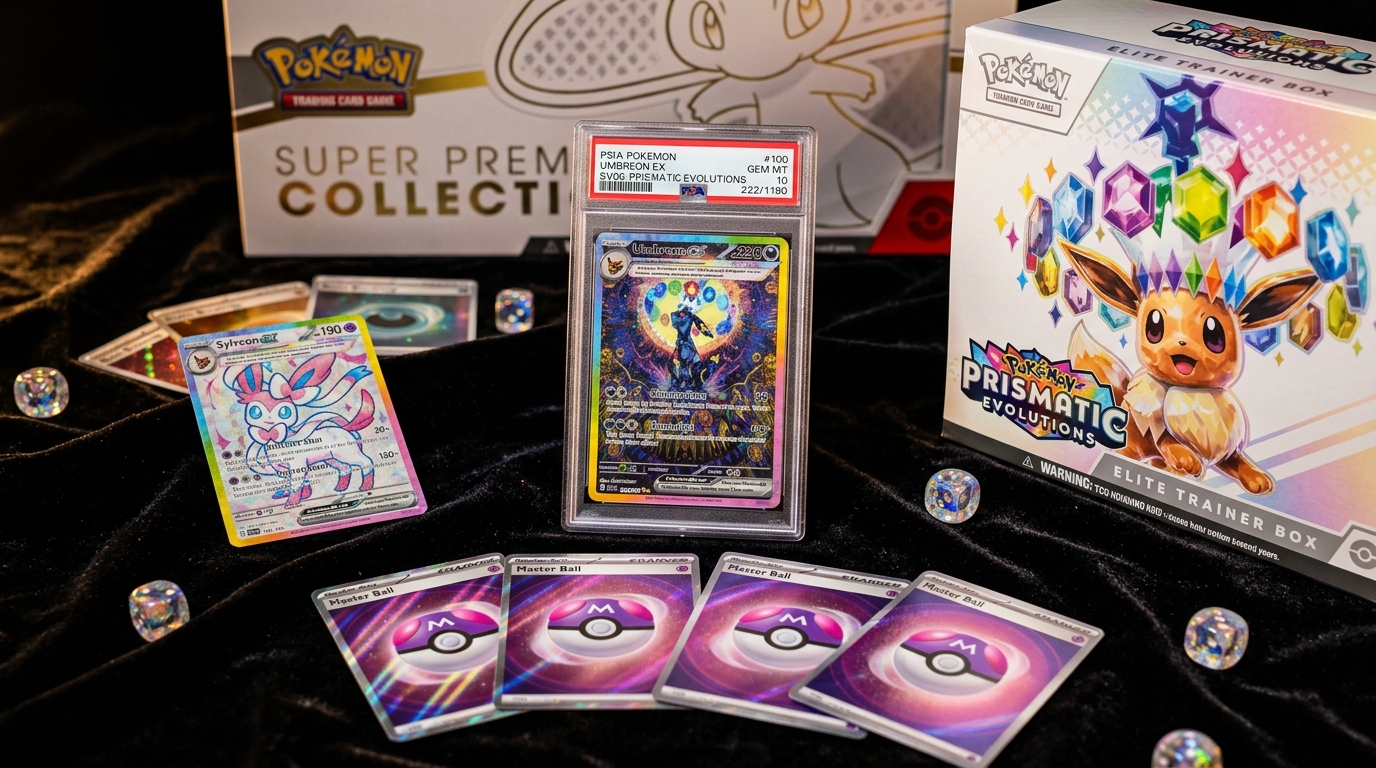
Prismatic Evolutions Price Guide: 2026 Market Update
A comprehensive 2026 price guide for Pokemon Prismatic Evolutions covering the Umbreon ex SIR, Sylveon ex, Master Ball reverse holos, sealed ETBs, and Super Premium Collection. Get current market values, grading insights, and set completion costs.
Pokemon Price Tracker
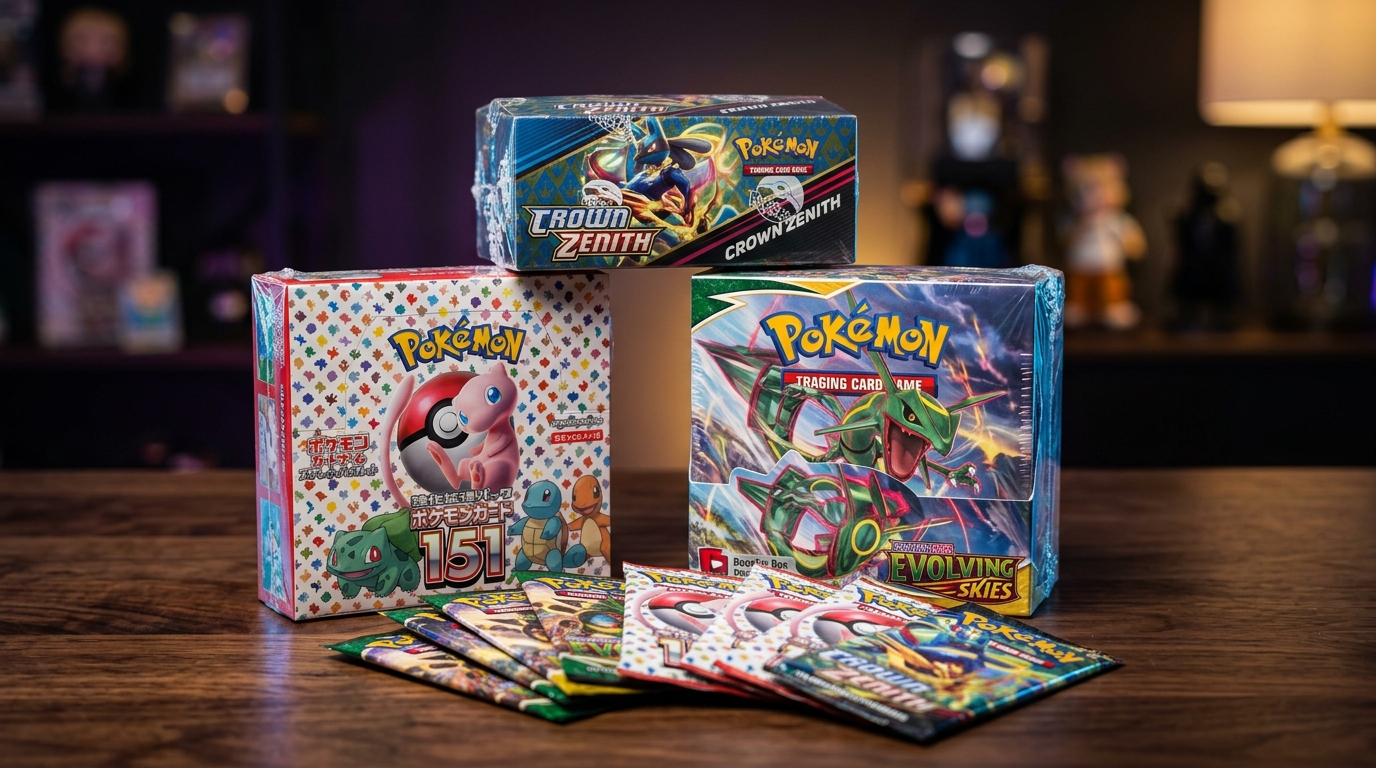
Best Pokemon Booster Boxes to Buy and Hold in 2026
From Evolving Skies to Japanese Pokemon 151, discover the best Pokemon booster boxes to buy and hold in 2026. Data-driven picks, portfolio strategy, and key metrics to watch for long-term sealed investors.
Pokemon Price Tracker
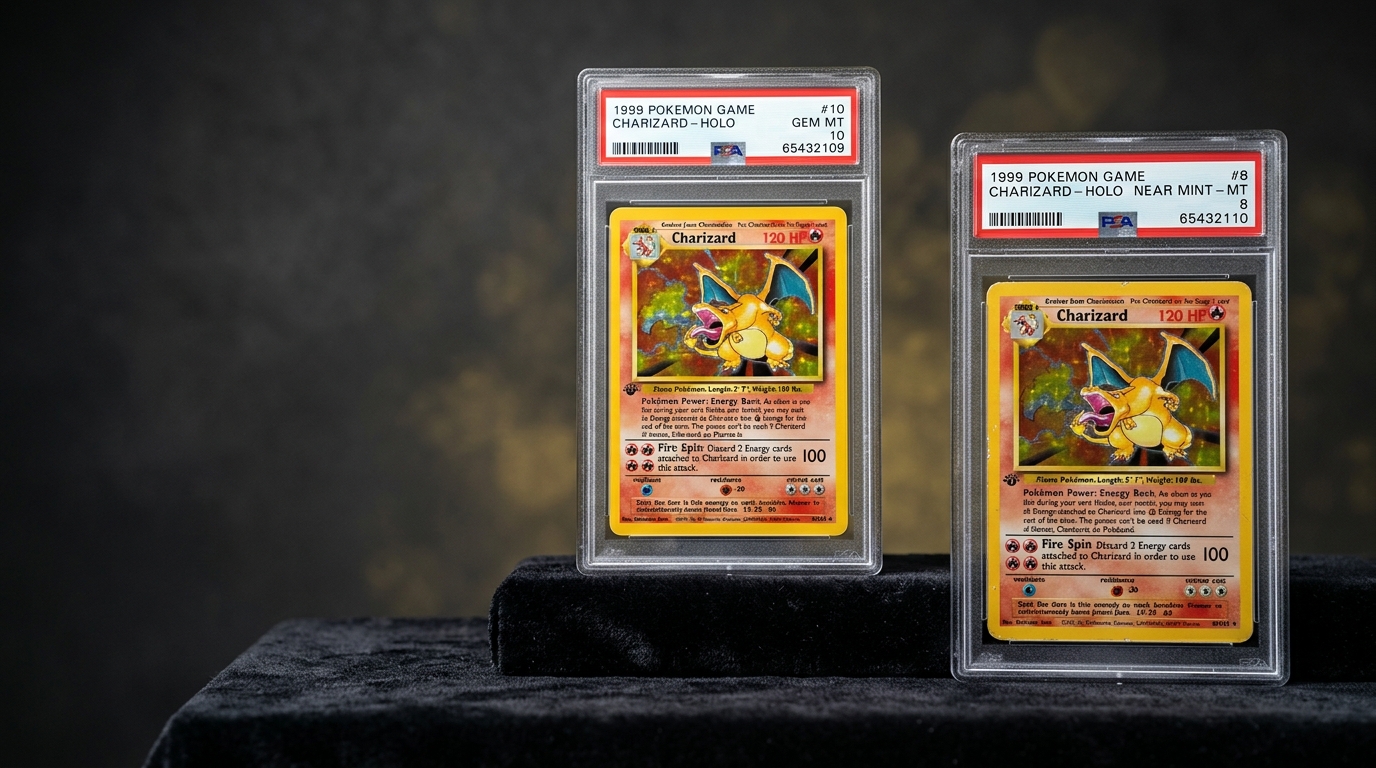
PSA 10 vs PSA 9: 2026 Price Gap Analysis & ROI Data
PSA 10s command 3x to 20x more than PSA 9s in 2026, but the gap varies wildly by card and era. We break down real sales data, ROI frameworks, and when grading actually makes financial sense.
Pokemon Price Tracker
Stay Updated
Subscribe to our newsletter for the latest Pokemon card market trends, investment opportunities, and exclusive insights delivered straight to your inbox.